Andalusia
Southern Spain, home to flamenco, tapas, and the most passionate fiestas
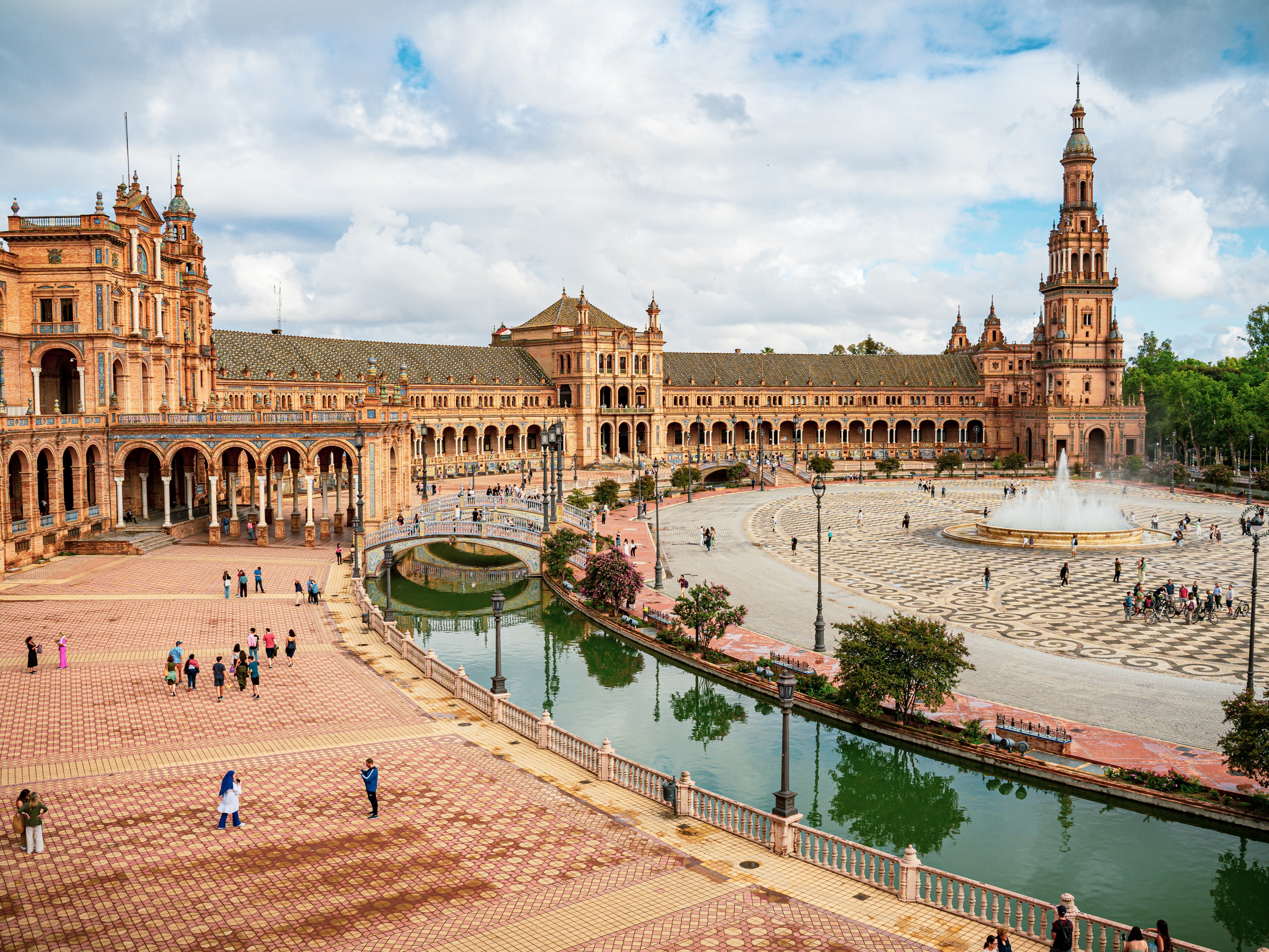
Andalusia carries more festival weight than any other region in Spain, and it shows: 19 festivals on this site alone, from Seville's Feria de Abril to Cádiz's Carnival to the silent processions of Semana Santa. The region's eight provinces — Seville, Málaga, Granada, Córdoba, Cádiz, Huelva, Jaén and Almería — share a common thread of Moorish heritage layered under nearly eight centuries of Al-Andalus rule, visible today in the Alhambra, the Mezquita of Córdoba and the Giralda of Seville, and audible in flamenco, a musical tradition born from the fusion of Andalusian, Romani, Jewish and North African influences.
What sets Andalusia apart is how completely festivals are woven into daily life rather than confined to a single week. Spring alone brings Semana Santa's hooded penitents, the flower-filled patios of Córdoba, and the sherry-soaked Feria del Caballo in Jerez before Seville's own April Fair closes out the season. Whitewashed hill towns, olive groves running to the horizon and a genuinely hot, dry summer climate make Andalusia feel distinct from the rest of Spain — closer in spirit, some say, to North Africa than to Madrid.
Highlights
- Flamenco's birthplace — Seville, Jerez and Cádiz all claim deep roots in the art form
- Moorish architecture — the Alhambra, the Mezquita and the Giralda rank among Spain's most visited monuments
- Spain's hottest region — summer temperatures regularly pass 40°C inland, so festival season concentrates in spring and autumn
- Sherry and tapas culture — Jerez, Cádiz and Seville anchor Spain's tapas-bar tradition
Festivals in Andalusia
 March
March
Semana Santa
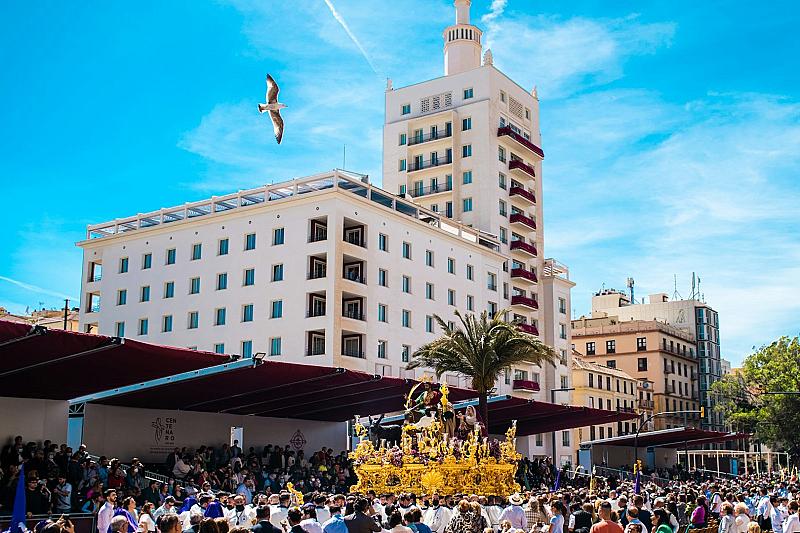
Semana Santa (Holy Week) is arguably Spain's most emotionally powerful and visually stunning festival. In the week leading up to Easter Sunday, cities and towns across the country fill with solemn religious processions, haunting music, clouds of incense, and enormous ornate floats (pasos) carried by hundreds of robed nazarenos.
 April
April
Feria de Abril
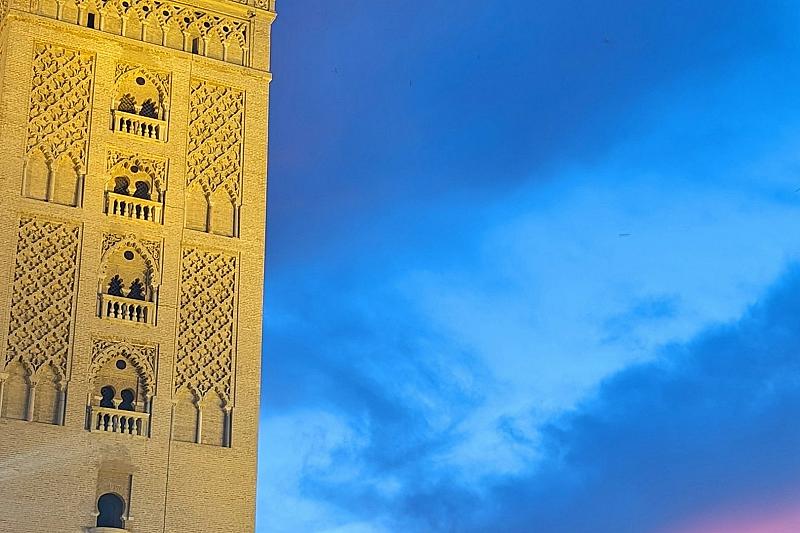
The Feria de Abril (April Fair) of Seville is one of the most joyful and glamorous festivals in Spain — a six-day explosion of flamenco, fine horses, manzanilla sherry, and sevillana dancing that transforms the city's fairgrounds into the most colourful party in Andalusia.
 June
June
Granada International Festival of Music and Dance
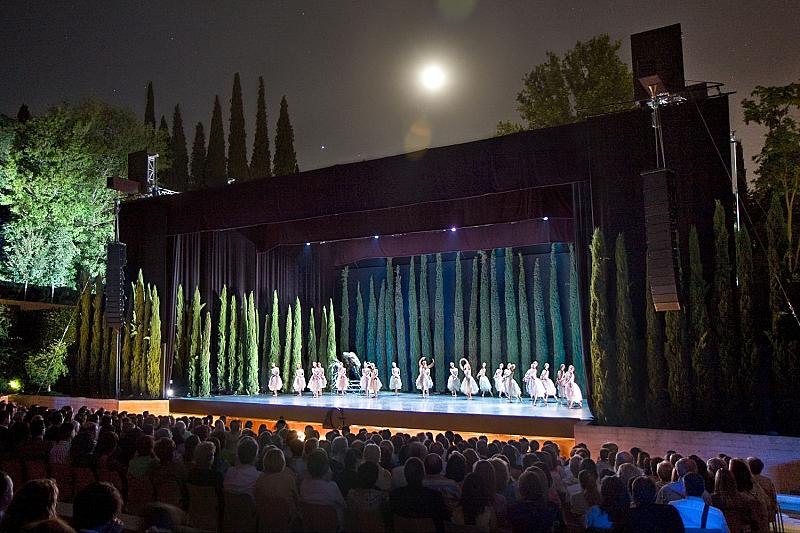
One of Europe's most prestigious performing arts festivals, held in stunning venues including the Alhambra and Generalife gardens. Since 1952, world-class ballet, flamenco, classical music, and opera.
 May
May
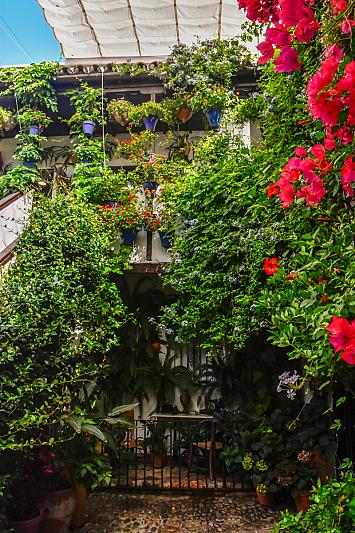
Festival de los Patios de Córdoba
Every May, the residents of Córdoba open the doors of their private courtyards, revealing breathtaking displays of flowers, ceramics and fountains. Declared UNESCO Intangible Cultural Heritage in 2012, this is one of Spain's most beautiful and photogenic traditions.
 February
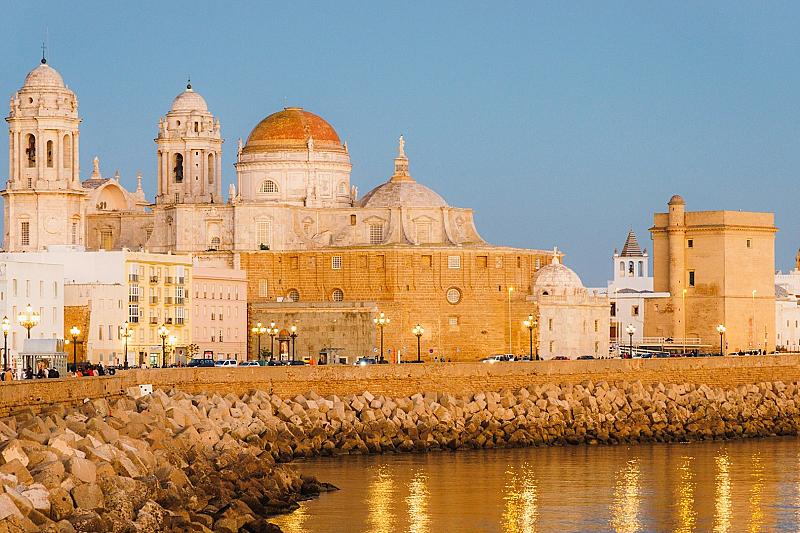
Carnaval de Cádiz
The Carnaval de Cádiz is widely considered Spain's greatest and most original carnival — not for its parade floats or samba schools, but for something uniquely gaditano: the chirigotas, comparsas, and coros — satirical singing groups who spend months composing sharp, political, and hilarious songs performed on the streets and in competition at the Gran Teatro Falla.
 March
March
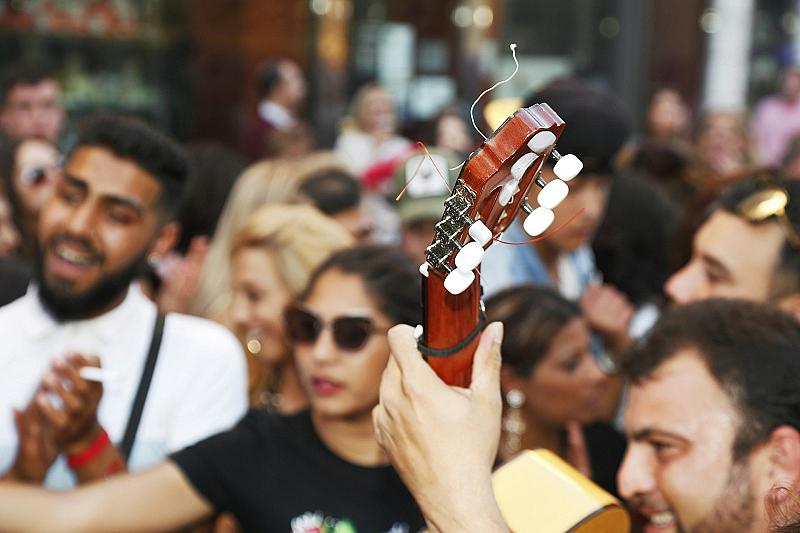
Semana Santa de Málaga
Málaga's Semana Santa is one of Spain's most emotional and spectacular Holy Week celebrations. Famous for its massive tronos (processional thrones) carried by hundreds of bearers, the spontaneous singing of saetas, and the unique tradition of releasing a prisoner, it draws over a million visitors every spring.
 April
April
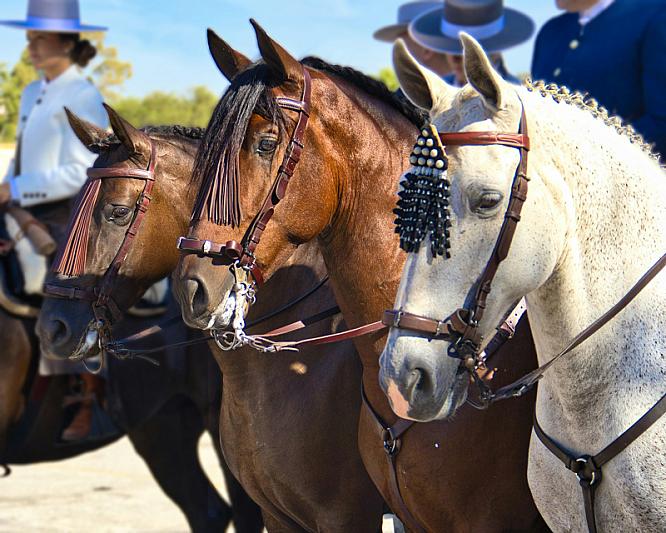
Feria del Caballo de Jerez
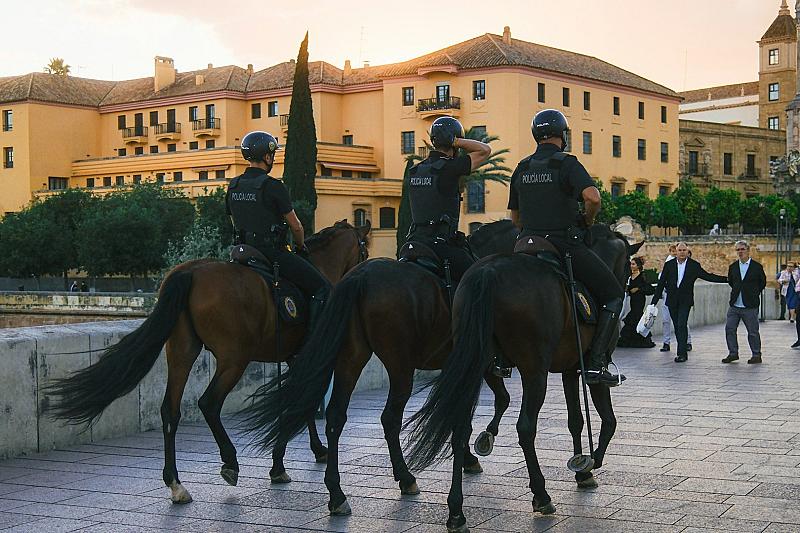
The Feria del Caballo in Jerez de la Frontera is Spain's most elegant spring fair, where Andalusian pure-bred horses take centre stage alongside flamenco, sherry tasting and spectacular equestrian shows. Declared a Fiesta of International Tourist Interest.
 May
May
Romería del Rocío
The Romería del Rocío is one of the most extraordinary religious and cultural events in the world — a mass pilgrimage to the shrine of the Virgen del Rocío (the White Dove) in the village of El Rocío, on the edge of the Doñana National Park in Huelva, Andalusia.
 September
Fiesta de la Vendimia
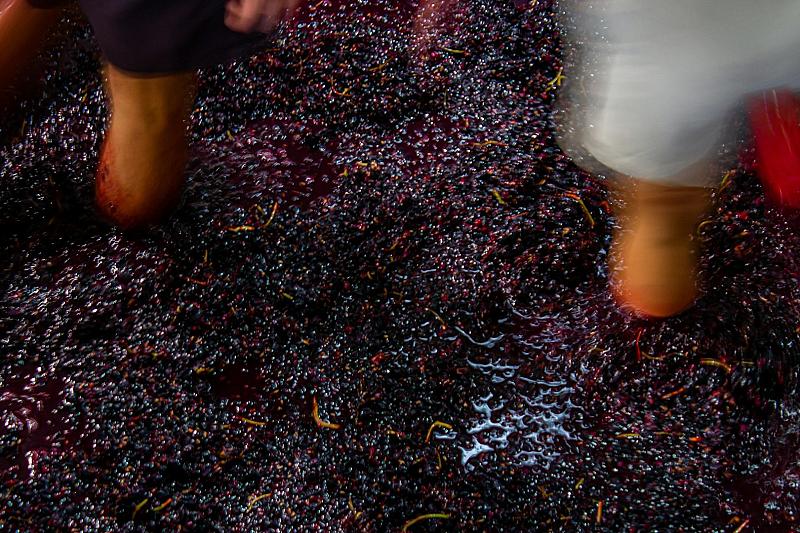
The Fiesta de la Vendimia in Jerez de la Frontera celebrates the sherry grape harvest every September. This elegant festival blends centuries-old winemaking traditions with flamenco, equestrian shows, and the warm hospitality of Andalusia. If you love wine, culture, and Spanish tradition, this is your festival.
 May
May
Feria de Córdoba
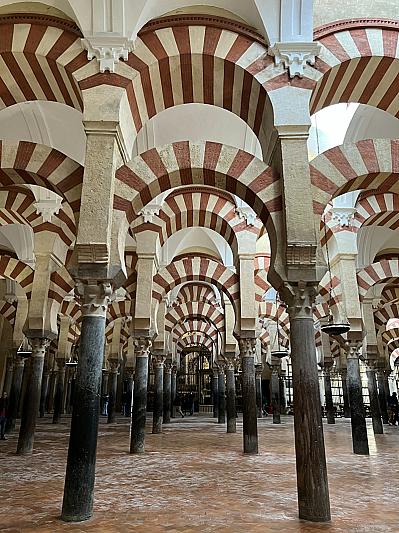
The Feria de Córdoba, held in late May at the El Arenal fairground, is a more intimate and accessible alternative to Seville's Feria de Abril. Open casetas, horse parades, and flamenco make it a quintessential Andalusian experience without the overwhelming crowds.
 May
May
Cruces de Mayo de Granada
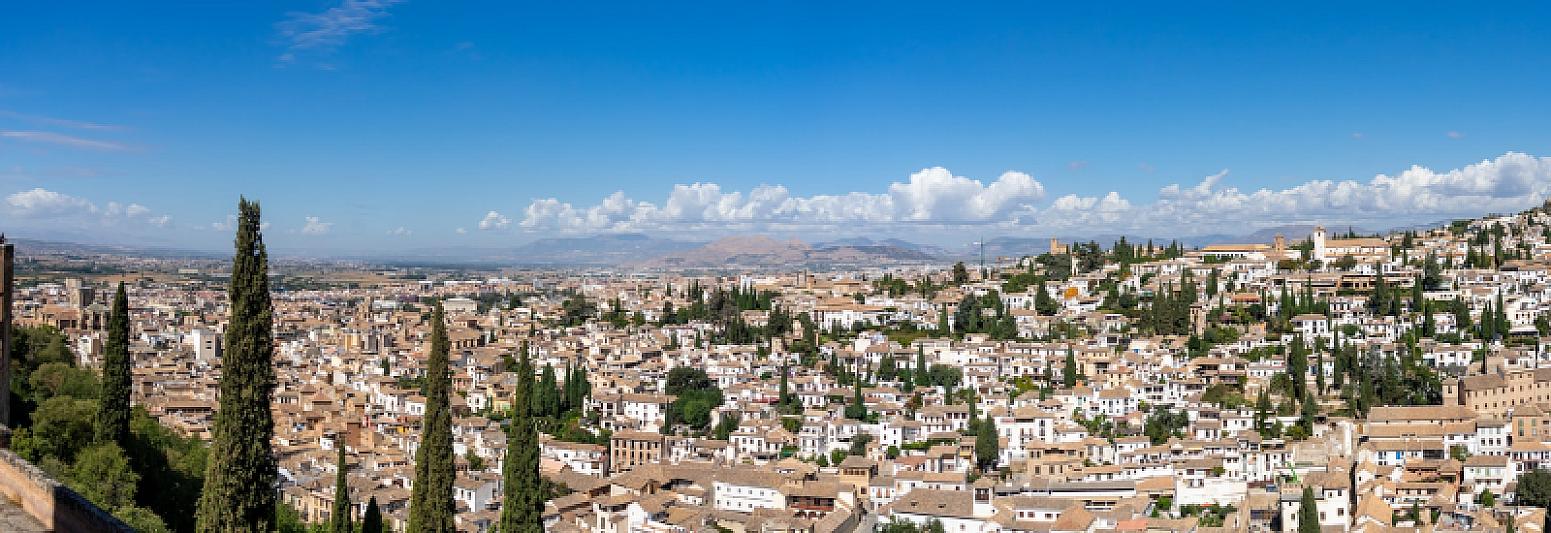
On May 3rd, Granada's plazas and streets fill with giant crosses lavishly decorated with flowers, surrounded by makeshift bars, flamenco music, and the aroma of free tapas. Neighbourhoods compete for the most beautiful cross in one of Andalusia's most joyful spring celebrations.
Carreras de Caballos de Sanlúcar
Since 1845, English-style horse races along the shore at low tide. Two three-day cycles in August with Doñana National Park as backdrop.
How to Get There
Andalusia is served by four main airports: Málaga (the busiest, with extensive European budget-carrier routes), Seville, Granada and Jerez. High-speed AVE trains connect Madrid to Seville in under 2.5 hours and to Málaga in under 3, making the region easily reachable without flying. Within Andalusia, trains and buses link the main cities well, though a car is useful for reaching smaller festival towns and the white villages of the interior.
Tips & Advice
Book well ahead for Semana Santa and Feria de Abril in Seville — these are the region's two biggest draws and hotel prices multiply accordingly. Inland Andalusia is genuinely one of the hottest places in Europe in July and August, so spring (March–May) and autumn (September–October) are the more comfortable times to combine festival-going with sightseeing. Many festivals are religious processions rather than parties — dress and behave accordingly if attending Semana Santa.