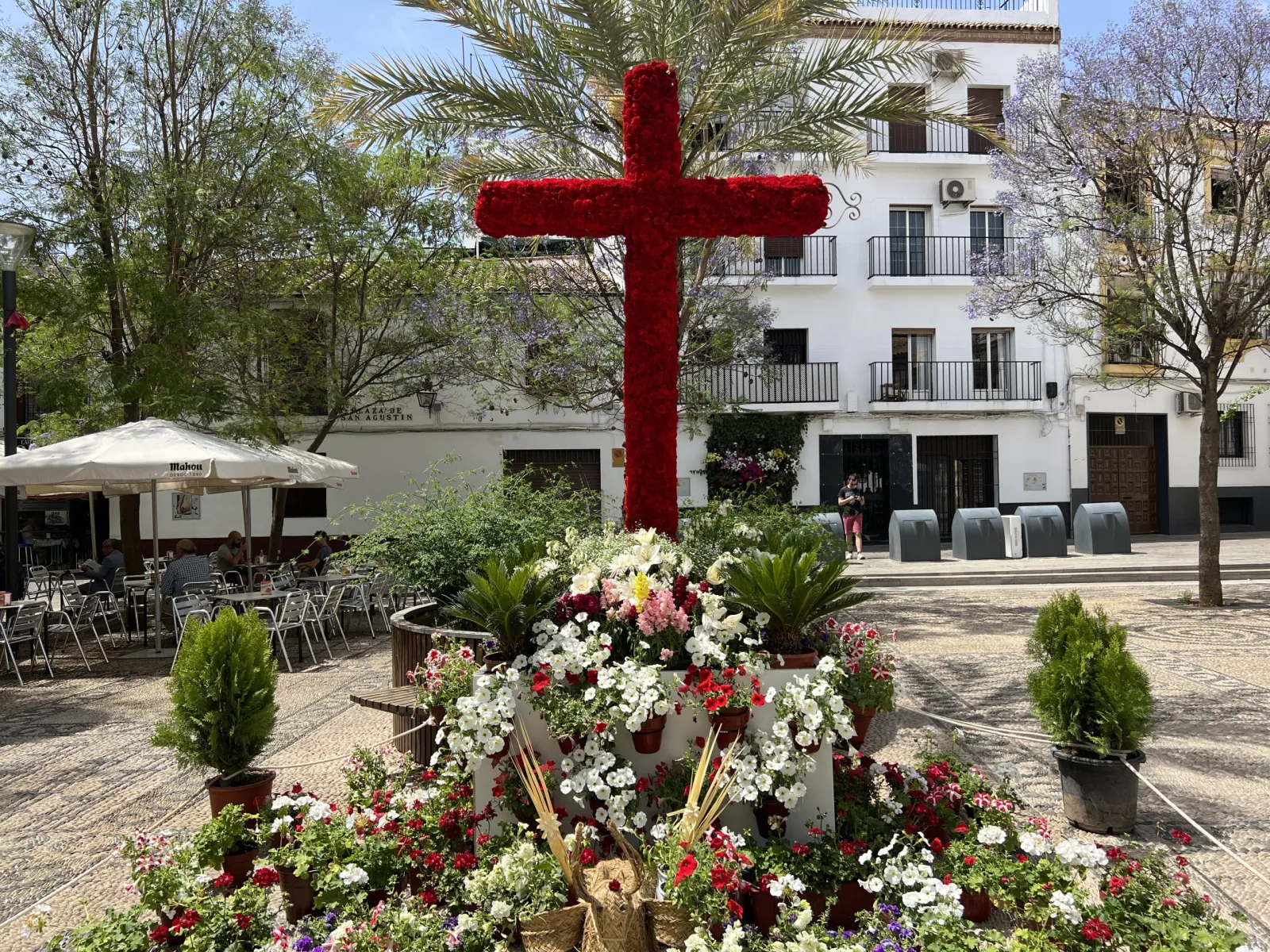
Cruces de Mayo in Córdoba
For five days at the turn of April and May, Córdoba's brotherhoods and neighbourhood groups cover crosses in carnations, dress the squares with potted flowers and open a bar beside each one. The Cruces de Mayo run from 28 April to 2 May 2027, between the Batalla de las Flores and the Patios festival.
Highlights
Around fifty crosses covered in carnations, 52 of them in the 2026 municipal contest
A bar beside every cross, run by brotherhoods and neighbourhood groups to fund their year
Prize-giving tradition documented since the 1920s and relaunched with a city contest in 1953
Perfectly placed between the Batalla de las Flores (25 April) and the Patios festival (3–16 May 2027)
Date & Schedule
| Detail | Info |
|---|---|
| Cruces de Mayo 2027 | Wednesday 28 April – Sunday 2 May 2027 |
| Season opener | Batalla de las Flores, Sunday 25 April 2027 |
| Patios festival | 3–16 May 2027 |
| Feria de Córdoba | 22–29 May 2027 |
| Crosses in the 2026 contest | 52, built by brotherhoods and associations |
| Entry | Free; the bar at each cross sells food and drink |
| Location | Squares across Córdoba, Andalusia |
2027 planning note: Córdoba's Junta de Gobierno Local approved the 2027 festival calendar on 5 October 2026, fixing the Cruces de Mayo contest, together with the Certamen de Academias for dance schools, for 28 April–2 May. The list of crosses, their exact locations and opening hours are published closer to the date, so the practical details below come from the 2026 edition: use them as a guide, not as the 2027 programme, which is still to be confirmed.
What Are the Cruces de Mayo?
Each spring, Córdoba's Holy Week brotherhoods, neighbourhood associations, peñas and other groups each build a cross several metres tall, cover it in carnations, usually red and sometimes white, and dress the ground around it with potted geraniums, flowers and traditional Andalusian decoration. Beside every cross stands a bar run by the organisers, and that bar is what turns a decoration into a party: rebujito and beer, flamenquines and pinchitos, sevillanas on the speakers and people moving from cross to cross until late. The takings help fund the brotherhoods and associations for the rest of the year.
This page covers the crosses of Córdoba city. Granada celebrates its own Cruces de Mayo around 3 May, with a different character.
The Municipal Contest
The Ayuntamiento judges the crosses in three categories: the historic centre (casco histórico), the modern districts (zonas modernas) and enclosed venues (recintos cerrados) such as courtyards and schools. In 2026 each category paid €2,000, €1,260 and €980 for first to third place, and the jury could add smaller extra prizes. The council publishes a map of the participating crosses before the festival, which is the easiest way to plan a route.
Where to Find the Crosses
The densest cluster is in the old town. In 2026 crosses stood in squares such as Plaza de las Cañas, Plaza Jerónimo Páez (beside the Archaeological Museum), Plaza de San Agustín, Plaza del Conde de Priego, Plaza de la Magdalena, Plaza de San Pedro, Plaza de la Trinidad, Plaza de San Andrés and Plaza del Rector, most of them within a short walk of each other, so you can see a dozen in an afternoon. The crosses in the modern districts, such as Avenida de Fray Albino or Bulevar Hernán Ruiz in 2026, feel more local and less crowded. Locations change a little each year: check the 2027 map before you set off.
Opening Hours and Music
In 2026 the crosses opened at 12:00 on Wednesday 29 April and closed at 16:00 on Sunday 3 May. Music ran until 02:00 every night except the first, when it stopped at midnight, and every cross had to switch it off between 16:00 and 19:00 so that residents could rest, although the bars stayed open. Expect similar rules in 2027, but confirm them once the council publishes the new edition's conditions.
How the Crosses Fit Into Córdoba's May
May is Córdoba's festival month and the crosses are its second act. The Batalla de las Flores opens the season on Sunday 25 April 2027: floats carrying women in flamenco dress and men in traje corto parade along the Paseo de la Victoria and throw carnations into the crowd, in an event organised by the Federación de Peñas Cordobesas. The crosses follow from 28 April to 2 May, and the day after they close, the Festival de los Patios opens the city's flower-filled courtyards to visitors (3–16 May 2027). The month ends with the Feria de Córdoba, 22–29 May. A trip from Friday 30 April to Monday 3 May 2027 gives you the last weekend of crosses and the opening day of the patios.
Where to Stay
- Historic centre and Judería – walking distance to most crosses and to the Mezquita-Catedral
- San Agustín, Santa Marina and San Pedro – neighbourhood squares full of crosses; lively, so expect music until late
- Near the station and Ciudad Jardín – practical for AVE arrivals and usually quieter at night
Book early: the Patios fortnight starts the day after the crosses end, and May is the busiest month for Córdoba's hotels.
Weather in Late April and Early May
- Afternoons usually in the mid-20s °C; nights noticeably cooler
- Spring showers are possible: rain fell on the opening day in 2026
- Bring a light jacket for late evenings and sun protection for afternoon walks
Read More
For a walking route through the crosses, see our Cruces de Mayo Córdoba guide. For the rest of the region and the season, browse the Andalusia festival guide and the festivals in Spain in May.
Gallery
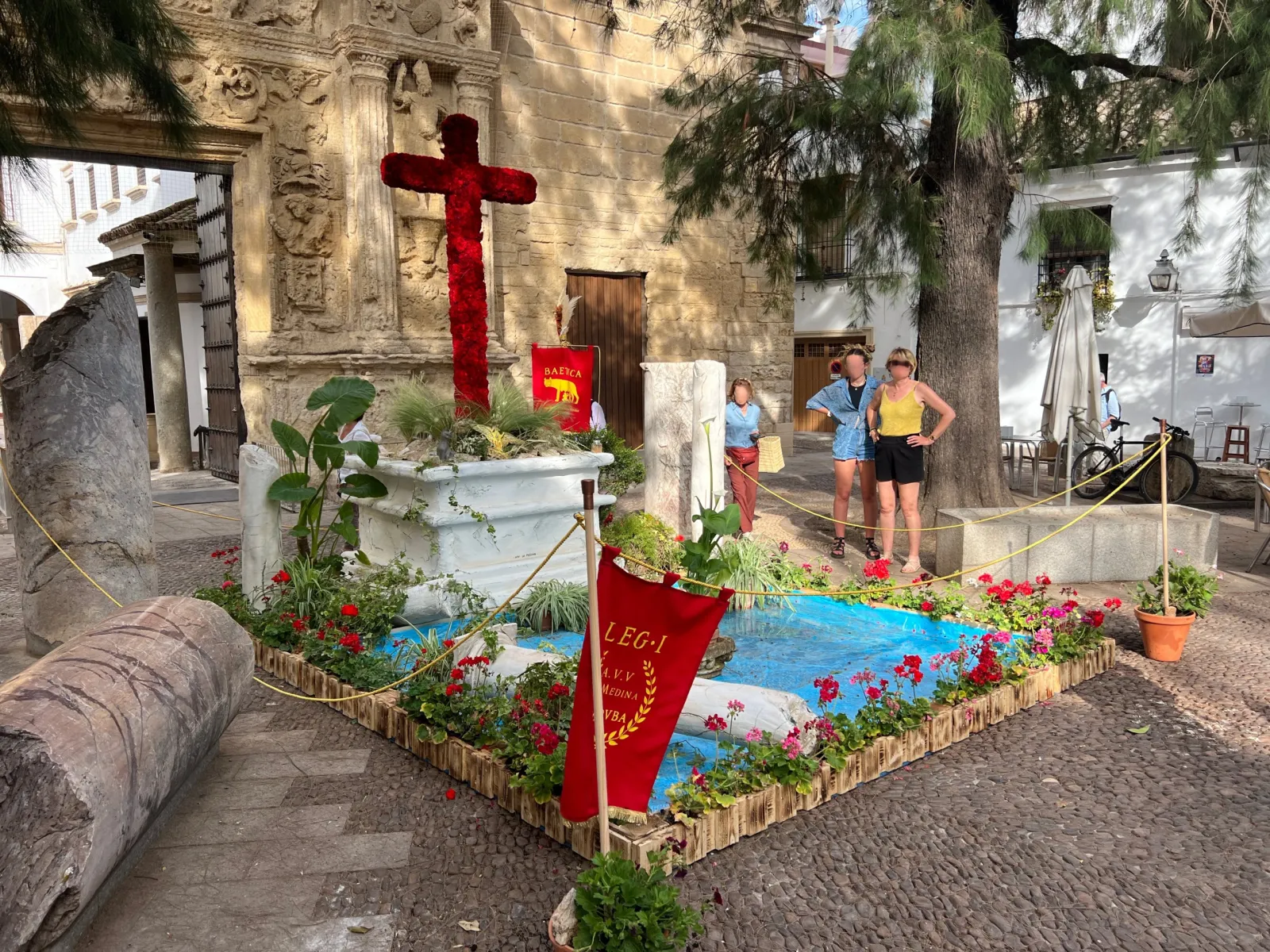
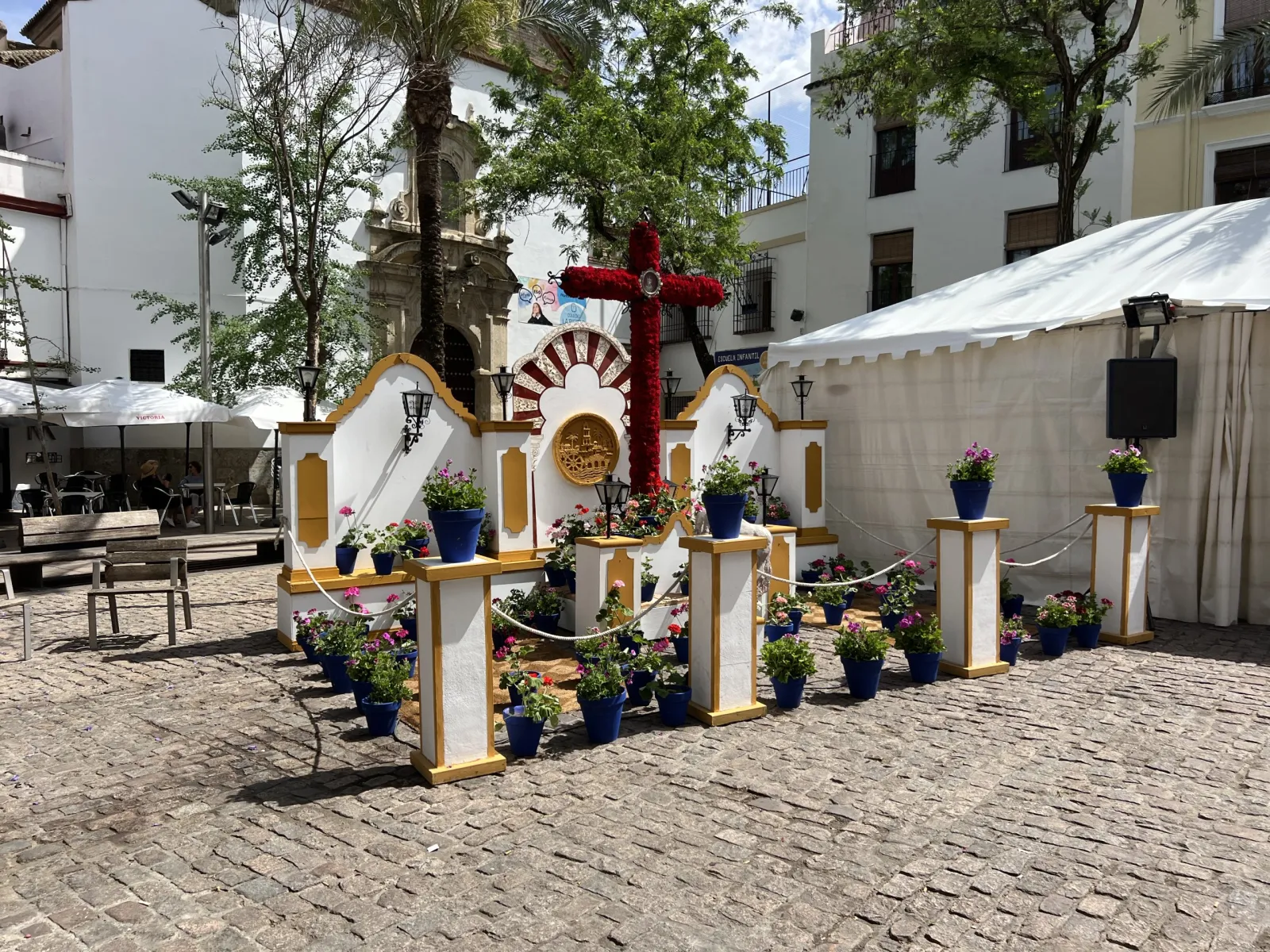
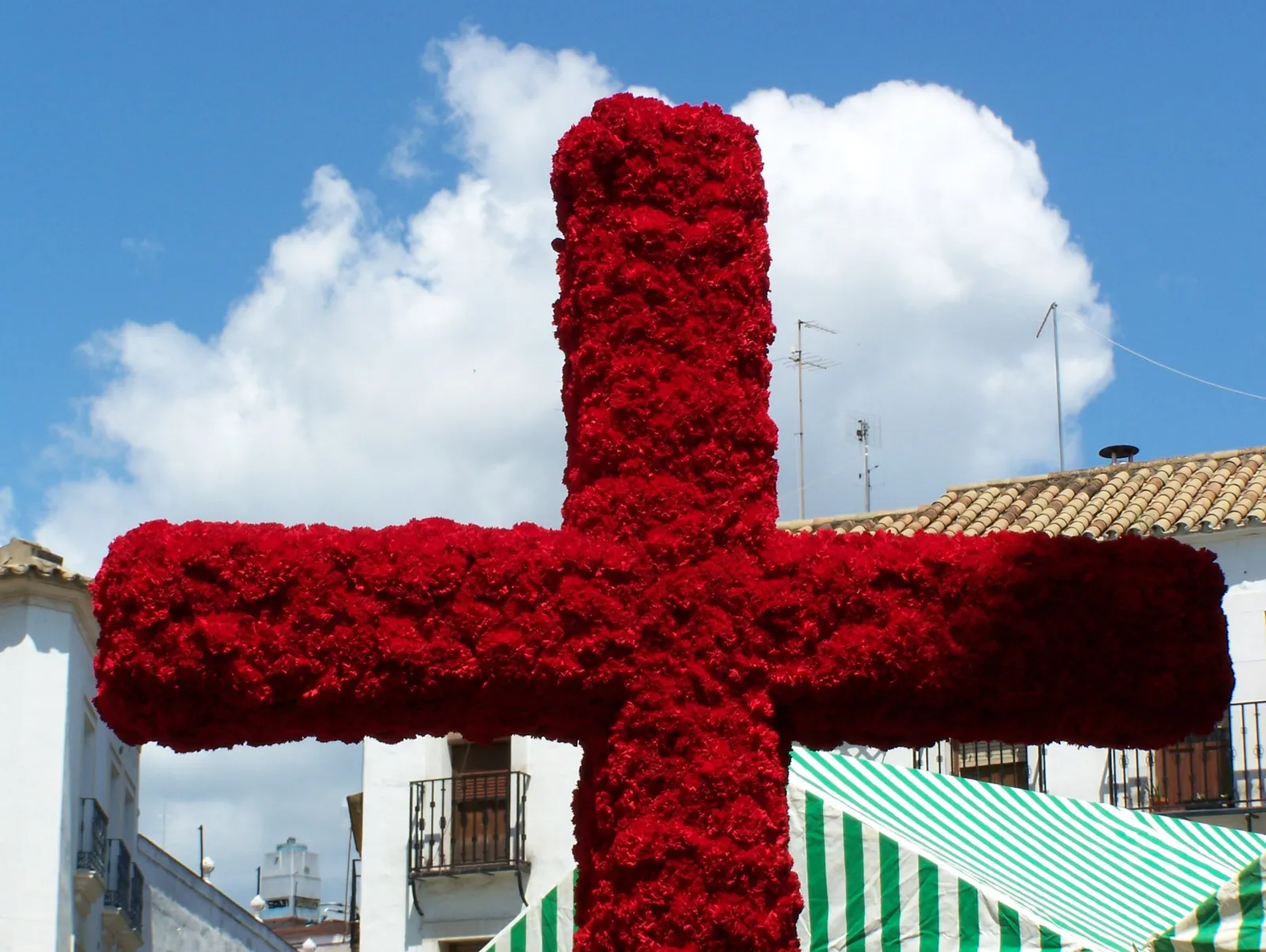
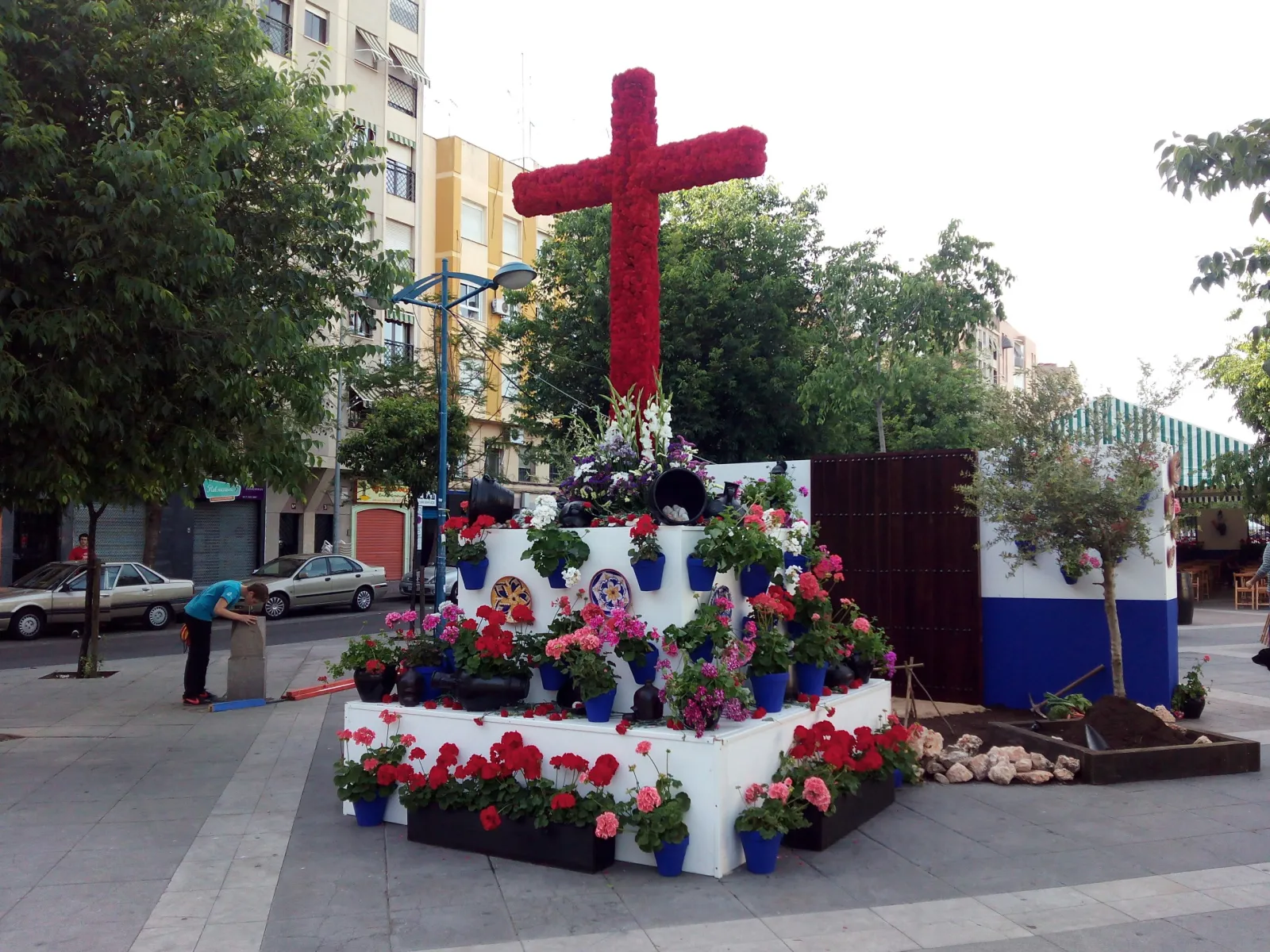
History & Origins
Nobody knows exactly when Córdoba began raising flower crosses in May. Some link the custom to pagan spring celebrations, others to the feast of the Holy Cross on 3 May, which recalls Saint Helena's finding of the True Cross. What is documented is how the crosses moved. The first ones were small and private, set up inside the shared courtyards of the casas de vecinos, where families welcomed visitors with lemonade or a pot of snails.
The Ayuntamiento was already awarding prizes in the 1920s: a 1927 issue of the magazine Córdoba Gráfica shows a prize-winning cross in the Plaza de la Lagunilla. By 1940 neighbours in the Plaza del Moreno were dressing a cross in the street. The custom faded in the 1930s and almost vanished during the Civil War, then revived in the 1950s, when the council of mayor Antonio Cruz Conde promoted it through contests; the 1953 contest offered a first prize of 5,000 pesetas. Peñas began building crosses in that decade, and in 1974 the brotherhood of Jesús Nazareno entered a cross with a bar run by its members, the model that almost every cross follows today. By 2024 more than half of the 46 crosses in the municipal contest belonged to brotherhoods, alongside neighbourhood associations, peñas and other groups.
What to Expect
By day the crosses are a flower show: families, photographers and visitors stroll from square to square admiring the carnations, the potted geraniums and the decoration around each base, and the bars serve a quiet rebujito in the shade. From early evening the mood changes. Music goes up, the squares with several crosses close together fill with young people, and sevillanas and pop play until the music cut-off at 02:00. Expect queues at the busiest bars, crowded old-town lanes after dark and a lot of noise in the neighbourhoods that host several crosses, a long-standing concern for residents. The afternoon break in the music, from 16:00 to 19:00 in 2026, is the calmest time to look at the crosses and take photos. Prices are bar prices, nothing more, and walking between crosses costs nothing.
How to Get There
By train (AVE): Córdoba is on the Madrid–Seville high-speed line: about 1h45 from Madrid, 45 minutes from Seville and around 1 hour from Málaga. From Córdoba station, the old town is a 20–25 minute walk or a short taxi ride.
By air: The nearest airports with international flights are Seville and Málaga; from either, continue by train.
By car: The A-4 links Córdoba with Madrid and Seville. Parking in the historic centre is very limited, so leave the car at your hotel or in a car park outside the old town and walk.
Tips & Advice
Are the Cruces de Mayo free? Yes. Visiting the crosses costs nothing; you only pay for what you eat and drink at the bars, which fund the brotherhoods and associations.
When are the 2027 dates? The city's 2027 calendar sets the crosses for 28 April–2 May 2027. Opening hours, music rules and the list of crosses are confirmed nearer the time.
What is the best time to visit? Late morning and the afternoon music break are best for seeing the flowers and taking photos; evenings are for the atmosphere. Friday and Saturday nights are the busiest.
Can I combine the crosses with the Patios? Yes. In 2027 the Patios festival starts on 3 May, the day after the crosses close, so a long weekend from 30 April to 3 May covers both.
How should I behave? People live in these squares: keep noise down when the music stops, use the bins and follow the stewards and the police.
Plan Your Trip
Book accommodation and transport for this festival. Get the best deals on hotels and train tickets.
This page contains affiliate links. We may earn a commission at no extra cost to you.
Photos: Chabe01 / CC BY-SA 4.0 / Wikimedia Commons; pedronchi / CC BY 2.0 / Wikimedia Commons; Américo Toledano / CC BY-SA 4.0 / Wikimedia Commons
 May
Cruces de Mayo de Granada
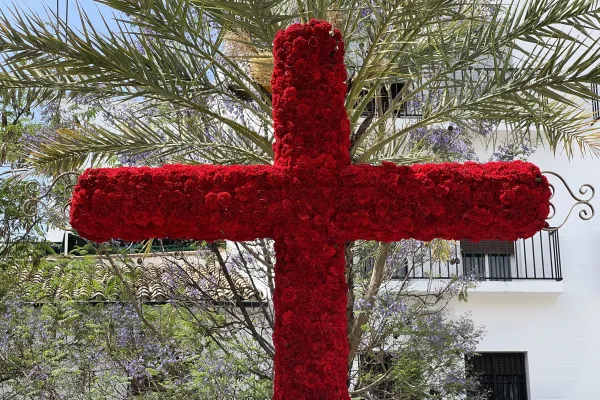
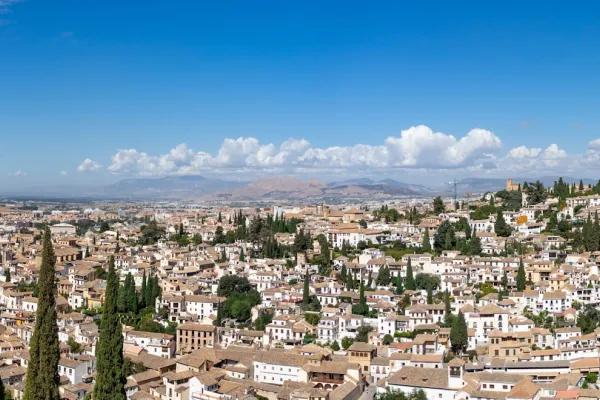
On May 3rd, Granada's plazas and streets fill with giant crosses lavishly decorated with flowers, surrounded by makeshift bars, flamenco music, and the aroma of free tapas. Neighbourhoods compete for the most beautiful cross in one of Andalusia's most joyful spring celebrations.
 May
Feria de Córdoba
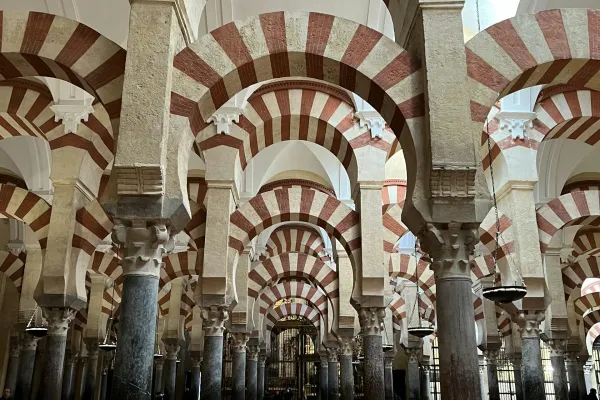
The Feria de Córdoba, held in late May at the El Arenal fairground, is a more intimate and accessible alternative to Seville's Feria de Abril. Open casetas, horse parades, and flamenco make it a quintessential Andalusian experience without the overwhelming crowds.
 April
Feria de Abril
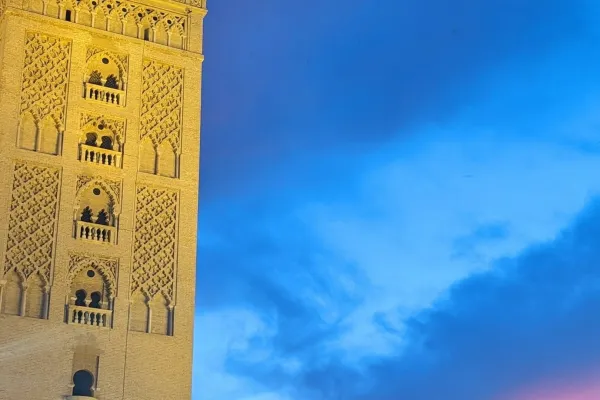
The Feria de Abril (April Fair) of Seville is one of the most joyful and glamorous festivals in Spain — a six-day explosion of flamenco, fine horses, manzanilla sherry, and sevillana dancing that transforms the city's fairgrounds into the most colourful party in Andalusia.
 April
Feria del Caballo de Jerez
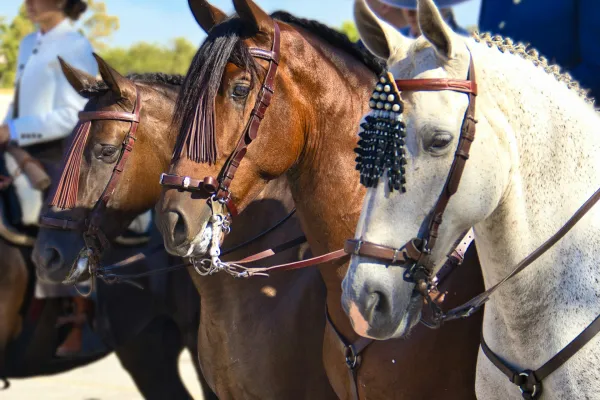
The Feria del Caballo in Jerez de la Frontera is Spain's most elegant spring fair, where Andalusian pure-bred horses take centre stage alongside flamenco, sherry tasting and spectacular equestrian shows. Declared a Fiesta of International Tourist Interest.