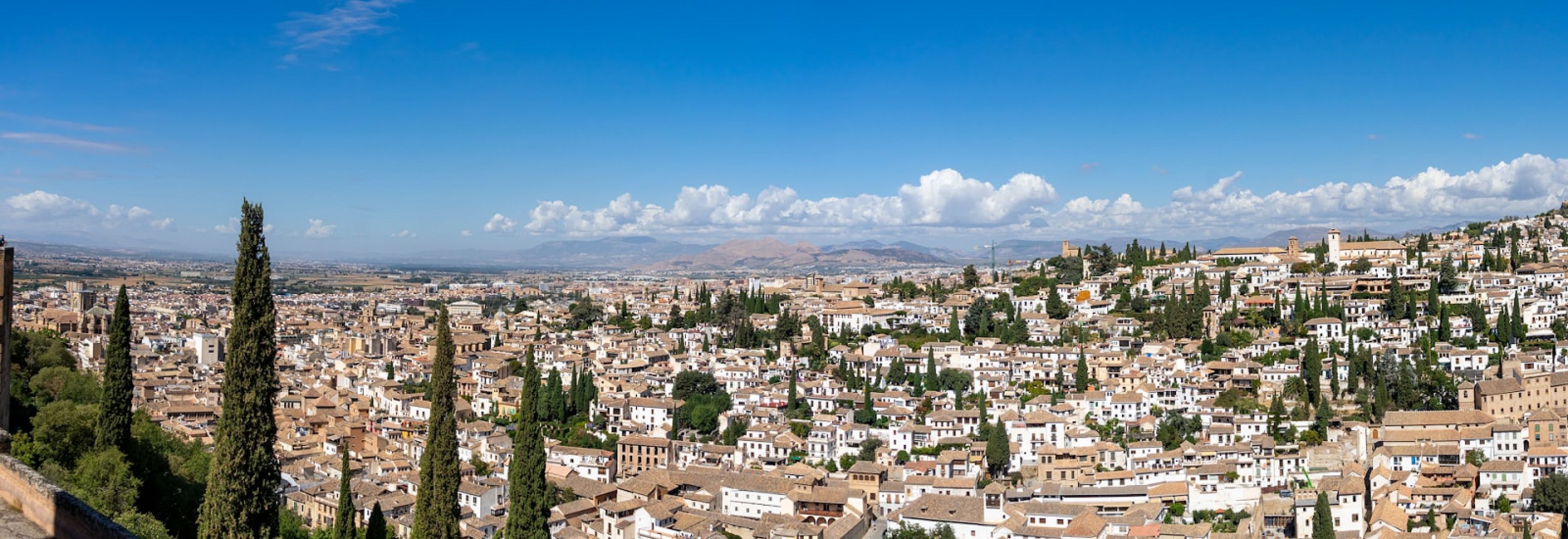
Cruces de Mayo de Granada
On May 3rd, Granada's plazas and streets fill with giant crosses lavishly decorated with flowers, surrounded by makeshift bars, flamenco music, and the aroma of free tapas. Neighbourhoods compete for the most beautiful cross in one of Andalusia's most joyful spring celebrations.
Highlights
- Giant crosses decorated with thousands of red carnations
- Free tapas and drinks at each cross location
- Neighbourhoods compete for best decoration
- Live flamenco and music at every cross
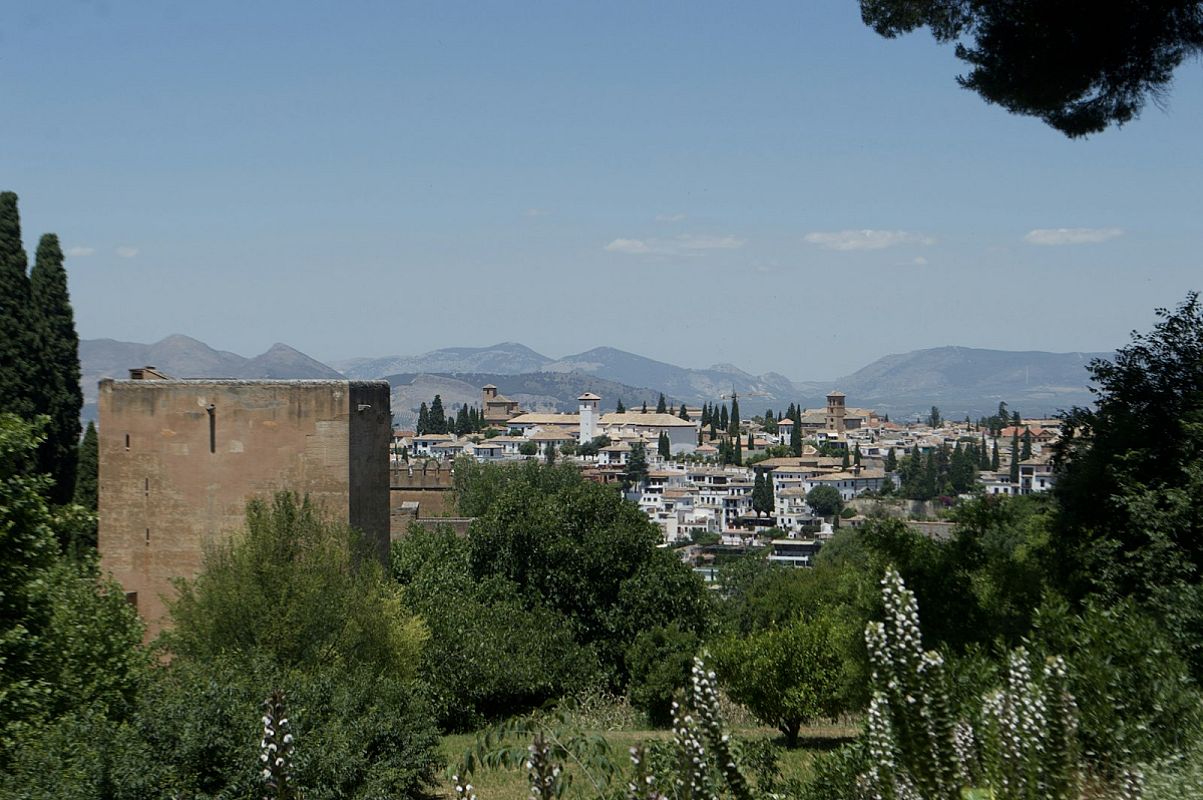
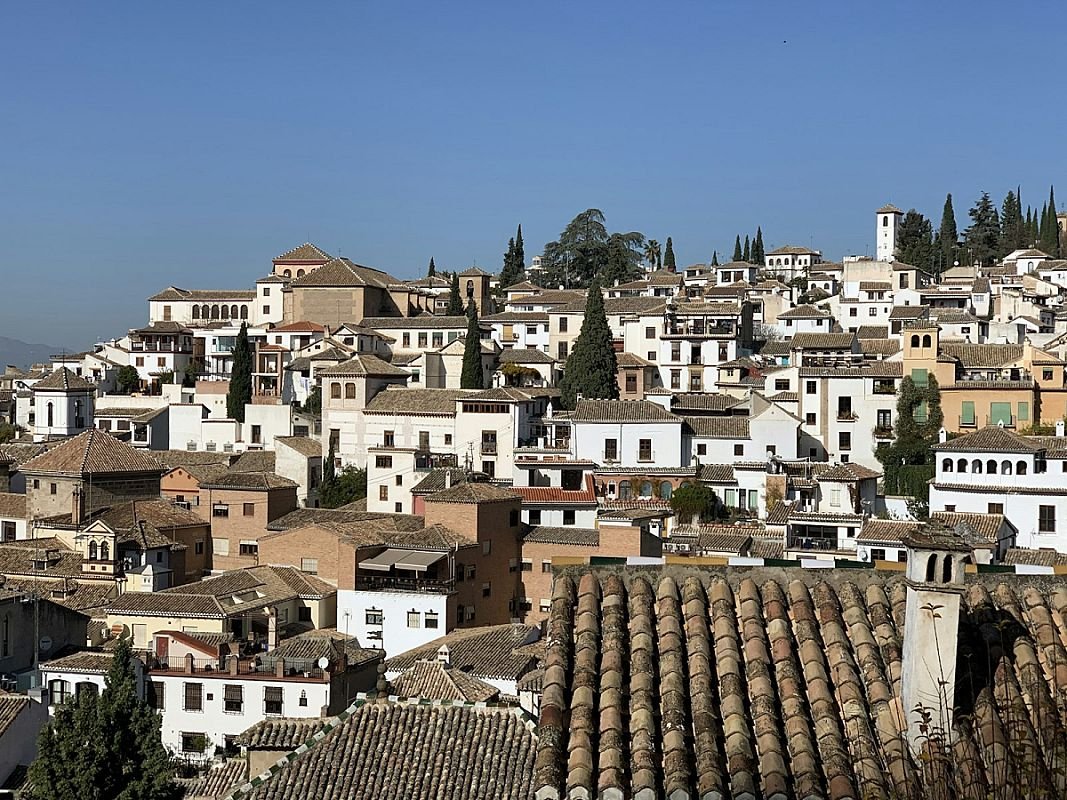
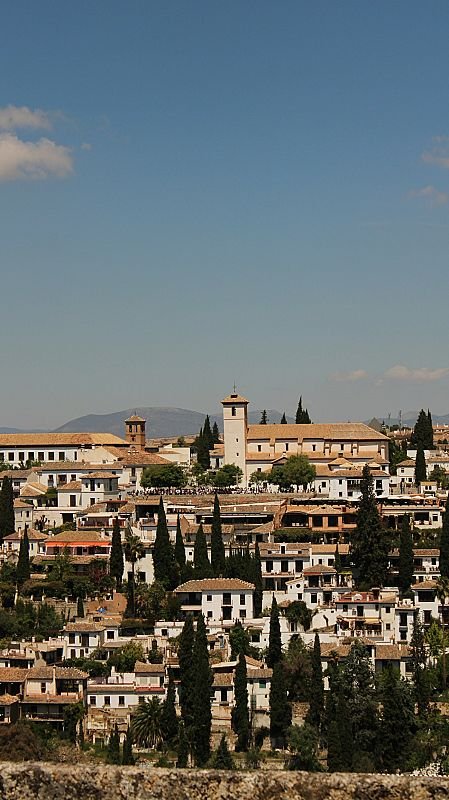
- Combine with visits to the Alhambra and Albaicín
- One of the most photogenic spring festivals in Spain
The Cruces de Mayo (May Crosses) is one of Granada's most beloved festivals. On May 3rd, neighbourhoods, associations, and businesses erect large crosses (up to 4 metres tall) in plazas and courtyards, decorating them with thousands of red carnations, shawls, and copper pots.
Each cross becomes the centrepiece of a mini street party, with bars set up around it serving free tapas and drinks. Live music — from flamenco to pop — fills the air as Granadinos hop from cross to cross, judging the decorations and enjoying the atmosphere.
The tradition is deeply competitive: a jury awards prizes for the best cross, and neighbourhoods invest significant time and money in their displays. The Albaicín, Realejo, and Plaza Bib-Rambla are traditional hotspots.
Gallery
History & Origins
The tradition of the May Cross has pre-Christian roots, linked to spring fertility rites. In Granada, it became Christianised and formalised in the early 17th century. The competitive element was introduced in the 20th century, transforming it from a religious observance into a beloved community festival.
What to Expect
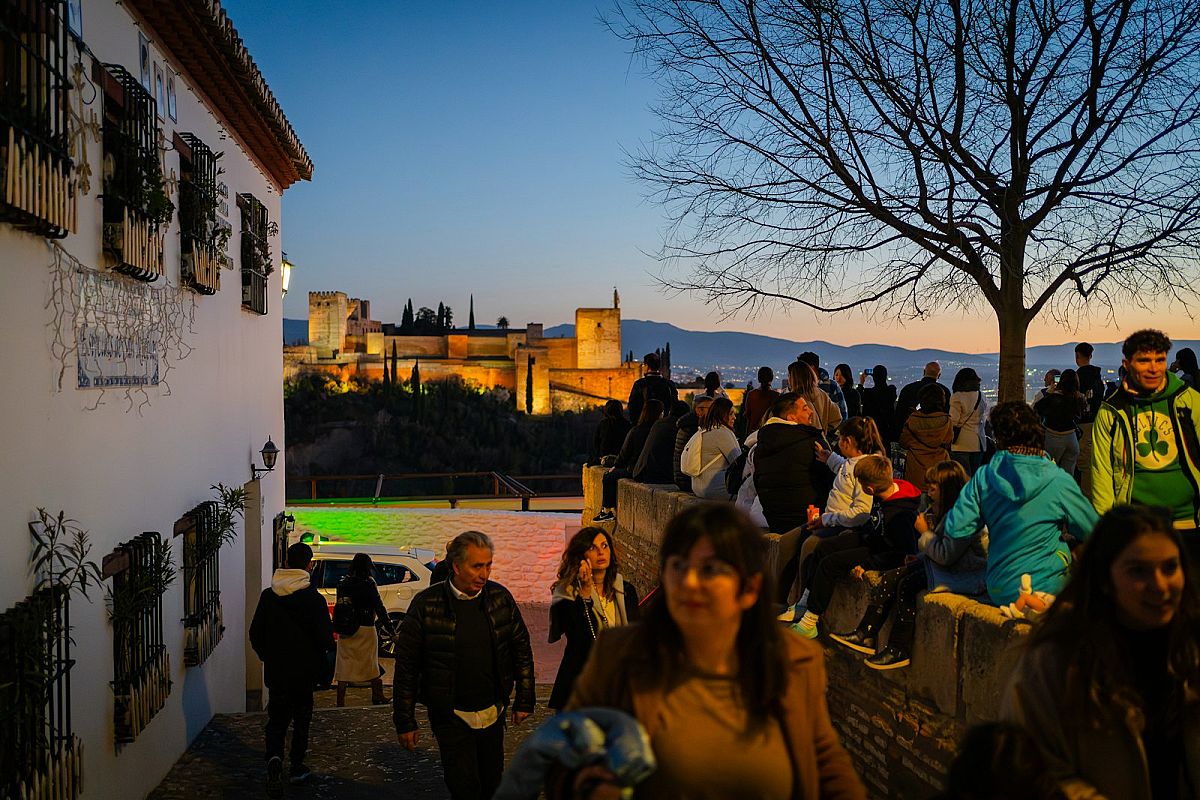
A massive city-wide party. Dozens of crosses are scattered across the city, each with its own character. The Albaicín's crosses have Alhambra views; Realejo's are artsy; the centre's are the most crowded. Expect to walk, eat, drink, and be surrounded by music all day and night.
How to Get There
By Air: Granada-Jaén Airport (GRX), 15 km. By Train: AVE from Madrid (3.5h), Antequera, and Barcelona. By Bus: ALSA from major Spanish cities.
Tips & Advice
- Start in Plaza Bib-Rambla and work outward
- The Albaicín crosses have the best views but steep climbs
- Wear comfortable shoes for cobblestone hills
- Many crosses serve free rebujito (sherry + lemonade)
- Book Alhambra tickets separately — they sell out months ahead
- Evening atmosphere is the best, from 20:00 onwards
Plan Your Trip
Book accommodation and transport for this festival. Get the best deals on hotels and train tickets.
This page contains affiliate links. We may earn a commission at no extra cost to you.
 March
March
Semana Santa
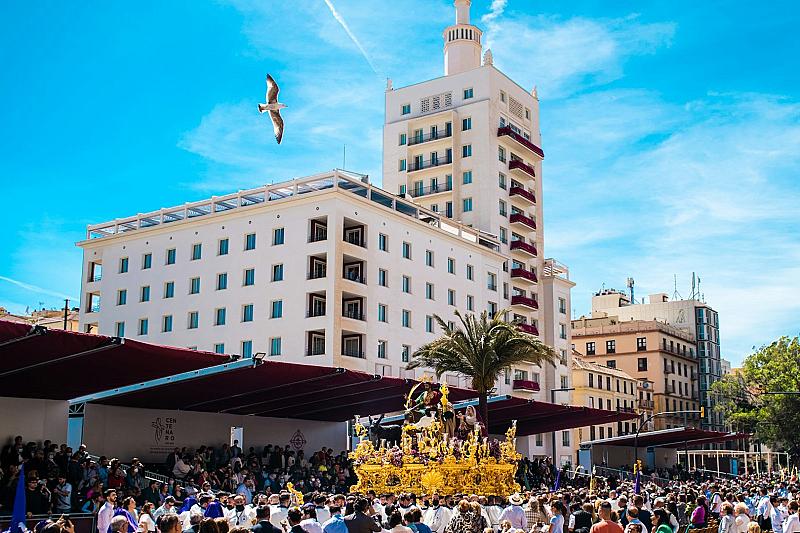
Semana Santa (Holy Week) is arguably Spain's most emotionally powerful and visually stunning festival. In the week leading up to Easter Sunday, cities and towns across the country fill with solemn religious processions, haunting music, clouds of incense, and enormous ornate floats (pasos) carried by hundreds of robed nazarenos.
Carreras de Caballos de Sanlúcar
Since 1845, English-style horse races along the shore at low tide. Two three-day cycles in August with Doñana National Park as backdrop.
 September
Bienal de Flamenco
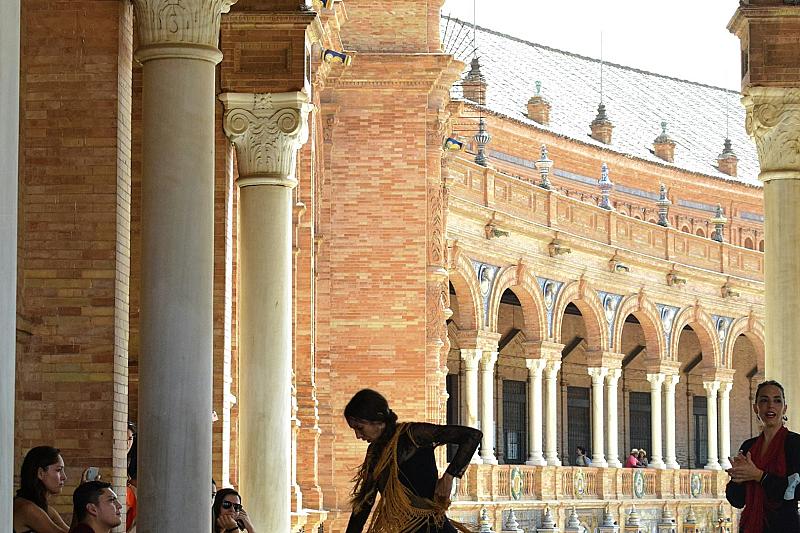
The Bienal de Flamenco de Sevilla is the most important flamenco event in the world. Held every two years in the spiritual home of flamenco, this month-long festival brings together the finest artists in cante (singing), baile (dance) and toque (guitar) for dozens of performances across Seville's most atmospheric venues. From legendary masters to boundary-pushing newcomers, the Bienal is where flamenco's past, present and future converge.
 May
May
Festival de los Patios de Córdoba
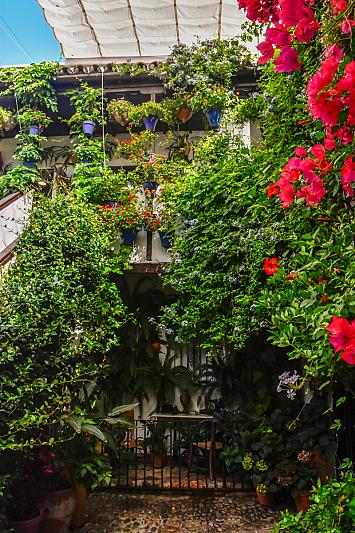
Every May, the residents of Córdoba open the doors of their private courtyards, revealing breathtaking displays of flowers, ceramics and fountains. Declared UNESCO Intangible Cultural Heritage in 2012, this is one of Spain's most beautiful and photogenic traditions.