Zambombas de Jerez
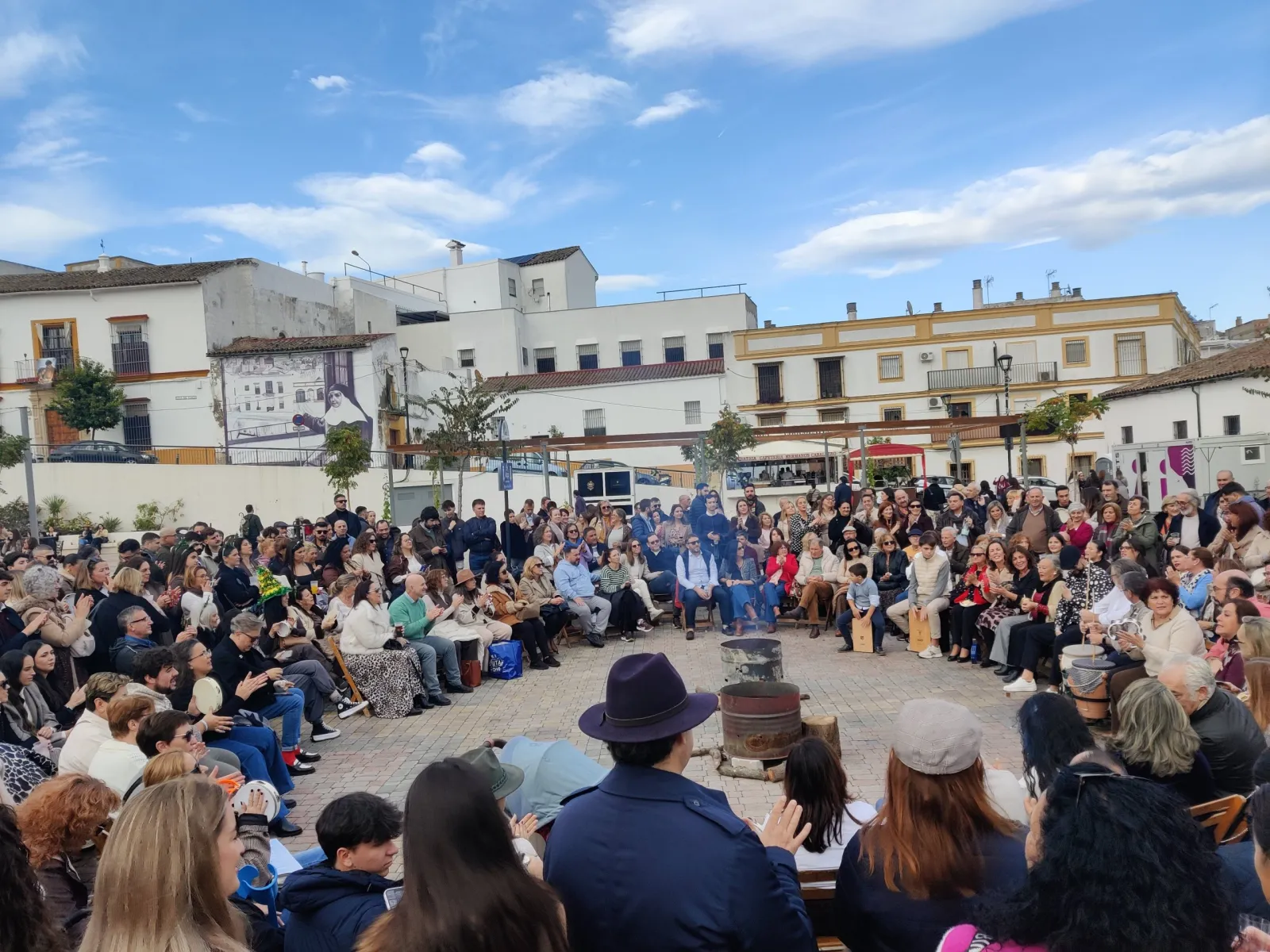
Every Christmas, Jerez de la Frontera sings its carols the flamenco way. At a zambomba, neighbours, brotherhoods and peñas gather in a circle, often around a fire, to sing villancicos to the growl of a clay friction drum, with palmas, panderetas and dancing in the middle. The 2026 season runs from 20 November to 25 December.
Highlights
Christmas carols sung with flamenco rhythm, palmas and dancing in the middle of the circle
A Bien de Interés Cultural since 2015, shared by Jerez and Arcos de la Frontera
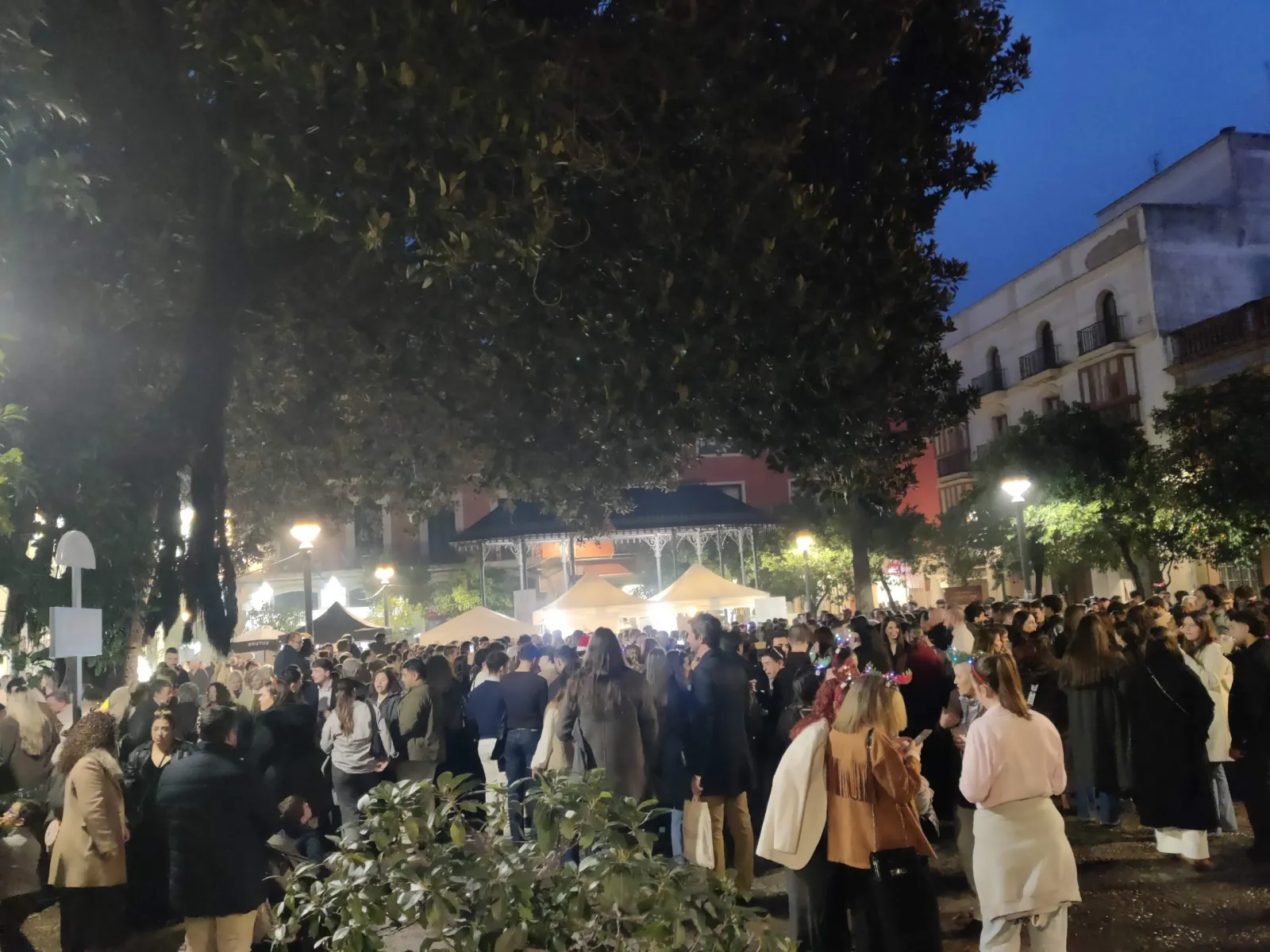
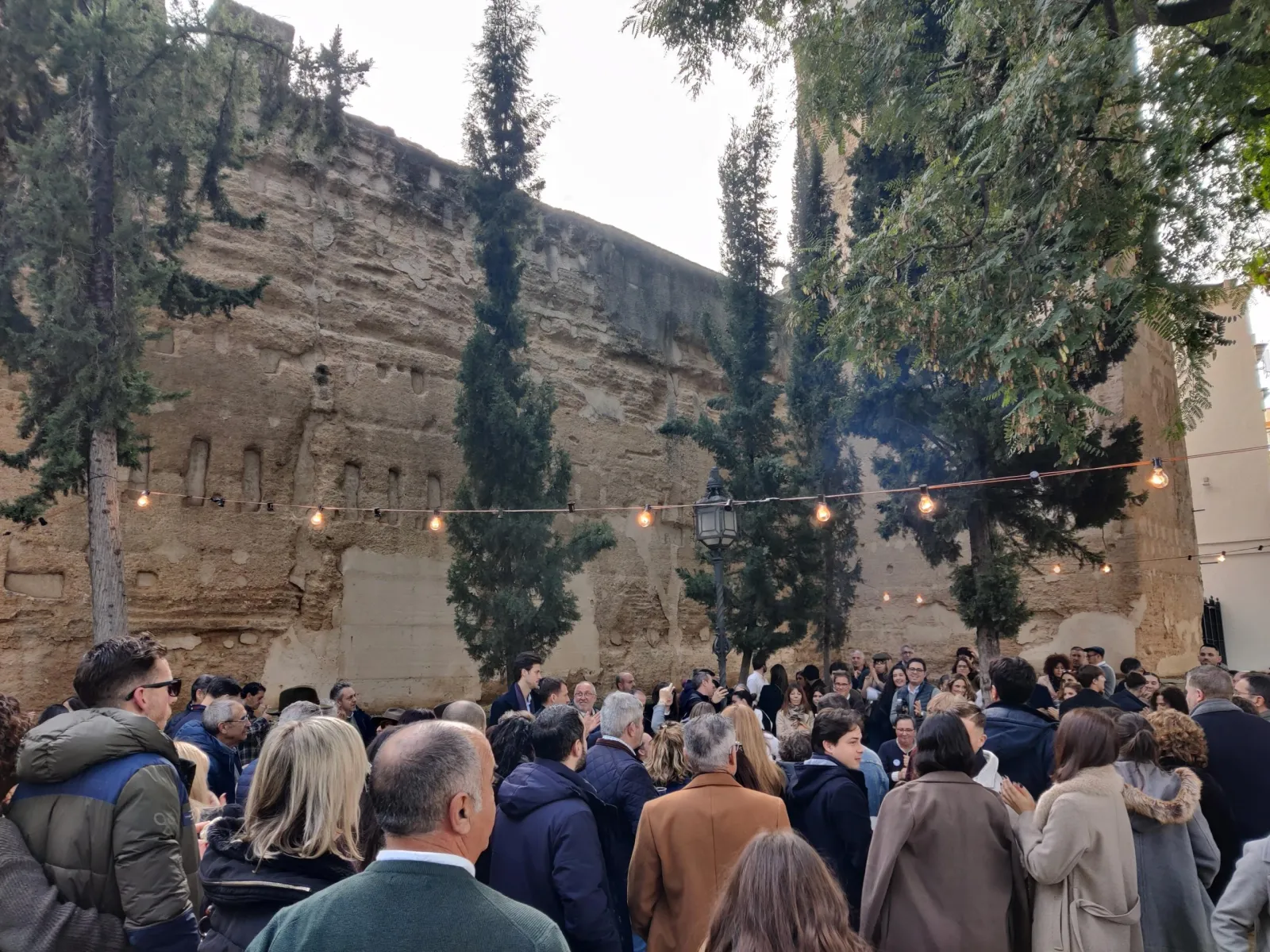
Free brotherhood and neighbourhood zambombas in the squares of the old town
A five-week season in 2026, from 20 November to 25 December
Date & Schedule
| Detail | Info |
|---|---|
| Zambomba season 2026 | Friday 20 November – Friday 25 December 2026 |
| Busiest days | December weekends and the 6 and 8 December holidays |
| Private and licensed-venue zambombas | 15:00–00:00, no authorisation needed |
| Street zambombas | Non-profit organisers only, never later than 02:00 |
| Heritage status | Bien de Interés Cultural since December 2015, shared with Arcos de la Frontera |
| Entry | Most neighbourhood, brotherhood and bar zambombas are free; bodega shows are ticketed |
| Location | Jerez de la Frontera (Cádiz), Andalusia |
2026 planning note: The municipal bando published in early October 2026 sets the zambomba period from 20 November to 25 December, both days included, and brings back the city's Concurso de Zambombas. Authorised zambombas are listed on the council's Christmas portal during the season; when we checked on 28 October the 2026 listings were not yet online, so look them up before choosing an evening.
What Is a Zambomba?
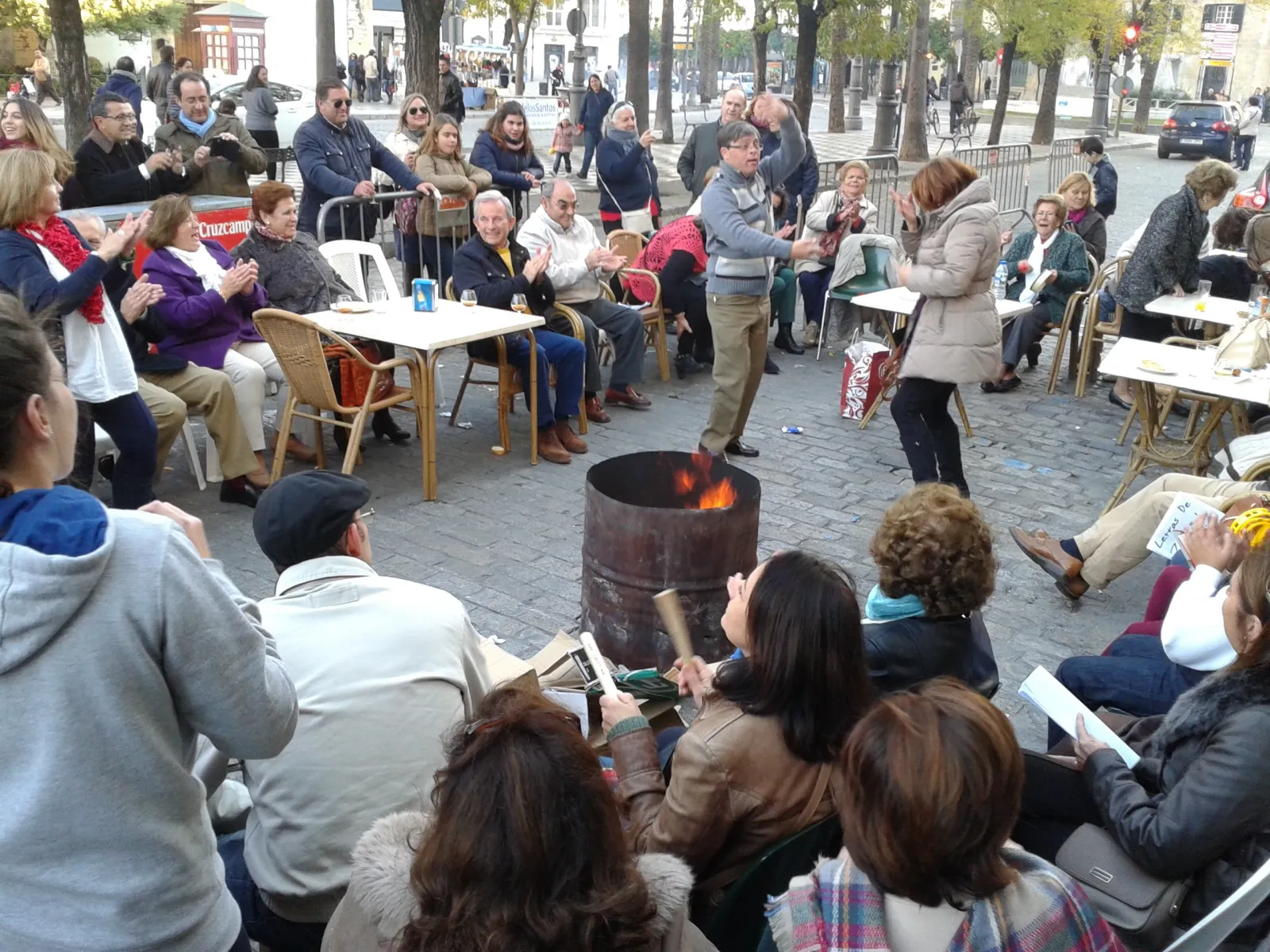
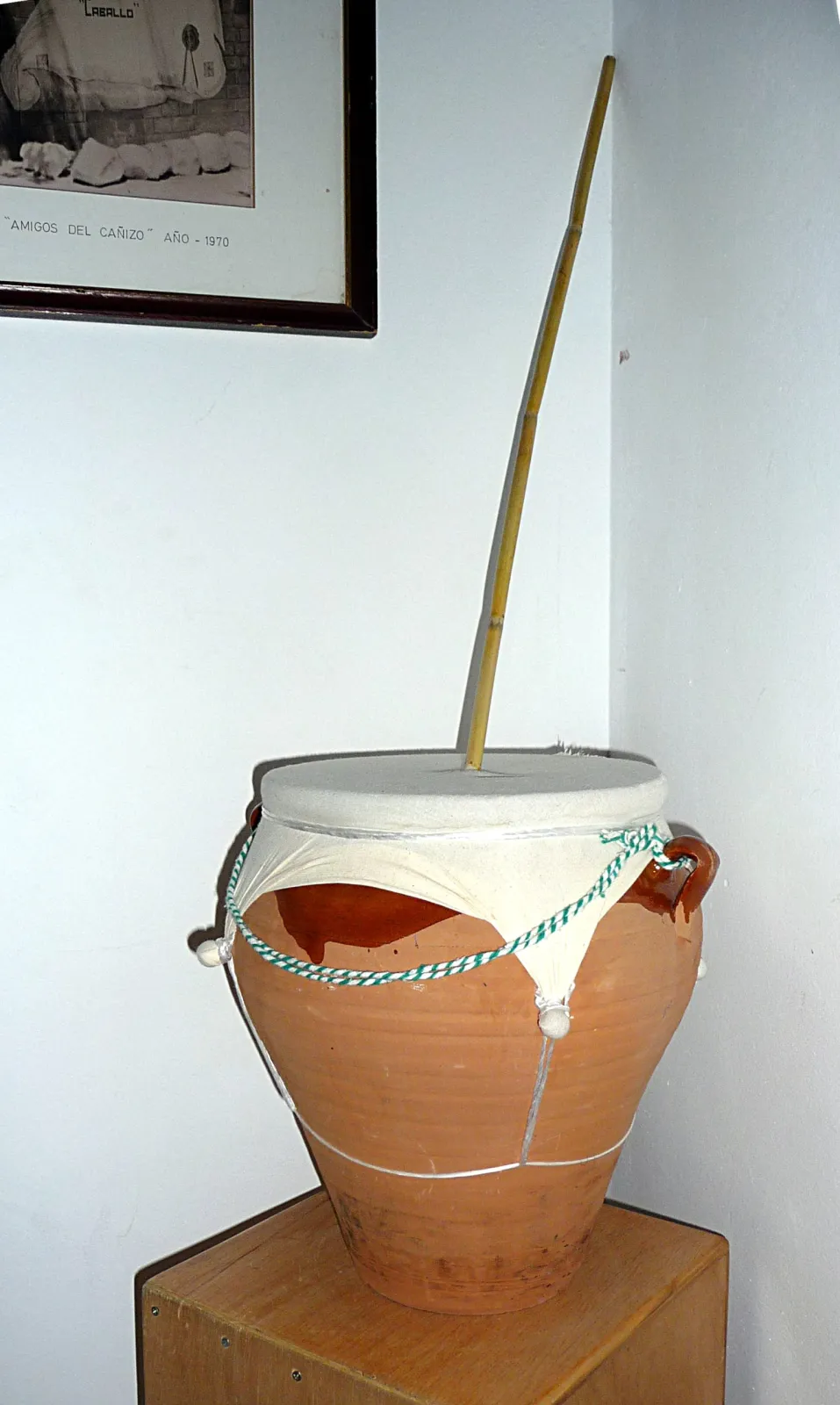
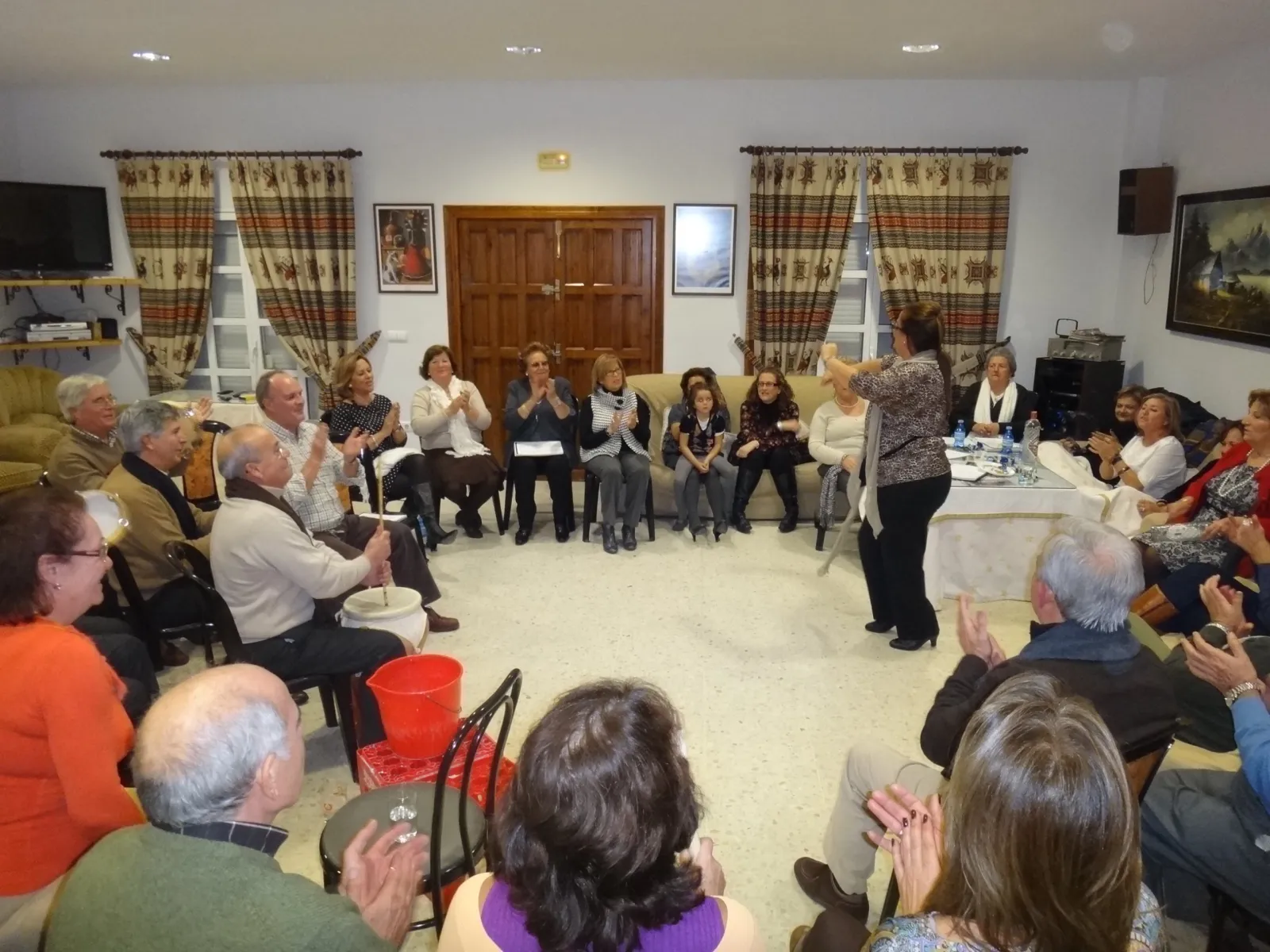
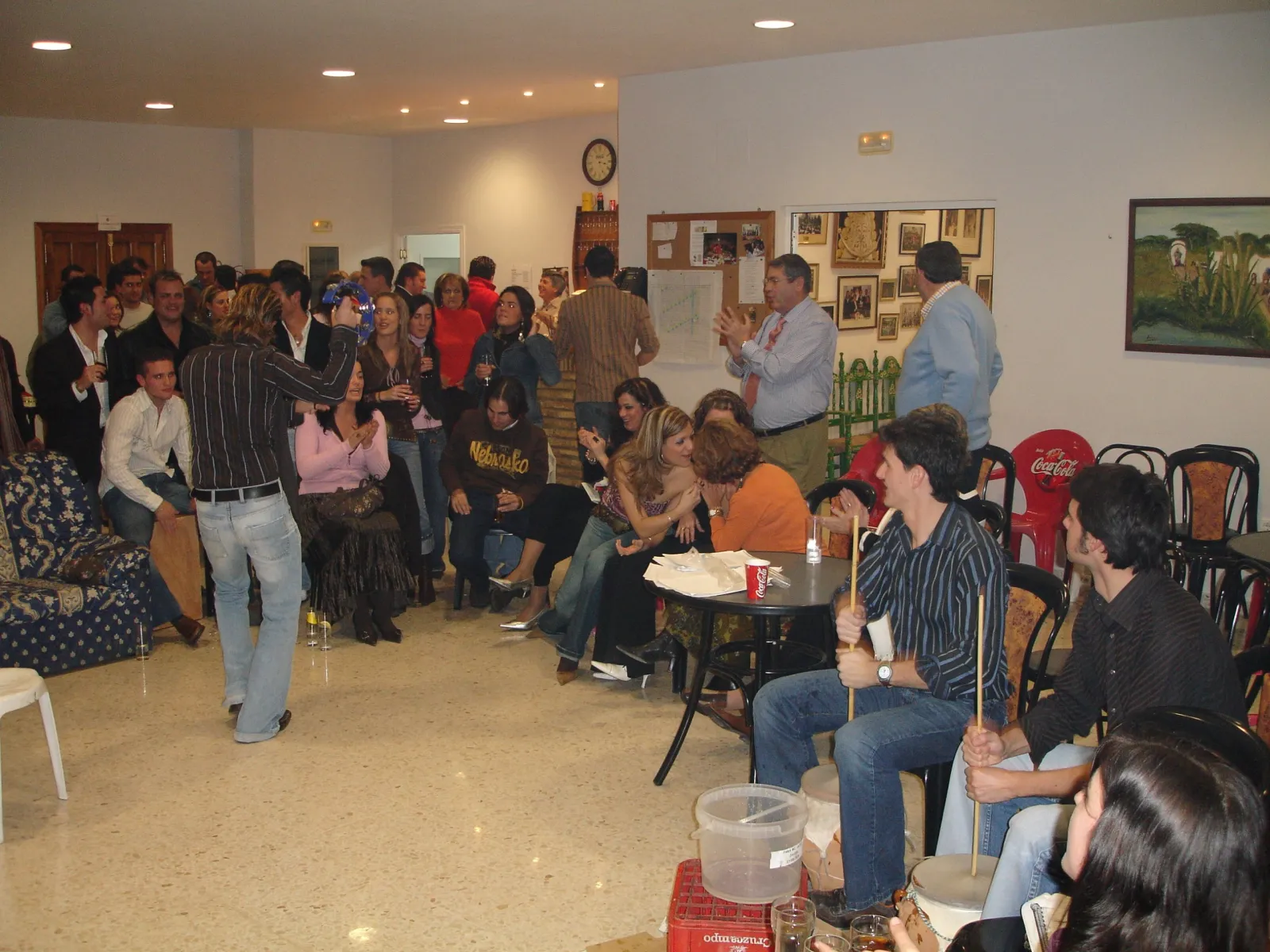
A zambomba is a Christmas gathering where people sit or stand in a circle, often around a candela (a fire burning in a metal drum), and sing villancicos together. The name comes from the instrument at its heart: a clay pot with a skin stretched over the mouth and a cane fixed through it, which groans out a deep rhythm when rubbed with a wet hand. Panderetas, palmas and, in Jerez, flamenco guitar and cajón join in, and whoever feels like it steps into the middle to dance.
What makes Jerez different is flamenco. The Junta de Andalucía's 2015 heritage decree describes how the city's repertoire, a mix of popular songs, romances and villancicos, has taken on flamenco rhythm, guitar, cajón and flamenco dance, above all in the peñas and in the historic barrios of Santiago and San Miguel, with their long gitano tradition. Arcos de la Frontera, which shares the protection, has kept an older and less flamenco repertoire.
Where to Go
- Santiago and San Miguel – the two flamenco barrios of Jerez, where peñas and brotherhoods hold some of the most traditional zambombas
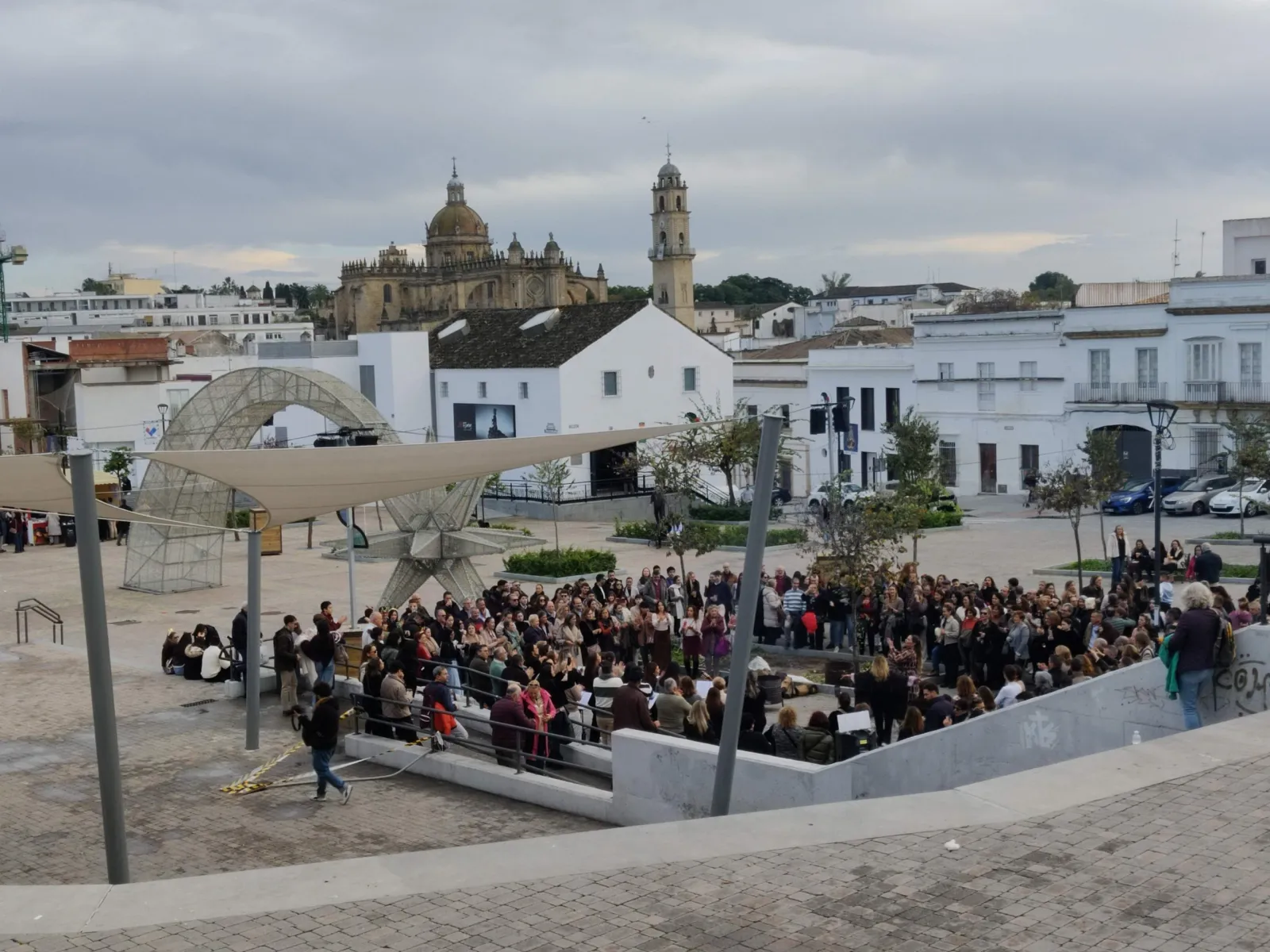
- Old-town squares – places such as Plaza de Belén and Plaza Plateros fill with brotherhood zambombas on December weekend afternoons
- Tabancos and bars – licensed venues can hold zambombas between 15:00 and midnight without a permit, so the sherry taverns of the centre are a safe bet on any evening of the season
- Sherry bodegas – several bodegas stage ticketed zambombas with professional artists and seating; check each organiser for dates and prices
- Arcos de la Frontera – about 30 minutes inland, the other town covered by the 2015 heritage listing
The Rules for 2026
- Family and private zambombas, and those inside licensed venues, need no authorisation but must keep to 15:00–00:00 (nightlife venues, theatres and auditoriums follow their own licence)
- Zambombas in streets and squares can only be organised by non-profit groups such as brotherhoods and cultural, neighbourhood, sports, business or hospitality associations, and can never go beyond 02:00
- Organisers apply at least 10 working days ahead for venues and 15 for public spaces
- Amplified sound is restricted in public spaces: the singing is meant to be live
Where to Stay
- Historic centre – around Plaza del Arenal, Calle Larga and Plaza Plateros, within walking distance of the tabancos and most squares
- Santiago and San Miguel – closest to the barrio zambombas; expect singing until late
- Cádiz or El Puerto de Santa María – a short train ride away if Jerez is full
Book early for December weekends, especially around the 6 and 8 December holidays.
Weather in Jerez in December
- Mild, often sunny days around 15–17 °C
- Cold nights, close to 10 °C or below
- Bring a coat and scarf for evening zambombas in the open air
Read More
For tabancos, food, bodegas and a weekend plan, read our Zambombas de Jerez guide. Jerez also hosts the Feria del Caballo in spring and the Fiesta de la Vendimia in September. See all Andalusia festivals and the festivals in Spain in December.
Gallery
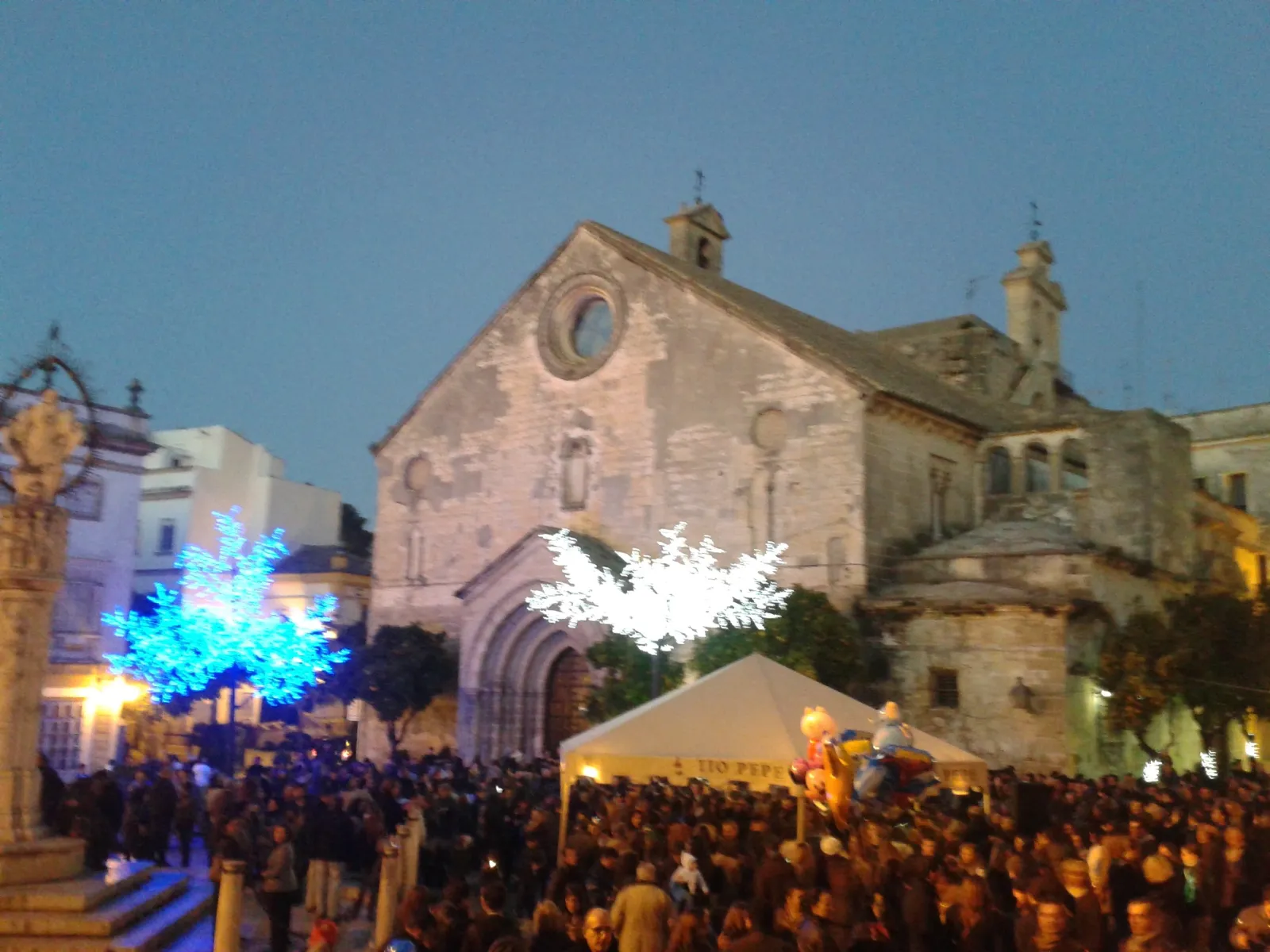
History & Origins
The zambomba began as a homely Christmas custom of Jerez and its countryside. According to the Junta de Andalucía, it was rooted in communal living spaces, the patios de vecinos of the city and the workers' quarters of the cortijos, where neighbours with close ties gathered in the weeks before Christmas to sing around a fire. The instruments were whatever was at hand: frying pans, cooking pots, lids and, of course, the zambomba itself. Women held the leading role, knowing the verses best and leading the singing and the dancing in the middle of the circle.
In recent decades the gatherings have moved from private courtyards to peñas, brotherhoods, schools, bars and public squares, and in Jerez the repertoire has absorbed flamenco guitar, the cajón and flamenco dance. On 9 December 2015 the Andalusian government listed "la Zambomba, en Arcos de la Frontera y Jerez de la Frontera" as a Bien de Interés Cultural, an activity of ethnological interest (Decreto 503/2015, published in the BOJA on 14 December 2015), arguing that an oral tradition so exposed to commercialisation needed safeguarding. Its success has since forced the city to regulate it: each autumn Jerez publishes a bando that sets the season and the rules.
What to Expect
Expect to stand, sing and clap. A good zambomba is a crowd packed into a square or a bar around a fire or a table of sweets, someone strikes up a carol, and the whole circle answers with palmas, panderetas and the deep rub of the zambomba. Songs are short and well known locally, so the chorus comes round fast, and every few verses somebody is pushed into the middle to dance por bulerías. Brotherhood zambombas in the squares start in the afternoon and are full of families; the ones in tabancos and peñas get louder and later. You will smell wood smoke and anise, and you will be offered pestiños, sherry and anisette. On December weekends the centre is packed, so pick one or two places and settle in rather than trying to see everything.
How to Get There
By air: Jerez airport (XRY) is just north of the city, with a local train stop that links it to the centre in a few minutes. Seville airport is about an hour away by road.
By train: Media Distancia trains connect Seville with Jerez in about an hour, and Cercanías trains reach Cádiz in around 40 minutes. From Madrid, take the high-speed train to Seville and change, or a direct Madrid–Cádiz service that stops in Jerez.
By car: The AP-4 and A-4 link Jerez with Seville. Parking in the historic centre is scarce in December; use a public car park on the edge of the centre and walk.
Tips & Advice
Are zambombas free? Most are. Neighbourhood, brotherhood and bar zambombas cost nothing to join; you pay for your drinks and sweets, which often fund the brotherhood. Large bodega productions are ticketed.
Is the zambomba UNESCO heritage? No. It is a Bien de Interés Cultural, a protection granted by the Junta de Andalucía in December 2015 to the zambombas of Jerez and Arcos de la Frontera.
Do I need to know flamenco? No. Listen first, join the palmas once you can follow the beat, and leave space in the middle of the circle for the people who live the tradition.
When should I go? Weekend afternoons and evenings between late November and 24 December, especially around the 6 and 8 December holidays. Check the authorised list on the council's Christmas portal for the day you choose.
How should I behave? Do not talk over the singing, buy a drink where the bar funds the event, skip the flash and ask before filming singers close up.
Plan Your Trip
Book accommodation and transport for this festival. Get the best deals on hotels and train tickets.
This page contains affiliate links. We may earn a commission at no extra cost to you.
Photos: El Pantera / CC BY-SA 4.0 / Wikimedia Commons; El Pantera / CC BY-SA 3.0 / Wikimedia Commons
 June
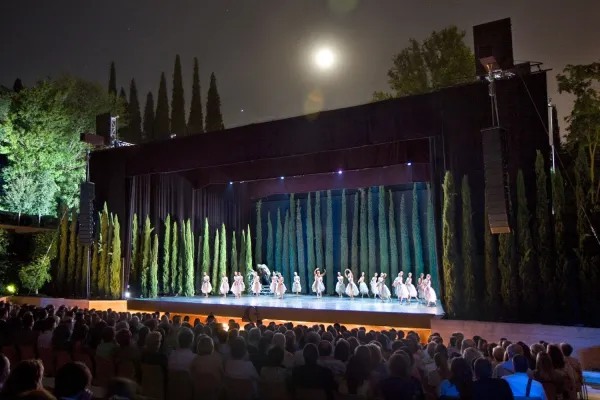
Granada International Festival of Music and Dance
One of Europe's most prestigious performing arts festivals, held in stunning venues including the Alhambra and Generalife gardens. Since 1952, world-class ballet, flamenco, classical music, and opera.
 March
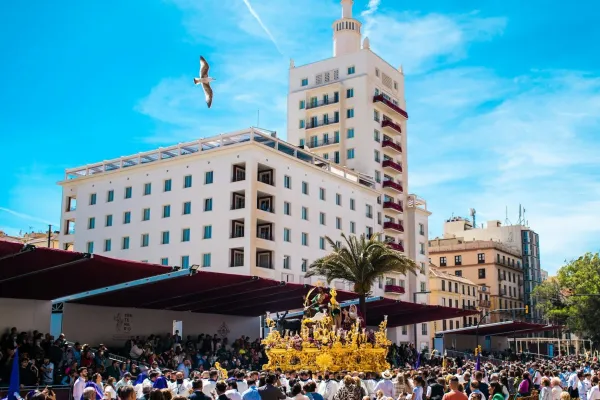
Semana Santa
Semana Santa (Holy Week) is arguably Spain's most emotionally powerful and visually stunning festival. In the week leading up to Easter Sunday, cities and towns across the country fill with solemn religious processions, haunting music, clouds of incense, and enormous ornate floats (pasos) carried by hundreds of robed nazarenos.
 April
Feria de Abril
The Feria de Abril (April Fair) of Seville is one of the most joyful and glamorous festivals in Spain — a six-day explosion of flamenco, fine horses, manzanilla sherry, and sevillana dancing that transforms the city's fairgrounds into the most colourful party in Andalusia.
 May
Festival de los Patios de Córdoba
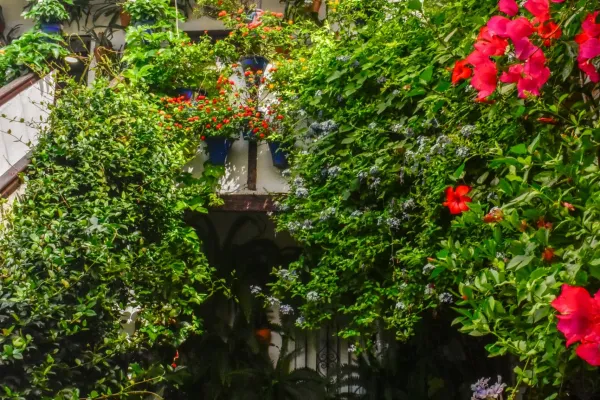
Every May, the residents of Córdoba open the doors of their private courtyards, revealing breathtaking displays of flowers, ceramics and fountains. Declared UNESCO Intangible Cultural Heritage in 2012, this is one of Spain's most beautiful and photogenic traditions.