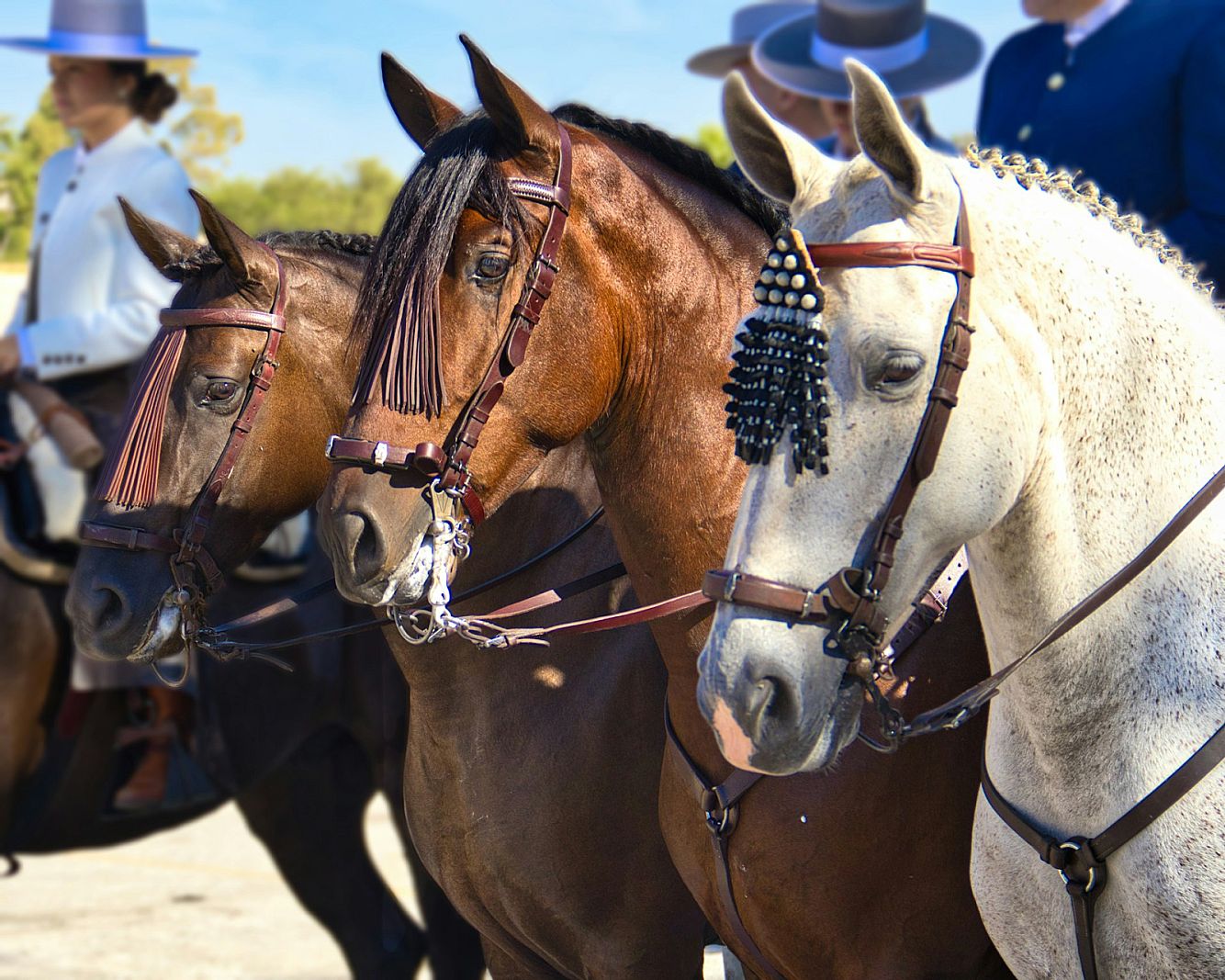
Feria del Caballo de Jerez
The Feria del Caballo in Jerez de la Frontera is Spain's most elegant spring fair, where Andalusian pure-bred horses take centre stage alongside flamenco, sherry tasting and spectacular equestrian shows. Declared a Fiesta of International Tourist Interest.
Highlights
- Over 200 casetas, many open to the public (unlike Seville's Feria)
- Spectacular Andalusian horse parades and carriage competitions
- Free-flowing fino and manzanilla sherry from local bodegas
- Flamenco performances and sevillanas dancing until dawn
- Declared Fiesta of International Tourist Interest
- Home of the Royal Andalusian School of Equestrian Art
The Feria del Caballo (Horse Fair) of Jerez de la Frontera is one of Andalusia's most spectacular celebrations. For one week in May, this sherry-producing city transforms into a showcase of equestrian culture, flamenco artistry, and Andalusian gastronomy.
The fair takes place at the Parque González Hontoria, where over 200 casetas (decorated marquees) line the avenues. Unlike Seville's more exclusive Feria de Abril, many of Jerez's casetas are open to the public, making it a more accessible and welcoming experience for visitors.
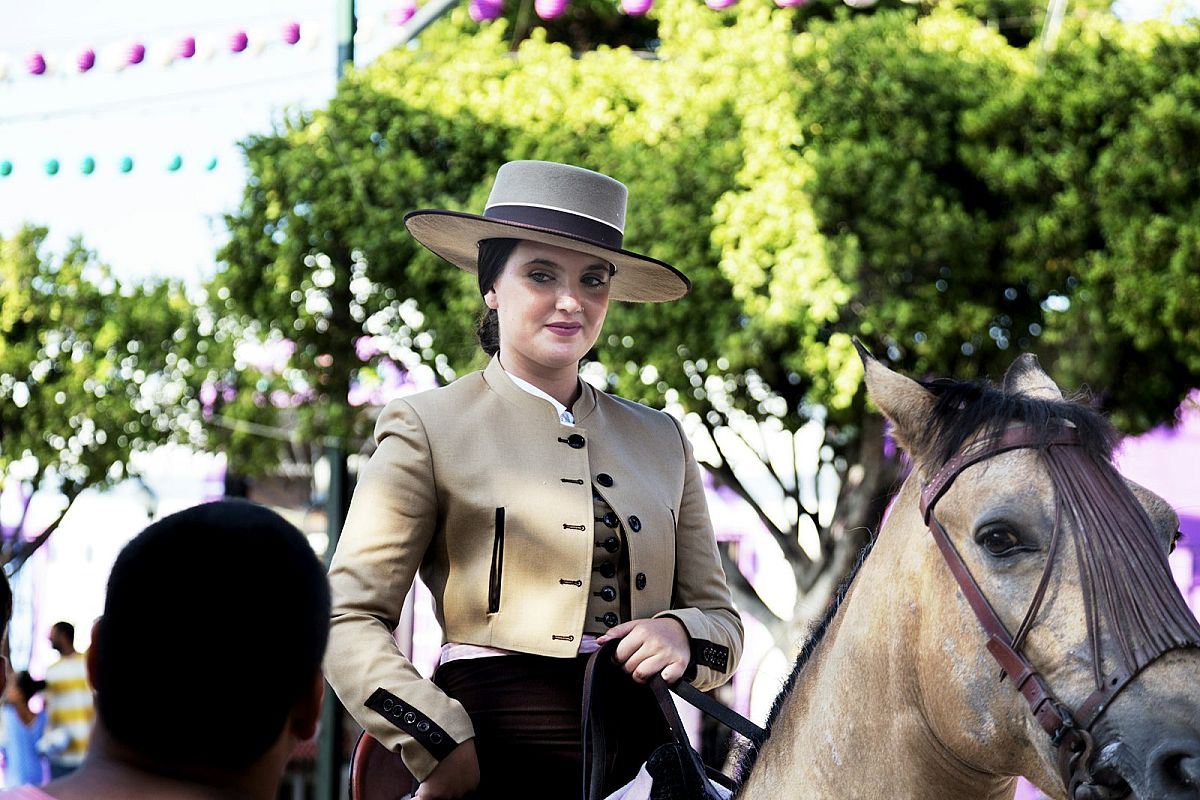
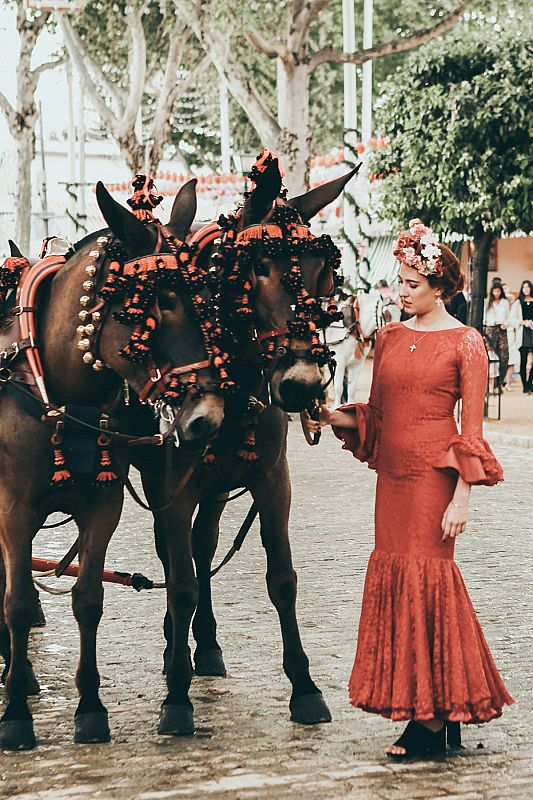
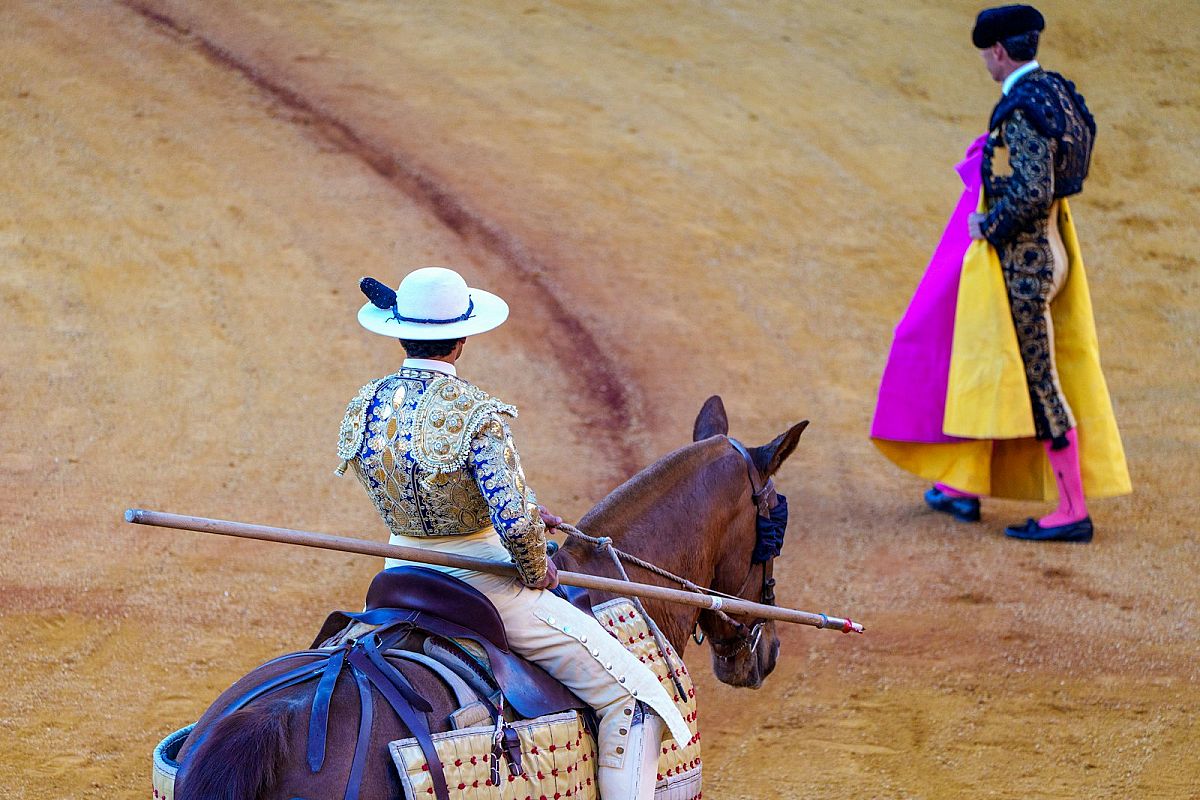
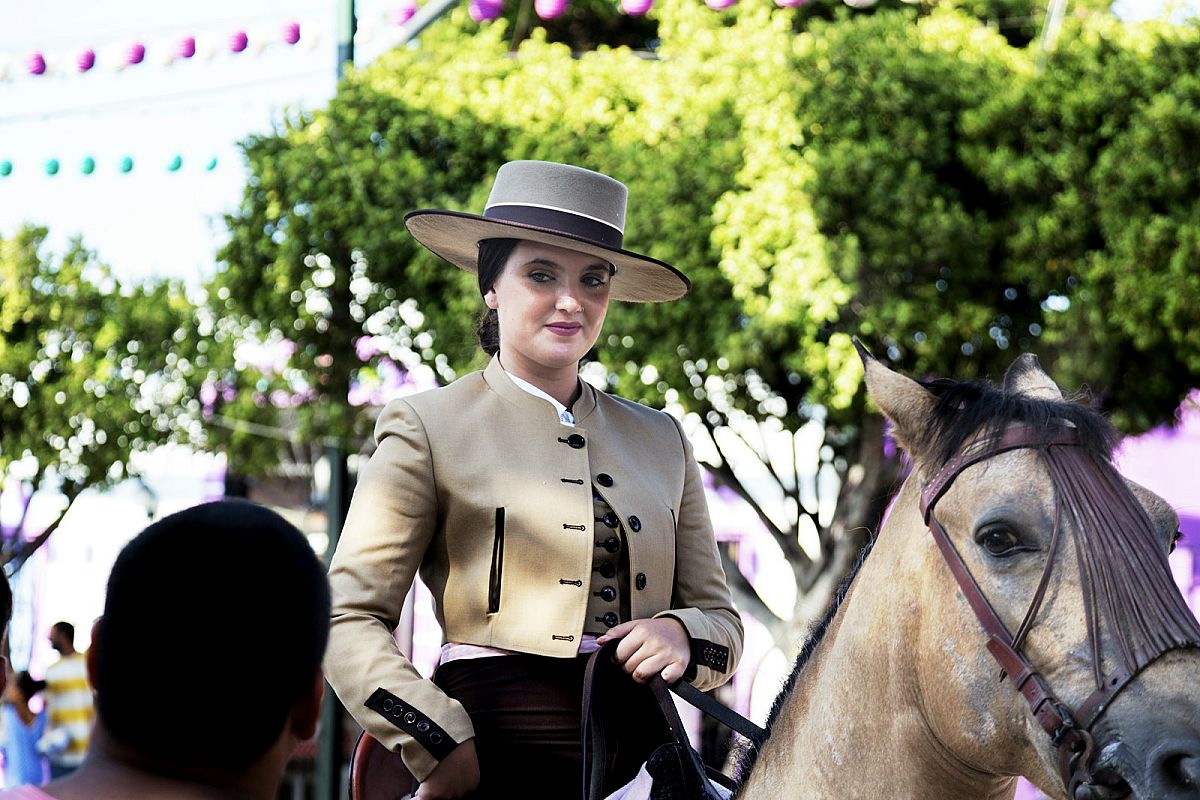
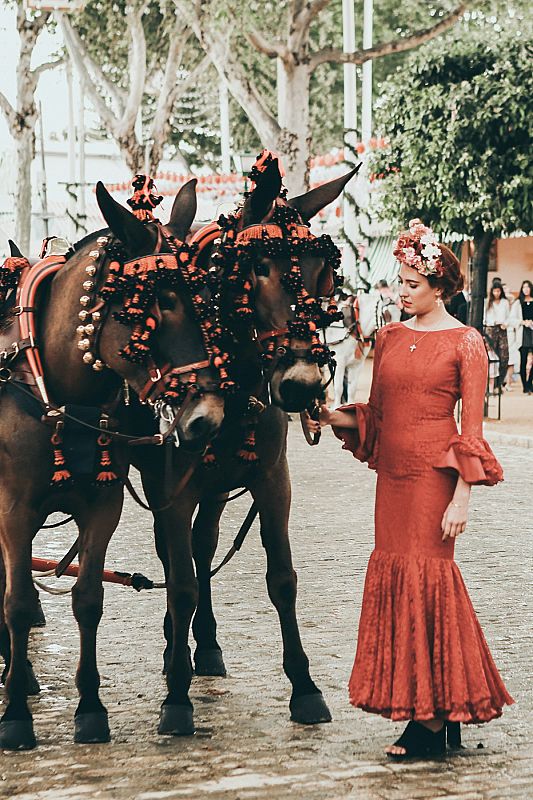
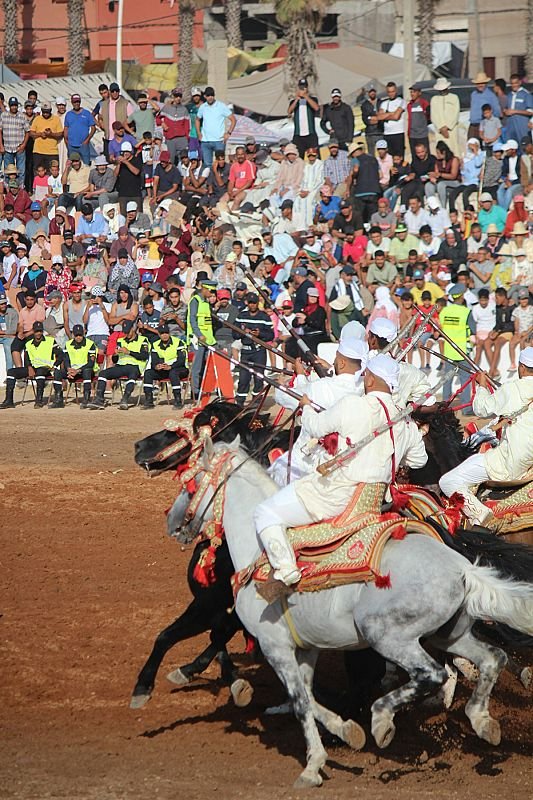
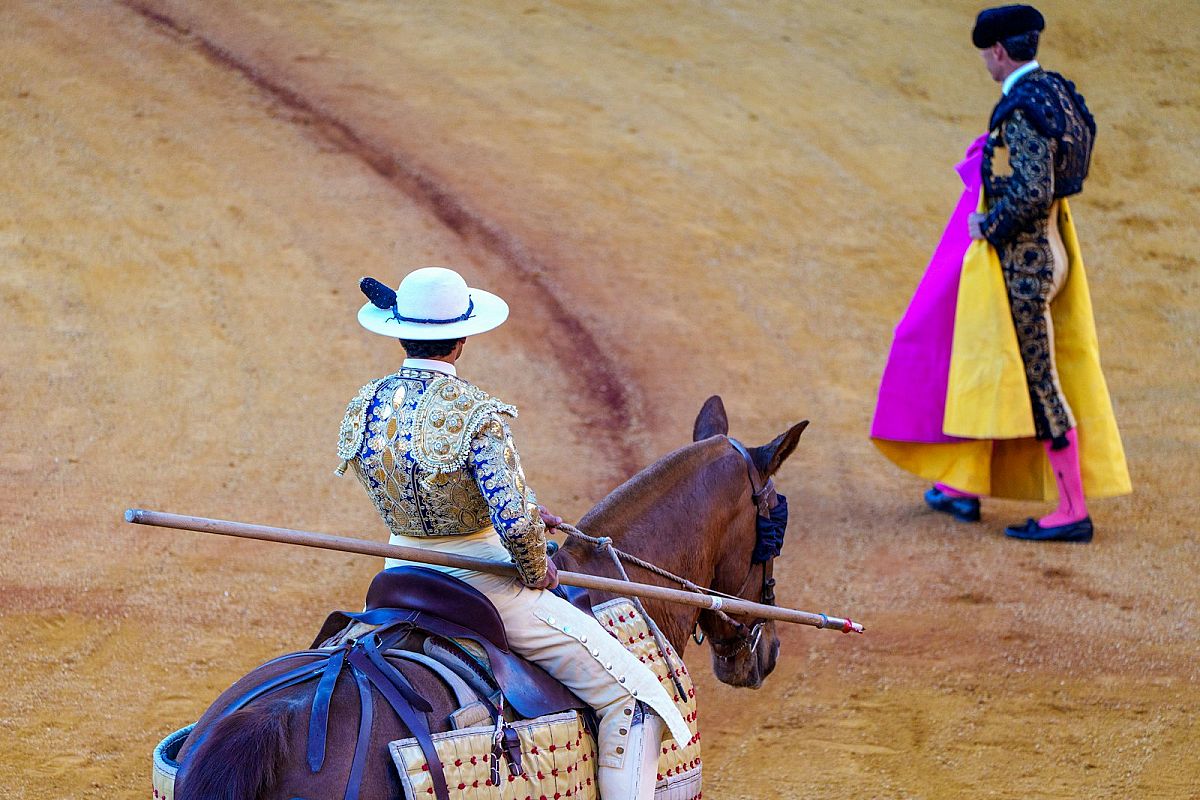
Horses are the undisputed stars. Magnificent Andalusian pure-bred horses parade through the fairground, ridden by men and women in traditional traje corto. Carriage competitions, dressage displays, and the famous enganche (horse-drawn carriage) contests draw thousands of spectators.
The connection between Jerez and the horse goes back centuries — the city is home to the Royal Andalusian School of Equestrian Art, where the famous "How the Andalusian Horses Dance" show is performed year-round. During the Feria, this bond is celebrated at its most vibrant.
Gallery
History & Origins
The origins of the Feria del Caballo trace back to the 13th century, when King Alfonso X the Wise granted Jerez the right to hold a livestock fair. For centuries, it served as one of the most important horse trading events in the Iberian Peninsula.
In the 15th and 16th centuries, Jerez became a centre of horse breeding, producing the renowned Carthusian horses that would later become the Pura Raza Española (PRE). The fair evolved from a purely commercial event into a social celebration, with noble families competing to display their finest animals.
The modern Feria del Caballo was officially established in 1948, when the city decided to formalise the centuries-old tradition. In 1965 it was declared a Fiesta of National Tourist Interest, and later elevated to International Tourist Interest status. Today it attracts over 1.5 million visitors and is considered the most important equestrian fair in Europe.
What to Expect
The Feria del Caballo is a feast for the senses. From midday, the avenues of the Parque González Hontoria fill with horses and carriages in a spectacular paseo (promenade). Riders in traditional Andalusian dress — flat-brimmed hats, short jackets, and leather chaps — trot past on glossy Andalusian stallions.
Inside the casetas, the atmosphere is lively and welcoming. Sherry flows freely — fino, manzanilla, amontillado — accompanied by tapas of jamón ibérico, pescaíto frito, and local cheeses. By evening, the casetas transform into dance floors where sevillanas and rumbas keep the crowd moving until the early hours.
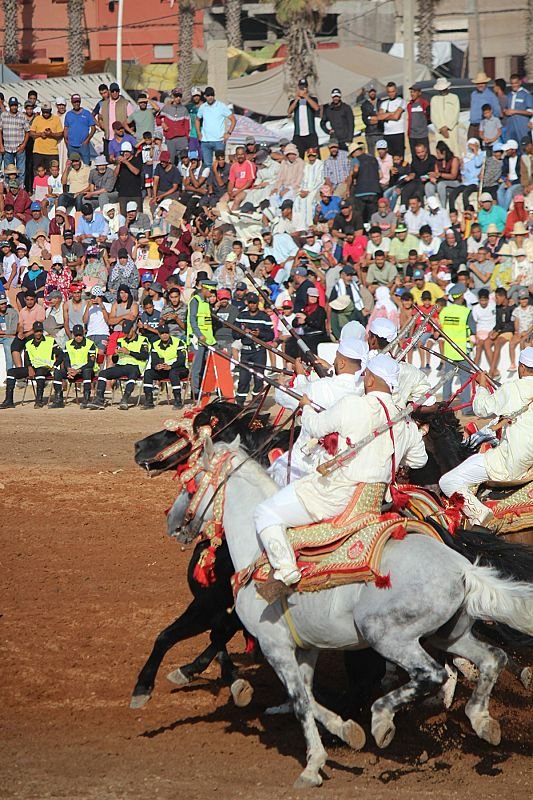
The equestrian competitions are world-class: doma vaquera (Andalusian-style dressage), enganche (carriage driving), and acoso y derribo (a traditional herding skill). Even if you're not a horse enthusiast, the sheer beauty and elegance of these events is captivating.
The illuminated Portada (entrance gate) is a work of art in itself, changing design each year and providing the iconic backdrop for the entire celebration.
How to Get There
By Air: Jerez Airport (XRY) has direct flights from London, Frankfurt and other European cities, especially in spring. It's just 10 km from the city centre.
By Train: Regular RENFE trains connect Jerez with Seville (1 hour), Cádiz (30 minutes), and Madrid (3.5 hours via AVE to Seville + connection). The station is a 15-minute walk from the fairground.
By Car: Jerez is on the AP-4 motorway between Seville and Cádiz. During the Feria, free shuttle buses run from designated parking areas to the fairground.
Getting Around: The fairground is walkable from the city centre (20 minutes). Taxis and horse-drawn carriages are also available during fair week.
Tips & Advice
- Dress the part — traditional Andalusian attire (traje de flamenca or traje corto) is warmly welcomed
- Try the local sherries: fino and manzanilla with seafood, oloroso with meats
- Visit the Real Escuela Andaluza del Arte Ecuestre during fair week for special shows
- The best horse parades happen between 13:00 and 16:00
- Book a hotel in the centre — many fairgoers walk between the city and the Parque
- Take a bodega tour (Tío Pepe, Lustau, or Fundador) while in Jerez
- Weekday afternoons are best for enjoying the fair with fewer crowds
Plan Your Trip
Book accommodation and transport for this festival. Get the best deals on hotels and train tickets.
This page contains affiliate links. We may earn a commission at no extra cost to you.
 October
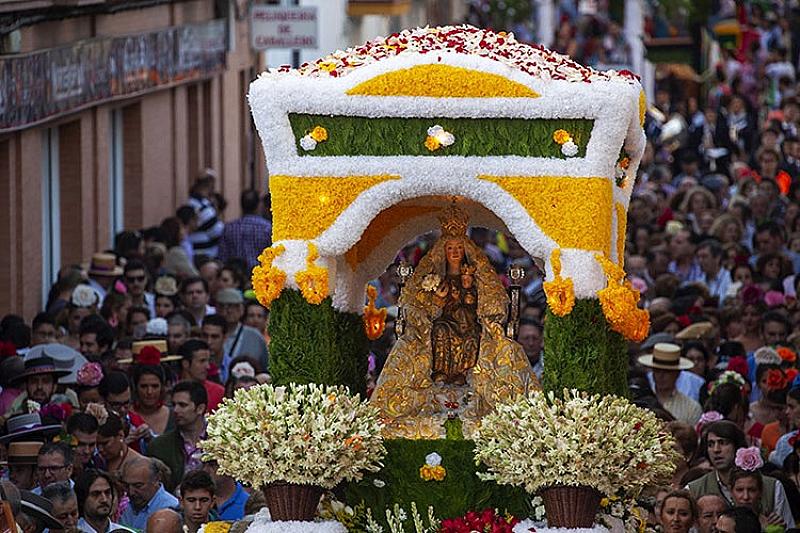
Romería de Valme
One of Andalusia's grandest pilgrimages brings thousands of decorated carts, horseback riders and flamenco singers from Dos Hermanas to the Valme hacienda on the third Sunday of October.
 June
June
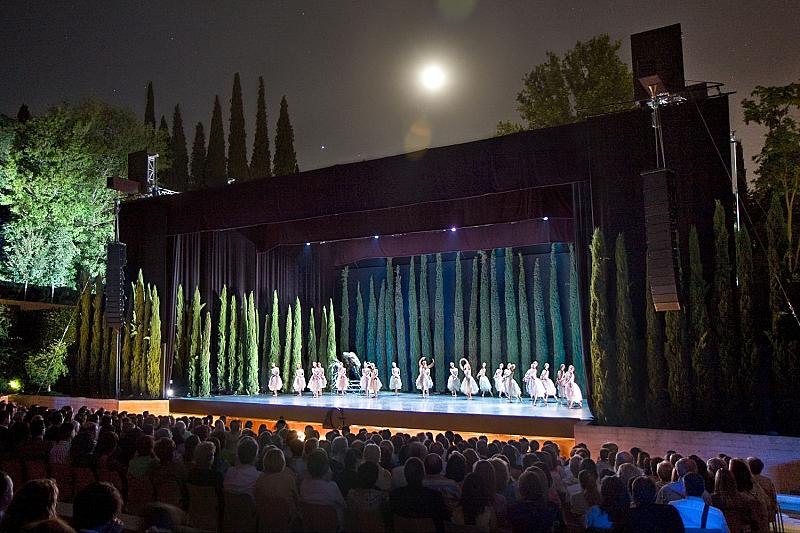
Granada International Festival of Music and Dance
One of Europe's most prestigious performing arts festivals, held in stunning venues including the Alhambra and Generalife gardens. Since 1952, world-class ballet, flamenco, classical music, and opera.
 April
April
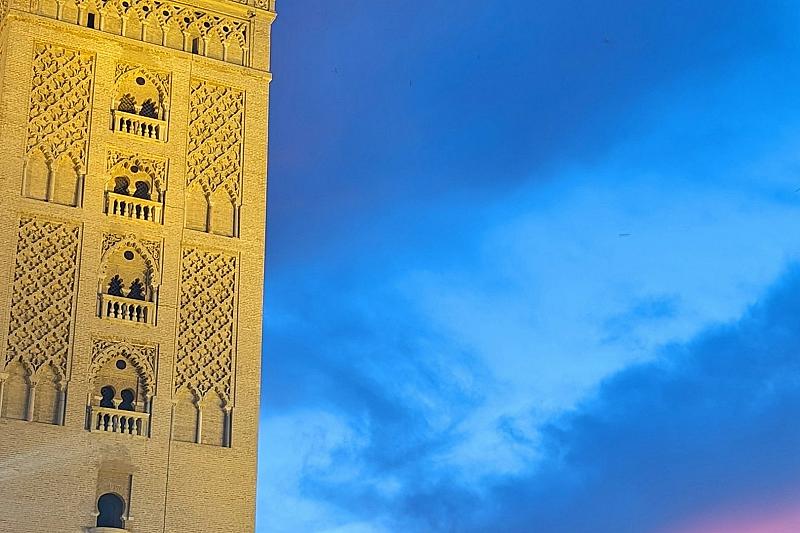
Feria de Abril
The Feria de Abril (April Fair) of Seville is one of the most joyful and glamorous festivals in Spain — a six-day explosion of flamenco, fine horses, manzanilla sherry, and sevillana dancing that transforms the city's fairgrounds into the most colourful party in Andalusia.
 May
May
Patios Festival (Córdoba)
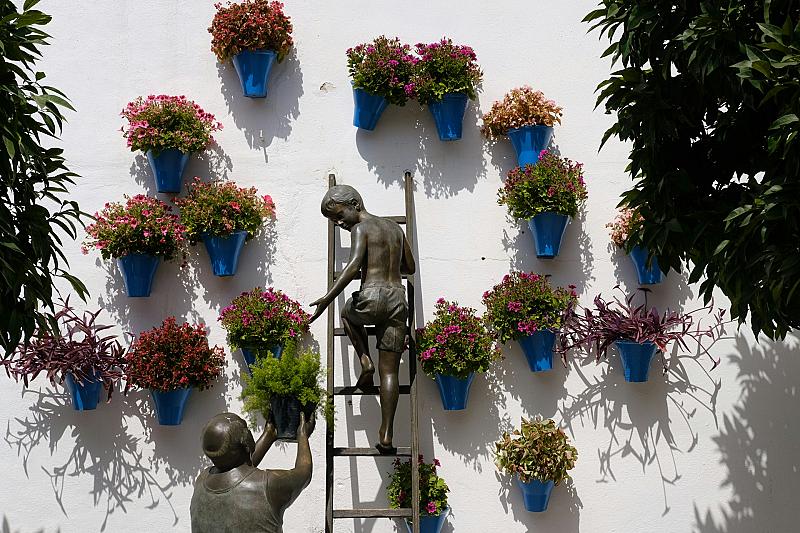
The Córdoba Patios Festival (Fiesta de los Patios) is held each May, when private courtyards open to the public and compete for prizes based on floral decoration and traditional design.