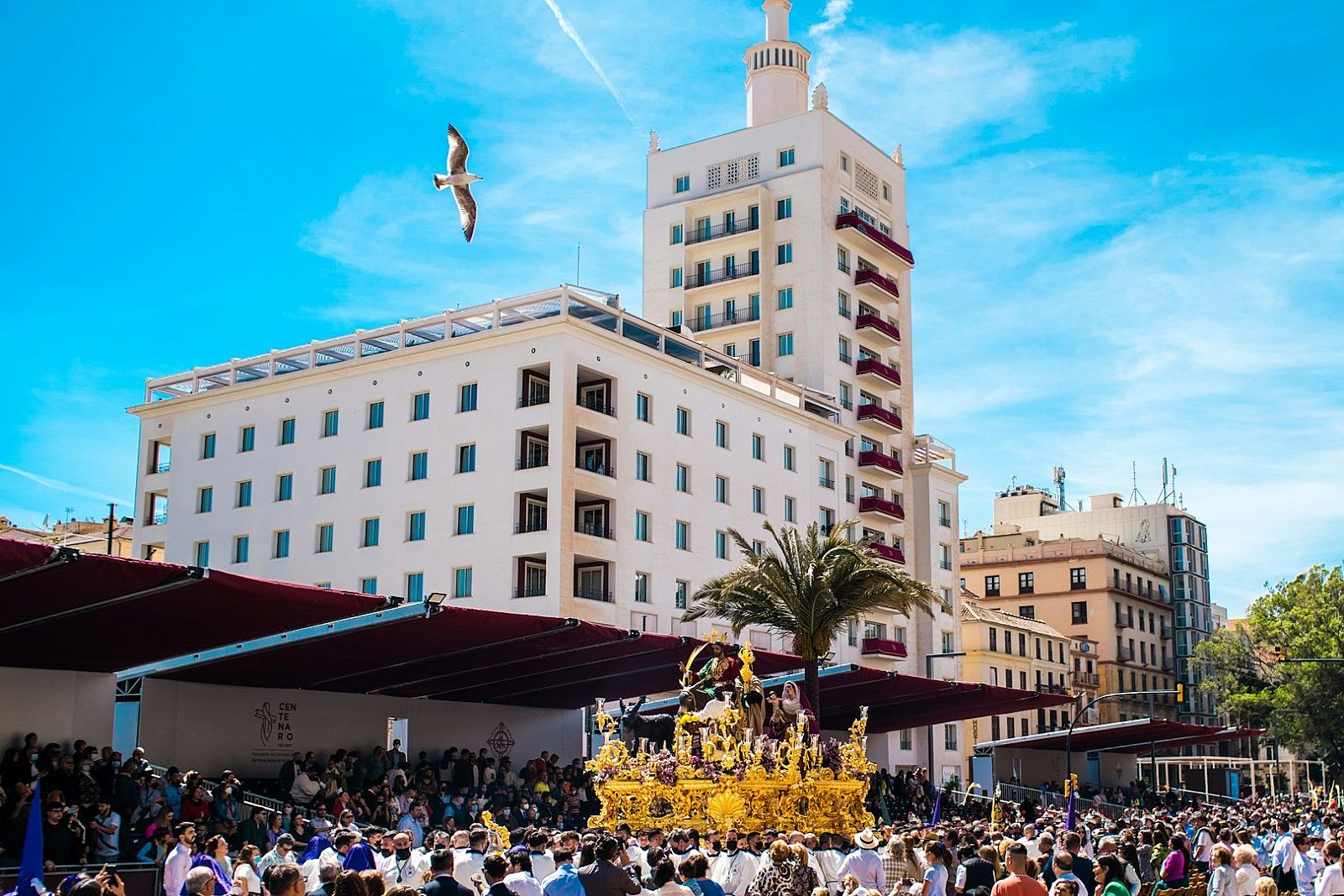
Semana Santa
Semana Santa (Holy Week) is arguably Spain's most emotionally powerful and visually stunning festival. In the week leading up to Easter Sunday, cities and towns across the country fill with solemn religious processions, haunting music, clouds of incense, and enormous ornate floats (pasos) carried by hundreds of robed nazarenos.
Highlights
There is nothing in Spain — perhaps nothing in the world — quite like standing on a Seville street at 3am on Good Friday, watching a centuries-old float emerge from the candlelit darkness carried by 40 men moving in silence beneath a mountain of flowers and gold. Semana Santa is not just a spectacle — it is a window into the deepest soul of Spain.
Dates 2027
| Detail | Info |
|---|---|
| Palm Sunday | 21 March 2027 |
| Monday of Holy Week | 22 March 2027 |
| Tuesday of Holy Week | 23 March 2027 |
| Wednesday of Holy Week | 24 March 2027 |
| Holy Thursday (Jueves Santo) | 25 March 2027 |
| Good Friday (Viernes Santo) | 26 March 2027 |
| Holy Saturday (Sábado Santo) | 27 March 2027 |
| Easter Sunday (Domingo de Resurrección) | 28 March 2027 |
What is Semana Santa?
Semana Santa is a deeply rooted Catholic religious tradition commemorating the Passion, Death, and Resurrection of Jesus Christ. Its Spanish form is unique in the world for its theatrical intensity and cultural grandeur.
Key elements:
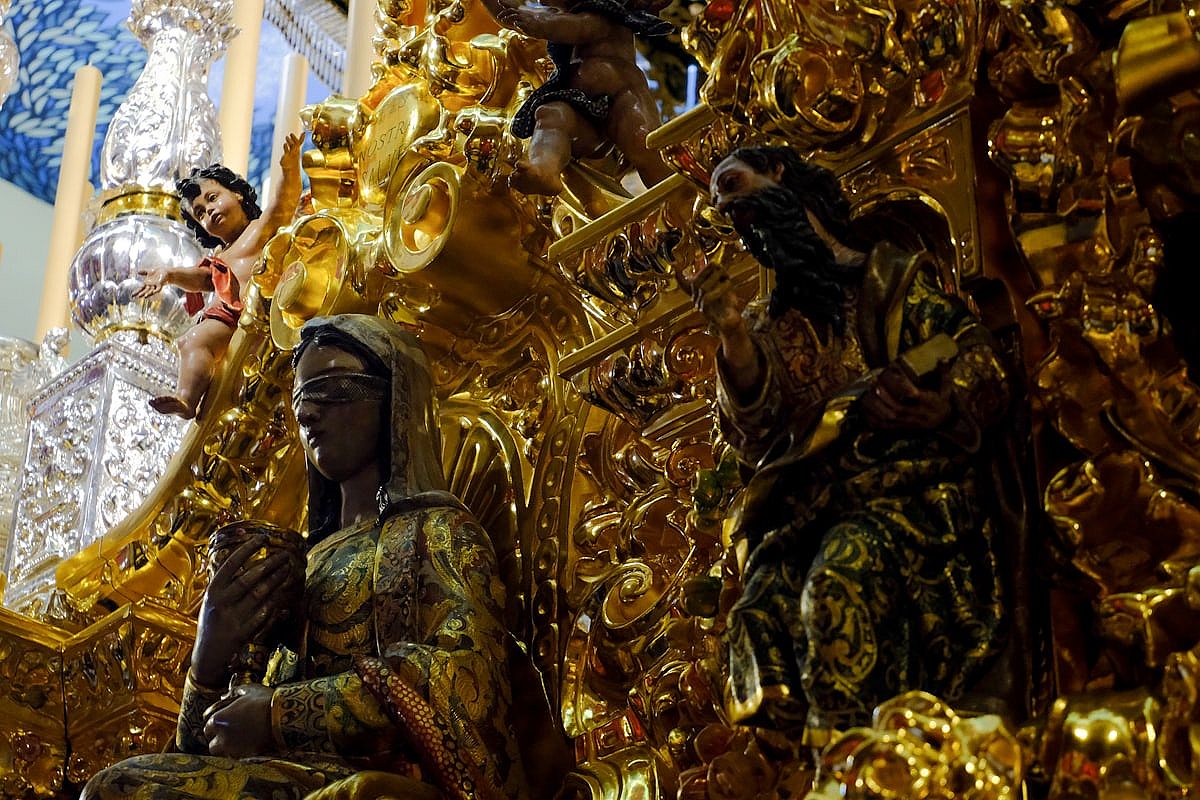
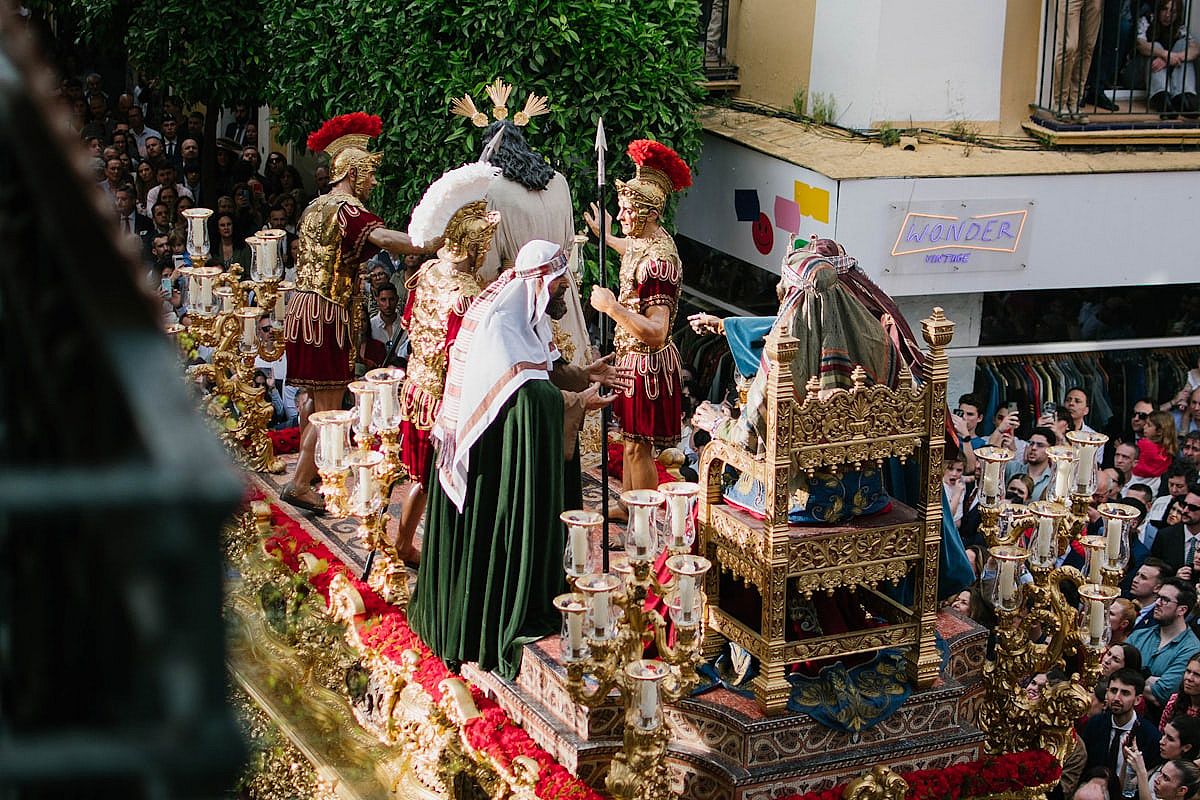
- Pasos: Enormous ornate floats carrying religious sculptures — some weighing several tons — carried through the streets on the shoulders of costaleros (hidden bearers)
- Nazarenos (penitents): Members of religious brotherhoods (cofradías) dressed in long robes and pointed hoods (capirotes), often carrying candles or crosses
- Saetas: Spontaneous flamenco-style songs sung from balconies to the floats as they pass below
- Cofradías: Religious brotherhoods that organise and fund each procession — some dating back 500 years
- Incense and candlelight: Creating an intensely atmospheric sensory experience
Best Cities to Experience Semana Santa
Seville — The Gold Standard
Seville's Semana Santa is the most famous in the world — a UNESCO Intangible Cultural Heritage nominee. Over 60 cofradías process through the streets in a week-long spectacle that draws over a million visitors.
- Most famous paso: La Macarena (Virgin of Hope)
- Most dramatic night: Madrugá (early hours of Good Friday) — processions run through the night
- Best viewing point: La Campana or grandstands along the official route
- Book accommodation 6–12 months in advance
Málaga — Spain's Most Festive Holy Week
Málaga's Semana Santa is famous for its joyful, carnival-like atmosphere alongside the solemn processions. The throne floats here are among the tallest and heaviest in Spain.
Valladolid — The Most Artistic
Valladolid's processions are considered the most artistically and sculpturally significant, featuring masterpieces of Spanish Baroque religious art dating back centuries.
Other outstanding cities:
- Granada – processions against the backdrop of the Alhambra
- Cartagena – famous for Roman soldier costumes (romanos)
- Zamora — ancient, austere and deeply traditional
- León — solemn and beautifully lit night processions
- Cuenca — the Week of Religious Music runs alongside processions
Weather During Semana Santa
Holy Week weather varies by region:
| City | April Weather |
|---|---|
| Seville | Warm, sunny, 20–25°C |
| Málaga | Warm, sunny, 19–23°C |
| Valladolid | Cool, possible rain, 12–17°C |
| Granada | Mild, occasional cloud, 14–19°C |
Rain is the enemy of Semana Santa — if it rains, processions may be cancelled or postponed. Many cofradías have centuries-old protocols for deciding whether to go out in wet weather.
Getting There
Seville:
- AVE from Madrid (2.5h), Málaga (2h), Córdoba (45min)
- Flights to Seville Airport (SVQ)
Málaga:
- AVE from Madrid (2.5h), Seville (2h)
- Málaga Airport (AGP) — one of Spain's busiest, with flights from across Europe
Valladolid:
- AVE from Madrid (1h), Burgos (30min)
Where to Stay
Semana Santa is Spain's single busiest travel period of the year. Book accommodation:
- Seville: At least 6–8 months in advance
- Málaga: At least 4–6 months in advance
- Valladolid: At least 2–3 months in advance
Consider staying in nearby towns and commuting daily if central hotels are full.
Food & Drink During Holy Week
Traditional Semana Santa foods:
- Torrijas – Spanish-style French toast, sweet and spiced (the Holy Week dessert)
- Potaje de Vigilia – chickpea and spinach stew (traditional for Good Friday)
- Bacalao – salt cod dishes, traditional on days of abstinence
- Pestiños – honey-glazed fried pastries
How to plan Semana Santa in Seville
Semana Santa in Seville rewards planning because the city centre changes rhythm throughout Holy Week. Processions can close streets, alter pedestrian routes and make a short walk take much longer than expected. Choose one or two priorities for each outing rather than trying to follow every brotherhood. The official programme published closer to the event is the essential source for routes, departure times and weather-related changes.
For a first visit, combine one large procession with a quieter neighbourhood moment. The formal route offers scale and ceremony, while streets near a brotherhood's home church can feel more intimate. Leave generous space between plans, carry water and keep an alternative viewing area in mind. Rain can delay or cancel a procession, so avoid building a non-refundable itinerary around a single appearance.
Where to watch respectfully
Good viewing is not only about standing closest to a float. A wider junction may provide a clearer view and an easier exit than a narrow lane. Keep doorways, crossings and emergency routes open, and follow instructions from stewards and police. Processions are acts of public devotion as well as major cultural events, so lower your voice during solemn passages, avoid flash photography near participants and never step into the procession route for a photograph.
Transport, accommodation and daily pacing
Central Seville is best explored on foot during Holy Week, but road restrictions make taxis and buses less predictable near procession routes. If arriving by rail or air, complete the final part of the journey before the busiest evening period when possible. Book accommodation well ahead and check whether the property is inside an area with temporary access controls. A room within walking distance can be valuable, but a quieter district with a reliable public-transport connection may offer better sleep and easier departures.
Budget separately for accommodation, meals, local transport and any reserved seating. Street viewing is widely available, while official seating arrangements and sales conditions can change. Confirm current rules with the official organiser rather than relying on an old travel forum. Use the Spain festival calendar to compare Holy Week dates with other events before fixing a multi-city trip.
Semana Santa Seville FAQ
Do I need a ticket to watch the processions?
Many sections can be watched from public streets without a ticket. Reserved seating applies to specific official areas and availability is limited. Check the current official arrangements before travel.
What should visitors wear?
Comfortable shoes and modest clothing work best. Even warm days can turn cool after dark, so bring a light layer and avoid clothing that would feel inappropriate inside a church.
What happens if it rains?
Brotherhoods make safety decisions close to departure time. Routes may be delayed, shortened or cancelled to protect participants and historic images. Follow official local updates and keep a flexible backup plan.
Gallery
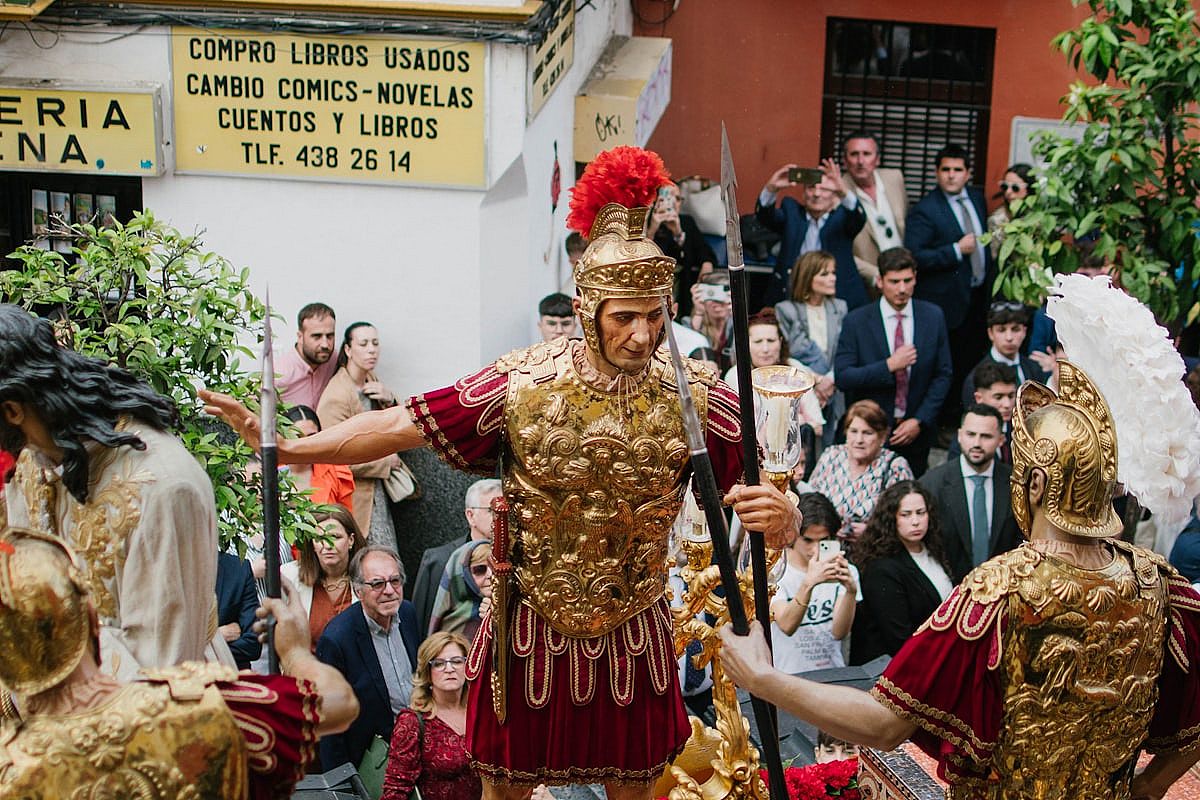
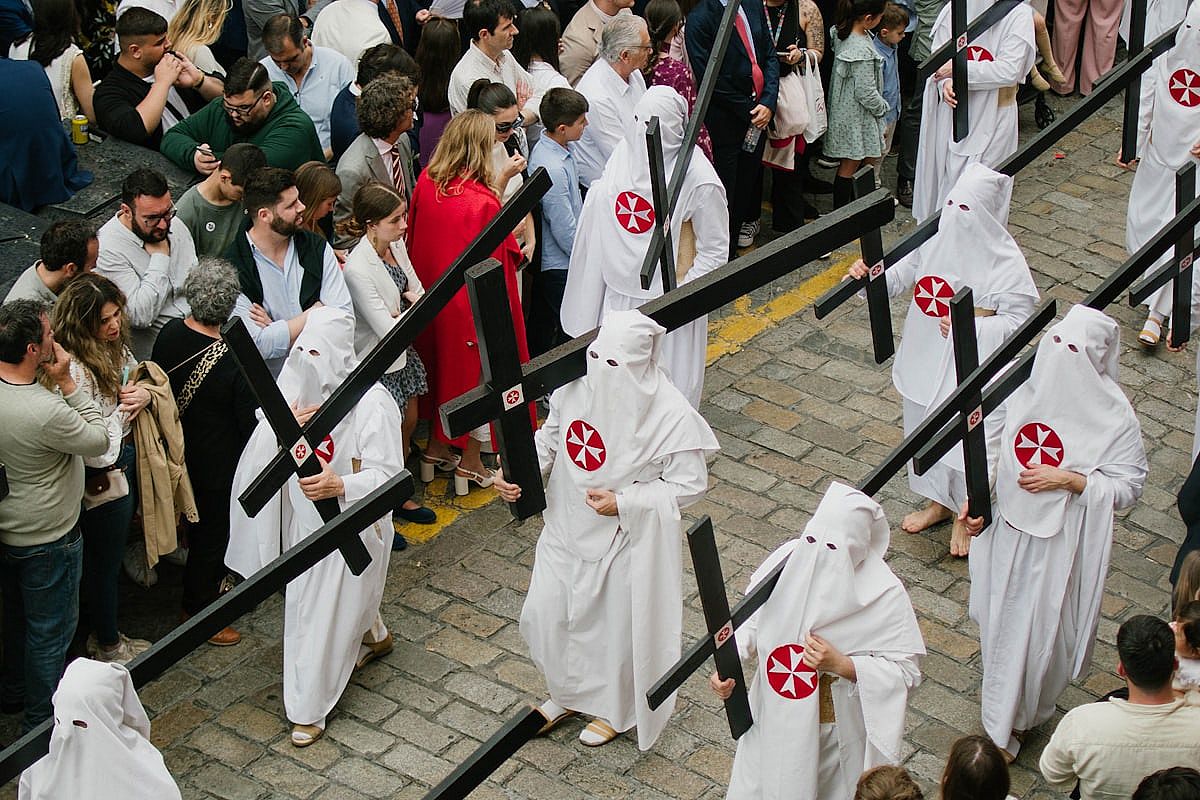
Video
What to Expect
Each procession (desfile procesional) follows a set route through the city, usually taking 4–8 hours to complete. The paso floats move extremely slowly — sometimes just a few steps at a time — as the hidden costaleros beneath them rest and reposition.
Viewing tips:
- Free viewing is available almost everywhere from the street
- Paid grandstand seats (sillas) are available along official routes
- Arrive early — popular spots fill hours before processions begin
- The most atmospheric viewing is at night, especially on Jueves Santo and Viernes Santo
Tips & Advice
Is Semana Santa a national holiday? Good Friday and Easter Sunday are national holidays in Spain. Holy Thursday is also a public holiday in most regions.
Can tourists join the processions? No — only members of the cofradías participate in the processions. However, anyone can watch from the street or grandstands.
Is it respectful to take photos? Photography is generally accepted but be respectful — especially near the church exits and during moments of particular solemnity. Silence is expected at key moments.
What should I wear? Respectful, modest clothing. Shorts and beachwear are considered disrespectful near processions and churches.
Plan Your Trip
Book accommodation and transport for this festival. Get the best deals on hotels and train tickets.
This page contains affiliate links. We may earn a commission at no extra cost to you.
 August
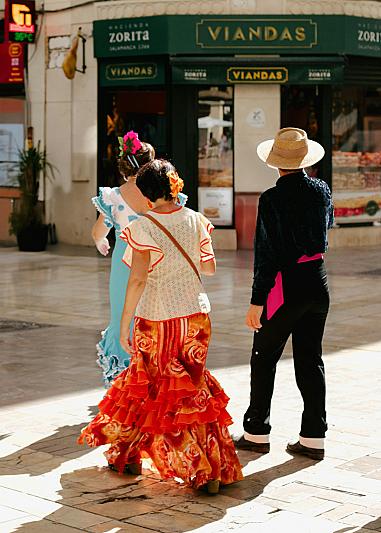
Feria de Málaga
Feria de Málaga is the city’s major August fair, combining daytime celebrations in the historic center with nighttime festivities at the fairground (Real de la Feria).
 September
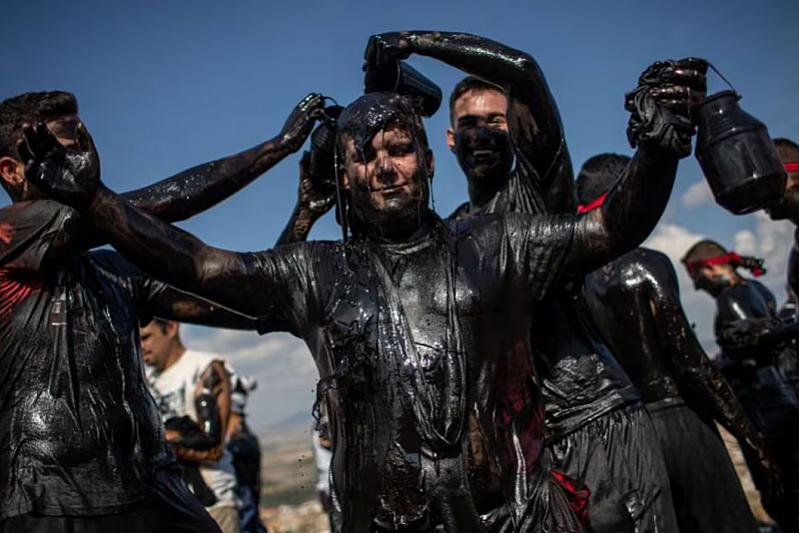
Fiesta del Cascamorras
The Fiesta del Cascamorras is one of Spain's most extraordinary and bizarre festivals. Every 6 September, a man covered in black grease (the Cascamorras) attempts to run from the town of Guadix to Baza to reclaim a statue of the Virgin of Piedad — while thousands of equally grease-covered locals try to stop him. The result is a spectacular, chaotic, oil-black mass of humanity. Declared a Festival of International Tourist Interest, it's an ancient rivalry turned into joyful, slippery mayhem.
 May
May
Festival de los Patios de Córdoba
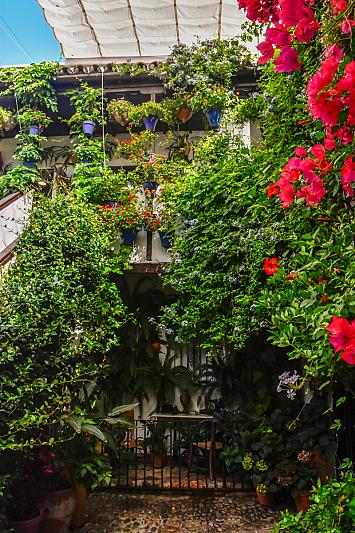
Every May, the residents of Córdoba open the doors of their private courtyards, revealing breathtaking displays of flowers, ceramics and fountains. Declared UNESCO Intangible Cultural Heritage in 2012, this is one of Spain's most beautiful and photogenic traditions.
 May
May
Cruces de Mayo de Granada
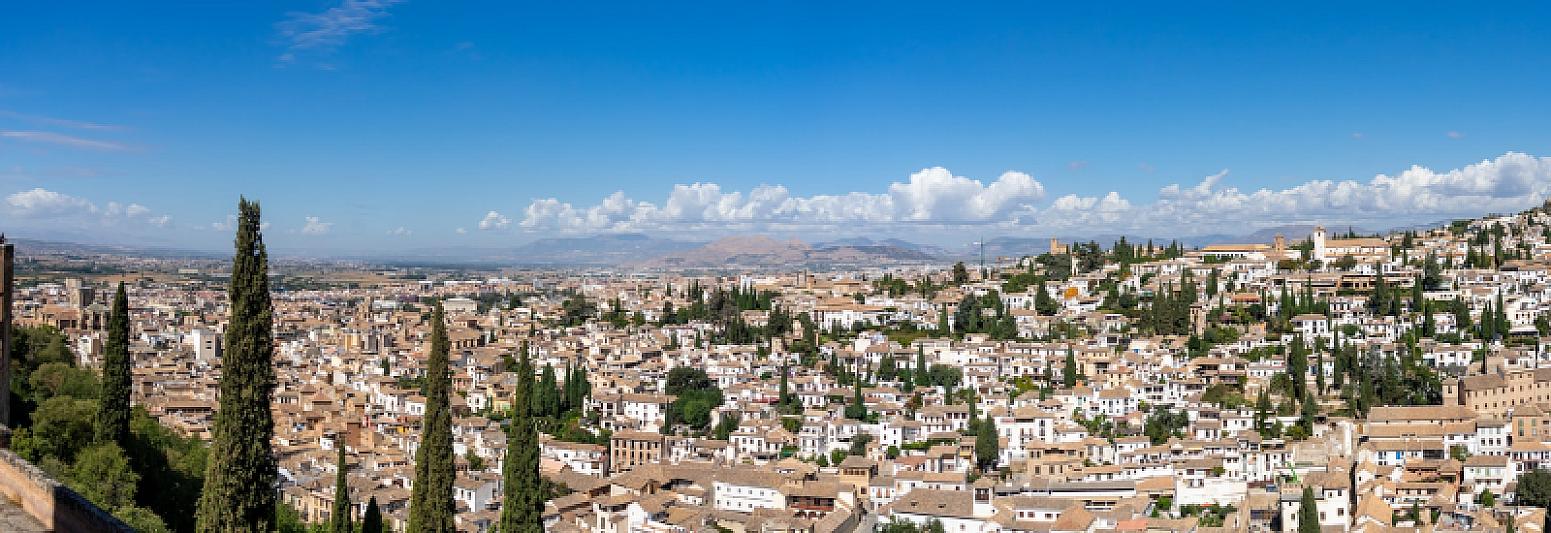
On May 3rd, Granada's plazas and streets fill with giant crosses lavishly decorated with flowers, surrounded by makeshift bars, flamenco music, and the aroma of free tapas. Neighbourhoods compete for the most beautiful cross in one of Andalusia's most joyful spring celebrations.