Fiesta de la Virgen del Carmen
On July 16th, every fishing village and coastal town in Spain honours the Virgen del Carmen, patron saint of fishermen and sailors. Statues of the Virgin are carried in procession to the sea and placed on decorated boats for a maritime parade — one of Spain's most photogenic summer traditions.
Highlights
- Maritime processions in hundreds of coastal towns
- Virgin's statue carried to sea on decorated boats
- Flotilla of local fishing boats accompanies the procession
- Fireworks over the water at sunset
- Celebrated across all of coastal Spain on July 16th
- Seafood feasts and beach parties
The Fiesta de la Virgen del Carmen is celebrated in hundreds of coastal communities across Spain on July 16th. The Virgin of Mount Carmel is the patron saint of fishermen, sailors, and the Spanish Navy, making this one of the most widespread maritime festivals in the Mediterranean.
The celebrations follow a common pattern: a religious mass is followed by a procession carrying the statue of the Virgin through the town streets to the harbour. The Virgin is then placed on a decorated fishing boat and taken out to sea, accompanied by a flotilla of local boats. Fireworks, music, and seafood feasts complete the celebration.
The most famous celebrations take place in Puerto de la Cruz (Tenerife), Estepona (Málaga), Fuengirola, Nerja, and many Galician and Cantabrian fishing ports.
History & Origins
Devotion to the Virgen del Carmen dates to the 12th-century Carmelite order. In Spain, the tradition of maritime processions became widespread in the 18th century when the Virgin was declared patron of the Spanish Navy. Today it remains one of the most deeply felt religious celebrations in fishing communities.
What to Expect
A deeply atmospheric celebration. The sight of decorated boats carrying the Virgin across a calm summer sea, accompanied by the sound of fireworks and church bells, is unforgettable. Each town has its own character — smaller villages feel more authentic, while larger towns have bigger celebrations.
How to Get There
Celebrated in hundreds of coastal towns. Choose your location and check local transport. Most coastal towns are accessible by car, bus, or regional train. Major airports along the coast: Málaga, Alicante, Valencia, Barcelona, Tenerife.
Tips & Advice
- Choose a small fishing village for the most authentic experience
- The maritime procession is usually late afternoon/sunset
- Arrive early to secure a harbourside viewing spot
- July 16 falls mid-summer — combine with a beach holiday
- Top locations: Nerja, Estepona, Puerto de la Cruz, Combarro
Plan Your Trip
Book accommodation and transport for this festival. Get the best deals on hotels and train tickets.
This page contains affiliate links. We may earn a commission at no extra cost to you.
 May
May
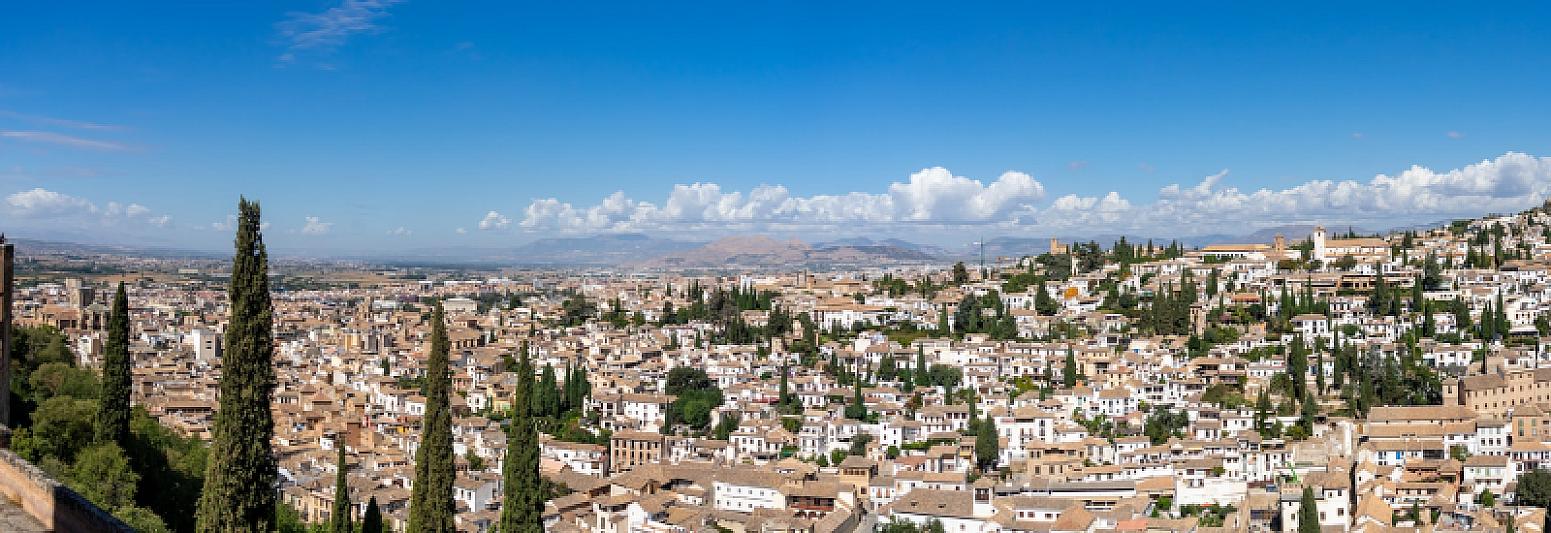
Cruces de Mayo de Granada
On May 3rd, Granada's plazas and streets fill with giant crosses lavishly decorated with flowers, surrounded by makeshift bars, flamenco music, and the aroma of free tapas. Neighbourhoods compete for the most beautiful cross in one of Andalusia's most joyful spring celebrations.
 May
May
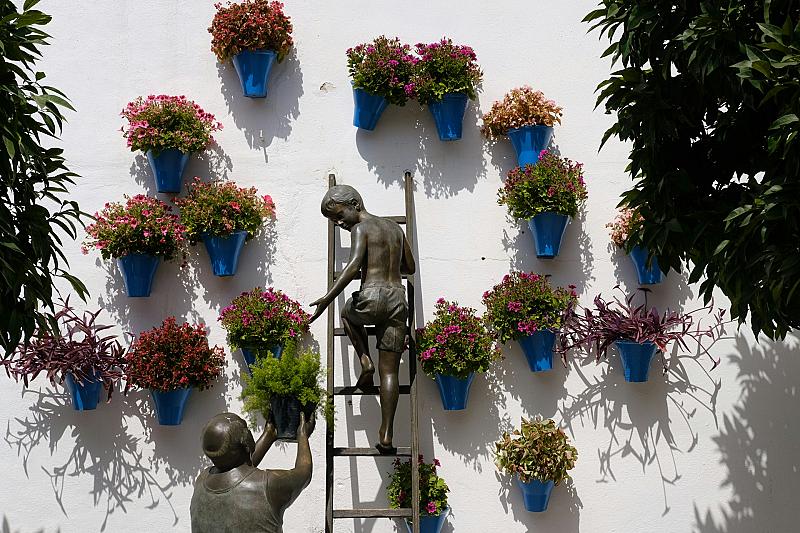
Patios Festival (Córdoba)
The Córdoba Patios Festival (Fiesta de los Patios) is held each May, when private courtyards open to the public and compete for prizes based on floral decoration and traditional design.
 June
June
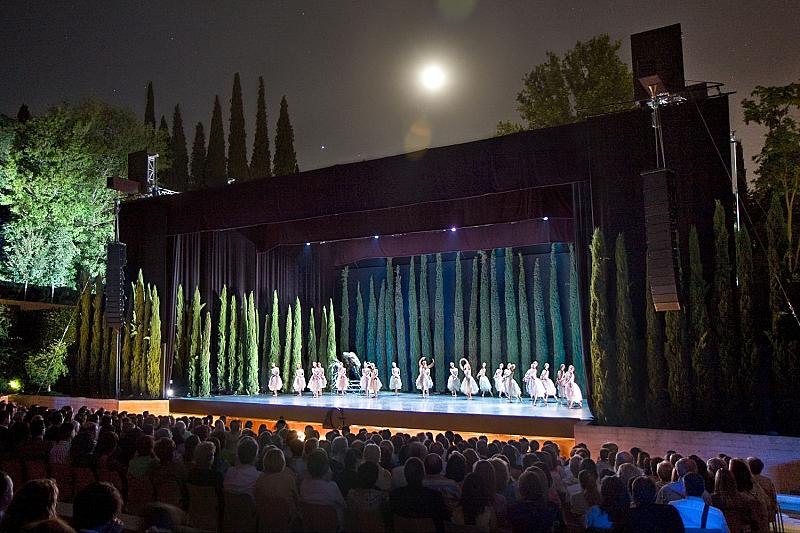
Granada International Festival of Music and Dance
One of Europe's most prestigious performing arts festivals, held in stunning venues including the Alhambra and Generalife gardens. Since 1952, world-class ballet, flamenco, classical music, and opera.
 May
May
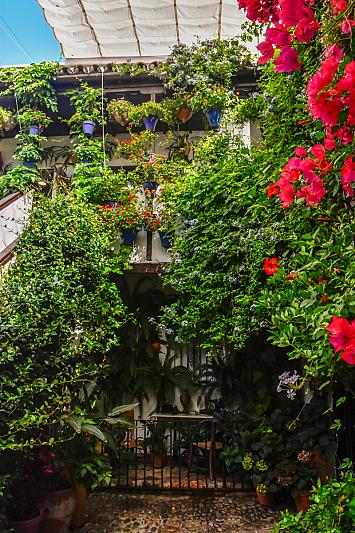
Festival de los Patios de Córdoba
Every May, the residents of Córdoba open the doors of their private courtyards, revealing breathtaking displays of flowers, ceramics and fountains. Declared UNESCO Intangible Cultural Heritage in 2012, this is one of Spain's most beautiful and photogenic traditions.