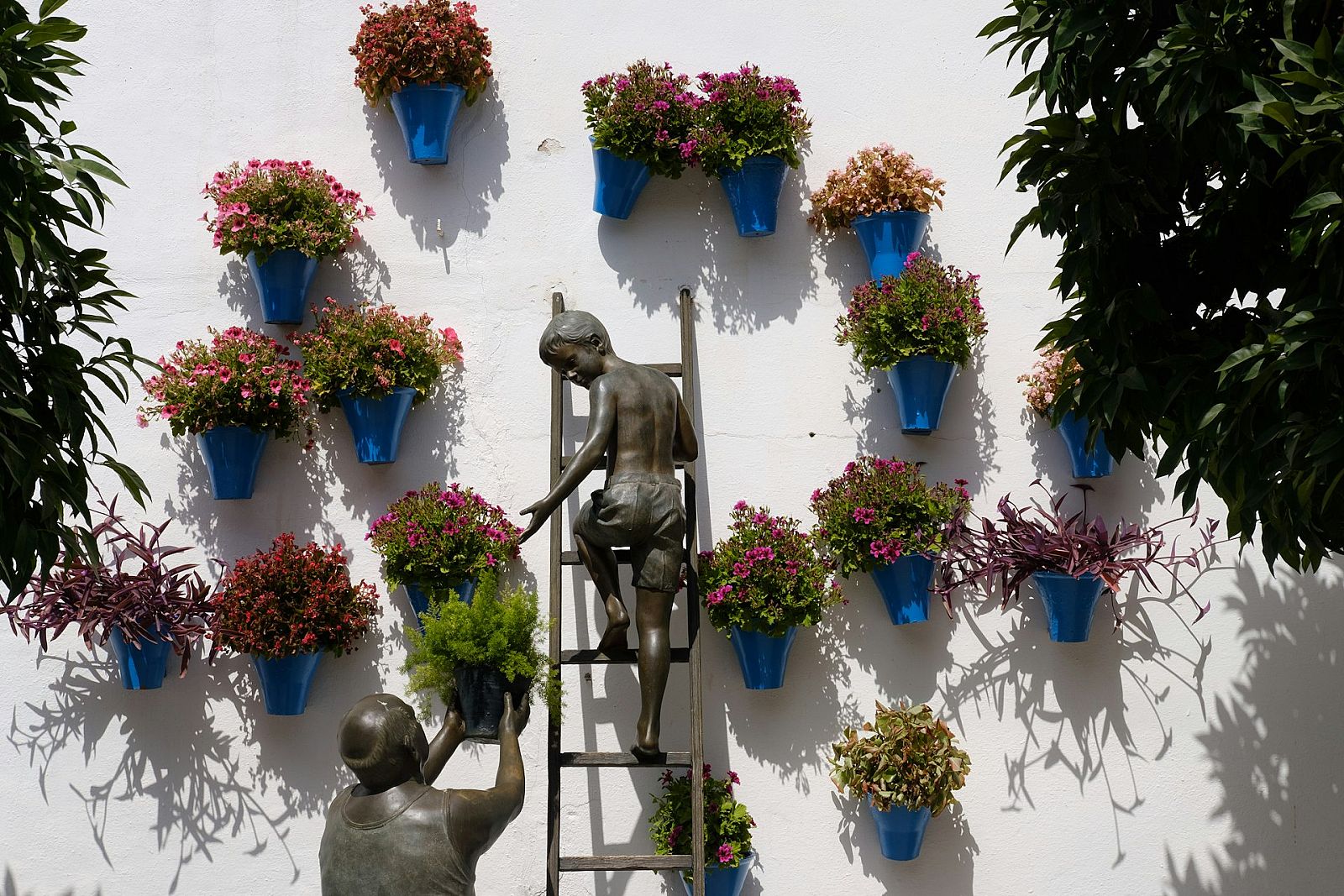
Patios Festival (Córdoba)
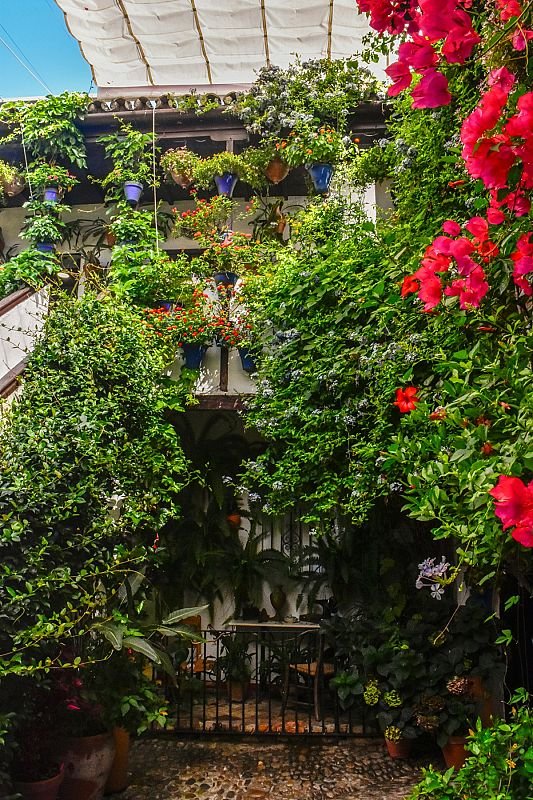
The Córdoba Patios Festival (Fiesta de los Patios) is held each May, when private courtyards open to the public and compete for prizes based on floral decoration and traditional design.
Highlights
Top highlights and practical advice are covered in the guide sections above.
Córdoba Patios Festival: Complete Visitor Guide
Quick answer
The Córdoba Patios Festival (Fiesta de los Patios) is held each May, when private courtyards open to the public and compete for prizes based on floral decoration and traditional design.
Why this festival matters
The festival celebrates neighborhood culture, architecture, and shared community spaces in Córdoba’s historic center. Patio culture in Córdoba was inscribed by UNESCO as Intangible Cultural Heritage in 2012.
Typical dates and schedule
- Usually held in **May** (often around 10–14 days).
- Patio visiting hours are typically split into morning and evening blocks.
- Entry to participating patios is generally free.
> Always verify exact dates and time slots on the official municipal website before booking.
What you’ll see
- Whitewashed courtyards with geraniums, carnations, jasmine, and climbing plants
- Decorative tiles, wells, fountains, and wrought-iron details
- Traditional houses in districts like San Basilio, Santa Marina, and Alcázar Viejo
Practical travel info
Getting there
- **Nearest airport:** Seville (SVQ) or Málaga (AGP), then train/bus to Córdoba.
- **Best rail option:** AVE/high-speed or media distancia rail links from Madrid, Seville, Málaga.
- **Within the city:** Most patio routes are walkable; taxis and local buses help connect outer points.
Where to stay
- Book in advance (8–12 weeks) in central areas: Judería, Centro, San Basilio.
- Choose accommodation with flexible cancellation in case route timings change.
Budget guide (typical)
- Mid-range hotel: €90–180/night in festival period
- Meals: €15–35 per person for casual dining
- Local transport: €1.30–1.60 per city bus trip (approx.)
Visitor etiquette
- Keep voice low in residential patios.
- Do not touch plants or decorations.
- Wait your turn in narrow entrances.
- Follow no-photo signs where posted.
Suggested one-day itinerary
1. Morning patio route in San Basilio
2. Lunch near the Roman Bridge or Judería
3. Afternoon rest (warm temperatures are common)
4. Evening patio route + flamenco peña or tavern dinner
FAQ (EN)
Is the Córdoba Patios Festival free?
Most participating patios are free to enter, though guided tours or premium experiences can have a fee.
When should I book hotels?
Book at least 2 months ahead. Prices and availability tighten quickly during festival weekends.
Is the festival suitable for families?
Yes. Routes are family-friendly, but some lanes are narrow and can get crowded during peak hours.
Do I need a guided tour?
Not required, but a guided route helps with historical context and can improve time management.
Gallery
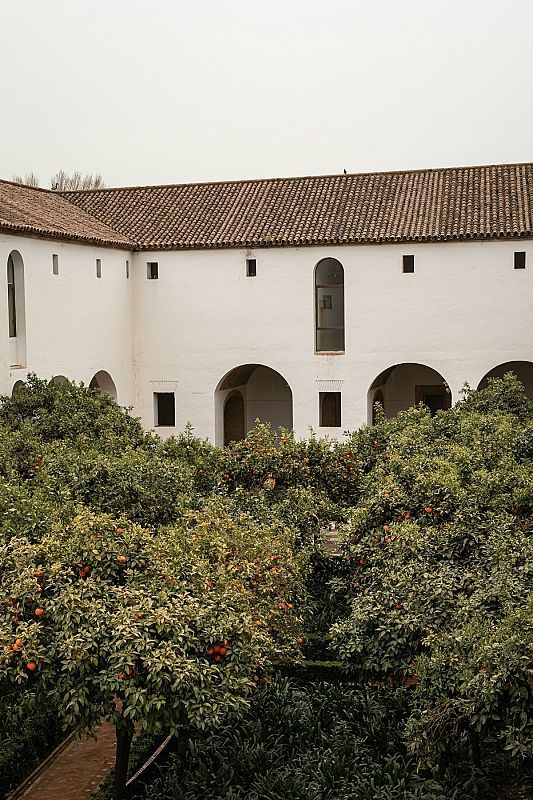
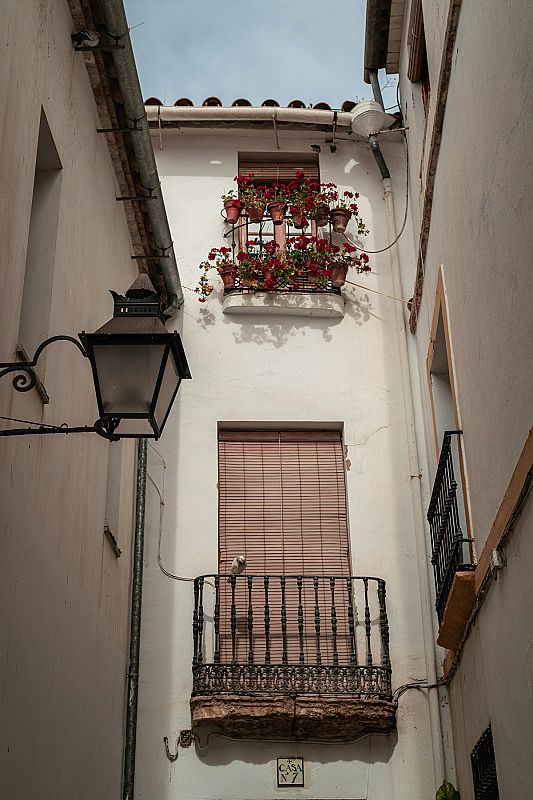
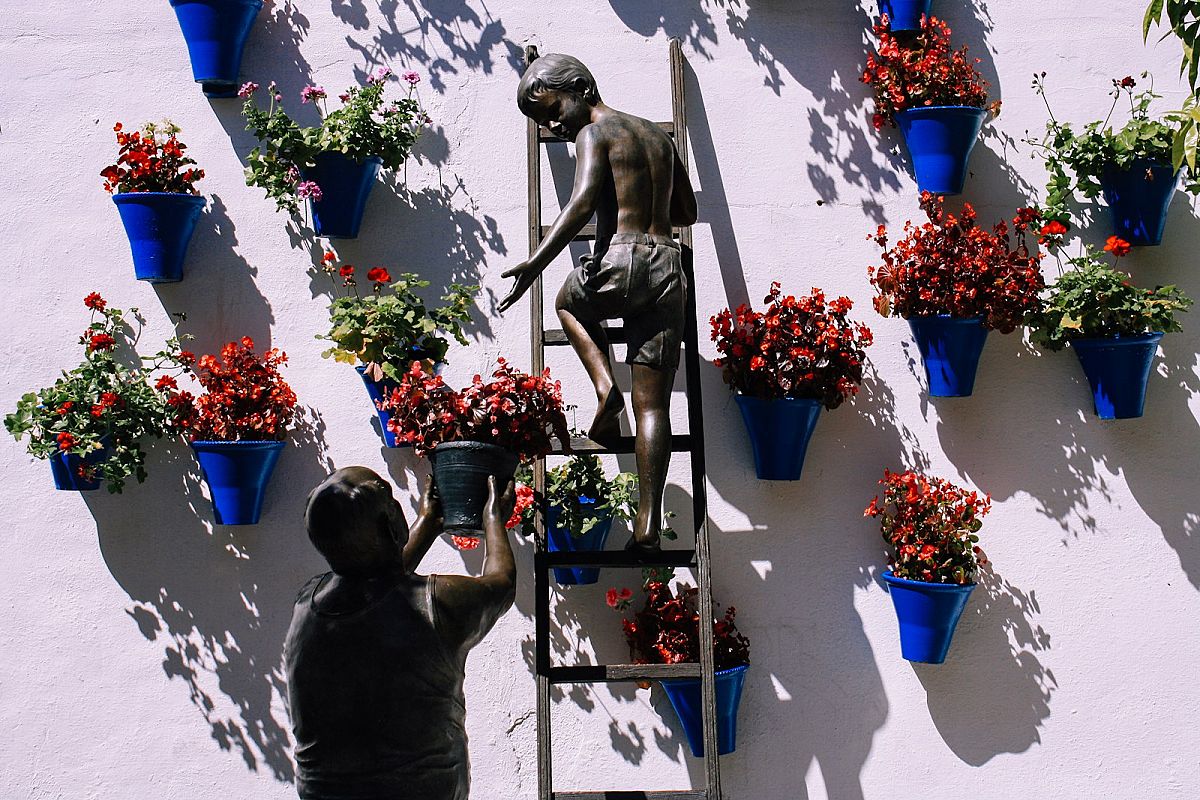
Video
History & Origins
See official sources listed below for historical context and annual updates.
What to Expect
Expect high demand around key dates. Plan transport and accommodation in advance.
How to Get There
Use nearest airport/train/bus options listed in this guide and check official updates before travel.
Tips & Advice
Follow local rules, safety guidance, and official schedules.
Plan Your Trip
Book accommodation and transport for this festival. Get the best deals on hotels and train tickets.
This page contains affiliate links. We may earn a commission at no extra cost to you.
 May
May
Romería del Rocío
The Romería del Rocío is one of the most extraordinary religious and cultural events in the world — a mass pilgrimage to the shrine of the Virgen del Rocío (the White Dove) in the village of El Rocío, on the edge of the Doñana National Park in Huelva, Andalusia.
 September
Fiesta del Cascamorras
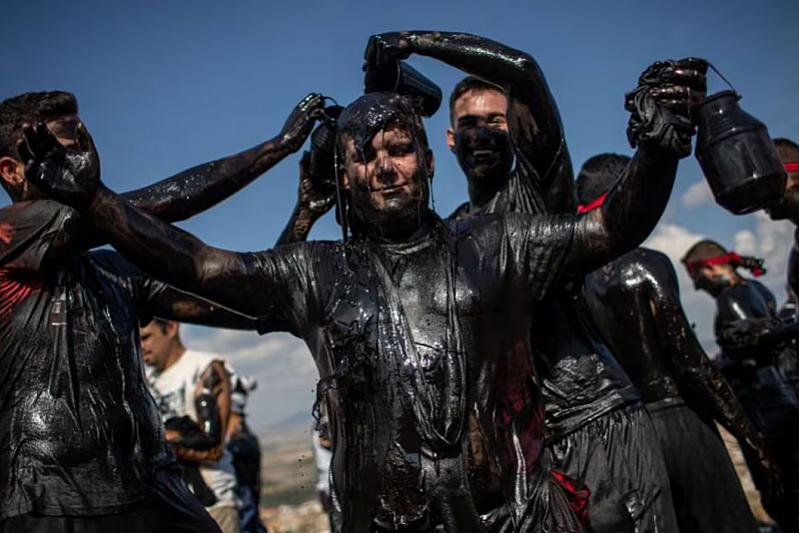
The Fiesta del Cascamorras is one of Spain's most extraordinary and bizarre festivals. Every 6 September, a man covered in black grease (the Cascamorras) attempts to run from the town of Guadix to Baza to reclaim a statue of the Virgin of Piedad — while thousands of equally grease-covered locals try to stop him. The result is a spectacular, chaotic, oil-black mass of humanity. Declared a Festival of International Tourist Interest, it's an ancient rivalry turned into joyful, slippery mayhem.
 May
May
Festival de los Patios de Córdoba
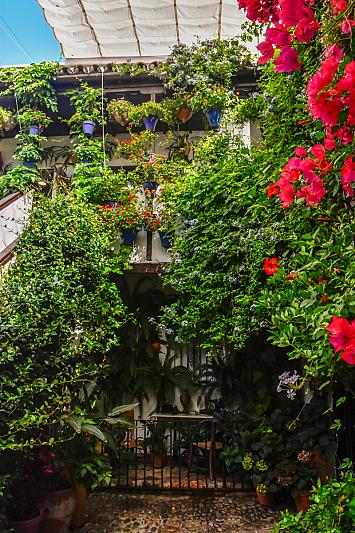
Every May, the residents of Córdoba open the doors of their private courtyards, revealing breathtaking displays of flowers, ceramics and fountains. Declared UNESCO Intangible Cultural Heritage in 2012, this is one of Spain's most beautiful and photogenic traditions.
 April
April
Feria de Abril
The Feria de Abril (April Fair) of Seville is one of the most joyful and glamorous festivals in Spain — a six-day explosion of flamenco, fine horses, manzanilla sherry, and sevillana dancing that transforms the city's fairgrounds into the most colourful party in Andalusia.