Carreras de Caballos de Sanlúcar
Since 1845, English-style horse races along the shore at low tide. Two three-day cycles in August with Doñana National Park as backdrop.
Highlights
Spain's oldest continuously run horse races, dating back to 1845
Thoroughbreds race along the open sand of Sanlucar's beach at dusk
Two three-day race cycles held each August, timed around the tides
Views across the Guadalquivir estuary toward Donana National Park
Since 1845, Sanlúcar de Barrameda has raced thoroughbred horses along three kilometres of open beach at the mouth of the Guadalquivir river, timed to low tide so the hard, flat sand near the water's edge becomes a natural racetrack. Two three-day meets run in August — the exact dates set each year by the tide tables — drawing jockeys, breeders and spectators from across Spain to what is recognised as the oldest continuously run beach horse racing event in Europe, declared a Festival of International Tourist Interest. Doñana National Park sits directly across the river mouth as backdrop, and the atmosphere is as much about the scene as the sport: beachfront grandstands, informal betting among spectators standing right at the rail, and the town's casetas open late into the night between race days.
History & Origins
Racing along the sands of Sanlucar de Barrameda is believed to have begun informally in the early nineteenth century, when local sherry merchants and horse breeders tested their animals' speed on the flat, hard-packed beach at the mouth of the Guadalquivir river. The tradition was formalised in 1845 with the founding of the Real Sociedad de Carreras de Caballos de Sanlucar de Barrameda, and the first organised meeting was held that same year on the 31st of August. This makes the Sanlucar races the oldest continuously celebrated horse racing event in Spain, predating every other fixture on the modern Spanish turf calendar. In recognition of this heritage, the event has been declared a Fiesta de Interes Turistico both Andaluz, Nacional, and Internacional.
What to Expect
Unlike a conventional racecourse, the track here is simply the wide, flat beach of Sanlucar, with the finish line marked out on the sand at the mouth of the Guadalquivir. Races are staged over two three-day cycles each August, with the exact dates set according to the tides so that jockeys can run on firm, exposed sand as the sea recedes at dusk. Thoroughbreds and riders from leading Andalusian stables compete along a straight sprint course, watched by crowds gathered along the shoreline and in temporary grandstands, with the estuary and the wetlands of Donana National Park visible across the water. The atmosphere combines serious competition with a festive beach outing, complete with informal betting, food stalls, and live music around the race area.
How to Get There
Sanlucar de Barrameda lies in the province of Cadiz, in western Andalusia, at the point where the Guadalquivir river meets the Atlantic. The nearest airport is Jerez de la Frontera, roughly 45 minutes away by car, with Seville airport about an hour and a half away. Regular bus services connect Sanlucar with Jerez, Cadiz, and Seville, and the town is also reachable by car via the A-480 and A-471 roads. Once in town, the beach and race area lie within easy walking distance of the historic centre, so a car is only needed to get to Sanlucar itself, not to get around once there.
Tips & Advice
Since race dates shift each year to match the tides, check the official calendar of the Real Sociedad de Carreras before planning a trip. Arrive early to claim a good spot along the beach, as the best viewing areas fill up quickly, especially on the final day of each three-day cycle. Bring cash for informal betting stalls and food vendors, and dress for a beach environment with comfortable shoes, sun protection, and something to sit on in the sand. Evenings by the Guadalquivir can turn breezy, so a light layer is worth carrying even on hot August days.
Plan Your Trip
Book accommodation and transport for this festival. Get the best deals on hotels and train tickets.
This page contains affiliate links. We may earn a commission at no extra cost to you.
 August
Feria de Málaga
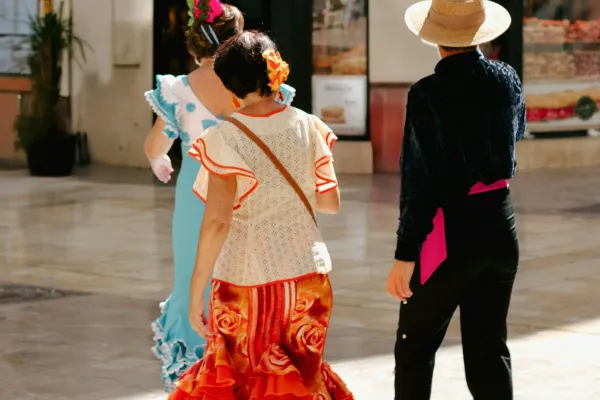
Feria de Málaga is the city’s major August fair, combining daytime celebrations in the historic center with nighttime festivities at the fairground (Real de la Feria).
 March
March
Semana Santa
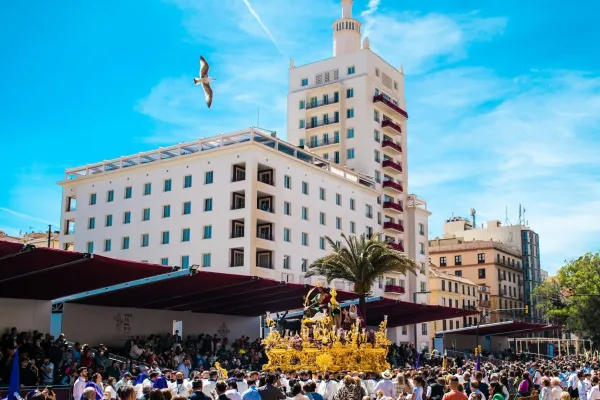
Semana Santa (Holy Week) is arguably Spain's most emotionally powerful and visually stunning festival. In the week leading up to Easter Sunday, cities and towns across the country fill with solemn religious processions, haunting music, clouds of incense, and enormous ornate floats (pasos) carried by hundreds of robed nazarenos.
 April
April
Feria de Abril
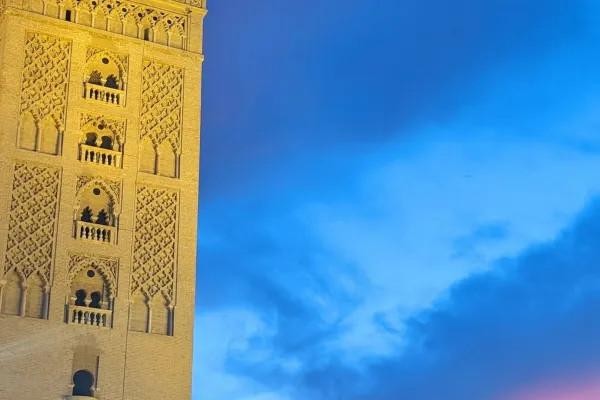
The Feria de Abril (April Fair) of Seville is one of the most joyful and glamorous festivals in Spain — a six-day explosion of flamenco, fine horses, manzanilla sherry, and sevillana dancing that transforms the city's fairgrounds into the most colourful party in Andalusia.
 June
June
Granada International Festival of Music and Dance
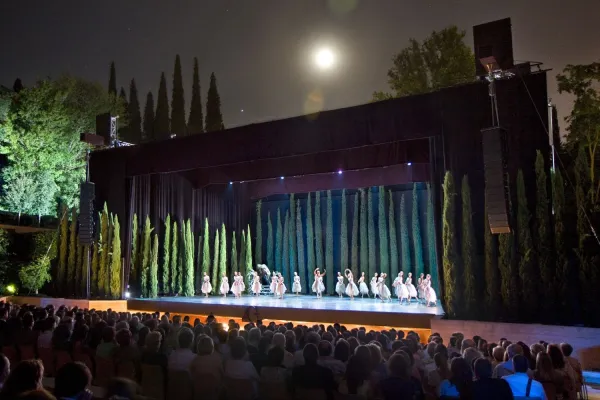
One of Europe's most prestigious performing arts festivals, held in stunning venues including the Alhambra and Generalife gardens. Since 1952, world-class ballet, flamenco, classical music, and opera.