Festival de los Patios de Córdoba
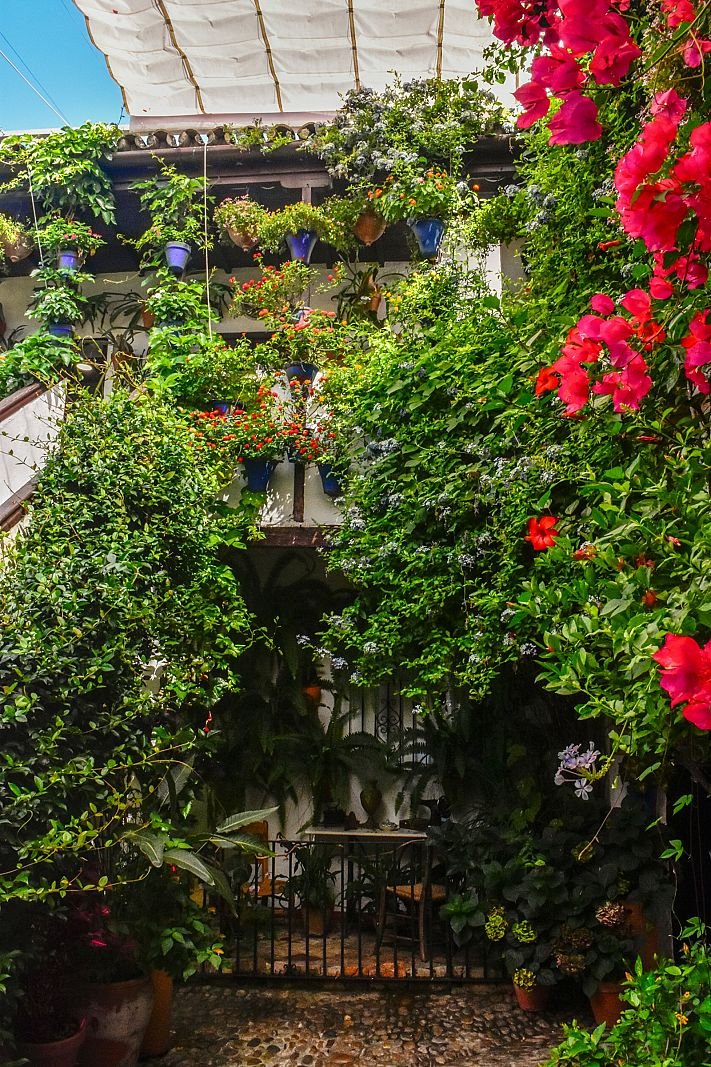
Every May, the residents of Córdoba open the doors of their private courtyards, revealing breathtaking displays of flowers, ceramics and fountains. Declared UNESCO Intangible Cultural Heritage in 2012, this is one of Spain's most beautiful and photogenic traditions.
Highlights
- Over 50 private courtyards open to the public for free
- UNESCO Intangible Cultural Heritage since 2012
- 800,000+ visitors annually
- Two categories: historic communal patios and private family patios
- Evening visits with live flamenco and tapas
- Combine with the Mezquita, Alcázar, and Roman Bridge
The Festival de los Patios de Córdoba is a unique celebration where homeowners in the historic centre compete to have the most beautifully decorated courtyard. For two weeks in May, dozens of private patios — normally hidden behind whitewashed walls — are opened to the public free of charge.
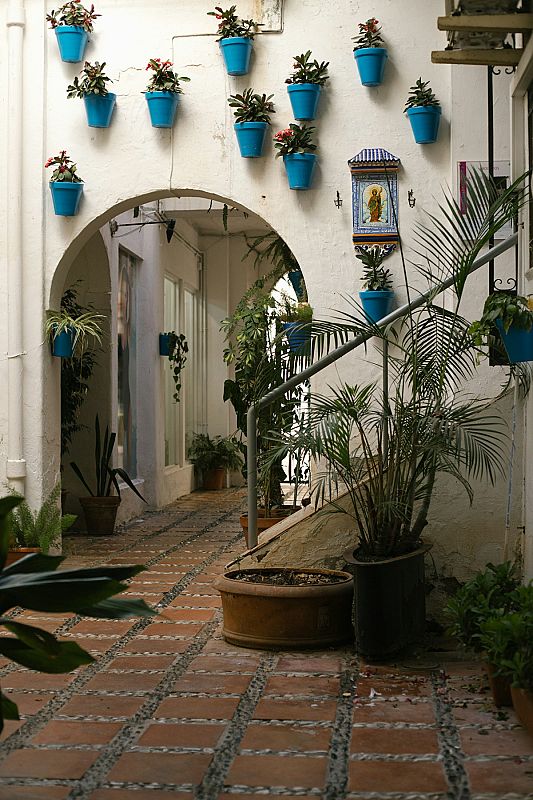
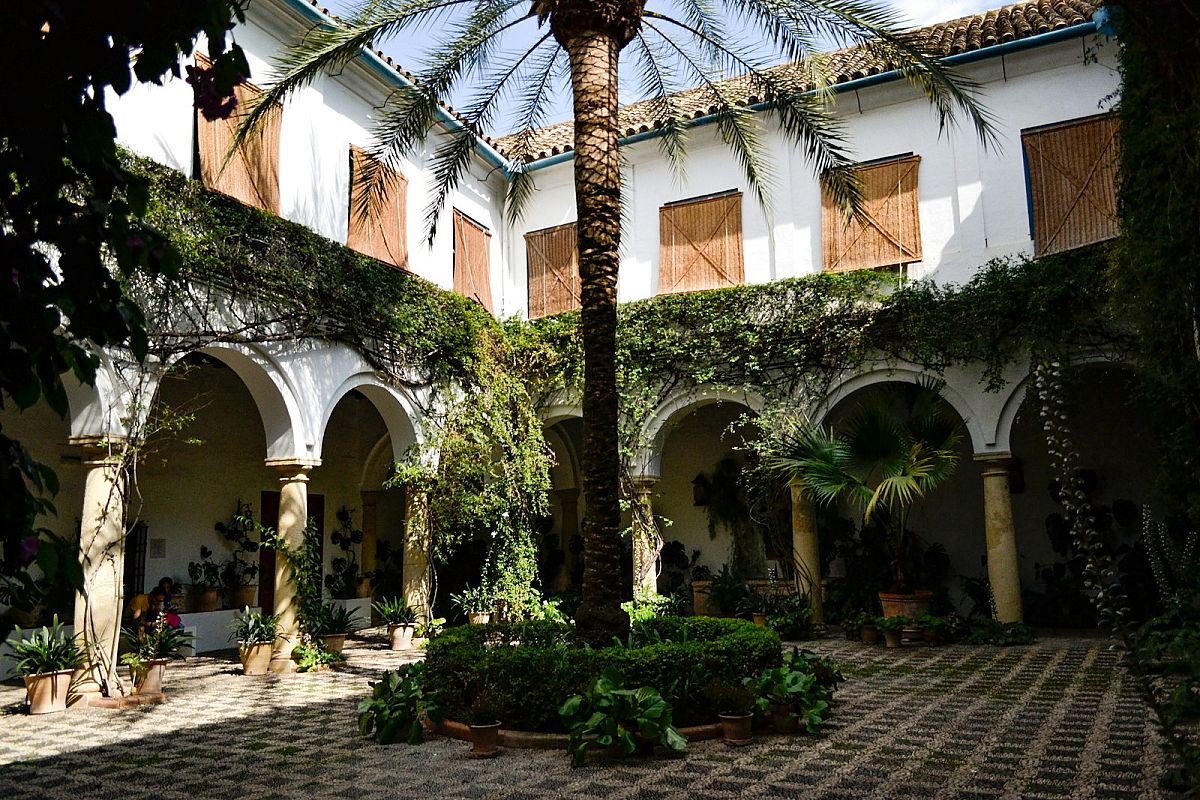
Walking through the narrow streets of the Judería, San Basilio, and Santa Marina neighbourhoods, visitors discover an explosion of colour: geraniums cascading from wrought-iron balconies, jasmine perfuming the air, and century-old orange trees shading mosaic floors.
The tradition dates back to the early 20th century when the city council first organised a patio competition in 1921. Today it draws over 800,000 visitors annually. In 2012, UNESCO inscribed the festival on its Representative List of the Intangible Cultural Heritage of Humanity.
The patios are divided into two categories: historic communal patios and modern private patios. A jury scores them on floral decoration, conservation, and overall beauty. Beyond the competition, the festival is a celebration of community — neighbours gather for tapas, wine, and flamenco late into the warm Andalusian nights.
How to experience the Córdoba Patios respectfully
The Patios de Córdoba are lived spaces, not purpose-built exhibition rooms. Owners and volunteers open courtyards that normally belong to private homes, and the fragile plants, narrow entrances and residential streets require patience. Choose a compact group of patios rather than trying to visit every address. A shorter route with time to look, listen and thank the hosts is more valuable than collecting entrances.
Queues can form unevenly, while another courtyard nearby may be quiet. Follow the current map and steward instructions, never touch pots or decorations, keep voices low and avoid blocking a doorway. Ask before using flash or photographing residents. If a patio reaches capacity, accept the pause as part of protecting the house.
Festival de los Patios de Córdoba programme and daily planning
The detailed programme should shape the trip, not the other way around. Confirm the current dates, venues, reservation rules and late changes through the organiser or Córdoba's official visitor information. Older schedules remain useful for understanding the character of the event but cannot guarantee this edition's times. Save the essential listings offline and check them again before leaving the accommodation.
Build each day around one priority and one nearby alternative. Leave room for queues, security checks, street closures and a meal away from the busiest area. If an event reaches capacity or moves because of weather, the backup keeps the day enjoyable. Avoid buying a non-refundable journey tied to one unconfirmed performance.
Where to stay for Festival de los Patios de Córdoba
Choose accommodation by the journey home as well as the journey in. A central property may reduce late transport but can bring noise, crowds and a higher rate. A quieter district can be better value when it has a direct, dependable connection. Check the real walking route, hills, lighting and temporary closures rather than relying on straight-line map distance.
Compare cancellation terms, reception hours, luggage storage and accessibility before paying. Ask whether festival restrictions affect vehicle access or check-in. Reserve early when demand is strong, but never transfer money outside a protected booking channel. Keep the address and reservation details available without mobile data.
Transport and arrival strategy
Public transport and walking are often more predictable than driving during a large celebration. Consult live municipal notices because stations, bus stops and traffic routes can change. Plan at least two ways back and note the last practical connection. A charged phone and offline map help, but every traveller should also know the meeting point and accommodation address.
Arrive early enough to understand the area before it becomes crowded. Identify toilets, exits, medical assistance and a quiet place to regroup. Visitors with reduced mobility should confirm step-free routes and accessible viewing for the specific venue; city-wide accessibility statements do not answer every entrance or historic street.
Tickets, costs and avoiding bad purchases
Separate free public activity from reserved seats, concerts or special venues. Read the listing for each event and use only the sales route named by the organiser. Never assume that a festival pass covers an associated activity, or that a public square guarantees admission after capacity is reached. Keep proof of purchase offline.
A realistic budget includes accommodation, meals, local transport and an emergency reserve. Prices change, so current official listings and menus are more useful than old averages. Flexible plans often save more than chasing the cheapest non-refundable option. Decline unofficial tickets that cannot be transferred through an approved system.
Clothing, weather and personal safety
Comfortable closed shoes and adaptable layers suit long hours outdoors. Check the forecast, carry water where permitted and use sun or rain protection as conditions require. Take only a compact secure bag and review prohibited items before arrival. Keep valuables in inner pockets and avoid displaying a phone unnecessarily in dense crowds.
Eat regularly, pace alcohol and step into a quieter area before tiredness becomes a problem. Never block emergency access or ignore a steward's direction. If the group separates, return to the agreed point rather than pushing against crowd flow. Call for professional help when someone is unwell, lost or unsafe.
Local etiquette and a better visitor experience
Festival de los Patios de Córdoba belongs first to the people who sustain it. Keep residential entrances open, lower your voice during solemn activity and ask before taking close portraits. Do not climb street furniture or cross a procession, performance or controlled route for a photograph. Leave no litter and follow local rules even when other visitors do not.
Learn the names of the main traditions before arrival and listen to local explanations. A slower itinerary creates more meaningful encounters than racing through every headline. Use the Spain festival calendar to compare dates and avoid an unrealistic multi-city schedule.
Festival de los Patios de Córdoba FAQ
Do I need a ticket?
Some public activity may be free while specific events require booking or have capacity controls. Check every item in the current official programme.
How early should I arrive?
Allow time for transport changes, walking and security. Popular events need a larger margin, but the organiser's current access notice is the best guide.
Is the festival suitable for children or limited mobility?
Often yes, with careful selection. Compare noise, crowd density, toilets, surfaces and accessible entrances for the exact event before committing.
Gallery
History & Origins
The tradition of decorating courtyards in Córdoba stretches back to Roman times. The Moors refined this into an art form, creating intricate water features and lush gardens as an earthly echo of paradise. After the Reconquista, Christian families preserved this heritage.
The first official Patio Competition was held in 1921. Through the Civil War and Franco era, the festival endured. The UNESCO inscription in 2012 brought international fame, turning a local tradition into a globally recognised cultural event.
What to Expect
Expect to walk a lot. The patios are spread across several neighbourhoods and the best way to experience them is on foot, following routes of 8-12 patios each.
Queues are inevitable at the most famous patios. Visit on weekday mornings for shorter waits, or embrace the evening atmosphere with lanterns and live flamenco.
Beyond the patios, the city comes alive with pop-up bars serving salmorejo and Montilla-Moriles wine, and warm May evenings perfect for lingering in the Judería.
How to Get There
By Train: Córdoba is on the AVE high-speed line. From Madrid: 1h45m. From Seville: 45 minutes. Station is 20 minutes' walk from the centre.
By Car: On the A-4 motorway between Madrid and the coast. Parking is very limited during the festival.
By Air: Nearest airports: Seville (SVQ, 140 km) and Málaga (AGP, 165 km).
Tips & Advice
- Visit early morning or late evening to avoid peak crowds
- Wear comfortable walking shoes for cobblestone streets
- Download the official Patios de Córdoba app for maps and queue info
- Book accommodation well in advance
- Midweek is much calmer than weekends
- Don't skip lesser-known patios in Santa Marina
- Try the local Montilla-Moriles wine and salmorejo
Plan Your Trip
Book accommodation and transport for this festival. Get the best deals on hotels and train tickets.
This page contains affiliate links. We may earn a commission at no extra cost to you.
 October
Romería de Valme
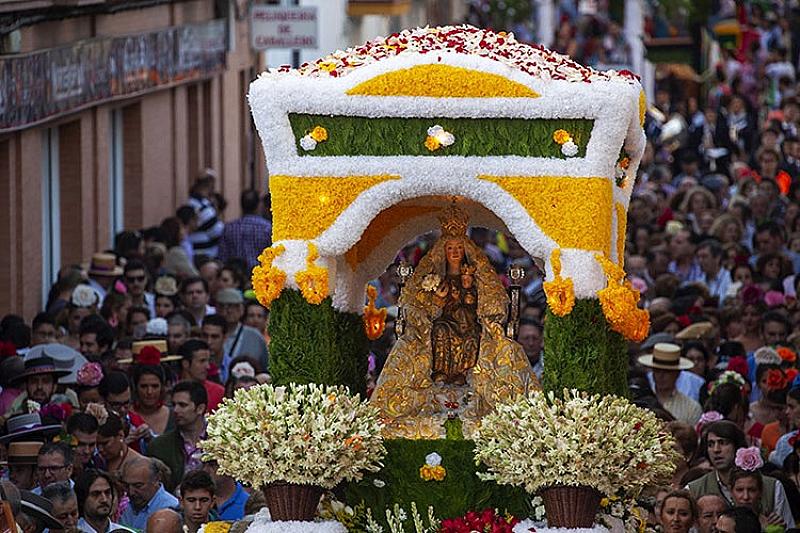
One of Andalusia's grandest pilgrimages brings thousands of decorated carts, horseback riders and flamenco singers from Dos Hermanas to the Valme hacienda on the third Sunday of October.
 April
April
Feria de Abril
The Feria de Abril (April Fair) of Seville is one of the most joyful and glamorous festivals in Spain — a six-day explosion of flamenco, fine horses, manzanilla sherry, and sevillana dancing that transforms the city's fairgrounds into the most colourful party in Andalusia.
 May
May
Cruces de Mayo de Granada
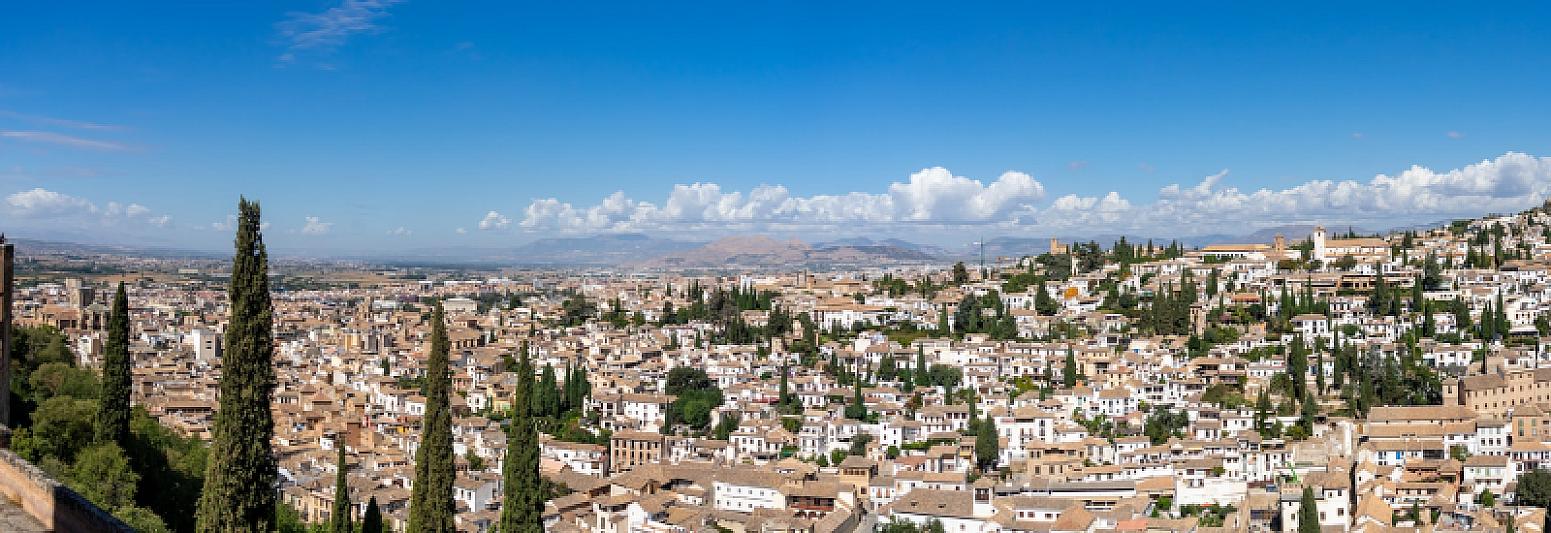
On May 3rd, Granada's plazas and streets fill with giant crosses lavishly decorated with flowers, surrounded by makeshift bars, flamenco music, and the aroma of free tapas. Neighbourhoods compete for the most beautiful cross in one of Andalusia's most joyful spring celebrations.
 May
May
Patios Festival (Córdoba)
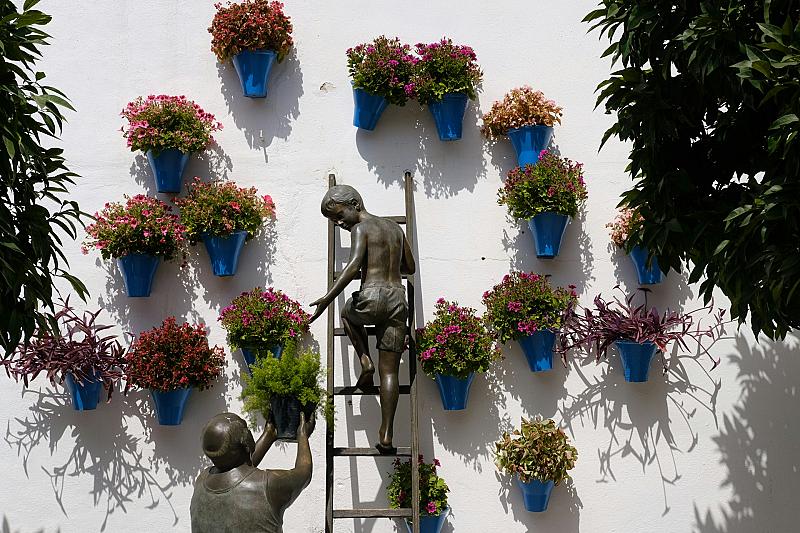
The Córdoba Patios Festival (Fiesta de los Patios) is held each May, when private courtyards open to the public and compete for prizes based on floral decoration and traditional design.