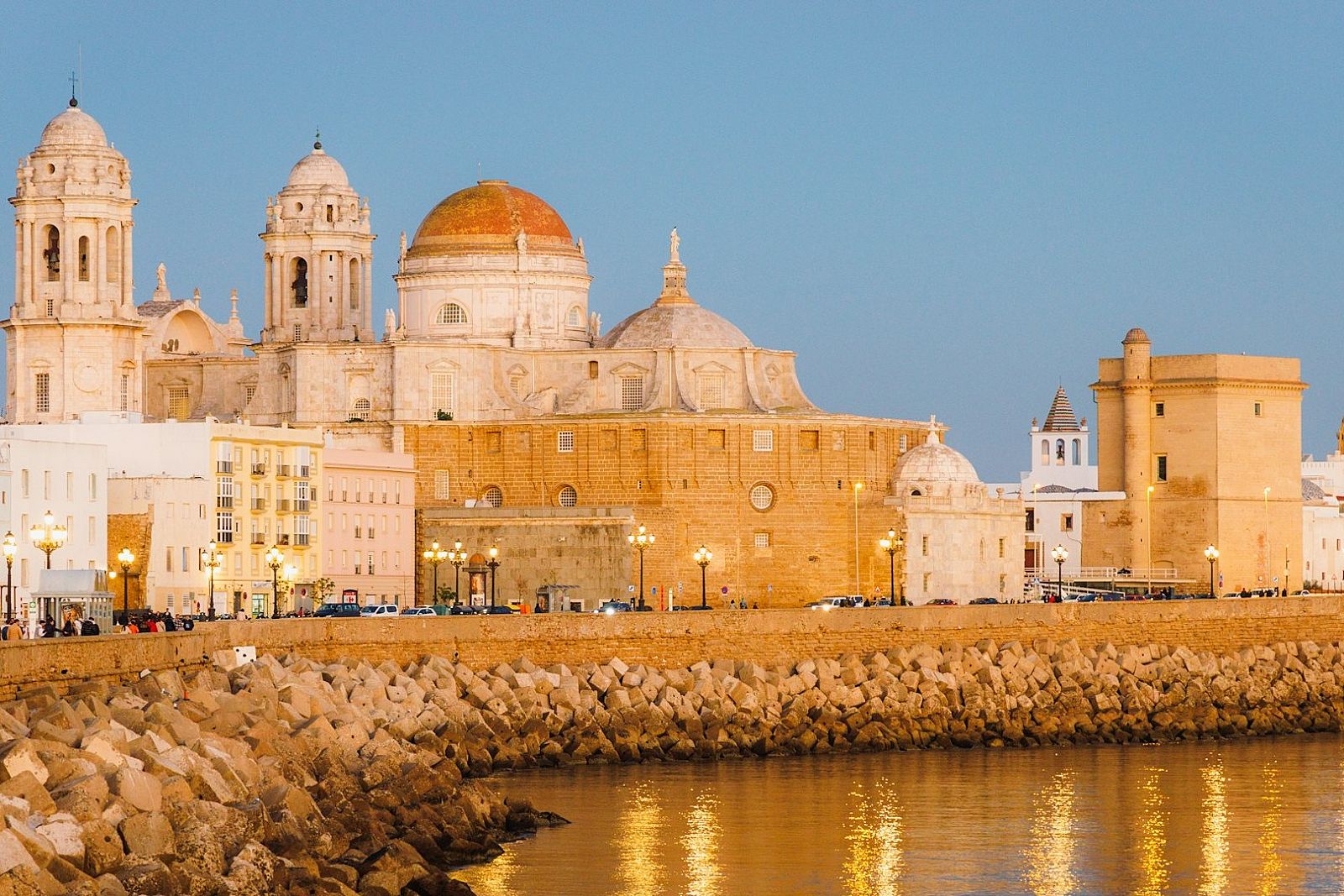
Carnaval de Cádiz
The Carnaval de Cádiz is widely considered Spain's greatest and most original carnival — not for its parade floats or samba schools, but for something uniquely gaditano: the chirigotas, comparsas, and coros — satirical singing groups who spend months composing sharp, political, and hilarious songs performed on the streets and in competition at the Gran Teatro Falla.
Highlights
In a country that knows how to party, the Carnaval de Cádiz stands apart. It is not a spectacle to be watched but a conversation to be joined — a city talking to itself, laughing at its own absurdity, and inviting the world to listen. If you understand the jokes, you'll never forget it.
Date & Schedule
| Detail | Info |
|---|---|
| Official dates 2027 | 4–14 February 2027 |
| Gran Teatro Falla competition | Throughout the festival (evenings) |
| Street carnival (unofficial days) | Weekends before and after official dates |
| Closing Sunday (Domingo de Piñata) | 9 March 2027 |
| Location | Cádiz, Andalusia, Spain |
What Makes Cádiz Carnival Unique
Unlike Rio or Venice, Cádiz Carnival is word-based, satirical, and deeply local. The city's groups spend an entire year composing songs — often scathing critiques of politicians, local scandals, or global absurdities — that they perform in costume to audiences packed into the streets and theatres.
The main musical formats:
| Group | Description |
|---|---|
| Chirigotas | Comic groups (10–15 people) with funny, irreverent songs |
| Comparsas | More lyrical, emotional groups with beautiful harmonies |
| Coros | Large choral groups (up to 50 people) with guitars and lutes |
| Cuartetos | Small sketch groups with theatrical performances |
| Romanceros | Solo or duo performers singing street ballads |
The Competition at Gran Teatro Falla
The official heart of the carnival is the competition held at the historic Gran Teatro Falla. Groups compete over two weeks of preliminary rounds, semi-finals, and a grand final. Winning a prize here is the greatest honour in gaditano culture.
- Tickets sell out immediately — book online the moment they go on sale (usually January)
- Even without tickets, you can watch groups perform on the streets for free
The Street Carnival
The streets of Cádiz's old town become one enormous open-air party during the carnival weekends. Every bar, square, and alleyway fills with costumed revellers, impromptu performances, and groups singing their contest songs for free.
Best areas:
- Plaza de San Juan de Dios – the main gathering point
- La Viña neighbourhood – the most traditional barrio, home of the carnival
- Paseo Marítimo – seafront promenade parties
- Plaza de Candelaria – musical hub
Cádiz – The City
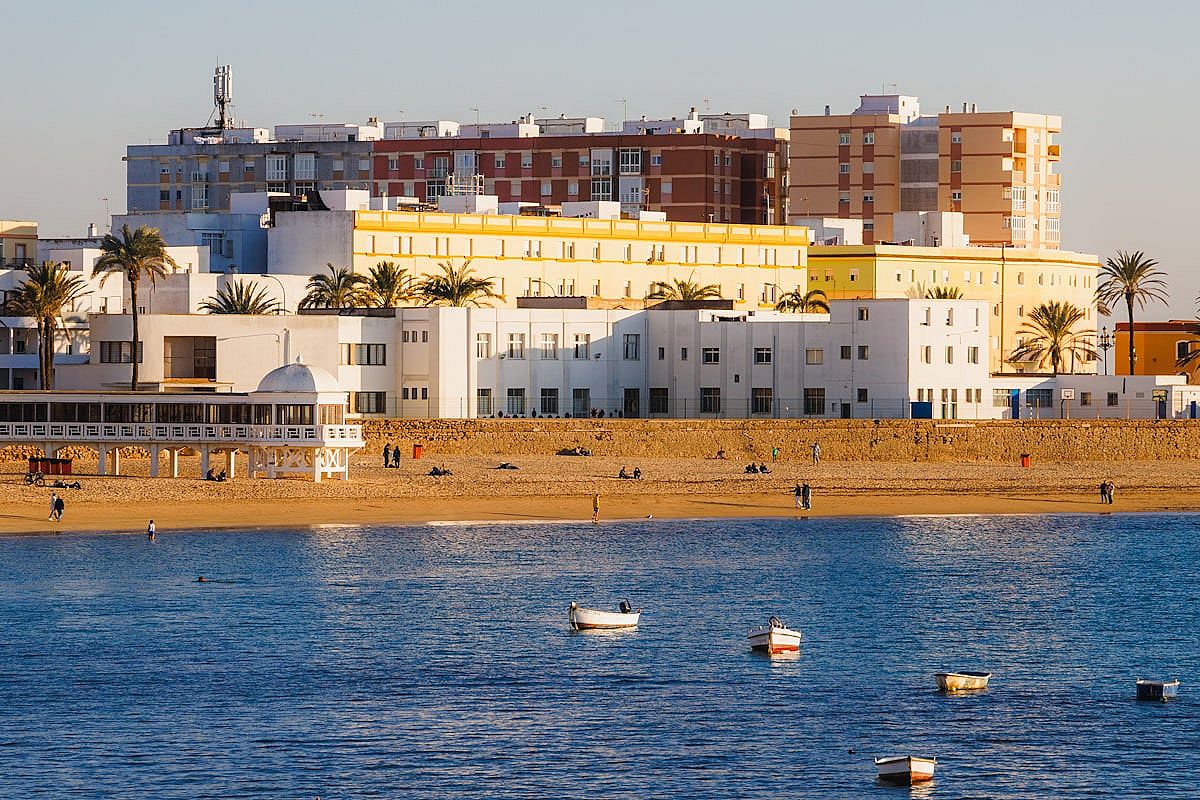
Cádiz is one of Europe's oldest continuously inhabited cities — a stunning Atlantic peninsula of white buildings, baroque churches, and ancient ramparts. The old town is almost an island, surrounded by sea on three sides, making it one of the most beautiful settings for a carnival in the world.
Where to Stay
Cádiz is a small city with limited hotel capacity. Book 3–4 months in advance for carnival dates.
- Old Town (Casco Histórico) – within walking distance of everything
- La Viña / Barrio del Pópulo – authentic neighbourhood with the carnival spirit
- Jerez de la Frontera – 30min away by train, more accommodation options
Weather in Cádiz in February/March
- Average temperature: 14–18°C
- Atlantic winds can make it feel cooler
- Rain is possible — bring a waterproof layer
- The sea air and mild climate make it very pleasant for a winter carnival
Food in Cádiz
Cádiz has extraordinary seafood:
- Tortillitas de camarones – crispy shrimp fritters, the city's signature tapa
- Urta a la roteña – baked sea bream with peppers and tomato
- Papas aliñás – dressed potato salad
- Atún rojo – bluefin tuna from the straits
Pair everything with chilled fino or manzanilla sherry.
How to plan Cádiz Carnival
Cádiz Carnival works best when you treat the old city as the venue. Performances, street groups and crowds move between squares and narrow streets, so a rigid route quickly becomes frustrating. Choose a few areas you want to experience, then leave space for unexpected music and delays. The official programme is the source for organised events, while much of the street atmosphere is encountered simply by walking.
Arrive before the busiest period if you want to understand the layout in daylight. Identify a meeting point outside the narrowest streets and save the route back to your accommodation. Mobile coverage can become unreliable in dense crowds. Keep doorways and emergency routes clear, follow temporary one-way pedestrian controls and move to a wider square if anyone in your group feels uncomfortable.
Where to stay for Cádiz Carnival
Accommodation inside the historic centre offers the easiest walk home but can be noisy and expensive. A room near the edge of the old city may balance access with a calmer night. Staying outside Cádiz can reduce the room rate, yet only if the return transport operates after the events you plan to attend. Check the final train, bus or authorised taxi option before making a non-refundable booking.
Compare properties by practical details: walking distance, reception hours, cancellation terms, sound insulation and luggage storage. A map distance can be misleading when barriers or crowded streets change the direct route. Book early, but keep flexibility where possible. If travelling by car, confirm parking outside restricted areas and expect the final section to be on foot.
Costumes, food and local etiquette
Costume is welcome but not required. Choose shoes for long periods on stone paving and layers that work in changing coastal weather. Carry only essentials in a secure bag. Street food and busy bars are part of the experience, but plan water and a proper meal rather than relying on the closest queue. Respect performers by leaving space around a group and avoiding intrusive filming at close range.
Cádiz Carnival is known for humour and social commentary. Visitors do not need to understand every reference to appreciate the voices, costumes and audience reactions. Listen before pushing forward, and remember that residents still need access to their homes. Use the Spain festival calendar to compare Carnival dates across Cádiz and Tenerife before booking a multi-stop trip.
Cádiz Carnival FAQ
Do I need tickets?
Much of the street atmosphere is public, while organised competitions, theatre events or reserved areas may require tickets. Check each event in the current official programme.
Is it better to stay in Cádiz or commute?
Central Cádiz is most convenient for walking. Commuting can save money only when the late return timetable matches your plans, so verify transport before booking.
What should I wear?
A costume is optional. Comfortable shoes, adaptable layers and a compact secure bag are more important than elaborate clothing for a long evening outdoors.
Gallery
Video
What to Expect
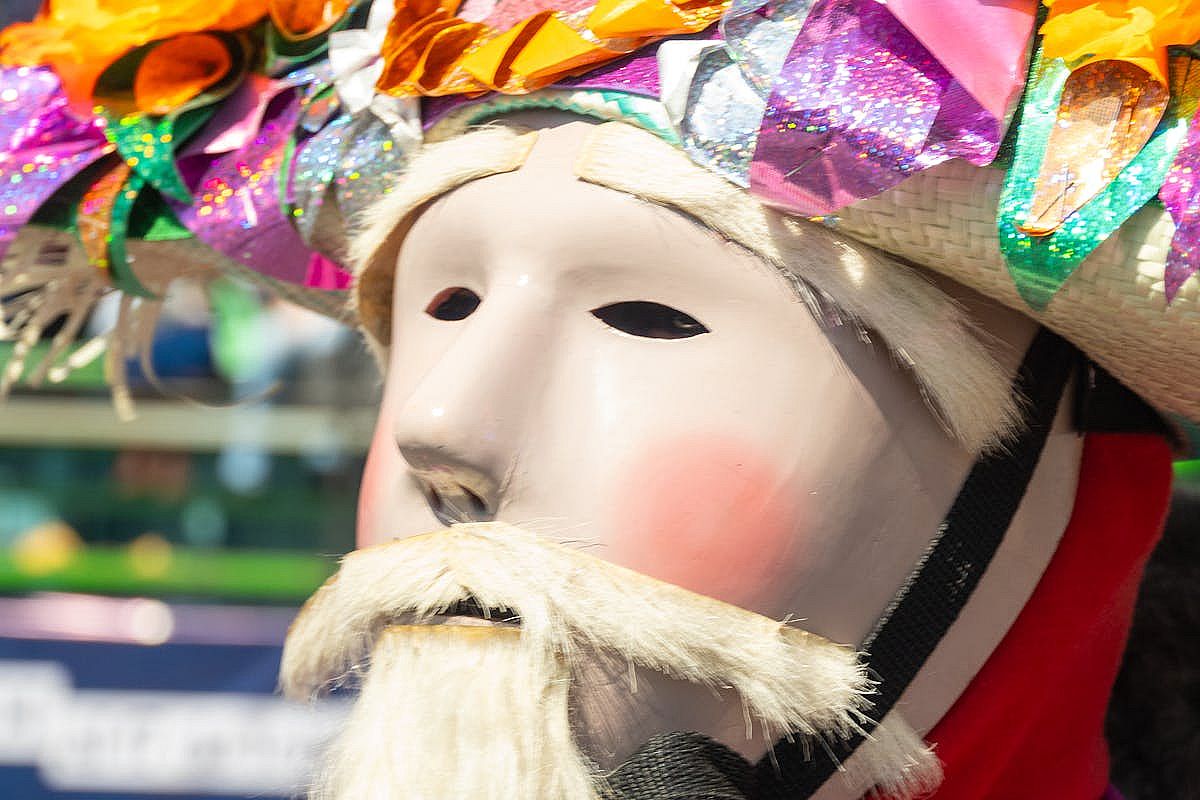
Elaborate, creative, and often satirical costumes are mandatory at Cádiz Carnival. Groups coordinate matching themed outfits (tipos) that complement their songs. Individual revellers (ilegales) wear their own creative costumes.
Popular costume styles:
- Political figures (satirically depicted)
- Film and TV characters
- Collective themes (groups of friends in matching costumes)
- Traditional carnival characters
How to Get There
By train: Direct trains from Seville (1.5h), Madrid (4h via AVE + regional), Jerez de la Frontera (30min)
By bus: From Seville (1.5h), Málaga (2.5h), Jerez (30min). The bus station is close to the old town.
By car: Well connected by A-4 motorway from Seville. Parking in the old town during carnival is very difficult — use the port area car parks.
By air: Jerez Airport (XRY) is 35km away, with some European flights. Seville Airport (SVQ) is the better-connected alternative.
Tips & Advice
Do I need to speak Spanish to enjoy Cádiz Carnival? The songs are entirely in Spanish (specifically, gaditano dialect) so you'll miss the satire without language. But the street atmosphere, costumes, and music are enjoyable regardless of language.
Is Cádiz Carnival suitable for children? The street carnival is very family-friendly during the day. Evening performances at the Gran Teatro Falla have adult content but nothing extreme.
Is Cádiz Carnival the biggest in Spain? By international fame, the Canary Islands (Tenerife and Gran Canaria) have larger carnivals by attendance. But Cádiz is universally considered the most original and culturally rich in Spain.
Plan Your Trip
Book accommodation and transport for this festival. Get the best deals on hotels and train tickets.
This page contains affiliate links. We may earn a commission at no extra cost to you.
 April
April
Feria del Caballo de Jerez
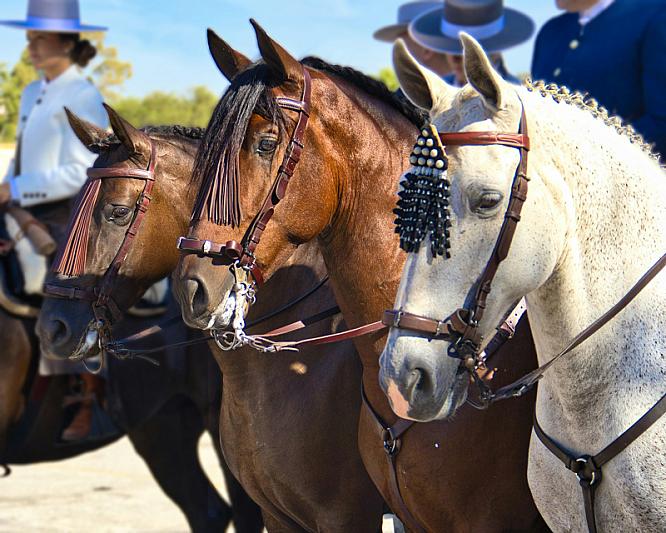
The Feria del Caballo in Jerez de la Frontera is Spain's most elegant spring fair, where Andalusian pure-bred horses take centre stage alongside flamenco, sherry tasting and spectacular equestrian shows. Declared a Fiesta of International Tourist Interest.
Fiesta de la Virgen del Carmen
On July 16th, every fishing village and coastal town in Spain honours the Virgen del Carmen, patron saint of fishermen and sailors. Statues of the Virgin are carried in procession to the sea and placed on decorated boats for a maritime parade — one of Spain's most photogenic summer traditions.
 May
May
Festival de los Patios de Córdoba
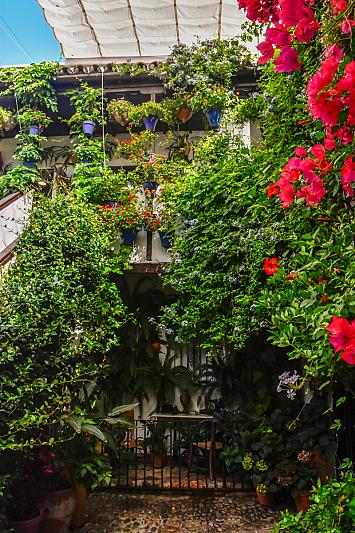
Every May, the residents of Córdoba open the doors of their private courtyards, revealing breathtaking displays of flowers, ceramics and fountains. Declared UNESCO Intangible Cultural Heritage in 2012, this is one of Spain's most beautiful and photogenic traditions.
 September
Bienal de Flamenco
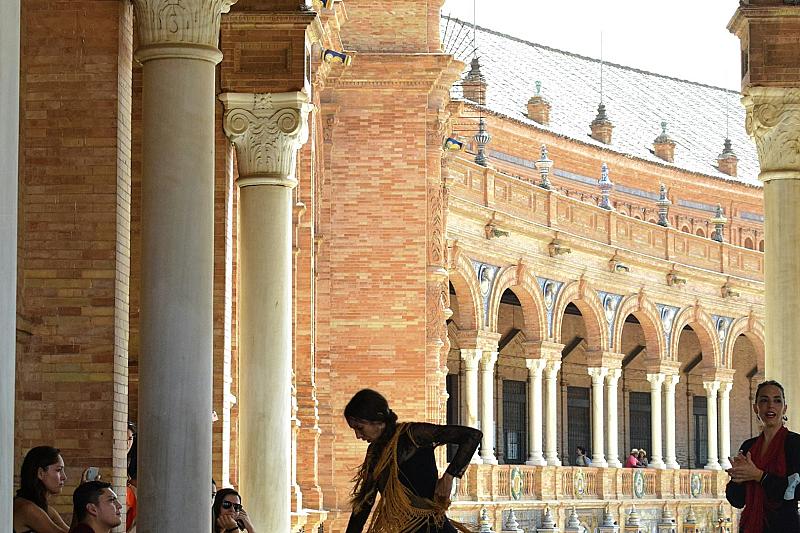
The Bienal de Flamenco de Sevilla is the most important flamenco event in the world. Held every two years in the spiritual home of flamenco, this month-long festival brings together the finest artists in cante (singing), baile (dance) and toque (guitar) for dozens of performances across Seville's most atmospheric venues. From legendary masters to boundary-pushing newcomers, the Bienal is where flamenco's past, present and future converge.