Bienal de Flamenco
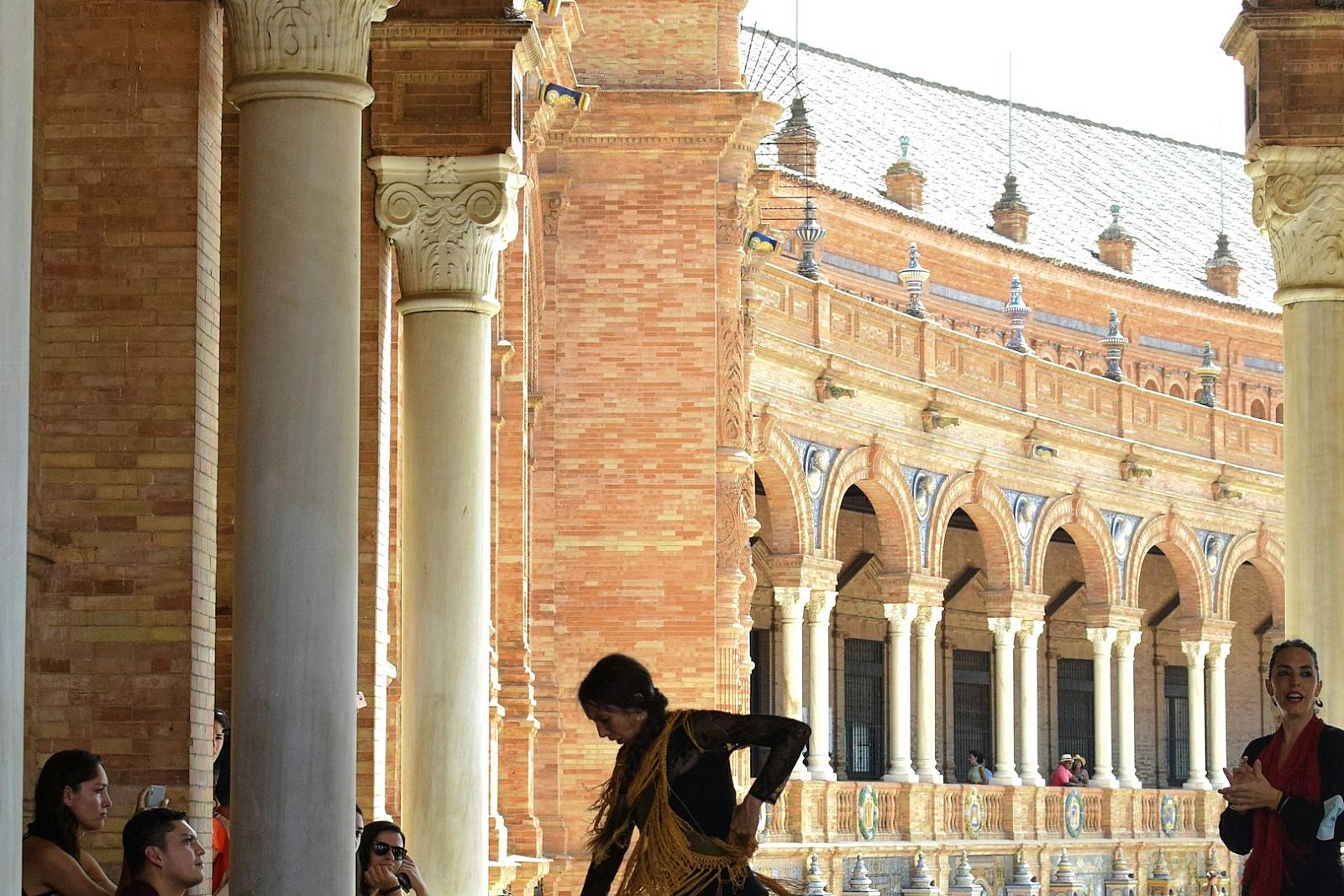
The Bienal de Flamenco de Sevilla is the most important flamenco event in the world. Held every two years in the spiritual home of flamenco, this month-long festival brings together the finest artists in cante (singing), baile (dance) and toque (guitar) for dozens of performances across Seville's most atmospheric venues. From legendary masters to boundary-pushing newcomers, the Bienal is where flamenco's past, present and future converge.
Highlights
There is simply no better place or time to experience flamenco than the Bienal de Flamenco in Seville. The combination of world-class artistry, historic venues, passionate audiences and the magical atmosphere of Seville in early autumn creates an experience that stays with you forever. Whether you're a lifelong aficionado or a curious newcomer, the Bienal will change the way you see — and feel — this extraordinary art form.
Date & Schedule
| Detail | Info |
|---|---|
| Dates 2026 | 10 September – 4 October 2026 |
| Frequency | Every two years (even years) |
| Number of shows | 60+ performances over 4 weeks |
| Location | Various venues across Seville |
Shows take place most evenings, with some matinee and late-night performances. The programme is released several months in advance.
Location
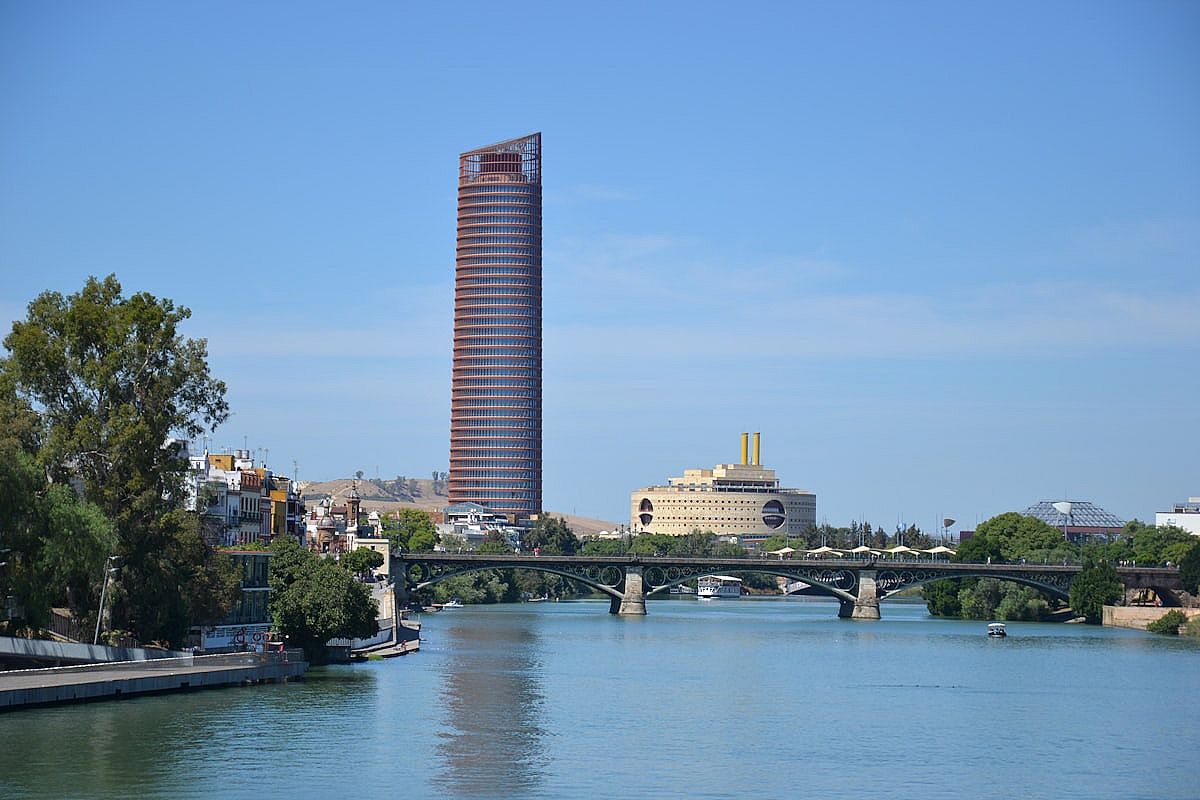
Seville, the capital of Andalusia, is the birthplace and beating heart of flamenco. Bienal performances take place in iconic venues including the Teatro de la Maestranza, Real Alcázar, Espacio Santa Clara, Hotel Triana and the Teatro Lope de Vega. The Triana neighbourhood, historically home to Seville's flamenco dynasties, hosts special events and exhibitions.
Key Events & Highlights
- Main stage performances — Full-length shows by Spain's top flamenco artists at the Teatro de la Maestranza and other major venues
- Real Alcázar concerts — Intimate performances in the stunning courtyards of Seville's royal palace
- Emerging artists showcase — Dedicated programme for new talent pushing flamenco boundaries
- Flamenco-fusion — Shows blending flamenco with jazz, electronic music, contemporary dance or classical music
- Free open-air events — Street performances, film screenings and talks in public spaces
- Exhibitions — Photography, art and documentary exhibitions exploring flamenco culture
Gallery
Video
History & Origins
The Bienal de Flamenco was first held in 1980, created to showcase flamenco as a serious art form deserving of its own major festival. Over four decades, it has grown into the definitive event in the flamenco calendar, with UNESCO's 2010 recognition of flamenco as Intangible Cultural Heritage of Humanity further elevating its significance. Past editions have featured legends like Paco de Lucía, Camarón de la Isla, Cristina Hoyos and Eva Yerbabuena.
What to Expect
Expect an emotionally intense experience. Flamenco at the Bienal is raw, powerful and deeply moving — audiences respond with spontaneous olés and jaleo (vocal encouragement). Dress smartly for evening performances (no strict code, but Sevillanos tend to dress well). September weather is still warm (30°C+), so lightweight elegant clothing works. Book tickets early for headline shows — they sell out fast. Many smaller events and street performances are free.
How to Get There
- By plane: Seville Airport (SVQ) has domestic and European connections, 20 minutes from the centre
- By train: Sevilla Santa Justa station connects to Madrid (2.5h AVE), Barcelona (5.5h), Córdoba (45min) and Málaga (2h)
- By car: Well connected via the A-4 from Madrid and A-92 from Granada
- Getting around: Most Bienal venues are walkable from the city centre. Seville also has trams, buses and a metro line
Tips & Advice
- Do I need to understand flamenco to enjoy it? Not at all — the emotion transcends language and cultural barriers. The duende (spirit) of a great performance is universally felt
- How much do tickets cost? Prices range from free (street events) to €15-60 for main shows. Premium seats at the Maestranza can reach €80+
- Can I see flamenco outside the Bienal? Absolutely — Seville has year-round tablaos (flamenco venues), but the Bienal concentrates the best artists in one period
- Is it suitable for children? Yes for daytime and open-air events. Evening shows can run late
Plan Your Trip
Book accommodation and transport for this festival. Get the best deals on hotels and train tickets.
This page contains affiliate links. We may earn a commission at no extra cost to you.
 May
May
Cruces de Mayo de Granada
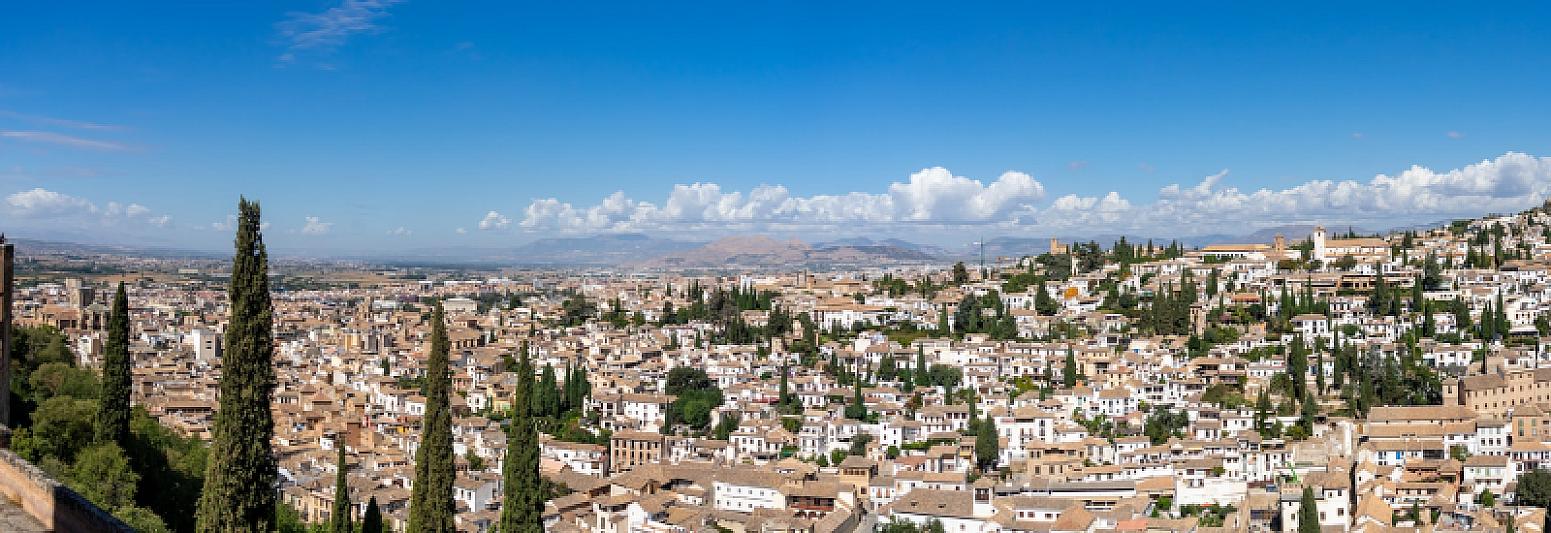
On May 3rd, Granada's plazas and streets fill with giant crosses lavishly decorated with flowers, surrounded by makeshift bars, flamenco music, and the aroma of free tapas. Neighbourhoods compete for the most beautiful cross in one of Andalusia's most joyful spring celebrations.
 September
Fiesta del Cascamorras
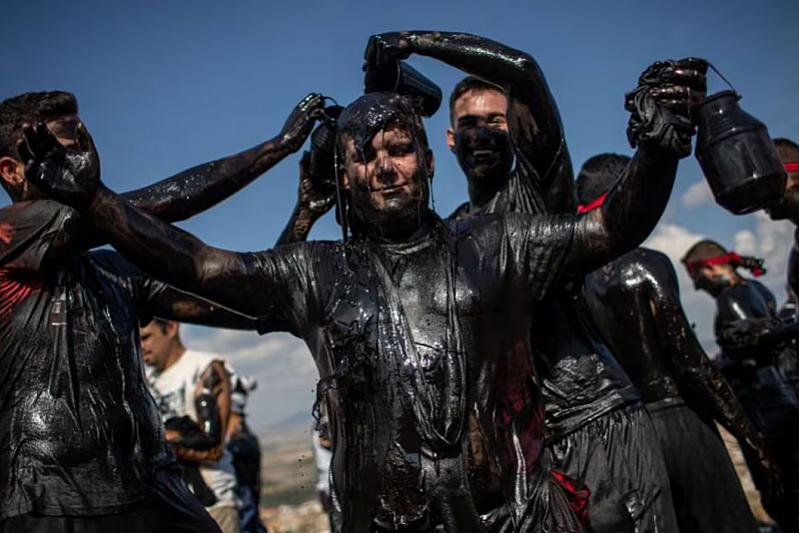
The Fiesta del Cascamorras is one of Spain's most extraordinary and bizarre festivals. Every 6 September, a man covered in black grease (the Cascamorras) attempts to run from the town of Guadix to Baza to reclaim a statue of the Virgin of Piedad — while thousands of equally grease-covered locals try to stop him. The result is a spectacular, chaotic, oil-black mass of humanity. Declared a Festival of International Tourist Interest, it's an ancient rivalry turned into joyful, slippery mayhem.
 March
March
Semana Santa
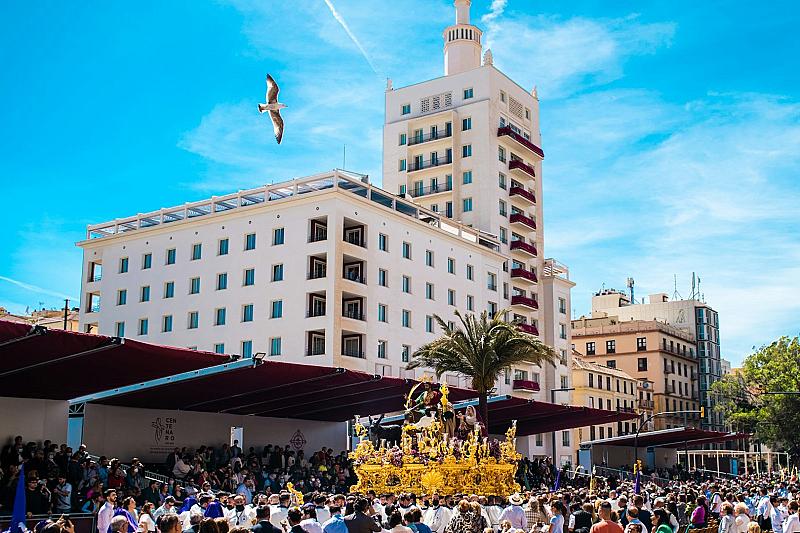
Semana Santa (Holy Week) is arguably Spain's most emotionally powerful and visually stunning festival. In the week leading up to Easter Sunday, cities and towns across the country fill with solemn religious processions, haunting music, clouds of incense, and enormous ornate floats (pasos) carried by hundreds of robed nazarenos.
Carreras de Caballos de Sanlúcar
Since 1845, English-style horse races along the shore at low tide. Two three-day cycles in August with Doñana National Park as backdrop.