Romería del Rocío
The Romería del Rocío is one of the most extraordinary religious and cultural events in the world — a mass pilgrimage to the shrine of the Virgen del Rocío (the White Dove) in the village of El Rocío, on the edge of the Doñana National Park in Huelva, Andalusia.
Highlights
To stand in the sand of El Rocío in the early Sunday morning and see a million candles lit around the hermitage as the virgin is carried out on the shoulders of weeping, chanting devotees — while sevillanas play and horses rear and the Doñana marshes glow in the dawn — is to witness something that exists nowhere else on earth. Sacred and joyful, solemn and ecstatic, the Romería del Rocío is Andalusia at its most profound.
Date & Schedule
| Detail | Info |
|---|---|
| Romería 2027 dates | 16–17 May 2027 (Pentecost weekend) |
| Arrival of brotherhoods | Tuesday–Saturday before Pentecost |
| La Salve (night vigil) | Saturday night (8 June 2027) |
| Procession of the Virgin | Sunday at dawn (9 June 2027) |
| Location | El Rocío village, Almonte, Huelva, Andalusia |
The Romería always takes place on Pentecost weekend — 49 days after Easter Sunday. Dates vary annually.
The Virgen del Rocío – La Blanca Paloma
The object of the pilgrimage is a small 15th-century carved image of the Virgin Mary, housed in the Hermitage of El Rocío in the centre of the village. Known as La Blanca Paloma (the White Dove), the image is considered miraculous by millions of devotees.
The village of El Rocío is unique — it has sandy, unpaved streets designed for horses and ox-carts, and its population of around 1,500 swells to over a million during Romería week.
The Pilgrimage – How It Works
The pilgrimage begins days before Pentecost. Over 100 brotherhoods (hermandades) from across Andalusia — and from cities as far as Barcelona, Madrid, and the Canary Islands — set off on their journeys to El Rocío.
Modes of travel:
- On foot: Many pilgrims walk the entire route over several days
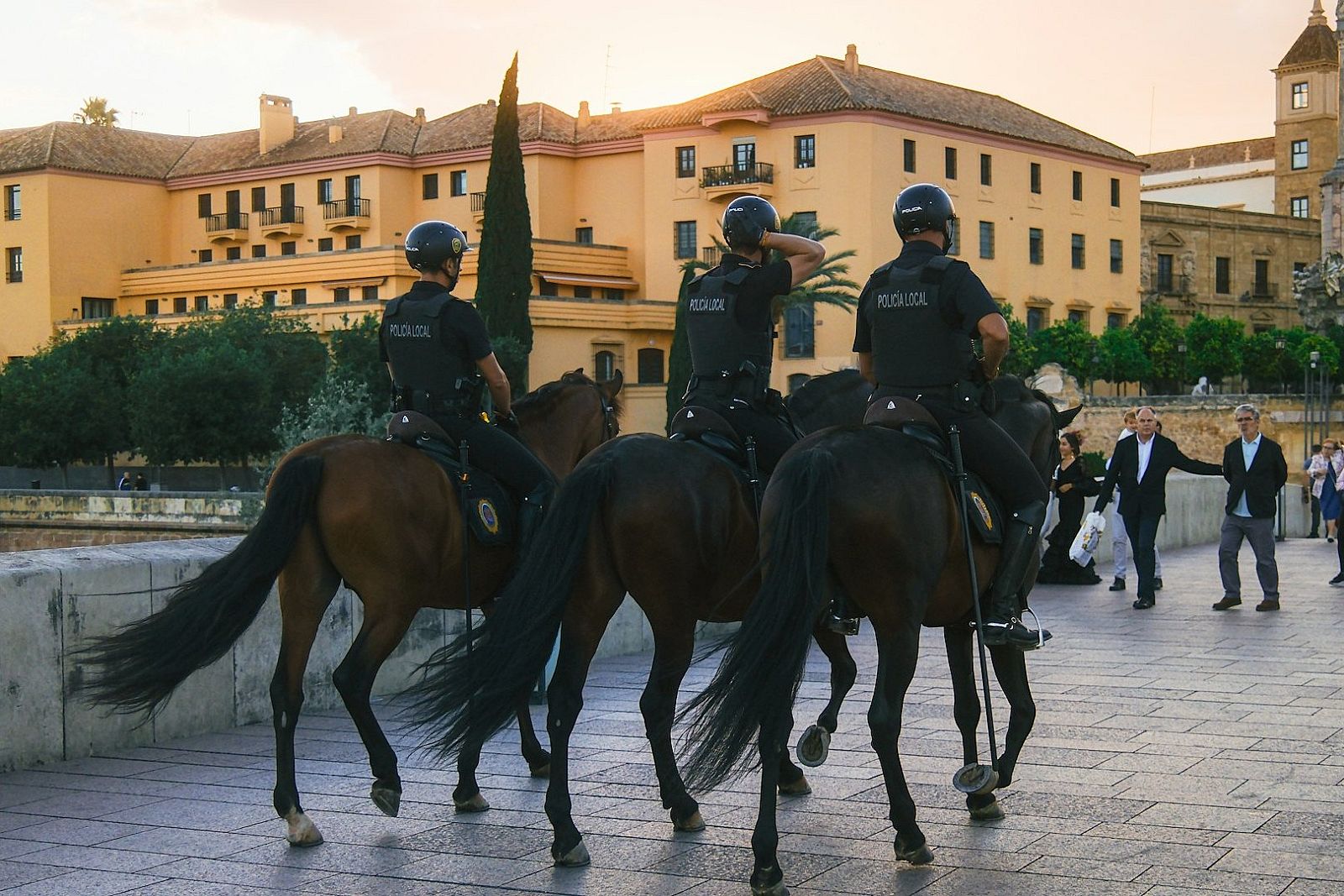
- On horseback: Riders in traditional Andalusian dress accompany the brotherhoods
- Ox-carts (carretas): Elaborately decorated wagons carrying pilgrims and the brotherhood's simpecado (decorated banner)
- Modern vehicles: Some participants travel by car or bus for shorter distances
The longest journeys take 4–5 days through the Andalusian countryside and the edge of Doñana National Park.
Music, Dance & Celebration
The Romería del Rocío is not a solemn, silent pilgrimage — it is a joyful explosion of Andalusian culture. Along every route and throughout El Rocío itself:
- Sevillanas are danced constantly — on the roads, in the camps, around the hermitage
- Flamenco spontaneously erupts around campfires at night
- Saetas are sung as processions pass through villages
- Live music plays throughout the village day and night
Where to Stay
Accommodation in El Rocío itself is almost entirely brotherhood casetas (members only). Visitors typically stay in:
- Almonte – the nearest town, 10km away
- Matalascañas / Mazagón – coastal towns 20km away, many hotels
- Huelva city – 80km away, widest accommodation choice
- Seville – 80km, travel daily by bus or car
Book several months in advance — the entire region fills up.
Weather at El Rocío in June
- Temperature: 28–38°C (can be extremely hot)
- Humidity: moderate (marshland location)
- Sun protection is essential
- Mornings and evenings are more comfortable for outdoor activity
Gallery
Video
What to Expect
The climax of the Romería is the procession of the Virgen del Rocío on Sunday morning, beginning in the early hours before dawn.
The doors of the hermitage are opened and members of the Hermandad Matriz de Almonte (the founding brotherhood) carry the virgin's float (simpecado) out into the village square, where hundreds of thousands of devotees — many weeping with emotion — reach out to touch the image.
The procession moves slowly through the village all Sunday and into Monday, stopping at each brotherhood's caseta (tent). It is one of the most genuinely moving religious events in the world.
What to Wear
Traditional Andalusian dress is the norm:
- Women: Traje de flamenca (flamenco dress) — polka dots, ruffles, flowers
- Men: Traje de jinete (rider's suit) or traje campero (country suit) with a flat-brimmed hat
Practical clothes are also fine for non-participating visitors, but traditional dress adds enormously to the experience.
How to Get There
El Rocío is located in a remote area of the Doñana marshes, 80km south-west of Seville.
By car: A-49 motorway from Seville toward Huelva, then south toward Almonte and El Rocío. Plan for severe traffic congestion during Romería week.
By bus: Special Romería buses run from Seville's Plaza de Armas bus station.
Tip: Book parking far in advance, or use park-and-ride services from Almonte town.
Tips & Advice
Do you need to be religious to attend? No. The Romería is a deeply spiritual event for believers, but visitors of all backgrounds are welcome to observe, join the festivities, and experience the culture.
Is it safe to attend with children? Families with children are very common at the Romería. The atmosphere is warm and inclusive. Be prepared for extreme heat and large crowds.
Can I join a hermandad procession? Usually only by joining as a member of a hermandad. However, some brotherhoods welcome visitors to walk alongside for part of the route — ask locally.
Is the Romería del Rocío a UNESCO event? The Romería del Rocío has been nominated for UNESCO Intangible Cultural Heritage status and is on Spain's national list of Intangible Cultural Heritage.
Plan Your Trip
Book accommodation and transport for this festival. Get the best deals on hotels and train tickets.
This page contains affiliate links. We may earn a commission at no extra cost to you.
 March
March
Semana Santa
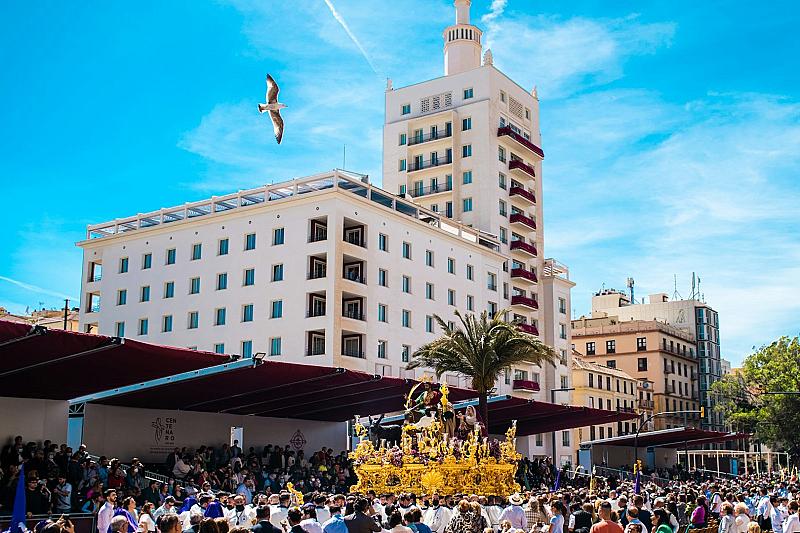
Semana Santa (Holy Week) is arguably Spain's most emotionally powerful and visually stunning festival. In the week leading up to Easter Sunday, cities and towns across the country fill with solemn religious processions, haunting music, clouds of incense, and enormous ornate floats (pasos) carried by hundreds of robed nazarenos.
 September
Bienal de Flamenco
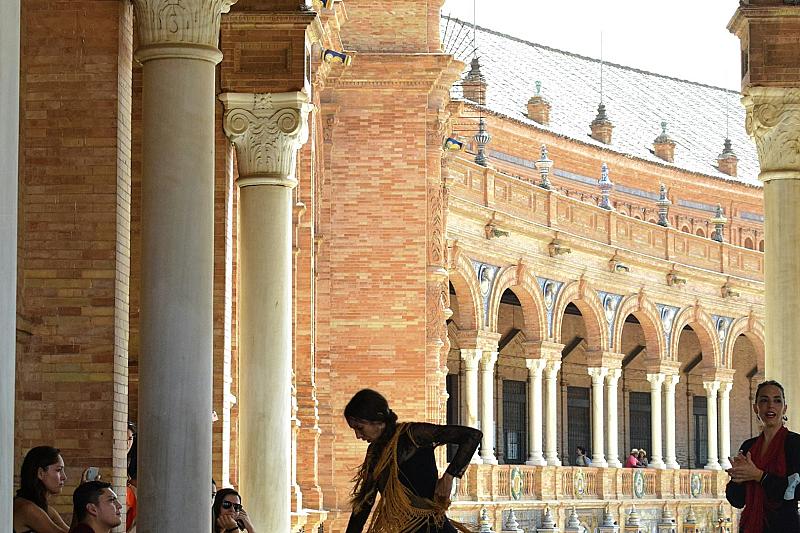
The Bienal de Flamenco de Sevilla is the most important flamenco event in the world. Held every two years in the spiritual home of flamenco, this month-long festival brings together the finest artists in cante (singing), baile (dance) and toque (guitar) for dozens of performances across Seville's most atmospheric venues. From legendary masters to boundary-pushing newcomers, the Bienal is where flamenco's past, present and future converge.
 June
June
Granada International Festival of Music and Dance
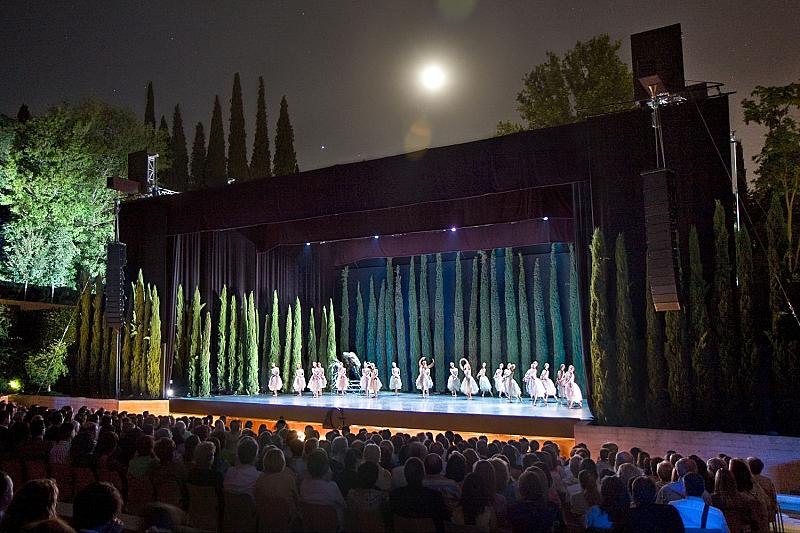
One of Europe's most prestigious performing arts festivals, held in stunning venues including the Alhambra and Generalife gardens. Since 1952, world-class ballet, flamenco, classical music, and opera.
 April
April
Feria del Caballo de Jerez
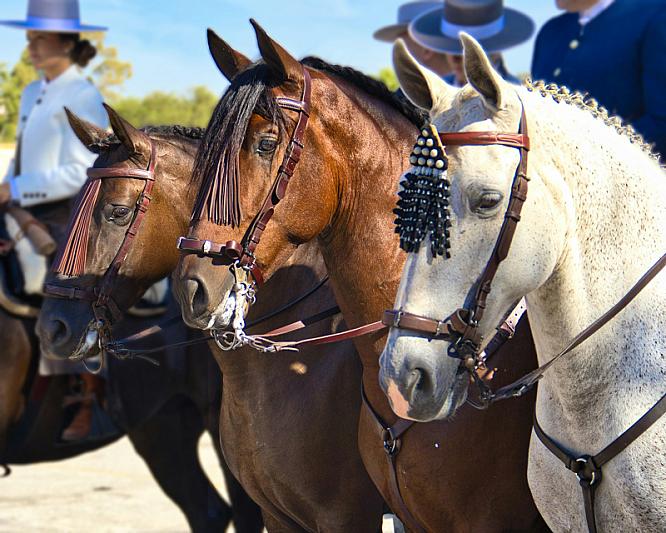
The Feria del Caballo in Jerez de la Frontera is Spain's most elegant spring fair, where Andalusian pure-bred horses take centre stage alongside flamenco, sherry tasting and spectacular equestrian shows. Declared a Fiesta of International Tourist Interest.