Semana Santa de Málaga
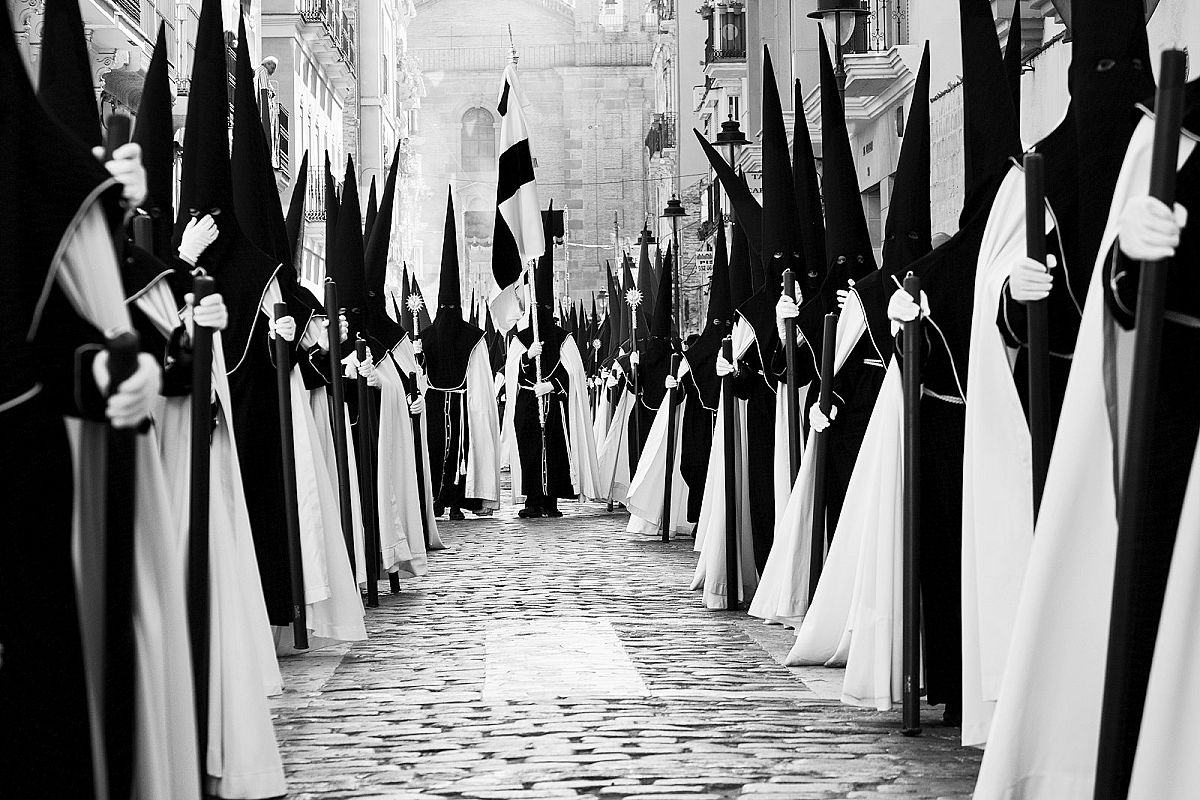
Málaga's Semana Santa is one of Spain's most emotional and spectacular Holy Week celebrations. Famous for its massive tronos (processional thrones) carried by hundreds of bearers, the spontaneous singing of saetas, and the unique tradition of releasing a prisoner, it draws over a million visitors every spring.
Highlights
- 42 brotherhoods processing through the historic centre over 8 days
- Massive tronos weighing up to 5,000 kg carried by 250+ bearers
- Unique tradition of releasing a prisoner on Holy Wednesday
- Spontaneous saetas (flamenco devotional songs) from balconies
- Declared Fiesta of International Tourist Interest
- Over 1 million visitors annually
Málaga's Semana Santa is a deeply rooted celebration that transforms the city for an entire week. From Palm Sunday to Easter Sunday, 42 cofradías (brotherhoods) carry their elaborate tronos through the streets of the historic centre in a display of devotion, art, and community that dates back over five centuries.
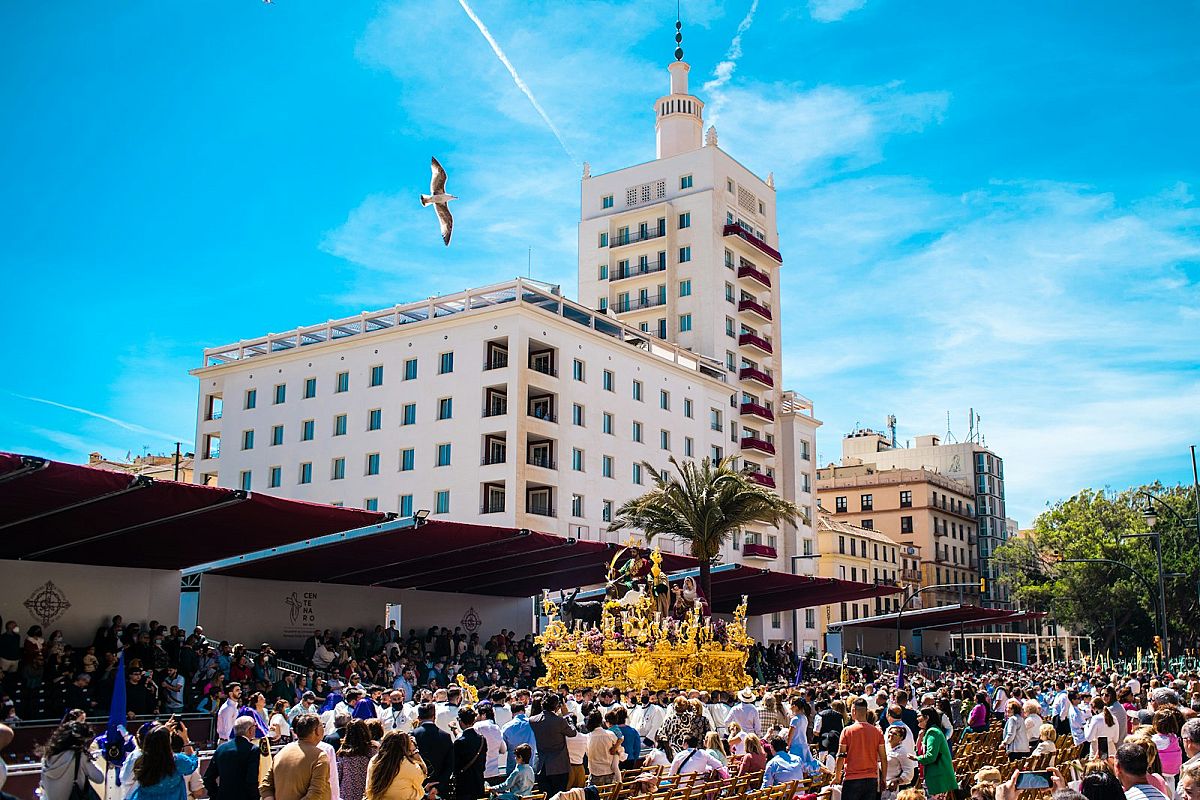
What sets Málaga's Holy Week apart is the sheer scale of its tronos — some of the largest in Spain, weighing up to 5,000 kilograms and carried by over 250 hombres de trono (throne bearers). The sight of these massive works of art swaying through narrow streets, accompanied by military bands and the scent of incense and orange blossom, is unforgettable.
One of Málaga's most unique traditions is the release of a prisoner. On Holy Wednesday, the brotherhood of Jesús el Rico (Jesus the Rich) has the historic right — dating back to the reign of Charles III — to free one prisoner from the local jail. The chosen prisoner walks in the procession, an act of mercy that adds a powerful emotional dimension to the celebration.
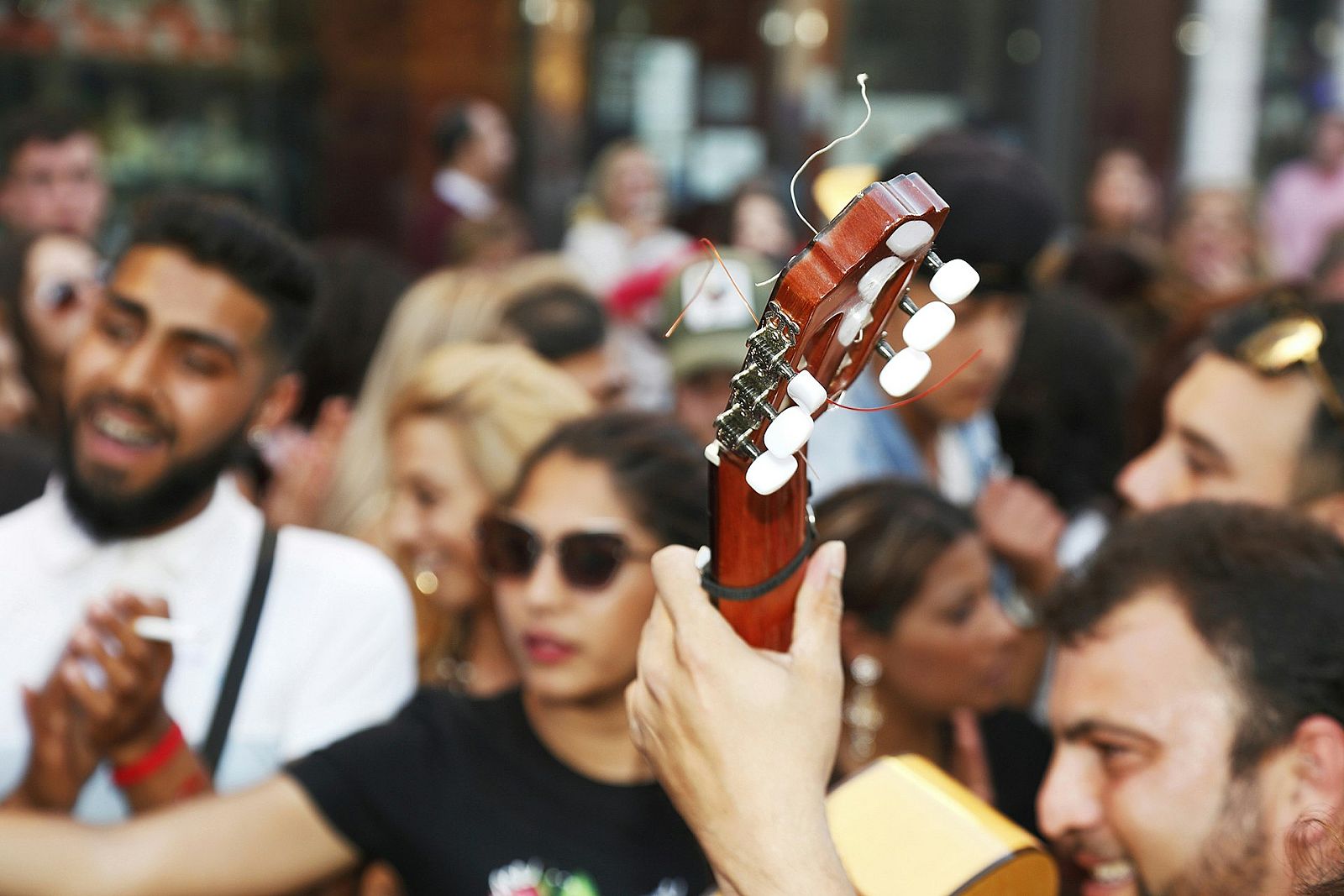
The saetas — improvised flamenco-style songs of devotion — are another hallmark. Sung from balconies as the processions pass below, these raw, passionate performances can stop entire processions in their tracks as bearers and spectators alike are moved to tears.
How to watch Semana Santa in Málaga
Málaga's Holy Week processions move through a living city, and routes can divide the centre into slow-moving pedestrian zones. Choose one or two brotherhoods or viewing areas for an outing instead of chasing every procession. Compare the official route, departure information and weather updates on the day. A neighbourhood departure can feel more intimate, while the central route offers scale and ceremony.
These processions are public acts of devotion as well as cultural landmarks. Keep voices low during solemn moments, do not cross between participants, avoid flash near religious images and leave emergency lanes open. If rain changes a departure, accept the decision and use a cultural or food plan nearby rather than crowding the brotherhood's entrance.
Semana Santa de Málaga programme and daily planning
The detailed programme should shape the trip, not the other way around. Confirm the current dates, venues, reservation rules and late changes through the organiser or Málaga's official visitor information. Older schedules remain useful for understanding the character of the event but cannot guarantee this edition's times. Save the essential listings offline and check them again before leaving the accommodation.
Build each day around one priority and one nearby alternative. Leave room for queues, security checks, street closures and a meal away from the busiest area. If an event reaches capacity or moves because of weather, the backup keeps the day enjoyable. Avoid buying a non-refundable journey tied to one unconfirmed performance.
Where to stay for Semana Santa de Málaga
Choose accommodation by the journey home as well as the journey in. A central property may reduce late transport but can bring noise, crowds and a higher rate. A quieter district can be better value when it has a direct, dependable connection. Check the real walking route, hills, lighting and temporary closures rather than relying on straight-line map distance.
Compare cancellation terms, reception hours, luggage storage and accessibility before paying. Ask whether festival restrictions affect vehicle access or check-in. Reserve early when demand is strong, but never transfer money outside a protected booking channel. Keep the address and reservation details available without mobile data.
Transport and arrival strategy
Public transport and walking are often more predictable than driving during a large celebration. Consult live municipal notices because stations, bus stops and traffic routes can change. Plan at least two ways back and note the last practical connection. A charged phone and offline map help, but every traveller should also know the meeting point and accommodation address.
Arrive early enough to understand the area before it becomes crowded. Identify toilets, exits, medical assistance and a quiet place to regroup. Visitors with reduced mobility should confirm step-free routes and accessible viewing for the specific venue; city-wide accessibility statements do not answer every entrance or historic street.
Tickets, costs and avoiding bad purchases
Separate free public activity from reserved seats, concerts or special venues. Read the listing for each event and use only the sales route named by the organiser. Never assume that a festival pass covers an associated activity, or that a public square guarantees admission after capacity is reached. Keep proof of purchase offline.
A realistic budget includes accommodation, meals, local transport and an emergency reserve. Prices change, so current official listings and menus are more useful than old averages. Flexible plans often save more than chasing the cheapest non-refundable option. Decline unofficial tickets that cannot be transferred through an approved system.
Clothing, weather and personal safety
Comfortable closed shoes and adaptable layers suit long hours outdoors. Check the forecast, carry water where permitted and use sun or rain protection as conditions require. Take only a compact secure bag and review prohibited items before arrival. Keep valuables in inner pockets and avoid displaying a phone unnecessarily in dense crowds.
Eat regularly, pace alcohol and step into a quieter area before tiredness becomes a problem. Never block emergency access or ignore a steward's direction. If the group separates, return to the agreed point rather than pushing against crowd flow. Call for professional help when someone is unwell, lost or unsafe.
Local etiquette and a better visitor experience
Semana Santa de Málaga belongs first to the people who sustain it. Keep residential entrances open, lower your voice during solemn activity and ask before taking close portraits. Do not climb street furniture or cross a procession, performance or controlled route for a photograph. Leave no litter and follow local rules even when other visitors do not.
Learn the names of the main traditions before arrival and listen to local explanations. A slower itinerary creates more meaningful encounters than racing through every headline. Use the Spain festival calendar to compare dates and avoid an unrealistic multi-city schedule.
Semana Santa de Málaga FAQ
Do I need a ticket?
Some public activity may be free while specific events require booking or have capacity controls. Check every item in the current official programme.
How early should I arrive?
Allow time for transport changes, walking and security. Popular events need a larger margin, but the organiser's current access notice is the best guide.
Is the festival suitable for children or limited mobility?
Often yes, with careful selection. Compare noise, crowd density, toilets, surfaces and accessible entrances for the exact event before committing.
Gallery
History & Origins
Málaga's Semana Santa origins date to the Catholic Monarchs' conquest of the city in 1487. The first cofradías were established in the early 16th century, tasked with organizing religious processions to evangelize the recently reconquered population.
The tradition of releasing a prisoner dates to 1759, when inmates of the local jail, hearing the processions pass outside during an epidemic, broke free to carry the throne of Jesús el Rico through the streets. King Charles III, moved by their devotion, granted the brotherhood the perpetual right to free one prisoner each Holy Wednesday.
The Spanish Civil War dealt a devastating blow — many of the city's churches were burned and priceless religious imagery was destroyed. The post-war period saw a remarkable reconstruction effort, with new tronos and images commissioned from Spain's finest sculptors. Today's processions carry both historic survivors and masterful modern works.
What to Expect
Semana Santa in Málaga is an intense sensory experience. The streets fill with the sound of military bands, the rhythmic shuffling of hundreds of feet beneath the tronos, and the occasional crack of a capirote (penitent's staff) on cobblestone.
The most dramatic moments come on the Carrera Oficial — the official route through Calle Larios and the Cathedral square. Here, grandstands offer the best views, though the most authentic experience is found in the narrow side streets where the tronos seem impossibly close.
The emotional peak is undoubtedly the Madrugá — the early hours of Good Friday when the most revered brotherhoods process through the dark streets. The silence, broken only by saetas and shuffling feet, creates an atmosphere of extraordinary intensity.
During the day, Málaga's famous climate means sunshine and mild temperatures. Restaurants and bars overflow, and the festive atmosphere extends well beyond the processions themselves.
How to Get There
By Air: Málaga-Costa del Sol Airport (AGP) is Spain's 4th busiest, with direct flights from most European cities. The airport is connected to the city centre by the C1 Cercanías train (12 minutes, €1.80).
By Train: Málaga María Zambrano station has AVE high-speed trains from Madrid (2.5 hours), Barcelona (5.5 hours), and Córdoba (1 hour). The station is a 15-minute walk from the historic centre.
By Car: Málaga is on the Mediterranean motorway (AP-7/A-7). Parking in the centre is very difficult during Semana Santa — use park-and-ride facilities on the outskirts.
Getting Around: The processions follow routes through the compact historic centre, all walkable. The city has an efficient bus network and a metro line connecting the train station to the centre.
Tips & Advice
- Book grandstand seats on Calle Larios months in advance for the best views
- The Madrugá (early hours of Good Friday) is the most intense — arrive by midnight
- Wear comfortable shoes — you'll be standing and walking for hours on cobblestones
- Carry a light jacket for evening processions, even in mild Málaga
- Try the traditional torrijas (Spanish-style French toast) sold everywhere during the week
- Hotels book up fast — reserve at least 2-3 months ahead
- The side streets offer more intimate views than the main Carrera Oficial
- Download the official Semana Santa de Málaga app for real-time procession tracking
Plan Your Trip
Book accommodation and transport for this festival. Get the best deals on hotels and train tickets.
This page contains affiliate links. We may earn a commission at no extra cost to you.
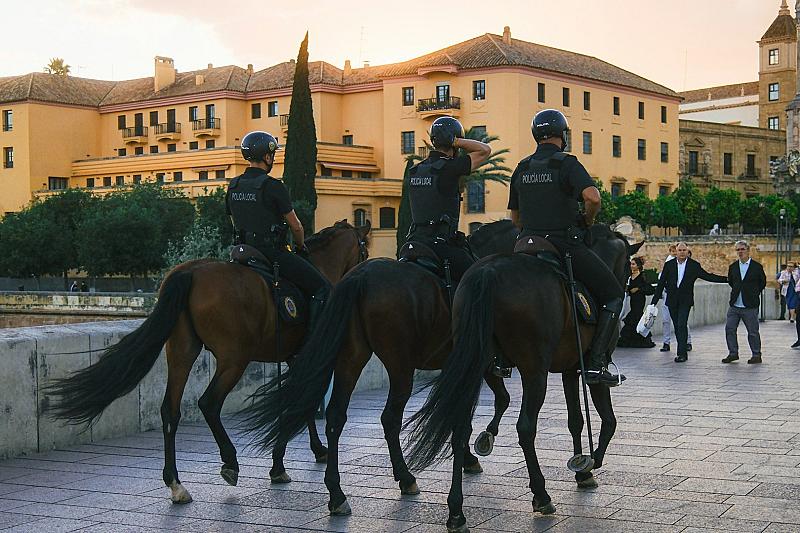
Romería de la Virgen de la Cabeza
Spain's oldest pilgrimage brings over 500,000 devotees to the sanctuary atop the Sierra Morena mountains near Andújar every April, with decorated wagons, horseback riders and flamenco.
 May
May
Romería del Rocío
The Romería del Rocío is one of the most extraordinary religious and cultural events in the world — a mass pilgrimage to the shrine of the Virgen del Rocío (the White Dove) in the village of El Rocío, on the edge of the Doñana National Park in Huelva, Andalusia.
 June
June
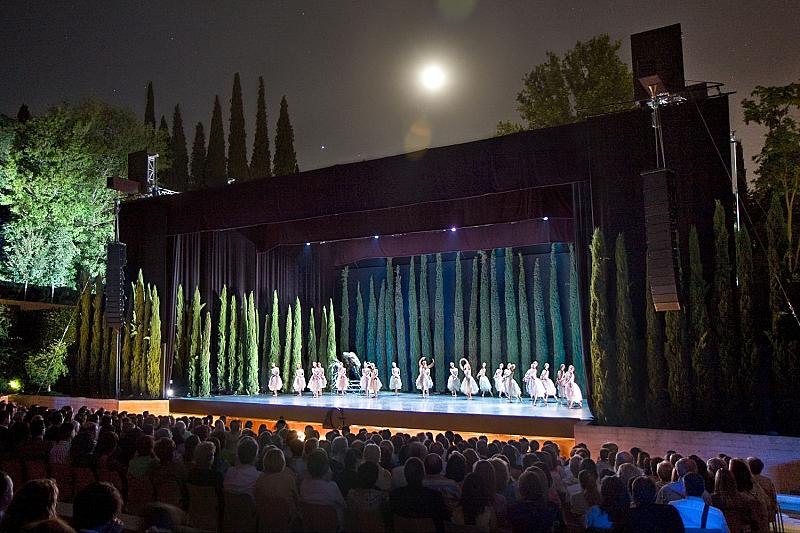
Granada International Festival of Music and Dance
One of Europe's most prestigious performing arts festivals, held in stunning venues including the Alhambra and Generalife gardens. Since 1952, world-class ballet, flamenco, classical music, and opera.
 March
March
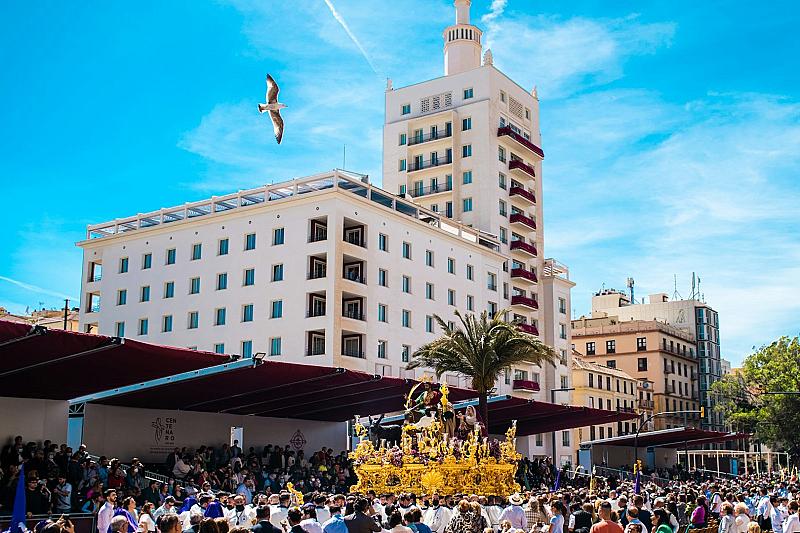
Semana Santa
Semana Santa (Holy Week) is arguably Spain's most emotionally powerful and visually stunning festival. In the week leading up to Easter Sunday, cities and towns across the country fill with solemn religious processions, haunting music, clouds of incense, and enormous ornate floats (pasos) carried by hundreds of robed nazarenos.