Romería de la Virgen de la Cabeza
Spain's oldest pilgrimage brings over 500,000 devotees to the sanctuary atop the Sierra Morena mountains near Andújar every April, with decorated wagons, horseback riders and flamenco.
Highlights
- Over 500,000 pilgrims — one of Spain's largest religious gatherings
- Decorated ox-drawn wagons crossing the Sierra Morena
- Horseback riders in traditional Andalusian attire
- Spontaneous flamenco and communal campfire meals
- Stunning Sierra de Andújar Natural Park scenery
The Romería de la Virgen de la Cabeza is considered Spain's oldest pilgrimage, dating back to the 13th century. Every last weekend of April, hundreds of thousands of pilgrims converge on the Sanctuary of the Virgen de la Cabeza, perched 780 metres high in the Sierra Morena mountains north of Andújar.
The pilgrimage begins on Saturday as brotherhoods ('cofradías') from across Andalusia and beyond set out on foot, horseback and in beautifully decorated ox-drawn wagons through the Sierra de Andújar Natural Park — one of the last refuges of the Iberian lynx. The atmosphere is festive, with flamenco singing, communal meals and campfires along the route.
On Sunday, the emotional climax arrives when the small statue of the Virgin is carried through the crowds, prompting intense displays of devotion. The return journey continues through Monday.
History & Origins
According to tradition, a shepherd discovered a statue of the Virgin Mary on the Cerro del Cabezo in 1227. A sanctuary was built on the site and quickly became a major pilgrimage destination. The first documented pilgrimage dates from 1287, making it the oldest in Spain.
The original statue was destroyed during the Spanish Civil War when the sanctuary became a site of fierce fighting. A new statue was carved and crowned in 1960. The pilgrimage was declared a Festival of National Tourist Interest.
What to Expect
Expect a deeply Andalusian experience — dust, horses, flamenco and intense devotion. The walk through the Sierra de Andújar is beautiful but demanding. Many pilgrims camp overnight along the route. Sunday at the sanctuary is extremely crowded and emotional.
How to Get There
Andújar is on the Madrid-Seville train line with regular Renfe services. By car it's easily reached via the A-4 motorway. From the town, shuttle buses run to the sanctuary during the romería. The nearest airports are Granada (130km) and Seville (230km).
Tips & Advice
- Wear sturdy walking shoes and sun protection for the pilgrimage route
- Bring plenty of water — the mountain trail has limited services
- Book accommodation in Andújar months in advance
- Consider joining a cofradía for the full experience
- Keep an eye out for Iberian lynx in the natural park (rare but possible!)
Plan Your Trip
Book accommodation and transport for this festival. Get the best deals on hotels and train tickets.
This page contains affiliate links. We may earn a commission at no extra cost to you.
 February
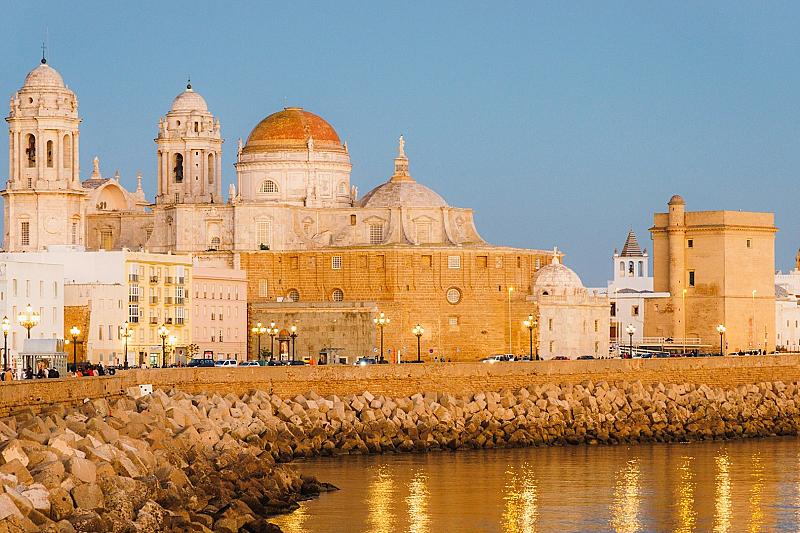
Carnaval de Cádiz
The Carnaval de Cádiz is widely considered Spain's greatest and most original carnival — not for its parade floats or samba schools, but for something uniquely gaditano: the chirigotas, comparsas, and coros — satirical singing groups who spend months composing sharp, political, and hilarious songs performed on the streets and in competition at the Gran Teatro Falla.
 September
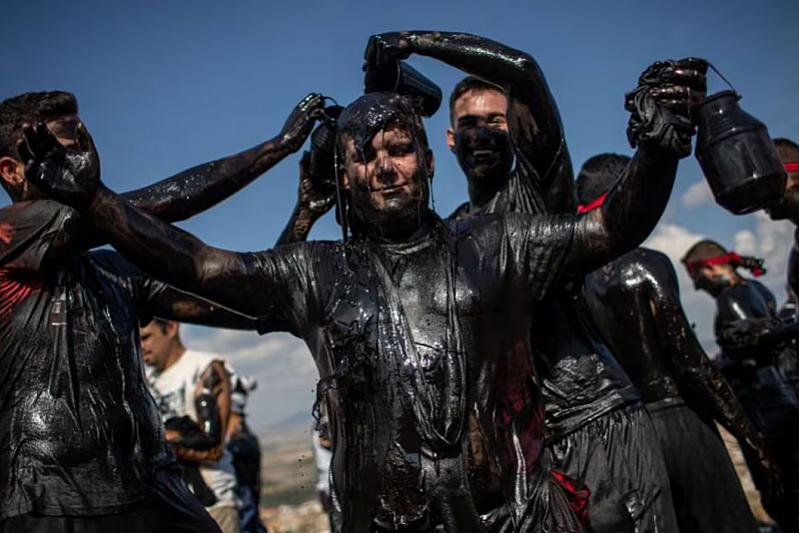
Fiesta del Cascamorras
The Fiesta del Cascamorras is one of Spain's most extraordinary and bizarre festivals. Every 6 September, a man covered in black grease (the Cascamorras) attempts to run from the town of Guadix to Baza to reclaim a statue of the Virgin of Piedad — while thousands of equally grease-covered locals try to stop him. The result is a spectacular, chaotic, oil-black mass of humanity. Declared a Festival of International Tourist Interest, it's an ancient rivalry turned into joyful, slippery mayhem.
 October
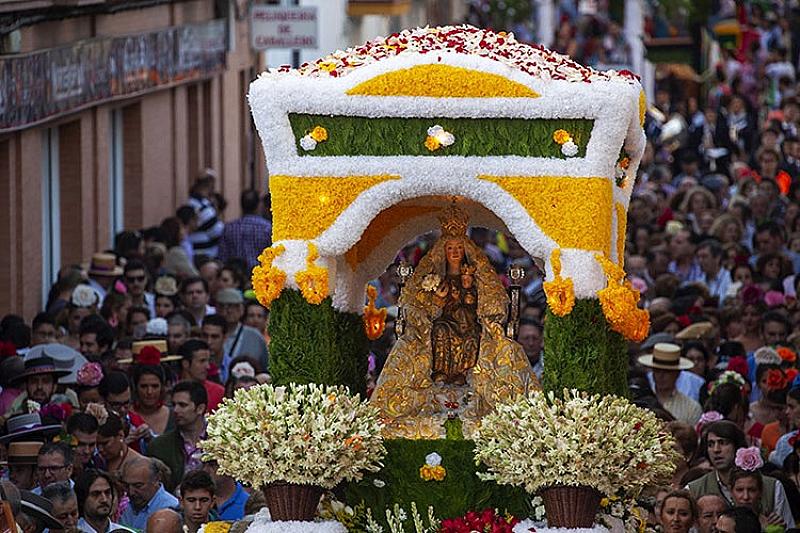
Romería de Valme
One of Andalusia's grandest pilgrimages brings thousands of decorated carts, horseback riders and flamenco singers from Dos Hermanas to the Valme hacienda on the third Sunday of October.
 September
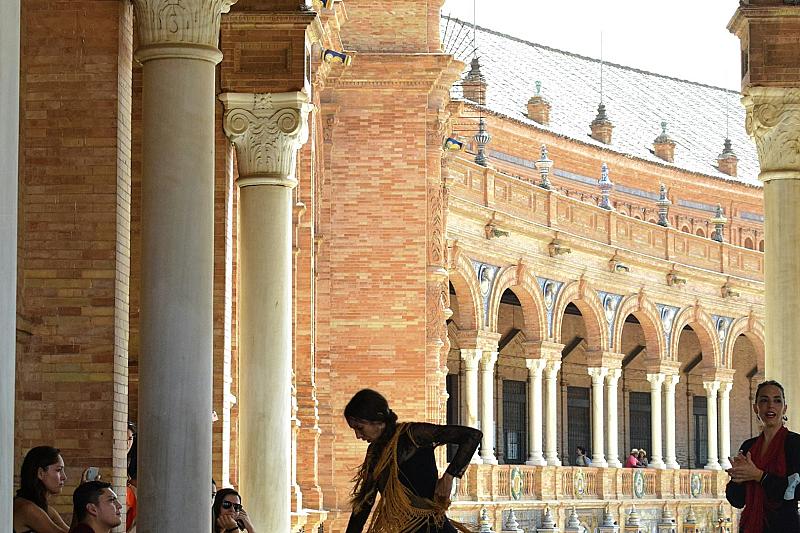
Bienal de Flamenco
The Bienal de Flamenco de Sevilla is the most important flamenco event in the world. Held every two years in the spiritual home of flamenco, this month-long festival brings together the finest artists in cante (singing), baile (dance) and toque (guitar) for dozens of performances across Seville's most atmospheric venues. From legendary masters to boundary-pushing newcomers, the Bienal is where flamenco's past, present and future converge.