Romería de Valme
The official third-Sunday rule places the 2027 Romería de Valme on 17 October. Exact departure times and access arrangements have not yet been published.
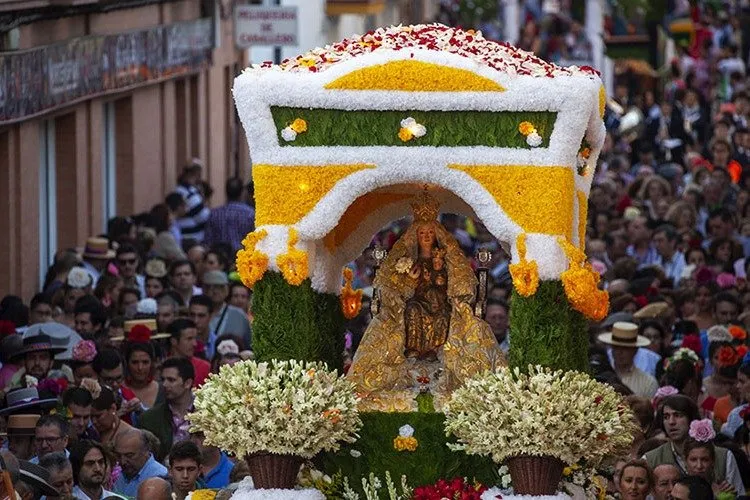
What Romería de Valme is like
- Procession
- Food & drink
- Free
- Noise
- Flamenco singing along the route, nothing deafening.
- Fire
- Nothing burns; ox carts and horses set the pace.
- Crowds
- Thousands of pilgrims spread along a country route.
- Mess
- You stay clean; it's a walk through olive groves.
- With kids
- Joyful and communal, but the route covers several kilometres.
Highlights
- Hundreds of decorated ox-drawn carts in procession
- Horseback riders in traditional Andalusian dress
- Spontaneous flamenco along the pilgrimage route
- Communal meals and wine under olive trees
- Stunning autumn Andalusian countryside
Romería de Valme 2027: confirmed date
The Romería de Nuestra Señora de Valme will fall on Sunday 17 October 2027. Dos Hermanas Town Council states that the pilgrimage is held on the third Sunday of October, an annual rule that unambiguously fixes the next edition. The council names the Hermandad de Nuestra Señora de Valme as organiser.
What is confirmed — and what is still pending
The municipal festival listing describes the Romería as a pilgrimage in Dos Hermanas to the Ermita de Cuarto. Its published 2026 edition left the Iglesia de Santa María Magdalena at 08:00, but the council has not yet published the exact 2027 departure time, route operations, traffic restrictions or public-access arrangements. Treat those details as pending and check the official municipal listing before travelling.
Gallery
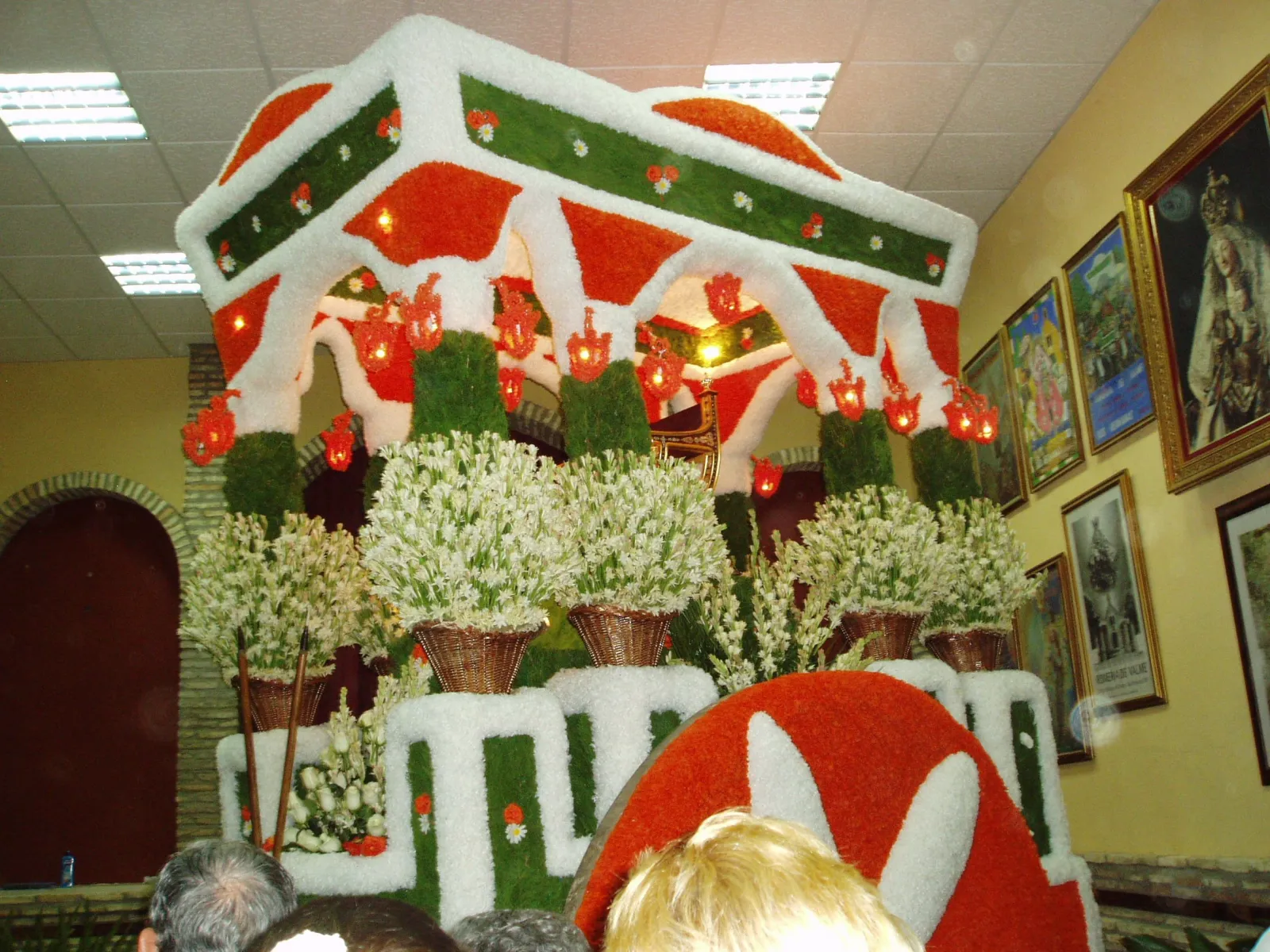
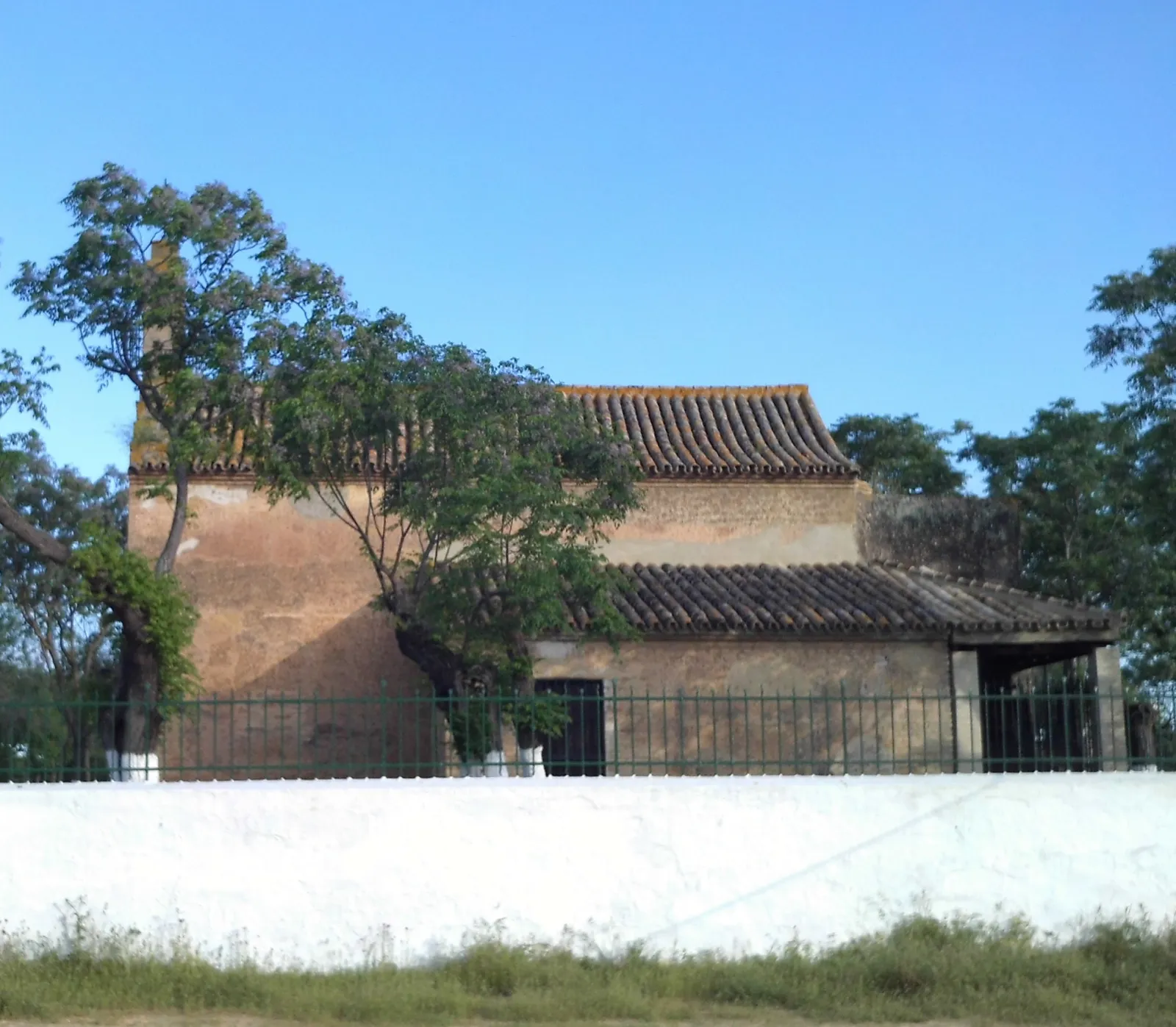
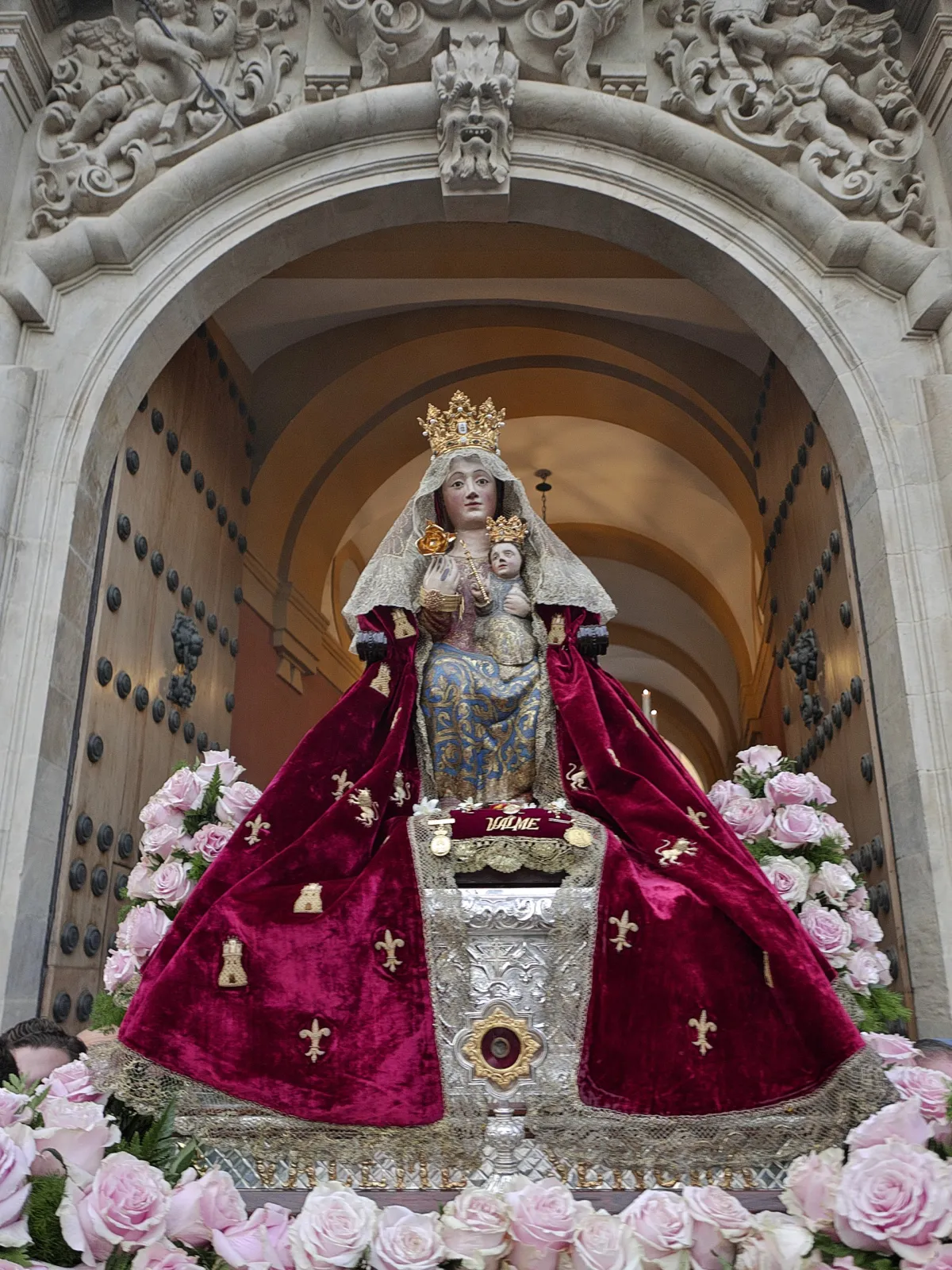
What to Expect
A quintessential Andalusian pilgrimage experience. October weather is pleasant in Seville — warm but not scorching. The atmosphere is joyful and communal, with strangers welcomed to share food and drink.
How to Get There
Dos Hermanas is just 15km south of Seville, connected by Cercanías commuter trains (15 min). Seville Airport has domestic and European flights. High-speed AVE from Madrid (2.5h) and Barcelona (5.5h).
Tips & Advice
- Wear comfortable walking shoes — the route covers several kilometres
- Bring sun protection even in October — Seville stays warm
- Stay in Seville and take the Cercanías train to Dos Hermanas
- Dress in traditional flamenco attire to blend in
Photos: Cardenasg / Public domain / Wikimedia Commons; CarlosVdeHabsburgo / CC BY-SA 4.0 / Wikimedia Commons; Jl FilpoC / CC BY 4.0 / Wikimedia Commons
Semana Santa
Seville, AndalusiaSemana Santa (Holy Week) is arguably Spain's most emotionally powerful and visually stunning festival. In the week leading up to Easter Sunday, cities and towns across the country fill with solemn religious processions, haunting music, clouds of incense, and enormous ornate floats (pasos) carried by hundreds of robed nazarenos.
Semana Santa de Málaga
Málaga, AndalusiaMálaga's Semana Santa is one of Spain's most emotional and spectacular Holy Week celebrations. Famous for its massive tronos (processional thrones) carried by hundreds of bearers, the spontaneous singing of saetas, and the unique tradition of releasing a prisoner, it draws over a million visitors every spring.
Romería del Rocío
El Rocío, AndalusiaThe Romería del Rocío is one of the most extraordinary religious and cultural events in the world — a mass pilgrimage to the shrine of the Virgen del Rocío (the White Dove) in the village of El Rocío, on the edge of the Doñana National Park in Huelva, Andalusia.
Fiesta de la Virgen del Carmen
Coastal Spain, AndalusiaOn July 16th, every fishing village and coastal town in Spain honours the Virgen del Carmen, patron saint of fishermen and sailors. Statues of the Virgin are carried in procession to the sea and placed on decorated boats for a maritime parade — one of Spain's most photogenic summer traditions.