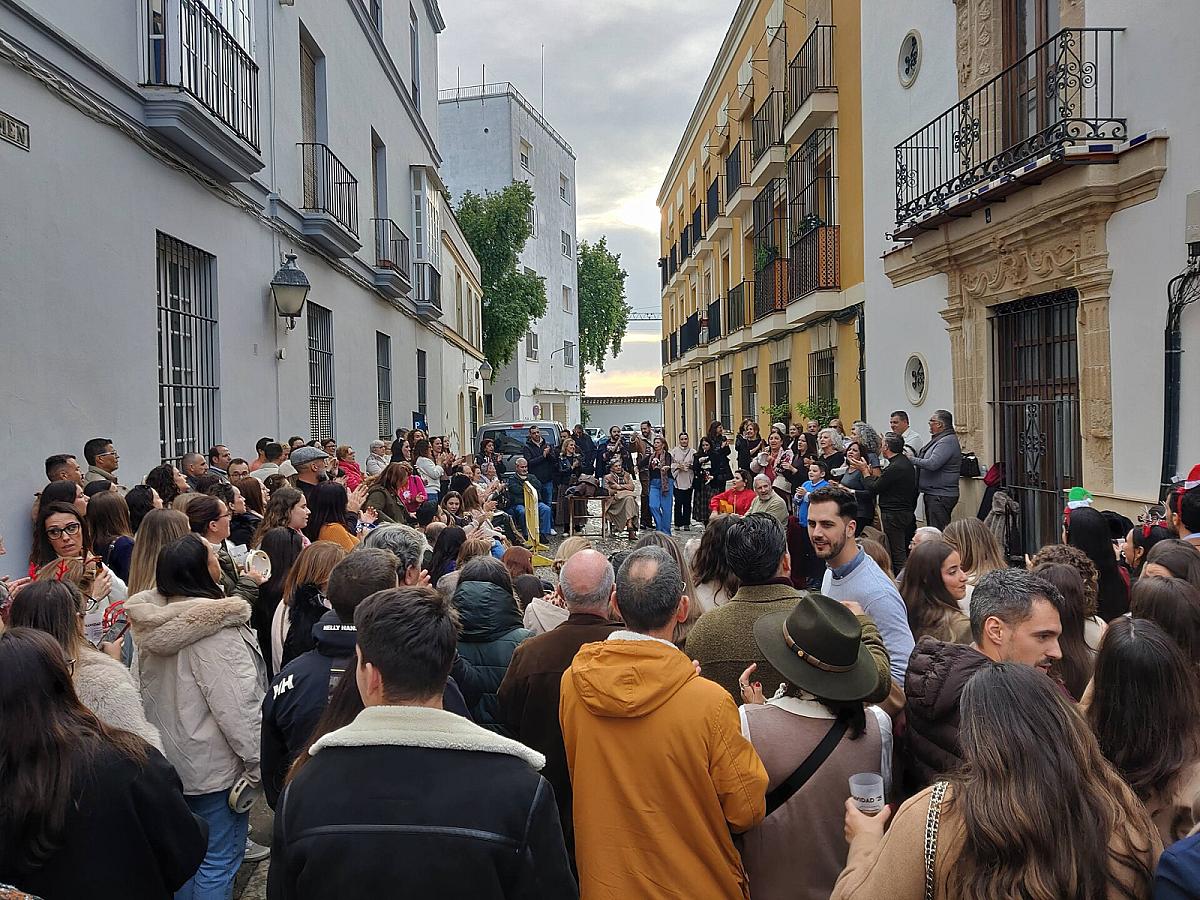
Zambombas de Jerez 2026: Flamenco Christmas Guide
A practical guide to the Zambombas de Jerez: what the flamenco Christmas gatherings are, the neighbourhoods to explore and how to use the municipal calendar. The exact 2026 programme and authorised dates were not yet published as of 22 October; confirm them on the official Jerez Christmas site before booking.
Quick answer: A zambomba is a Christmas gathering where Jerez sings its carols flamenco-style, by bulerías and tanguillos, around the friction drum that gives the celebration its name. The exact 2026 authorised period and event calendar had not yet been published by the city as of 22 October. Use this guide to choose the right neighbourhood and weekend, then confirm the live listings on the official Jerez Christmas page before booking.
What a zambomba is
The word names both the instrument and the party. The zambomba is a clay or wooden pot with a skin stretched across the top and a cane through the middle; rub the cane with a wet hand and it groans out a bass rhythm. In the patios de vecinos of Jerez, the shared courtyards of working-class housing, neighbours used to gather in December around a brazier to sing villancicos to that rhythm, with panderetas, palmas, the scrape of a spoon on an anís bottle, and sweets passed round. Because Jerez is one of the cradles of flamenco, the carols took on bulerías, tanguillos and romances, and the result is a sound you will hear nowhere else: "Los campanilleros", "La Virgen va caminando" and dozens of local songs sung in a circle, with someone always getting up to dance.
In 2015 the Andalusian government declared the zambombas of Jerez and Arcos de la Frontera a Bien de Interés Cultural. What was a neighbourhood custom is now a five-week season that fills every hotel in the city on December weekends. Jerez is also home to the Feria del Caballo in May and the Fiesta de la Vendimia in September; our Feria del Caballo guide and the Fiesta de la Vendimia page cover those.
The 2026 season: what is confirmed
The city publishes authorised public zambombas and operating rules on its Christmas portal. At the time of this review, that portal still carried the previous 2025–2026 season rather than a confirmed late-2026 calendar. Dates, venues, opening times and ticket prices below should therefore be treated as planning guidance, not as the 2026 programme. Recheck the municipal page and the organiser of any ticketed event shortly before travelling.
Where to go: a map of zambomba Jerez
The Plaza del Arenal and the tabancos
Jerez's main square and the lanes off it are the natural start. Tabancos, the old sherry taverns that sell wine from the barrel, run zambombas most afternoons and evenings in season: Tabanco El Pasaje (Calle Santa María), with its daily flamenco, Tabanco Plateros, Tabanco San Pablo and Tabanco a la Feria on Calle Armas, a few steps from the Arenal, were all on last year's calendar. Arrive before 19:00 for a table, order a fino or an oloroso and a plate of chicharrones, and stay as long as the singing lasts.
Barrio de Santiago
North of the cathedral, the old gitano quarter of Santiago is where many of the great flamenco families come from. The Peña Flamenca Tío José de Paula on Calle Merced and the Peña La Bulería on Calle Empedrada host zambombas that are the closest to the original patio gatherings: long tables, home-made sweets, and the whole room singing. The brotherhoods based in the barrio's churches put on zambombas in the squares outside, free and open to everyone. Walk up Calle Francos and Calle Taxdirt in the early evening and you will find them.
Barrio de San Miguel
South of the centre, the other flamenco barrio, home of Lola Flores. The Peña Los Cernícalos on Calle Sancho Vizcaíno and the squares around the church of San Miguel run some of the most crowded zambombas of the season. Combine with a late lunch on Calle Corredera.
Bodegas and ticketed zambombas
The big sherry houses stage large-format zambombas inside their bodegas with professional artists, seating and a bar, on selected dates from late November. González Byass (Tío Pepe), Fundador, Díez Mérito and smaller houses such as Diplomático have hosted them in recent years; tickets go on sale in October and November and sell out, so book as soon as you fix your dates. These are the most comfortable option for visitors who want a seat and a programme, and the least spontaneous.
Hermandades, schools and neighbourhood squares
Dozens of zambombas are organised by Holy Week brotherhoods and parish groups in squares across the city, especially on weekend afternoons. They are free, start around 13:00 or 17:00, sell drinks and sweets to raise money for the brotherhood, and often have the best singing of all.
Arcos de la Frontera
Half an hour east, the white hilltop town of Arcos shares the BIC status and holds zambombas in its own squares on December weekends. Arcos also stages one of Andalusia's great living nativity scenes, the Belén Viviente, on a date announced separately by the town, with hundreds of locals in costume through the old town from early evening. Doing Jerez on Friday and Arcos on Saturday is the classic weekend.
How a zambomba works and how to behave
- Join the circle, not the stage. There is no stage. People stand or sit in a ring, the singer starts, everyone claps. Clap on the beat if you know bulerías, otherwise follow the person next to you.
- Do not talk over the singing. Talk between songs; chatter during a verse earns a glare from the whole room.
- Buy something. In peñas and brotherhood zambombas the bar funds the event; a glass of sherry and a bag of pestiños is the entry fee.
- Dancing is welcome if you are invited into the centre, and you will be. Keep it short and let the next person in.
- Phones. Short clips are fine; no flash, no filming whole sets, and ask before pointing a camera at the singers up close.
- Children are everywhere at daytime zambombas; the late-night tabanco ones are adult.
What to eat and drink
The sweets of the zambomba are pestiños (fried dough with honey and sesame), roscos of anise, tortas and buñuelos, with turrón and polvorones from Estepa. The drinks are anís (sweet or dry), hot chocolate for the children, and sherry: fino and manzanilla before dinner, amontillado and oloroso as the night cools. The savoury side comes from the tabancos: chicharrones, cured tuna (mojama), cheese from the Sierra de Grazalema, and the Jerez classic of riñones al jerez. Several bodegas run tastings paired with Christmas sweets in December; Lustau, Tradición and Tío Pepe all offer English-language visits.
Beyond the zambombas: Jerez in December
- Sherry bodegas. Tío Pepe's visit with the Alcázar views, Lustau's almacenista tour, Tradición's art collection, Fundador's cathedral of casks. Book mornings, leave evenings free.
- Horses. The Real Escuela Andaluza del Arte Ecuestre performs its "How the Andalusian horses dance" show on Tuesdays and Thursdays through December, and the stables are open on other days.
- Flamenco. The Centro Andaluz de Documentación del Flamenco in the Palacio Pemartín explains what you are hearing; tablaos and peñas run normal programmes alongside the zambombas.
- Old town. Alcázar and its camera obscura, the cathedral, the Plaza de la Asunción, the Mercado Central de Abastos at breakfast time.
- Day trips. Cádiz (40 minutes by train) for its Christmas lights and sea air; Sanlúcar de Barrameda for manzanilla and langostinos; the white villages of Arcos, Grazalema and Zahara. The region's wider calendar is in our Andalusia guide, and the Carnival of Cádiz follows in February.
Getting there and staying
- Airport. Jerez (XRY) has direct flights from Madrid, Barcelona and several European cities, 15 minutes from the centre by taxi or train.
- Train. Seville Santa Justa to Jerez takes about an hour on regional and Media Distancia services; Cádiz is 40 minutes.
- Stay within walking distance of the Plaza del Arenal; the historic centre around Plaza Plateros, Calle Larga and Santiago is ideal. December weekend prices rise sharply and hotels sell out for 5–8 December, so book by early November.
- Weather. 10–17°C, often sunny, with cold nights; a coat and a scarf for the late zambombas in squares.
- Budget. Zambombas in peñas, squares and tabancos are free; ticketed bodega events vary in price; check the organiser before booking. See our festival budget guide for daily costs.
A flexible zambomba weekend
Choose a Friday or Saturday after checking the live municipal calendar. Use the daytime for a bodega visit and the early evening for the Arenal, Santiago or San Miguel. Do not build the plan around an old listing: venues and start times change, and ticketed events need separate confirmation.
FAQ
When are the Zambombas de Jerez in 2026? The exact authorised period and event calendar were not yet published as of 22 October. Check the official Jerez Christmas portal before booking.
Are zambombas free? Many neighbourhood, brotherhood and bar events are free, while bodega productions may require tickets. Confirm each listing.
Do I need to know flamenco? No. Listen, join the clapping only when you can follow the group, and leave space for local participants.
Where should I start? The Plaza del Arenal is a practical meeting point, but use the current municipal list to choose the venue that day.
Can I combine one with a bodega visit? Yes: book the bodega in daylight hours and keep the evening flexible until the zambomba time is confirmed.
Hero photo: El Pantera / Wikimedia Commons, CC BY-SA 4.0.
Related Articles
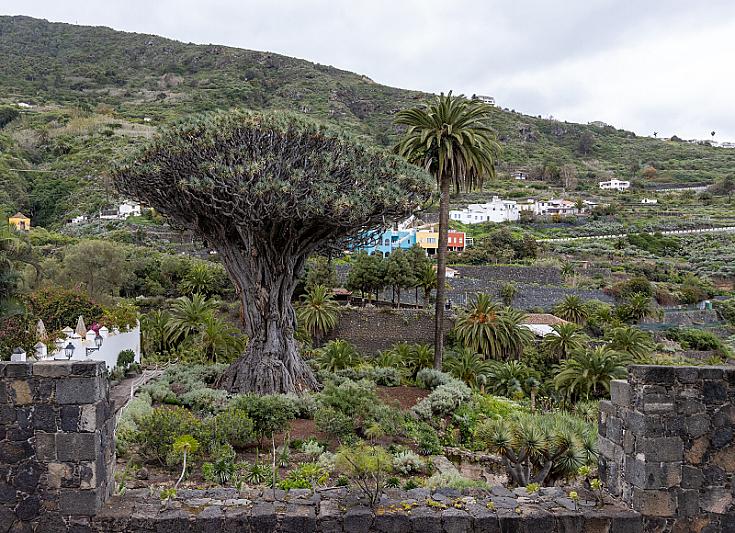
San Andrés in Tenerife: Tablas de Icod & New Wine
A practical guide to the San Andrés traditions of north Tenerife: the Tablas de Icod, new wine, chestnuts and Puerto de la Cruz cacharros. The traditional dates are 29–30 November; exact 2026 routes and times were still awaiting municipal publication on 22 October.
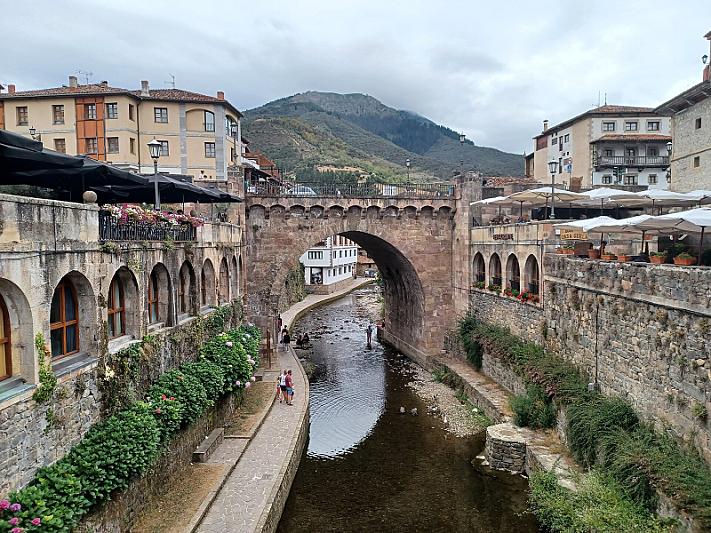
Fiesta del Orujo in Potes 2026: What to Do in the Picos
Potes celebrates the Fiesta del Orujo on 13–15 November 2026, dates confirmed by the town council. This visitor guide covers Potes, Liébana and the recurring festival traditions; the detailed 2026 timetable was still pending on 22 October.
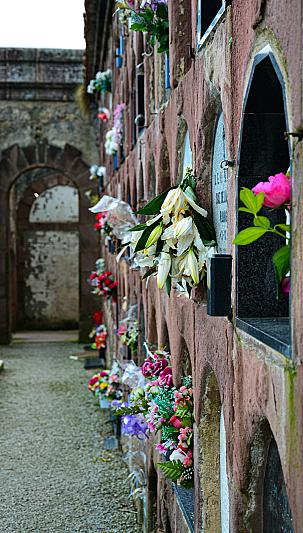
Halloween & All Saints' Day in Spain 2026: What to Do
Spain does celebrate Halloween, but the real dates to plan around are the night of 31 October and All Saints' Day on Sunday 1 November 2026, a national holiday. The most distinctive things to do are La Castanyada in Barcelona (roast chestnuts and panellets), Samaín in Cedeira and the Magosto chestnut festivals in Galicia, the open-air Don Juan Tenorio in Alcalá de Henares on 31 October and 1 November, and the 680-year-old Fira de Tots Sants in Cocentaina near Alicante from 30 October to 1 November.