Fiesta del Orujo in Potes 2026: What to Do in the Picos
Potes celebrates the Fiesta del Orujo on 13–15 November 2026, dates confirmed by the town council. This visitor guide covers Potes, Liébana and the recurring festival traditions; the detailed 2026 timetable was still pending on 22 October.
Quick answer: Potes, the stone-built capital of Liébana in the Picos de Europa, celebrates the Fiesta del Orujo on 13, 14 and 15 November 2026. The town council has confirmed those dates. Street distilling, producer stands, folk music, the Orujero Mayor and the Alquitara de Oro are recurring traditions, but the detailed 2026 timetable was still pending on 22 October. Combine the festival with cocido lebaniego, Fuente Dé and Santo Toribio, and confirm event times on the official Potes website before travelling.
What orujo is, and why Potes
Orujo is what Liébana makes from what the winemakers leave behind: the skins, seeds and stems of the grape, fermented and distilled in a copper pot still called an alquitara. The valley's steep terraces never produced great wine, so for centuries families turned the pomace into a clear, fierce spirit, and later into gentler versions, orujo de hierbas (herb-infused, yellow-green), orujo de miel, and the cream liqueur that sells best to visitors. Roughly a dozen distilleries, the orujeras, now operate in and around Potes, from old family stills to modern houses such as Picos de Cabariezo and Justina de Liébana, and the autumn festival is when they open everything.
The Fiesta del Orujo began in the early 1990s, reaches its 33rd edition in 2026 and has been a Fiesta de Interés Turístico Nacional since 2012. Our Fiesta del Orujo page carries the summary and the Cantabria region guide the regional context; this article is the weekend plan.
The 2026 programme: confirmed dates, timetable pending
The Ayuntamiento de Potes confirmed 13, 14 and 15 November 2026. As of 22 October, it had not yet published the detailed timetable or named the 2026 Orujero Mayor. Distilling demonstrations, producer stands, folk music, the Orujero Mayor ceremony and the Alquitara de Oro are recurring parts of the festival, but do not plan around a specific hour until the current programme appears on potes.es.
What to do in Potes between tastings
- Watch a distillation. Several alquitaras run live in the streets; the distillers explain the heads, heart and tails, and will tell you why the first spirit of the day is poured away.
- Climb the Torre del Infantado. The fifteenth-century tower houses a museum on Beato de Liébana and his illuminated manuscripts, the medieval Beatus commentaries that made this valley famous across Europe.
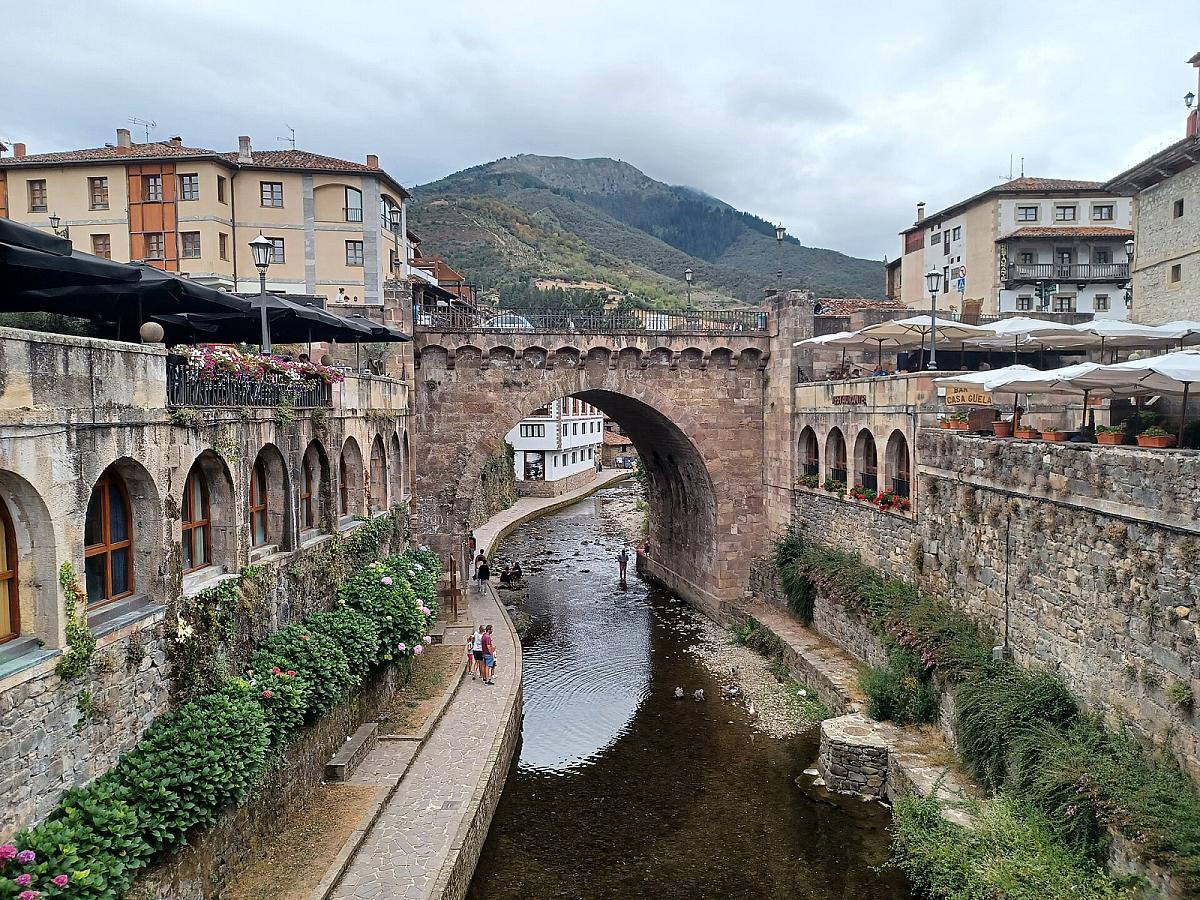
- Cross the bridges. The old town sits where the rivers Quiviesa and Deva meet; the bridges of San Cayetano and La Cárcel, the Calle del Sol and the Calle Cántabra are the postcard streets.
- Monday market. If you stay to Monday, the weekly market (every Monday) brings valley cheeses, honey and sausages to the Plaza de la Serna.
- Shop. Buy orujo direct from the orujeras, Picón Bejes-Tresviso blue cheese and the fresh quesucos of Liébana, chestnut honey, and the valley's own wine, including the sweet tostadillo.
Eat: the cocido lebaniego and the rest
The dish of the valley is cocido lebaniego: small chickpeas from Potes, cabbage, potato and the compango of chorizo, morcilla, bacon and beef, served in two courses with the broth and noodles first. Restaurants around the Plaza de la Serna and along Calle Cántabra serve it at lunch; book on festival Saturday. Follow it with quesada pasiega or sobaos from the Pas valley, or with the local frisuelos (crêpes) and a glass of orujo de hierbas. The other things to order in Liébana: venison and wild boar in season, Tresviso cheese with chestnut honey, and trout from the Deva.
Around Potes: the Picos de Europa in November
Potes is the gateway to the eastern massif of the Picos, and mid-November is one of the best moments to see it, with beech woods turning gold, snow on the summits and almost no coaches.
- Fuente Dé. 23 km up the valley, the cable car rises 753 metres in under four minutes to a viewpoint at 1,823 metres. In November it runs on winter hours and closes in high wind; go on the clearest morning of your stay and check the operator's website the night before. From the top, the walk to the Áliva refuge and down to Espinama is a classic half day.
- Santo Toribio de Liébana. Three kilometres from Potes, this Franciscan monastery keeps the Lignum Crucis, the largest surviving relic of the True Cross, and is one of the few places in the world that holds a Holy Year. The church is open daily; the view down the valley from the terrace is the reason to go even if relics are not.
- Mogrovejo. The valley's most photogenic village, with its tower and stone houses beneath the peaks; a short walk to the mirador of Santa Catalina.
- Santa María de Piasca. A twelfth-century Romanesque church in Cabezón de Liébana with exceptional carved capitals, usually empty.
- The Hermida gorge. The N-621 from the coast at Unquera to Potes runs for 20 km through the Desfiladero de La Hermida between walls of limestone; drive it in daylight at least once.
- Walking. The Ruta del Cares is on the Asturian side and a long day away; closer, the paths from Fuente Dé, the Pido and Cosgaya meadows, and the beech forest at Puerto de San Glorio give short autumn walks.
For the best Spanish festivals with lighter crowds, including this one, see our shoulder-season festivals guide.
Getting there and staying
- By car. Santander airport is 1 hour 30 away (A-8 west to Unquera, then the N-621 through the gorge). Bilbao is about 2 hours 30, Oviedo 2 hours. A car is close to essential for Fuente Dé and the villages.
- By bus. Regional buses link Santander with Potes several times a day, taking a little over two hours; there is no train.
- Where to stay. Potes has posadas and small hotels in the old town, which book out for the festival weekend by mid-October; the villages of Ojedo, Cabezón de Liébana and Camaleño have rural houses within ten minutes' drive, and the Parador de Fuente Dé sits at the foot of the cable car. If Potes is full, Panes or the coast at San Vicente de la Barquera are an hour away.
- Weather. Expect 5–14°C in Potes, colder up the valley and snow possible above 1,500 metres. Rain is likely at some point; the festival continues under the marquee.
- Money and timing. Stalls take cash and increasingly cards; restaurants need bookings for Saturday lunch and dinner. Sunday afternoon is the quietest time to taste.
Our Train vs Bus vs Car guide explains why the north of Spain is the one region where driving usually wins.
A flexible three-day plan
Friday. Drive the Hermida gorge in daylight, check in and explore Potes. Confirm the official opening time locally. Saturday. Use the clearest morning for Fuente Dé, return for the main festival atmosphere and follow the official timetable once published. Sunday. Visit Santo Toribio or Mogrovejo, then return to Potes for the final festival activities confirmed by the current programme.
FAQ
When is the Fiesta del Orujo 2026? Friday 13 to Sunday 15 November 2026 in Potes, Cantabria, as set by the town council.
Is it free? Street access has traditionally been free, while tasting materials and other activities may carry a charge. Confirm the 2026 arrangements in the official programme; restaurants and the cable car are separate.
What is orujo? A pomace brandy distilled from grape skins, seeds and stems in a copper alquitara, between 40 and 50% alcohol, drunk neat after meals, or as orujo de hierbas and cream liqueur.
Can I visit the Picos de Europa in November? Yes. The Fuente Dé cable car runs on winter hours and stops in strong wind; lower paths and villages are at their best with autumn colours. Carry warm layers and check forecasts.
Where should I stay? In Potes itself if you book early; otherwise in the villages of Camaleño, Cabezón de Liébana or at the Parador de Fuente Dé.
What should I eat in Potes? Cocido lebaniego, Picón Bejes-Tresviso cheese, quesucos, chestnut honey, venison in season and the local sweet wine tostadillo.
Why do some sites give different dates? Early listings assumed the usual "second weekend" pattern. Because 1 November 2026 falls on a Sunday, the council fixed the festival for the second full weekend, 13–15 November.
Hero photo: Simon Burchell / Wikimedia Commons, CC BY-SA 4.0.
Related Articles
San Andrés in Tenerife: Tablas de Icod & New Wine
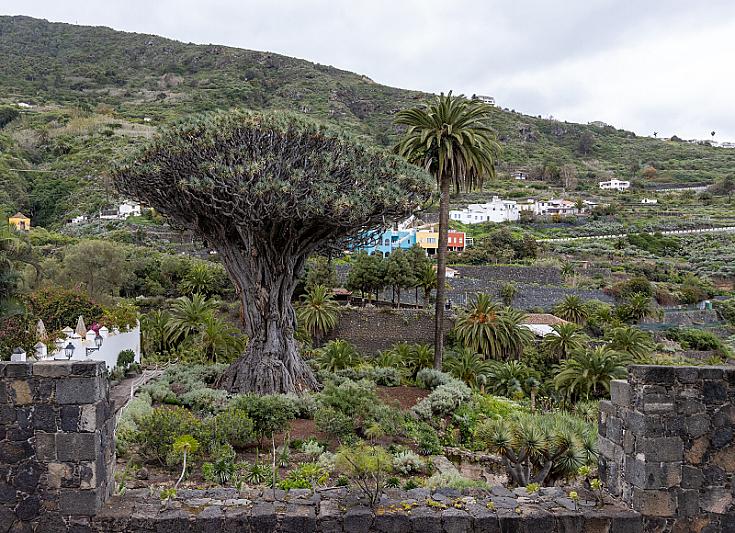
A practical guide to the San Andrés traditions of north Tenerife: the Tablas de Icod, new wine, chestnuts and Puerto de la Cruz cacharros. The traditional dates are 29–30 November; exact 2026 routes and times were still awaiting municipal publication on 22 October.
Zambombas de Jerez 2026: Flamenco Christmas Guide
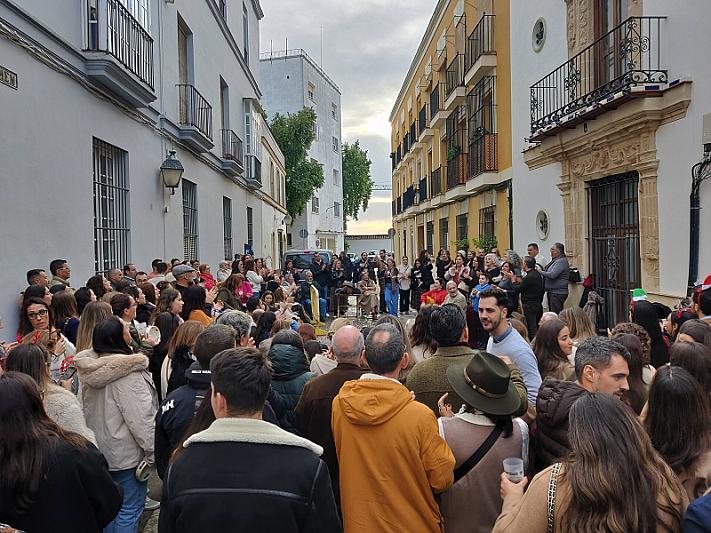
A practical guide to the Zambombas de Jerez: what the flamenco Christmas gatherings are, the neighbourhoods to explore and how to use the municipal calendar. The exact 2026 programme and authorised dates were not yet published as of 22 October; confirm them on the official Jerez Christmas site before booking.
Halloween & All Saints' Day in Spain 2026: What to Do
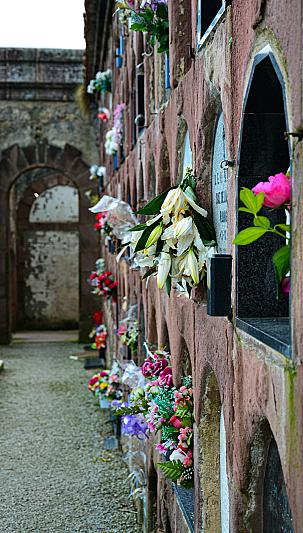
Spain does celebrate Halloween, but the real dates to plan around are the night of 31 October and All Saints' Day on Sunday 1 November 2026, a national holiday. The most distinctive things to do are La Castanyada in Barcelona (roast chestnuts and panellets), Samaín in Cedeira and the Magosto chestnut festivals in Galicia, the open-air Don Juan Tenorio in Alcalá de Henares on 31 October and 1 November, and the 680-year-old Fira de Tots Sants in Cocentaina near Alicante from 30 October to 1 November.