San Andrés in Tenerife: Tablas de Icod & New Wine
A practical guide to the San Andrés traditions of north Tenerife: the Tablas de Icod, new wine, chestnuts and Puerto de la Cruz cacharros. The traditional dates are 29–30 November; exact 2026 routes and times were still awaiting municipal publication on 22 October.
Quick answer: North Tenerife marks San Andrés around 29–30 November with new wine, chestnuts and distinctive street traditions: the Tablas de San Andrés in Icod de los Vinos and the cacharros in Puerto de la Cruz. As of 22 October, the municipalities had not yet published the exact 2026 routes and times. Use this guide for the tradition and logistics, then check the current notices from Icod de los Vinos and Puerto de la Cruz before travelling.
Why Tenerife celebrates wine at the end of November
Saint Andrew's day, 30 November, marks the moment when the island's winemakers traditionally tasted the year's wine for the first time. In Icod de los Vinos, whose name tells you what it has grown since the sixteenth century, the barrels were taken out and dragged down to the sea to be washed, and the noise of the staves on the cobbles became a festival. Two traditions came out of it. In Icod itself the barrels became tablas: planks, or boards, waxed with tallow and ridden down the town's steepest streets. Along the coast in Puerto de la Cruz and in Granadilla in the south, the noise is made with cacharros, strings of tin cans and old pots dragged behind children. Both are built around the same three things: new wine, roasted chestnuts and the end of the harvest.
The Tablas are recognised as a Fiesta de Interés Turístico de Canarias and the whole week is a good reason to be in the north of the island, which gets far fewer winter visitors than the southern resorts. See the Canary Islands region guide and our guide to island festivals in the Balearics and Canaries for the wider calendar.
Icod de los Vinos: the Tablas de San Andrés
What happens
In recent editions, municipal routes have used steep streets around San Marcos, with barriers and impact protection at the bottom of the descents. Children and adult riders may be assigned different sessions, but the council had not yet confirmed the 2026 route, closures, age categories, capacity or start times when this guide was reviewed. Treat street lists from earlier years as orientation only and follow the signed spectator zones and current municipal safety rules.
Where to stand
At the top for the launch and the faces; at the bottom, behind the barriers and well away from the tyre wall, for the impact and the cheering. The middle of the run is where the speed is. Never step into the street between runs; riders arrive faster than they look, and locals will pull you back without ceremony. Children should watch from a doorway or raised step.
Wine, chestnuts and the bodegas
While the boards run, the bodegas and bars open their new wine, the young red and white from Listán grapes grown on the volcanic slopes of the Ycoden-Daute-Isora denomination, served in small glasses from the barrel with roasted chestnuts and carne fiesta (marinated pork). Chestnut roasters set up on every corner from mid-afternoon; a paper cone costs a couple of euros. The wine is light, slightly rough and meant to be drunk this week; ask for vino nuevo. Casa del Vino in El Sauzal, the island's wine museum, runs San Andrés tastings if you want the context.
Icod by day
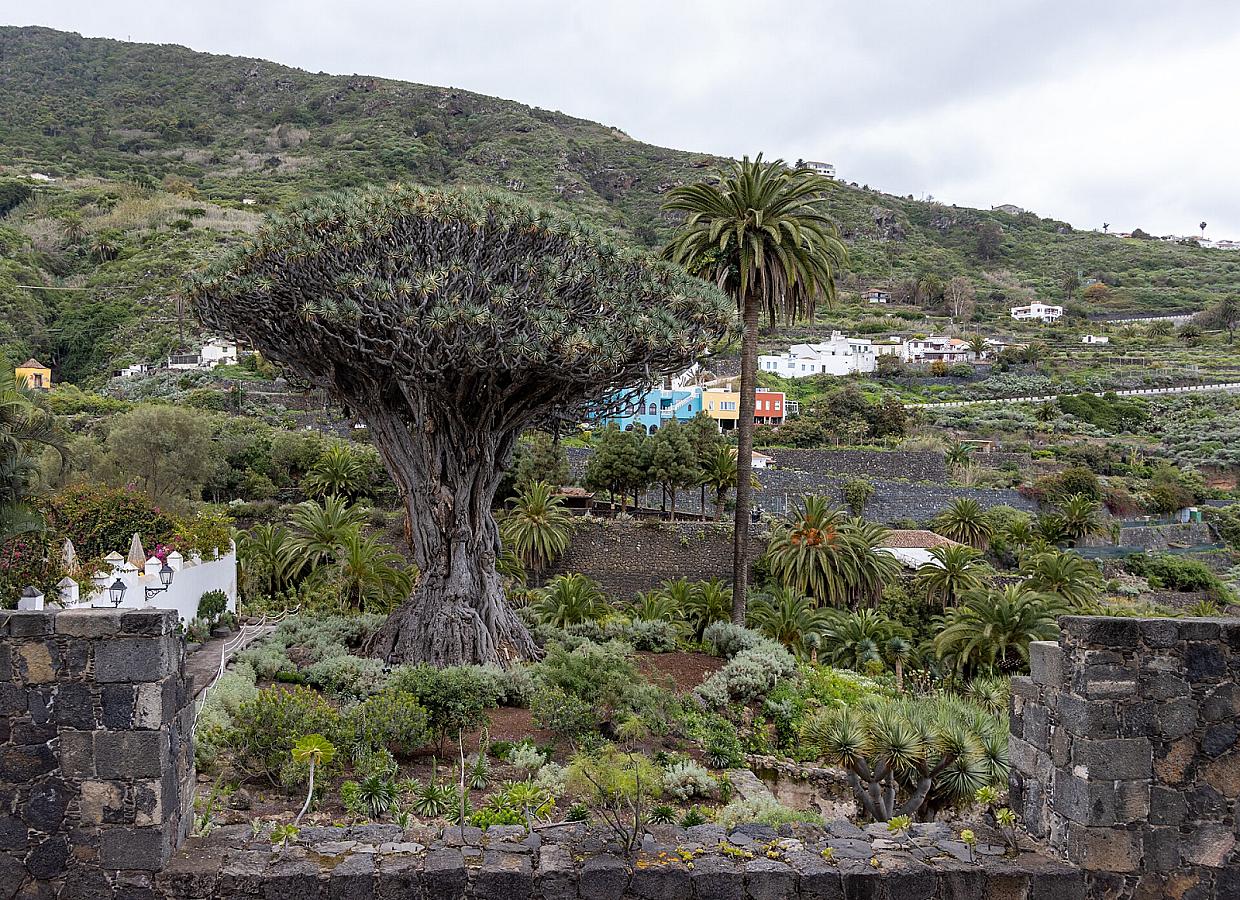
Come early and see the Drago Milenario, the island's famous dragon tree, in its park opposite the church, the Mariposario butterfly house, and the Plaza de la Pila with its Canarian balconies. Book the Cueva del Viento, one of the longest lava tubes in the world, for a morning tour, and swim at the black-sand cove of Playa de San Marcos below the town. Garachico, the old port destroyed by the 1706 eruption and rebuilt around its natural lava pools, is ten minutes west.
Puerto de la Cruz: the Fiesta del Cacharro y la Castaña
Puerto de la Cruz marks the eve of San Andrés with cacharros—strings of cans, pots and other metal objects dragged through the streets—along with chestnuts and local food. The route, meeting point, activities and timing can change each year. The municipal account of the tradition is useful background, but wait for the 2026 notice before choosing where and when to stand.
30 November: Saint Andrew's day in the wine villages
- La Guancha, between Icod and Puerto, holds its own Fiesta de San Andrés on the 30th with bodegas open, chestnuts and folk music, and a swim at the natural pool of El Charco de la Laja if the sea allows.
- La Orotava, the island's most elegant town, opens its bodegas and restaurants for new-wine tapas on the 30th, and the historic centre, the Casa de los Balcones and the gardens of the Marquesado make it the best daytime visit of the trip.
- Granadilla de Abona, in the south, repeats the Noche de San Andrés with its own cacharro race on the 29th if you are staying in the resorts.
- Guachinches. All through the north, the seasonal farmhouse restaurants that sell the family's wine with simple food are at their busiest in the weeks after San Andrés; follow the hand-painted signs off the main roads around La Orotava, Tacoronte and La Matanza.
What to eat and drink this weekend
Vino nuevo from Listán blanco and Listán negro grapes, barely a month old; castañas asadas; cherne salado with papas arrugadas and mojo; gofio escaldado; carne fiesta; batatas; and the island's bienmesabe almond dessert. Try also the dry whites of the Orotava valley and the sweet malvasías that made Canary wine famous in Shakespeare's time; the Casa del Vino shop sells both.
Practical tips
- Transport back from Icod. TITSA buses run between Puerto de la Cruz and Icod in about an hour, but frequencies drop late at night and taxis are scarce after the tablas. Agree a return time with a taxi, drive with a designated driver, or stay in Icod itself.
- Parking in Icod is heavily restricted around the historic centre during San Andrés; check the 2026 traffic notice and arrive before closures begin.
- Shoes and clothes. Closed shoes with grip; the streets are waxed and slippery near the runs. Evenings are 15–18°C and damp in the north.
- Safety. Stay behind the barriers, keep children at your side, and remember that riders cannot stop.
- Cash. Bodegas and chestnut sellers take cash; bring small notes.
- Weather. Late November in northern Tenerife means mild temperatures, cloud and showers. The festivals happen regardless.
- Combine. Tenerife's capital switches on its Christmas lights in the last week of November, and Teide's stargazing tours run all winter; see the Carnival of Tenerife page for the island's next great party in February.
A flexible two-day plan
Use the daylight hours for Icod's historic centre, the Drago and the wine landscape. Keep the evening flexible until the councils publish the 2026 traffic closures, routes and start times. If you want to experience both Icod and Puerto de la Cruz, do not assume they can be combined on the same night without checking transport and the final programme.
FAQ
When are the Tablas de San Andrés in 2026? The tradition centres on 29–30 November. Exact streets, sessions and times were still pending municipal publication as of 22 October.
Can visitors ride a board? Watching is the safe default. Do not join a run without local guidance, permission and the safety conditions published for 2026.
What is the Fiesta del Cacharro? Puerto de la Cruz marks the eve of San Andrés by dragging strings of cans through the streets and sharing seasonal food. Confirm the 2026 route and programme with the council.
Is the festival free? Street traditions are generally public, but costs and access rules for individual activities can vary. Check the current programme.
Hero photo: Mike Peel / Wikimedia Commons, CC BY-SA 4.0.
Related Articles
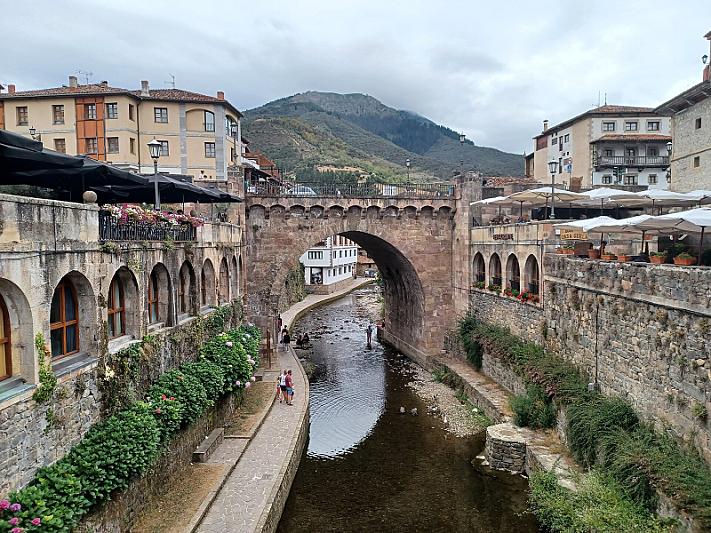
Fiesta del Orujo in Potes 2026: What to Do in the Picos
Potes celebrates the Fiesta del Orujo on 13–15 November 2026, dates confirmed by the town council. This visitor guide covers Potes, Liébana and the recurring festival traditions; the detailed 2026 timetable was still pending on 22 October.
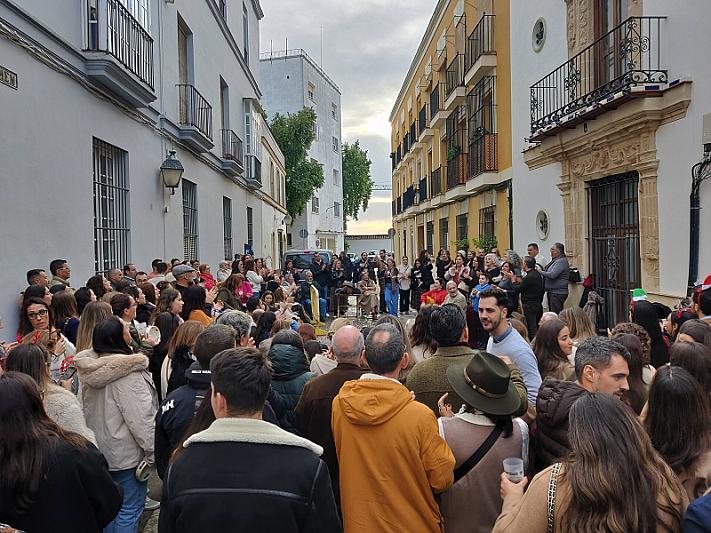
Zambombas de Jerez 2026: Flamenco Christmas Guide
A practical guide to the Zambombas de Jerez: what the flamenco Christmas gatherings are, the neighbourhoods to explore and how to use the municipal calendar. The exact 2026 programme and authorised dates were not yet published as of 22 October; confirm them on the official Jerez Christmas site before booking.
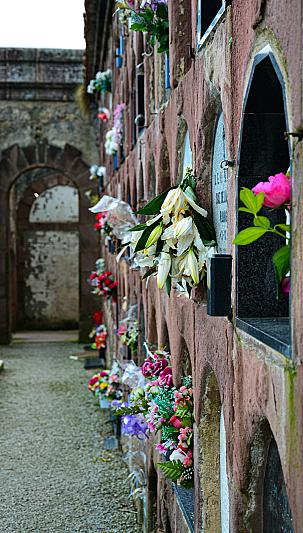
Halloween & All Saints' Day in Spain 2026: What to Do
Spain does celebrate Halloween, but the real dates to plan around are the night of 31 October and All Saints' Day on Sunday 1 November 2026, a national holiday. The most distinctive things to do are La Castanyada in Barcelona (roast chestnuts and panellets), Samaín in Cedeira and the Magosto chestnut festivals in Galicia, the open-air Don Juan Tenorio in Alcalá de Henares on 31 October and 1 November, and the 680-year-old Fira de Tots Sants in Cocentaina near Alicante from 30 October to 1 November.