Canary Islands
Atlantic islands with carnival traditions rivaling Rio de Janeiro
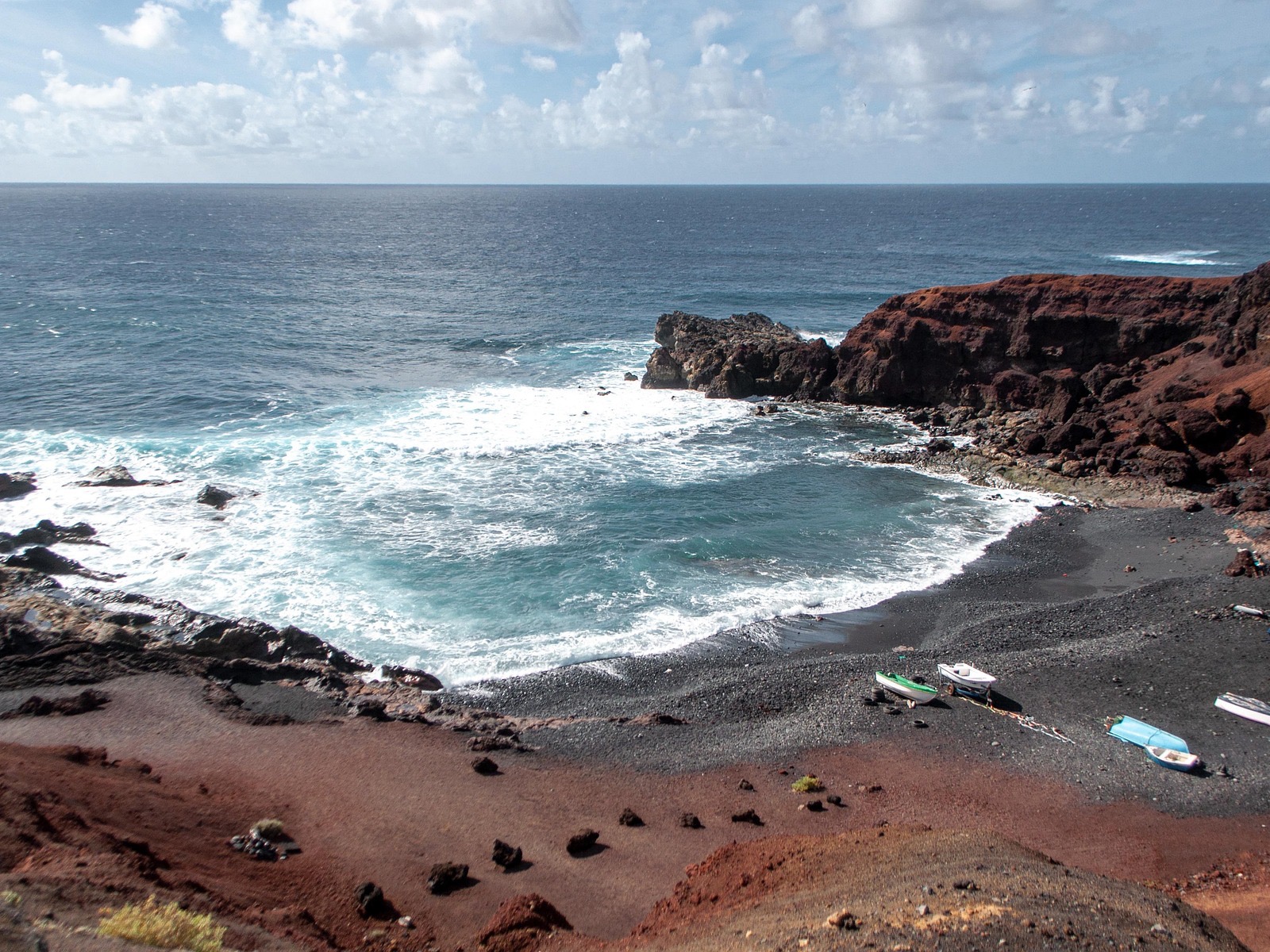
The Canary Islands sit closer to Morocco than to mainland Spain, a volcanic archipelago in the Atlantic with a subtropical climate that makes festivals possible year-round — most notably the Carnival of Tenerife, recognised as the second-largest carnival celebration in the world after Rio de Janeiro. Each of the seven main islands has a distinct character: Tenerife and Gran Canaria carry the biggest populations and the biggest festivals, while Lanzarote's lava-field landscapes and La Palma's dark-sky observatories draw visitors for reasons far removed from carnival crowds.
Carnival culture here runs deep and survived even Franco-era bans by rebranding itself as "Winter Festivals" rather than disappearing. The result today is weeks of costumed parades, murgas (satirical musical groups), and the elaborate Queen's Gala, where competitors wear engineered costumes that can weigh over 100kg. Beyond carnival, the islands offer volcanic national parks, black-sand beaches and a climate that keeps European visitors coming through the winter months when the mainland turns cold.
Highlights
- Carnival of Tenerife — recognised as the world's second biggest carnival after Rio
- Volcanic landscapes — Teide National Park and Lanzarote's lava fields are UNESCO-listed
- Year-round subtropical climate — mild winters make the islands a European escape from cold weather
- Survived Franco-era bans — carnival continued disguised as "Winter Festivals" through the dictatorship
Festivals in Canary Islands
 February
Carnival of Tenerife
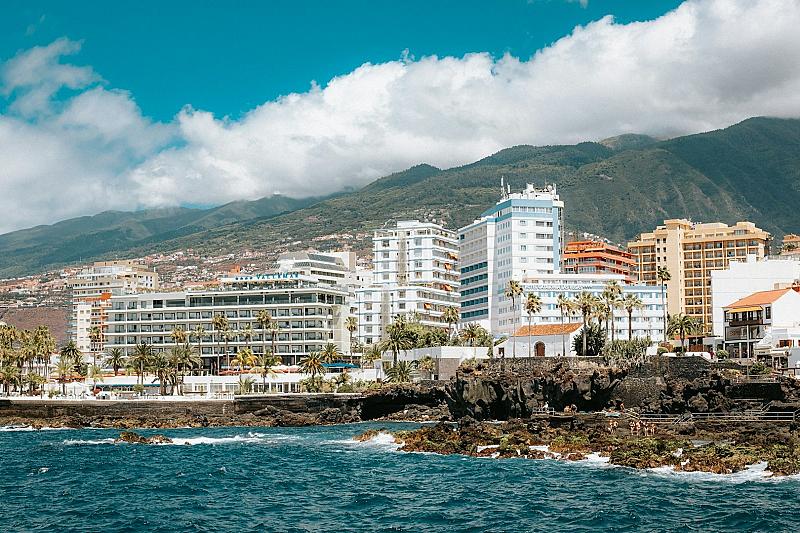
The Carnival of Santa Cruz de Tenerife is the second-largest carnival in the world, rivalled only by Rio de Janeiro. Every February, the Canarian capital explodes into a dazzling spectacle of costumes, music, dance and street parties that last over two weeks. Declared a Festival of International Tourist Interest, this carnival draws hundreds of thousands of visitors each year.
 January
Carnaval de Las Palmas de Gran Canaria
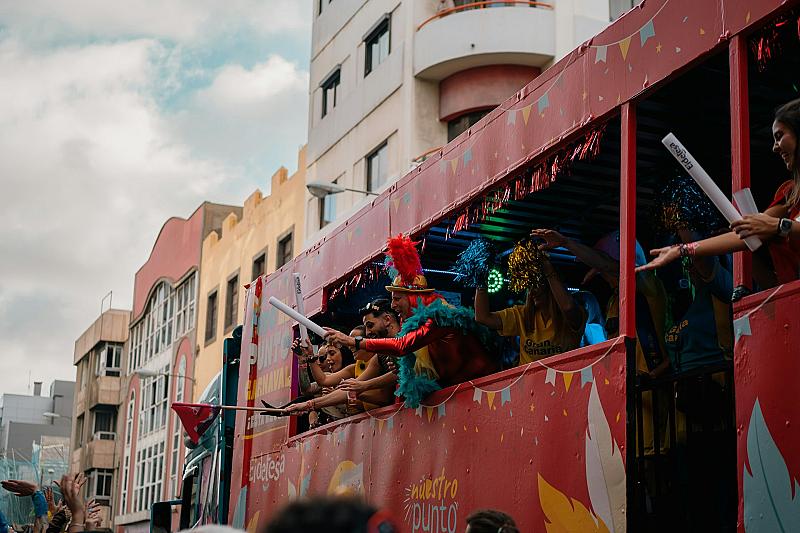
The Carnaval de Las Palmas de Gran Canaria is one of Spain's most spectacular, famous for its iconic Drag Queen Gala, massive street parades, and a carnival queen election that rivals Miss Universe in production values. Three weeks of non-stop festivities under the Canarian sun.
How to Get There
Tenerife (both North and South airports) and Gran Canaria have the busiest international connections, with extensive routes from the UK, Germany and mainland Spain. Inter-island flights and ferries connect the smaller islands. Flight time from Madrid is around 2.5–3 hours; from London, around 4–4.5 hours.
Tips & Advice
Book accommodation for Carnival of Tenerife well ahead — hotels in Santa Cruz fill up fast, and the festival runs 2.5 weeks in February/March. A costume genuinely improves the experience; you'll feel out of place without one during the main parades. Outside carnival, the islands are a legitimate year-round destination — don't assume festivals are the only reason to visit.