Catalonia
Northeast Spain with Barcelona and unique Catalan traditions
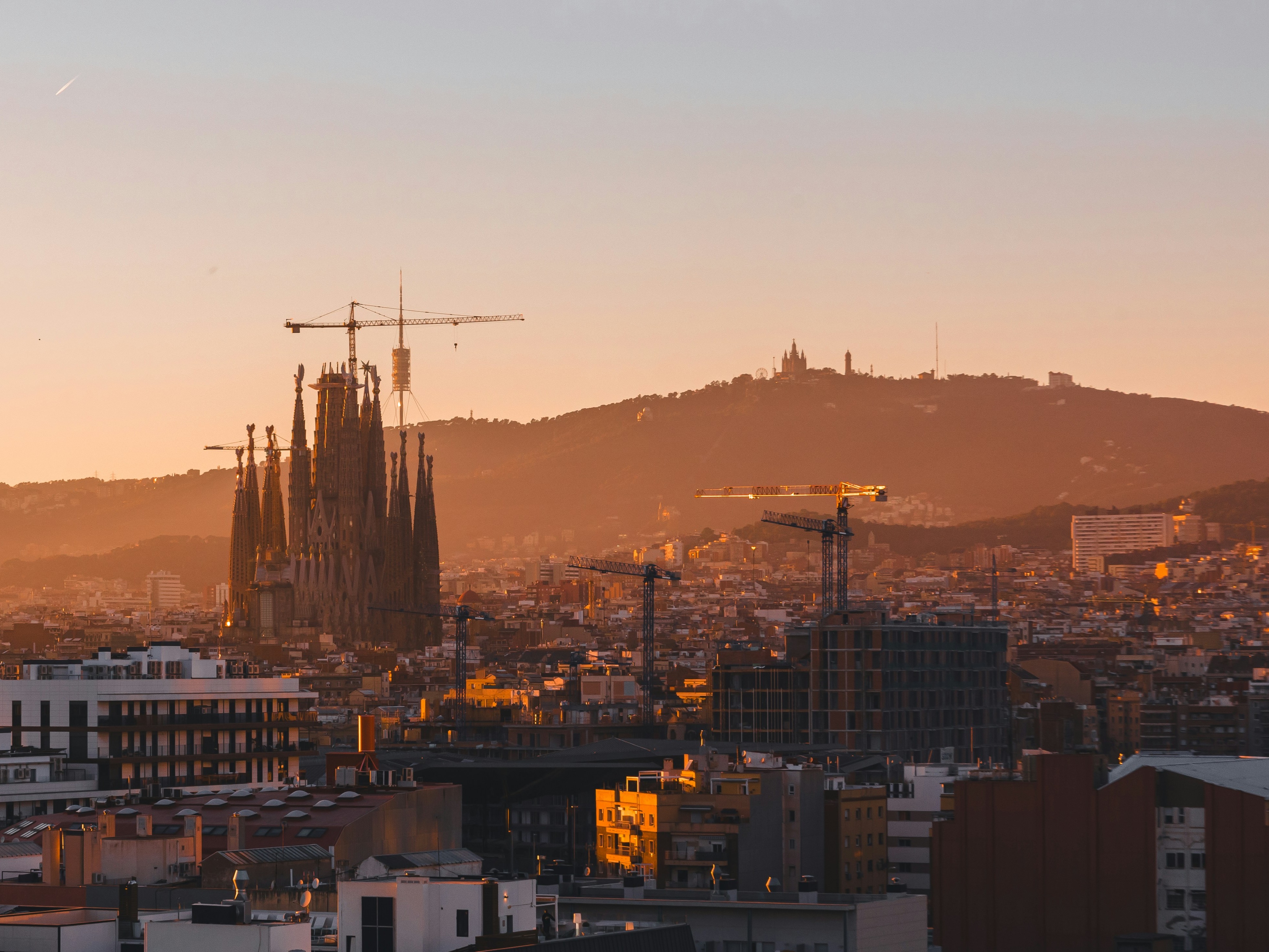
Catalonia's festival calendar reflects a region with a fiercely maintained identity of its own: Catalan is the everyday language across much of the region, and traditions like castells (human towers), correfocs (fire-runs with costumed devils) and sardana dancing appear again and again across its 14 festivals here, from Barcelona's neighbourhood Festa Major de Gràcia to La Patum de Berga, one of the oldest continuously celebrated festivals in Europe. Barcelona itself, with Gaudí's unfinished Sagrada Família and the Gothic Quarter, anchors the region, but Catalonia's festival culture is genuinely distributed across dozens of towns rather than concentrated in the capital.
Geographically, Catalonia runs from the Pyrenees down the Costa Brava to the Ebro delta, taking in the wine country of the Penedès and Priorat along the way. The region's festivals tend to be community-organised rather than city-run spectacles — castellers train year-round in neighbourhood clubs, and street decoration competitions like Gràcia's are planned for months by residents themselves. That grassroots character is part of what makes Catalan festivals feel different from the more tourism-oriented ferias further south.
Highlights
- Castells — human towers built by teams (colles) that train year-round, a UNESCO-recognised tradition
- Catalan language and identity — festivals are community-run and closely tied to local pride
- Barcelona and beyond — Gaudí's architecture anchors the capital, but the region's best festivals are spread across smaller towns
- Wine country — the Penedès and Priorat regions produce some of Spain's best cava and reds
Festivals in Catalonia
 September
La Mercè
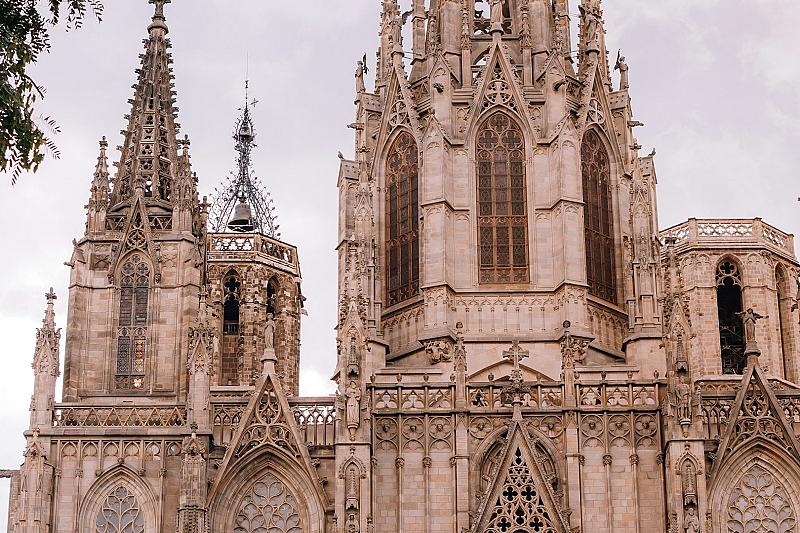
La Mercè (officially Festa Major de Barcelona) is Barcelona's largest annual festival, celebrating the city's patron saint, Our Lady of Mercy. Held every year around 24 September, it transforms the city into a four-day programme of over 600 free events — world-class concerts, traditional Catalan folk displays, fire runs, human towers, and open-air parties across every neighbourhood.
 June
June
Primavera Sound
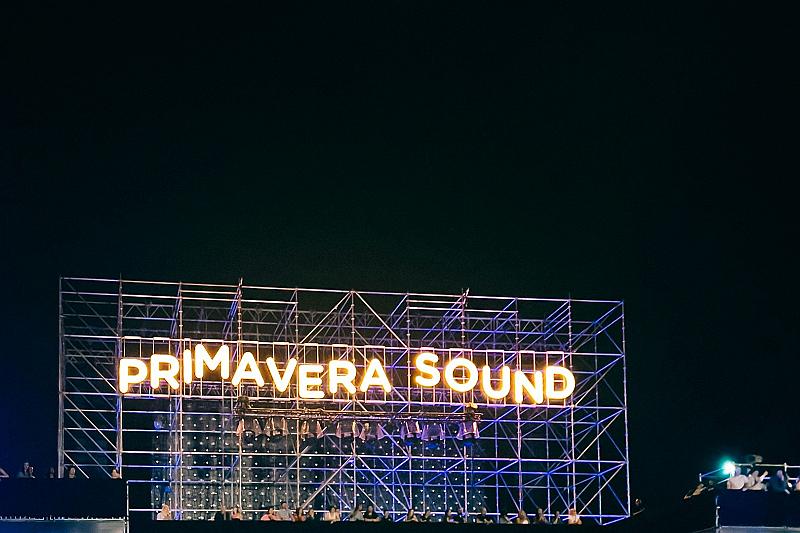
Primavera Sound is one of Europe's most acclaimed music festivals, held annually at Parc del Fòrum in Barcelona. Known for its cutting-edge lineup spanning indie, electronic, hip-hop, pop, and experimental music, it attracts over 200,000 visitors from around the world.
Diada de Sant Jordi
On April 23rd, Catalonia celebrates its most romantic tradition. Streets fill with stalls selling books and roses as couples exchange gifts: a rose for her, a book for him.
 June
June
Sónar Festival
The world's premier festival of advanced music and digital arts, Sónar splits between daytime cultural events in the city centre and all-night electronic music at the Fira Gran Via.
 February
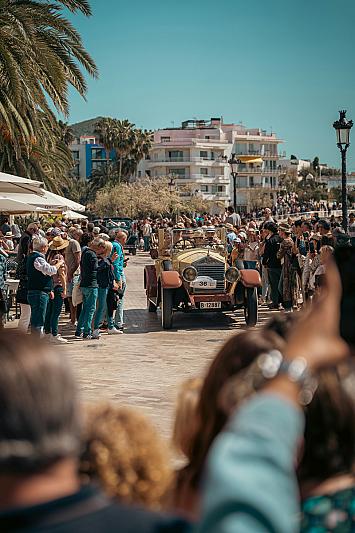
Carnaval de Sitges
Sitges Carnival is Spain's most colourful and inclusive celebration. This charming coastal town near Barcelona transforms into a non-stop party with extravagant parades, drag competitions, and the legendary Rua de la Disbauxa (debauchery parade). Over 300,000 visitors join the fun.
 August
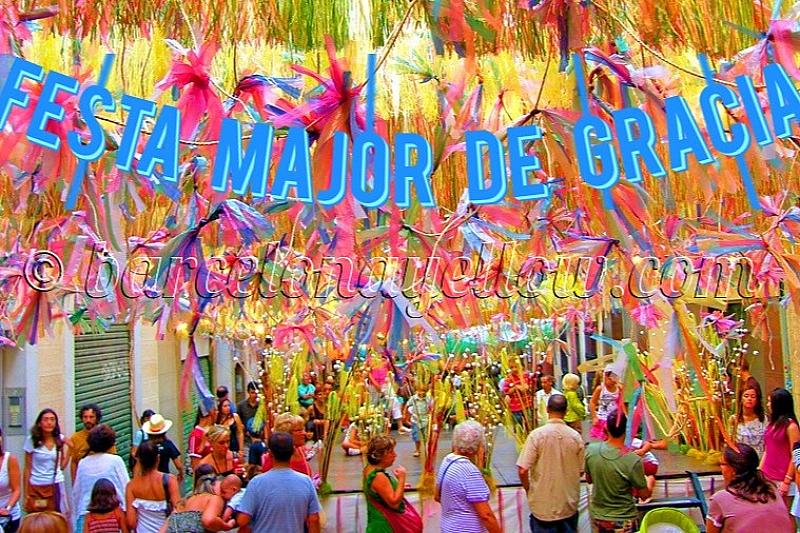
Festa Major de Gràcia
Each August, the Gràcia neighborhood erupts into a spectacular celebration where streets compete to create the most imaginative decorations from recycled materials, with live music and communal dinners.
 May
May
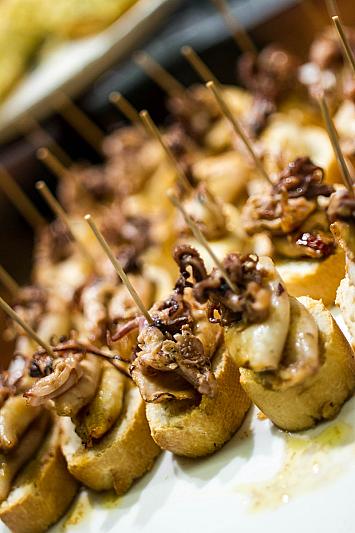
Aplec del Cargol
The Aplec del Cargol in Lleida is the world's largest snail-eating festival and a Fiesta of National Tourist Interest. Over three days, 200,000+ visitors consume around 12 tonnes of snails cooked in dozens of styles, while enjoying live music, competitions, and Catalan traditions.
Medieval Market of Vic
The Mercat Medieval de Vic is Catalonia's premier medieval event and one of the largest medieval markets in southern Europe. Every December, the elegant market town of Vic transforms its historic centre into a medieval world with over 500 stalls, theatrical performances, workshops and tens of thousands of visitors. Combined with the atmospheric winter setting and Vic's rich architectural heritage, it's a unique pre-Christmas medieval experience.
Fires de Sant Narcís
Ten days honouring Girona's patron saint with castells competitions, correfoc fireworks, sardana dancing, fairground rides, and concerts.
 September
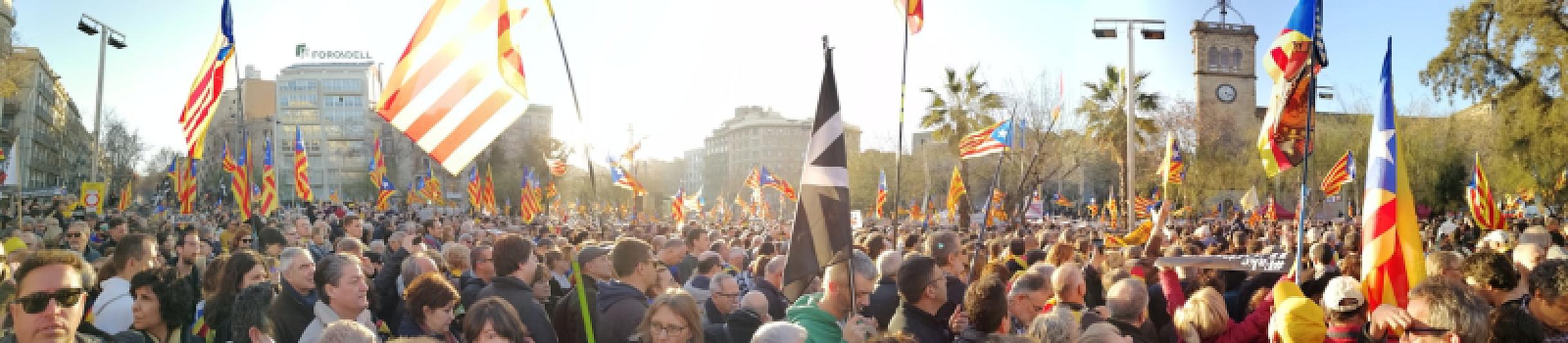
Diada de Catalunya
Catalonia's National Day on September 11th commemorates the fall of Barcelona in 1714 with massive demonstrations, cultural events, castells (human towers) and sardana dancing.
 December
Fira de Santa Llúcia
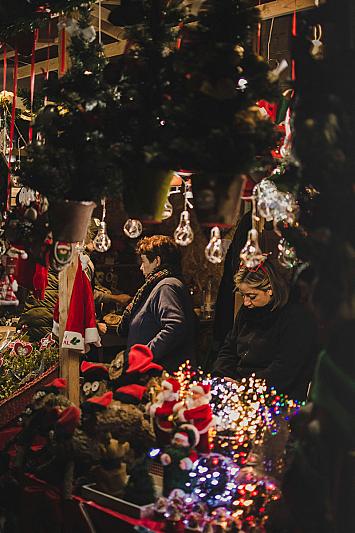
Barcelona's oldest Christmas market (since 1786) fills the square in front of the Cathedral with nativity scene figures, caganers, Christmas trees and traditional Catalan holiday crafts.
 May
May
La Patum de Berga
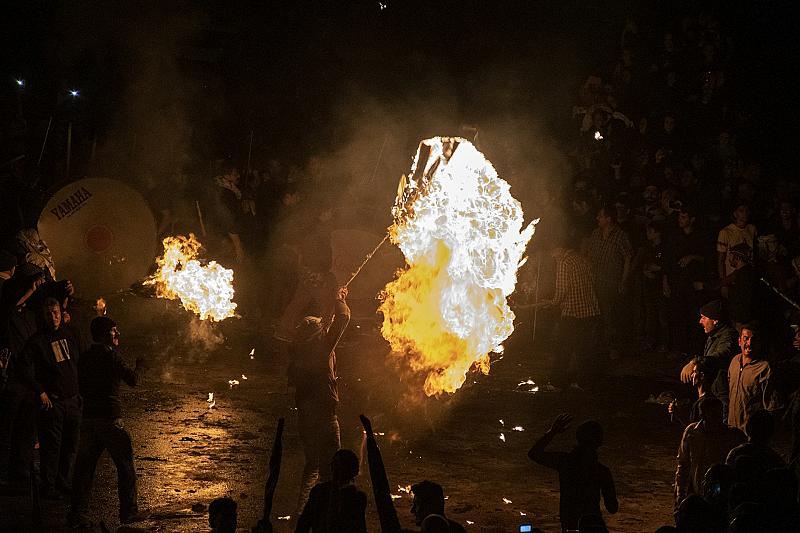
La Patum is a medieval festival of fire, music and mythical beasts celebrated in the mountain town of Berga during Corpus Christi week. Recognised by UNESCO as a Masterpiece of the Oral and Intangible Heritage of Humanity in 2005, it features fire-breathing demons, battling angels, giants and a climactic inferno called the Salt de Plens where the entire plaza erupts in flames. It is one of the oldest and most intense festival traditions in Spain.
How to Get There
Barcelona-El Prat is Catalonia's main international gateway, with extensive European and long-haul connections. Girona-Costa Brava airport offers a smaller, mostly budget-carrier network. High-speed AVE trains link Barcelona to Madrid in under three hours and to Paris directly. The regional Rodalies train network reaches most festival towns, including Berga, Vic and the Costa Brava, without needing a car.
Tips & Advice
If you want to see castells, check a colla's public performance calendar — many festivals feature them as a highlight but not every one does. Correfocs involve real fire and sparks at close range; watch from a safe distance unless you're specifically equipped to participate. Catalan and Spanish are both widely spoken, but a few words of Catalan go a long way with locals at neighbourhood festivals.