La Patum de Berga
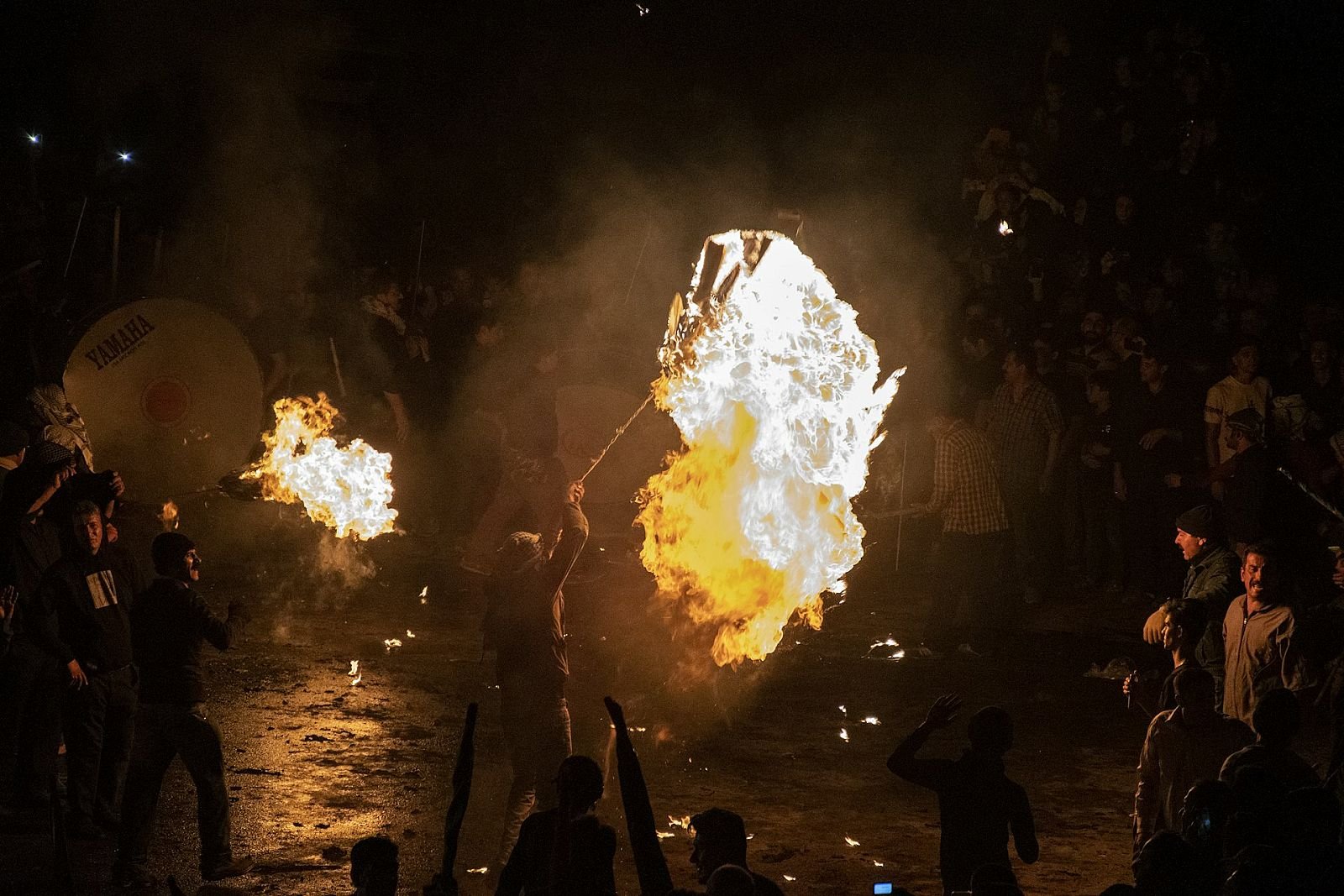
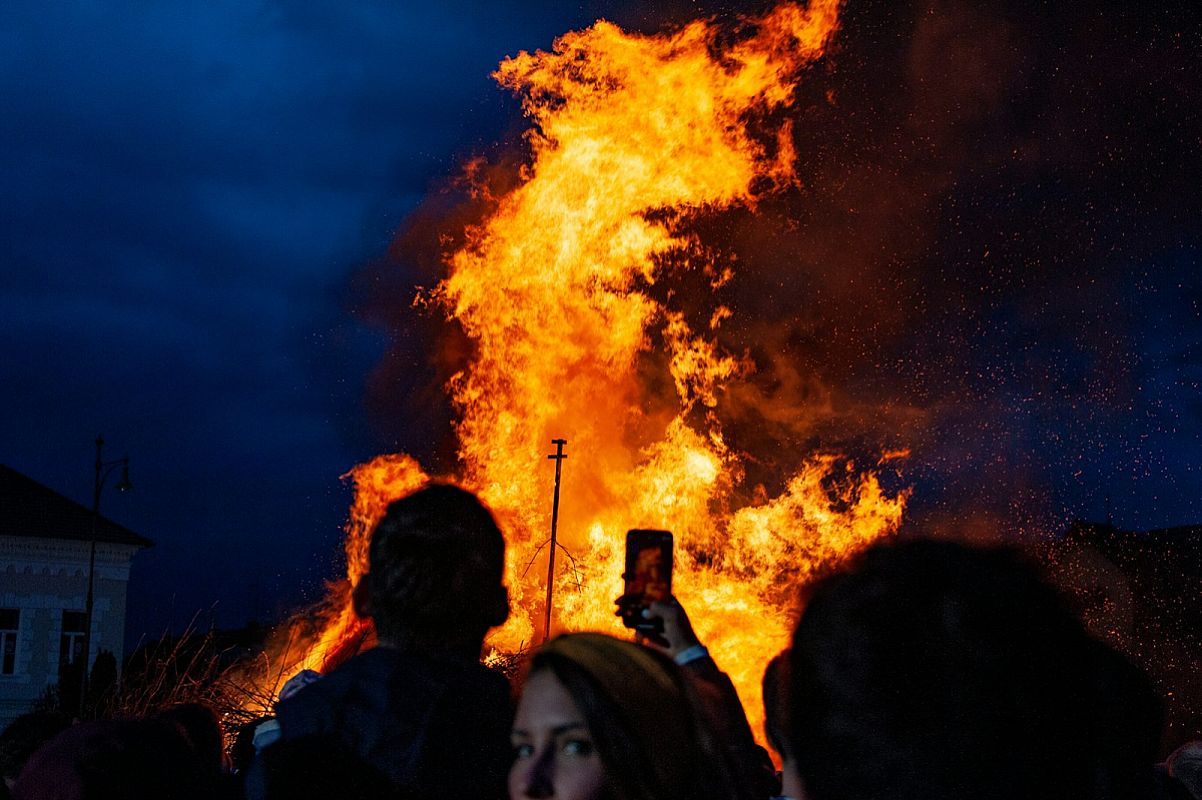
La Patum is a medieval festival of fire, music and mythical beasts celebrated in the mountain town of Berga during Corpus Christi week. Recognised by UNESCO as a Masterpiece of the Oral and Intangible Heritage of Humanity in 2005, it features fire-breathing demons, battling angels, giants and a climactic inferno called the Salt de Plens where the entire plaza erupts in flames. It is one of the oldest and most intense festival traditions in Spain.
Highlights
La Patum is a primal, transformative experience unlike anything else in Europe. In an age of sanitised, commercialised festivals, it remains stubbornly authentic — a medieval fire ritual performed by and for a small Catalan mountain town, preserved with fierce pride for over 600 years. The Salt de Plens is genuinely awe-inspiring: standing in a sea of fire and drumbeats, surrounded by leaping figures, you feel connected to something ancient and elemental. UNESCO called it right — this is living heritage at its most powerful.
Date & Schedule
| Detail | Info |
|---|---|
| Dates 2027 | 27 – 30 May 2027 (Corpus Christi week) |
| Key nights | Wednesday (children's), Thursday, Saturday and Sunday |
| Patum completa | Thursday evening and Saturday evening |
| Salt de Plens | Climax of the complete Patum, around midnight |
| Location | Berga, Barcelona province, Catalonia |
The full Patum (Patum completa) is performed twice: Thursday and Saturday evenings. Wednesday is the children's version. Sunday closes with a final pass.
Location
Berga is a town of 16,000 in the pre-Pyrenees of Catalonia, about 120 km north of Barcelona. The Patum takes place in the Plaça de Sant Pere, the main square, which becomes an incredibly dense, hot arena of fire and bodies. The town's narrow medieval streets add to the intensity.
Key Events & Highlights
- Turcs i Cavallets — Ornate hobby-horse figures representing Turks and knights dance and battle in the square
- Maces and Angels — The Archangel Michael battles demons with a flaming sword
- Guites — Two fearsome dragon-mule creatures run through the crowd spitting fireworks
- Plens — Figures covered entirely in greenery represent forest spirits
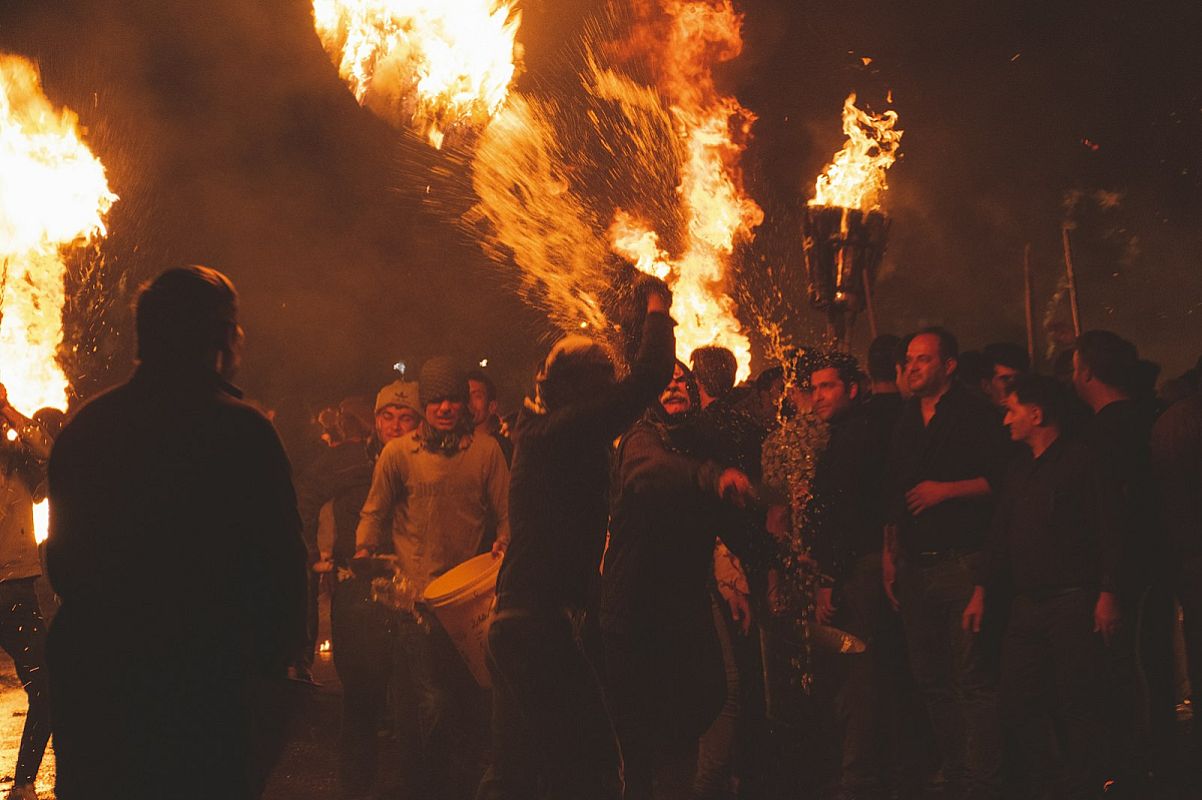
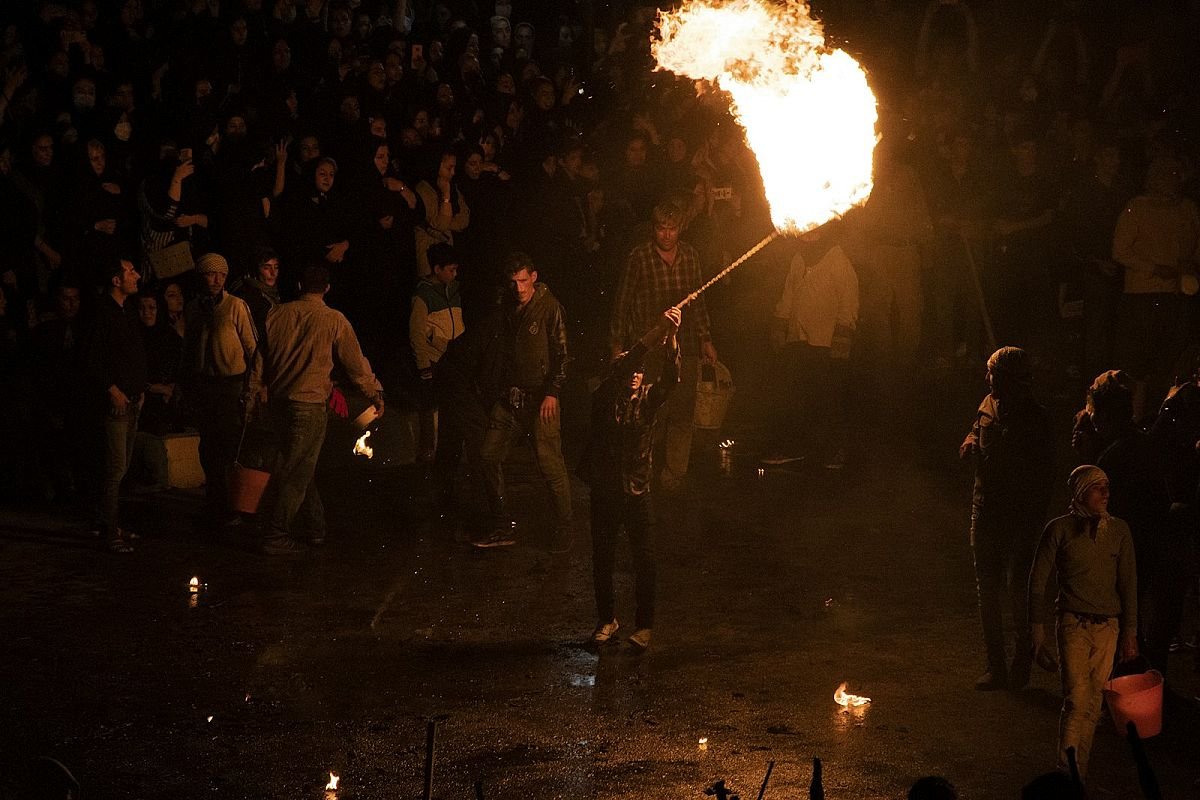
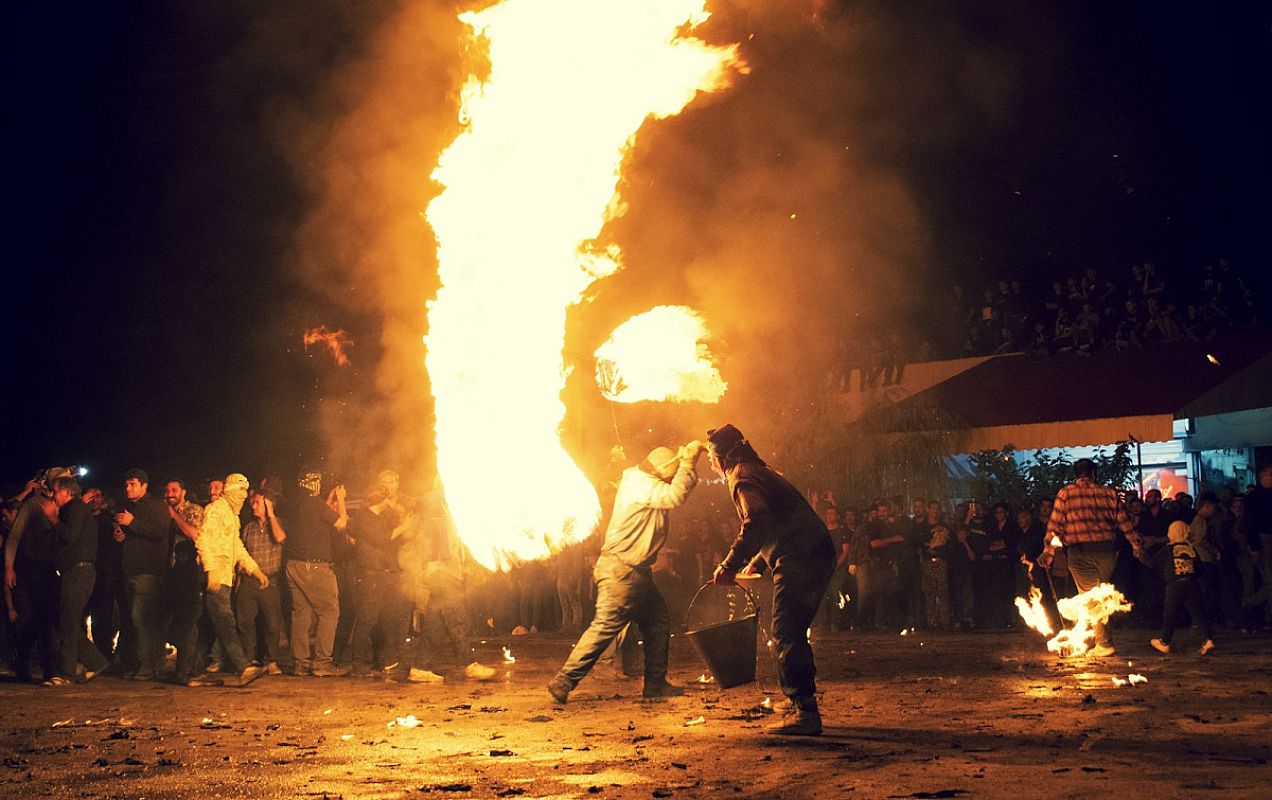
- Salt de Plens — The extraordinary climax: nearly 100 plens packed with fireworks leap into the pitch-dark plaza, creating a deafening, burning whirlwind of sparks. The crowd presses in, dancing in the fire. It's one of the most intense experiences in any festival worldwide
- Tabal — The sacred drum that marks every transition and whose rhythm is the heartbeat of the Patum
Gallery
Video
History & Origins
La Patum dates back to at least the 14th century, originating as a Corpus Christi religious procession with theatrical elements representing the battle between good and evil. Over centuries it absorbed pre-Christian fire rituals and grew into the explosive spectacle it is today. The name "Patum" comes from the sound of the tabal (drum): "pa-tum, pa-tum". Despite periodic bans and the Spanish Civil War, the people of Berga have fiercely preserved every element of their Patum. UNESCO recognised it in 2005.
What to Expect
La Patum is not for the faint-hearted. The Salt de Plens involves real fire in an extremely crowded plaza — temperatures soar, sparks land on your skin, and the press of bodies is intense. Wear long sleeves, long trousers and closed shoes (cotton, not synthetic — synthetics melt). Cover your head with a cotton cap or bandana. Leave cameras in your pocket during the Salt de Plens — you'll need both hands to protect yourself. Despite the apparent danger, serious injuries are remarkably rare thanks to centuries of collective know-how.
How to Get There
- By car: C-16 motorway from Barcelona (1.5 hours). Parking fills up early — arrive by afternoon
- By bus: Regular service from Barcelona Nord station to Berga (2 hours)
- By train: No direct rail to Berga. Take a train to Manresa, then bus to Berga
- Accommodation: Berga's hotels book out months in advance. Many visitors stay in nearby towns or drive from Barcelona (challenging if you want to enjoy the late-night Salt de Plens)
Tips & Advice
- Is it dangerous? It's intense but managed. Follow local customs — wear protective cotton clothing, stay aware of your surroundings, and follow the crowd's movements
- Can I take photos? Yes during most acts, but during the Salt de Plens it's practically impossible and inadvisable. Professional photographers use heat-resistant equipment
- Is it free? Yes — the Patum is performed in the public square. No tickets required
- How early should I arrive? Get to the plaza at least 2 hours before the Patum completa starts. The square fills to capacity
Plan Your Trip
Book accommodation and transport for this festival. Get the best deals on hotels and train tickets.
This page contains affiliate links. We may earn a commission at no extra cost to you.
Medieval Market of Vic
The Mercat Medieval de Vic is Catalonia's premier medieval event and one of the largest medieval markets in southern Europe. Every December, the elegant market town of Vic transforms its historic centre into a medieval world with over 500 stalls, theatrical performances, workshops and tens of thousands of visitors. Combined with the atmospheric winter setting and Vic's rich architectural heritage, it's a unique pre-Christmas medieval experience.
 September
La Mercè
La Mercè (officially Festa Major de Barcelona) is Barcelona's largest annual festival, celebrating the city's patron saint, Our Lady of Mercy. Held every year around 24 September, it transforms the city into a four-day programme of over 600 free events — world-class concerts, traditional Catalan folk displays, fire runs, human towers, and open-air parties across every neighbourhood.
Diada de Sant Jordi
On April 23rd, Catalonia celebrates its most romantic tradition. Streets fill with stalls selling books and roses as couples exchange gifts: a rose for her, a book for him.
 May
May
Aplec del Cargol
The Aplec del Cargol in Lleida is the world's largest snail-eating festival and a Fiesta of National Tourist Interest. Over three days, 200,000+ visitors consume around 12 tonnes of snails cooked in dozens of styles, while enjoying live music, competitions, and Catalan traditions.