Medieval Market of Vic
The Mercat Medieval de Vic is Catalonia's premier medieval event and one of the largest medieval markets in southern Europe. Every December, the elegant market town of Vic transforms its historic centre into a medieval world with over 500 stalls, theatrical performances, workshops and tens of thousands of visitors. Combined with the atmospheric winter setting and Vic's rich architectural heritage, it's a unique pre-Christmas medieval experience.
Highlights
The Mercat Medieval de Vic offers scale and atmosphere that few medieval markets can match. The sheer variety of 500+ stalls, the beauty of the Plaça Major, and the unique December setting — cold, possibly foggy, with the glow of torches and the smell of roasting chestnuts — create a genuinely immersive experience. It's the perfect pre-Christmas escape and a reminder that the best medieval markets aren't about theme parks, but about real towns with real history.
Date & Schedule
| Detail | Info |
|---|---|
| Dates 2026 | First weekend of December (approx. 4–6 December) |
| Duration | 3 days (Friday–Sunday) |
| Hours | 10:00 – 21:00 |
| Location | Vic, Barcelona province, Catalonia |
The market coincides with Vic's Mercat de Música Viva and the beginning of the Christmas season, making it a popular weekend getaway from Barcelona.
Location
Vic is a prosperous market town of 45,000 people in the Osona comarca, about 70 km north of Barcelona in the Catalan interior. The medieval market fills the magnificent Plaça Major — one of Catalonia's finest arcaded squares — and spreads through the surrounding old town streets. The Romanesque cathedral, Roman temple and medieval bridges provide an authentic backdrop.
Key Events & Highlights
- 500+ market stalls — The largest selection of any medieval market in Spain: artisan crafts, period foods, handmade goods, herbs, spices, leather, ceramics and wooden toys
- Plaça Major transformation — The spectacular arcaded square becomes the market's centrepiece, with stalls under the arches and entertainment in the centre
- Medieval trades — Live demonstrations of glassblowing, weaving, tanning, sword-making and other period crafts
- Street entertainment — Jugglers, fire-eaters, sword-swallowers, stilt-walkers, musicians and theatrical companies performing throughout the old town
- Medieval gastronomy — Roasted meats, cheeses, honey, spiced pastries, hot mead and mulled wine — perfect for December
- Children's activities — Archery, pottery, calligraphy workshops and puppet shows
- Night atmosphere — Torchlit streets and candlelit stalls create a magical evening ambience
Video
History & Origins
Vic has been an important market town since Roman times (Ausa). Its medieval prominence came as the seat of a powerful bishopric and a key trading centre on the route between Barcelona and the Pyrenees. The Mercat Medieval was established in 1997 and has grown exponentially, now attracting over 45,000 visitors per edition. It's become a model for medieval markets across Spain and a key cultural event in Catalonia's calendar.
What to Expect
December in Vic is cold (5-10°C, often foggy) — dress warmly with layers, gloves and a scarf. The famous boira (Vic's winter fog) can actually enhance the medieval atmosphere dramatically. The market gets very busy on Saturday — Friday evening and Sunday morning are quieter. Many visitors come from Barcelona as a day trip. The food and drink stalls are excellent — try llonganissa de Vic (the town's famous cured sausage) and hot spiced wine.
How to Get There
- By train: Rodalies de Catalunya (line R3) from Barcelona Plaça Catalunya to Vic (1h 15min, frequent service). The station is a 10-minute walk from the old town
- By car: C-17 motorway from Barcelona (1h). Parking available on the outskirts of the old town
- By bus: Sagalés runs frequent services from Barcelona Nord (1h 15min)
Tips & Advice
- Is it free? Yes — entry to the market is free
- Is it worth combining with other visits? Yes — the nearby Monastery of Ripoll (Romanesque masterpiece), Rupit (medieval village) and the Guilleries mountains are excellent additions
- Do stalls accept cards? Many are cash-only — bring euros
- Is it accessible? The old town has cobblestone streets and some slopes, but the main Plaça Major area is flat
Plan Your Trip
Book accommodation and transport for this festival. Get the best deals on hotels and train tickets.
This page contains affiliate links. We may earn a commission at no extra cost to you.
 August
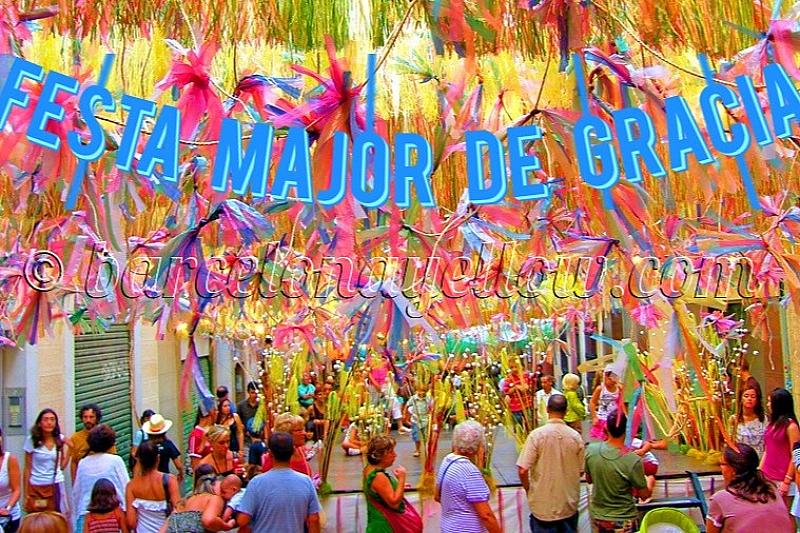
Festa Major de Gràcia
Each August, the Gràcia neighborhood erupts into a spectacular celebration where streets compete to create the most imaginative decorations from recycled materials, with live music and communal dinners.
Fires de Sant Narcís
Ten days honouring Girona's patron saint with castells competitions, correfoc fireworks, sardana dancing, fairground rides, and concerts.
 June
June
Sónar Festival
The world's premier festival of advanced music and digital arts, Sónar splits between daytime cultural events in the city centre and all-night electronic music at the Fira Gran Via.
 May
May
Aplec del Cargol
The Aplec del Cargol in Lleida is the world's largest snail-eating festival and a Fiesta of National Tourist Interest. Over three days, 200,000+ visitors consume around 12 tonnes of snails cooked in dozens of styles, while enjoying live music, competitions, and Catalan traditions.