Diada de Catalunya
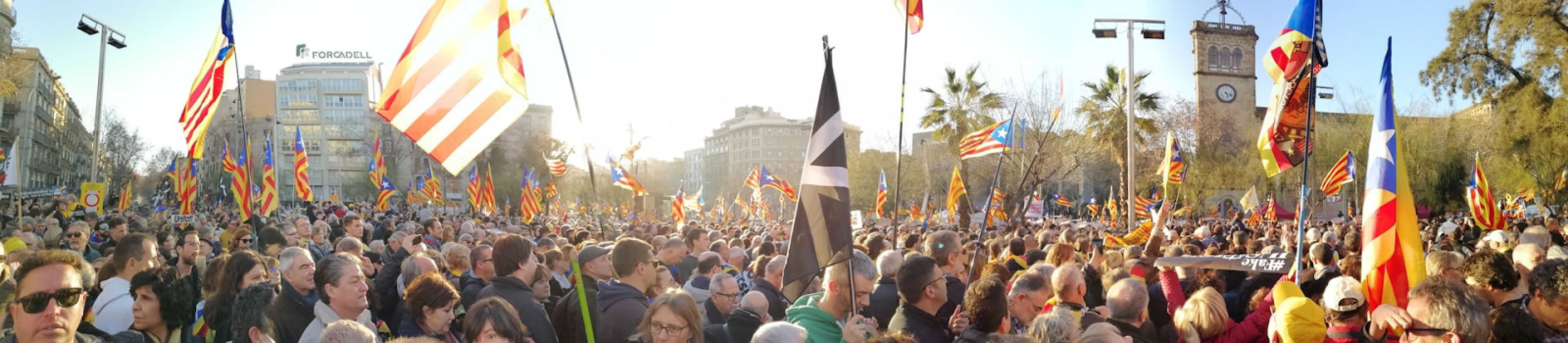
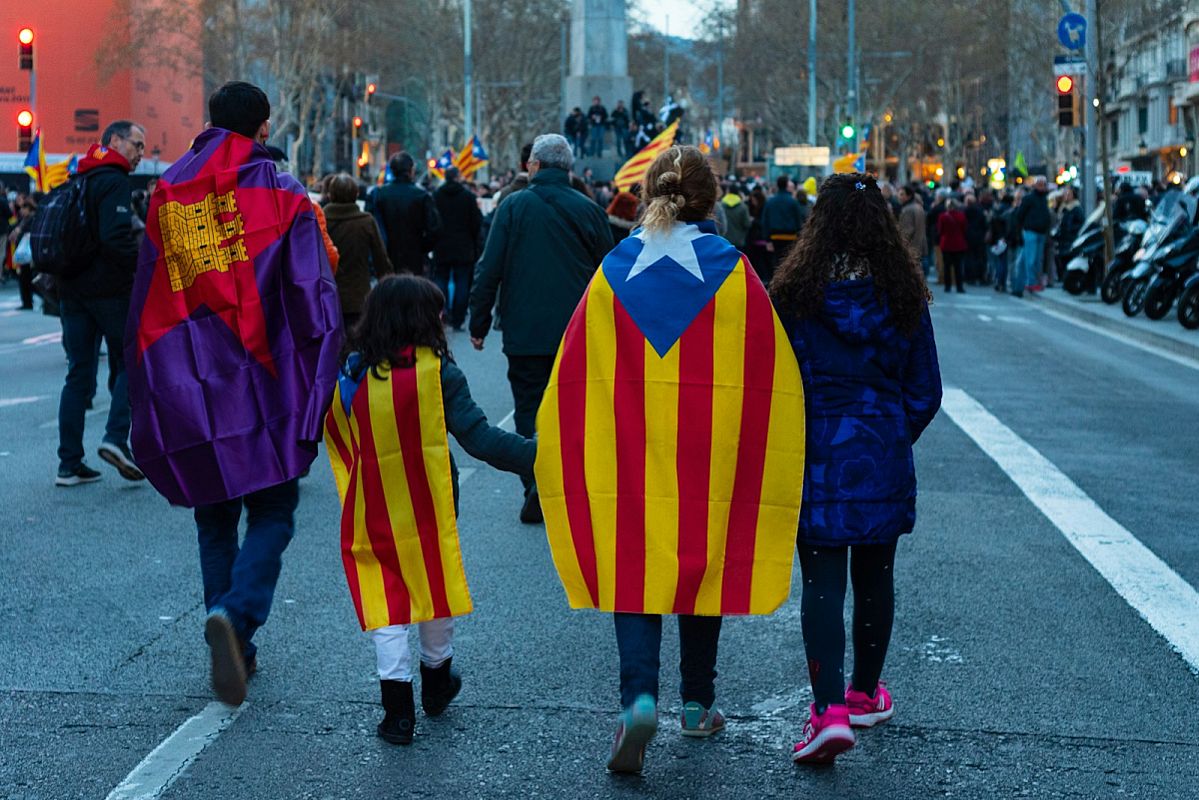
Catalonia's National Day on September 11th commemorates the fall of Barcelona in 1714 with massive demonstrations, cultural events, castells (human towers) and sardana dancing.
Highlights
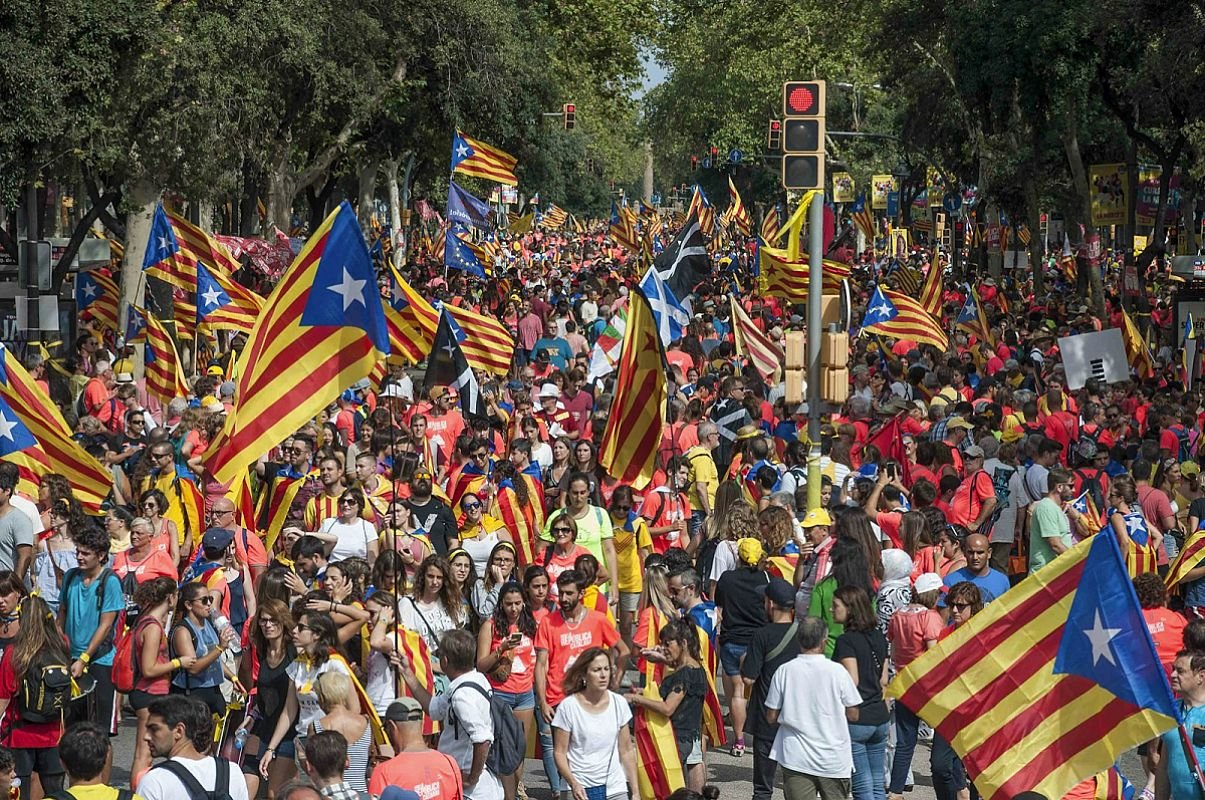
- Massive demonstration through central Barcelona
- Castells (human towers) in plazas across Catalonia
- Sardana dancing — Catalonia's traditional circle dance
- Floral offerings at the Fossar de les Moreres
- Cultural events, concerts and exhibitions
The Diada Nacional de Catalunya, celebrated on September 11th, commemorates the fall of Barcelona during the War of the Spanish Succession in 1714, when Catalan institutions and liberties were abolished by Philip V of Spain.
The day begins with official ceremonies at the monument to Rafael Casanova (the city's heroic defender) and the Fossar de les Moreres memorial near Santa Maria del Mar. Since 2012, the Diada has featured massive political demonstrations that have drawn up to 1.5 million people.
Beyond the political dimension, the Diada is a celebration of Catalan culture: castellers build impressive human towers, traditional sardana dances are performed in plazas, and cultural institutions host special events. Many businesses close as Catalans celebrate their identity and heritage.
Gallery
What to Expect
A day of intense Catalan pride and cultural expression. The political demonstrations are peaceful but enormous. Cultural activities are spread across Barcelona and Catalan towns. It's a public holiday in Catalonia so many shops and services are closed.
How to Get There
Barcelona is Spain's best-connected city after Madrid. El Prat Airport has flights from across Europe. AVE trains from Madrid (2.5h). The main events concentrate in central Barcelona, easily accessible by metro.
Tips & Advice
- September 11th is a public holiday — plan around closures
- The demonstration route is announced days before — check local media
- Watch castells in Plaça Sant Jaume or at local town squares
- Public transport runs on a holiday schedule
Plan Your Trip
Book accommodation and transport for this festival. Get the best deals on hotels and train tickets.
This page contains affiliate links. We may earn a commission at no extra cost to you.
 September
La Mercè
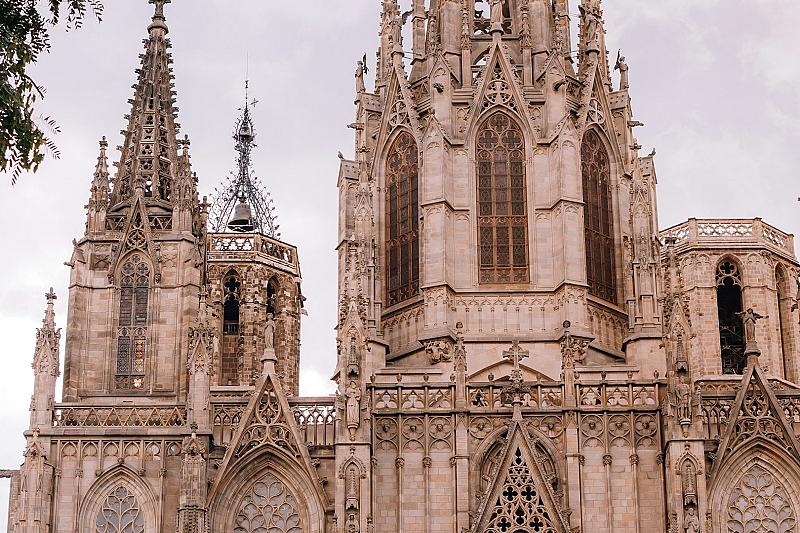
La Mercè (officially Festa Major de Barcelona) is Barcelona's largest annual festival, celebrating the city's patron saint, Our Lady of Mercy. Held every year around 24 September, it transforms the city into a four-day programme of over 600 free events — world-class concerts, traditional Catalan folk displays, fire runs, human towers, and open-air parties across every neighbourhood.
 December
Fira de Santa Llúcia
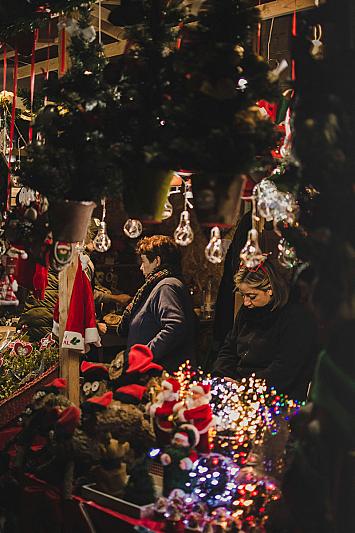
Barcelona's oldest Christmas market (since 1786) fills the square in front of the Cathedral with nativity scene figures, caganers, Christmas trees and traditional Catalan holiday crafts.
 February
Carnaval de Sitges
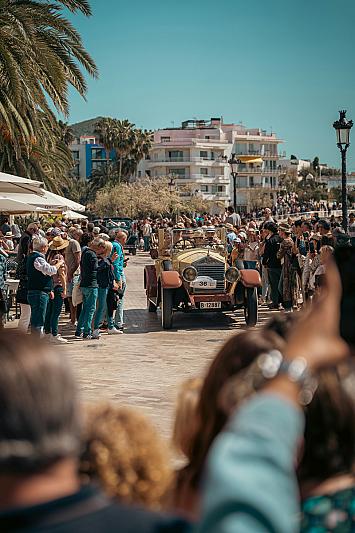
Sitges Carnival is Spain's most colourful and inclusive celebration. This charming coastal town near Barcelona transforms into a non-stop party with extravagant parades, drag competitions, and the legendary Rua de la Disbauxa (debauchery parade). Over 300,000 visitors join the fun.
Diada de Sant Jordi
On April 23rd, Catalonia celebrates its most romantic tradition. Streets fill with stalls selling books and roses as couples exchange gifts: a rose for her, a book for him.