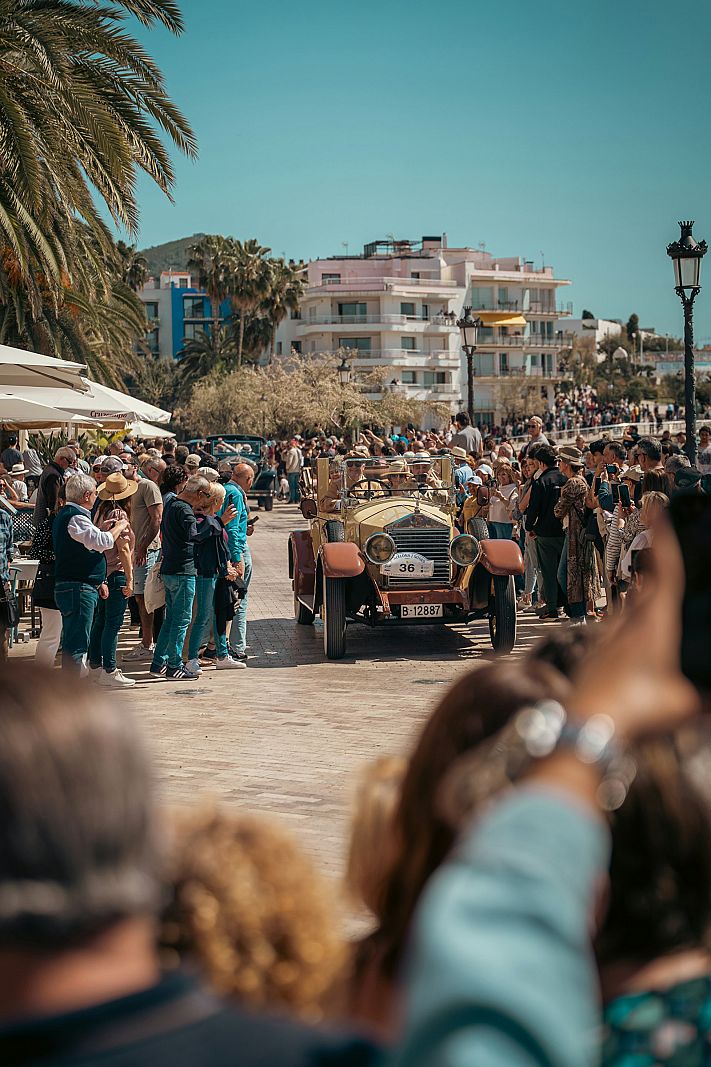
Carnaval de Sitges
Sitges Carnival is Spain's most colourful and inclusive celebration. This charming coastal town near Barcelona transforms into a non-stop party with extravagant parades, drag competitions, and the legendary Rua de la Disbauxa (debauchery parade). Over 300,000 visitors join the fun.
Highlights
- Spain's most LGBTQ+-friendly carnival celebration
- Rua de la Disbauxa — the legendary "debauchery parade"
- Over 300,000 visitors in a town of 30,000
- Spectacular handmade costumes and creative floats
- Just 35 minutes from Barcelona by train
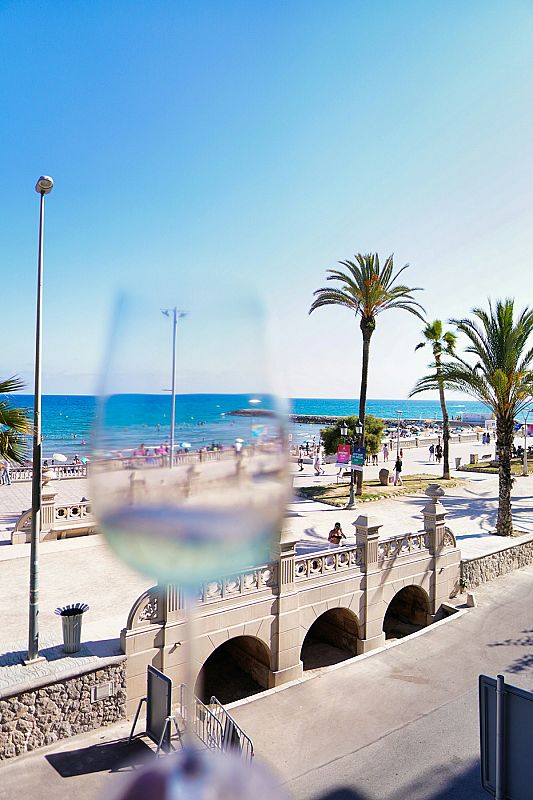
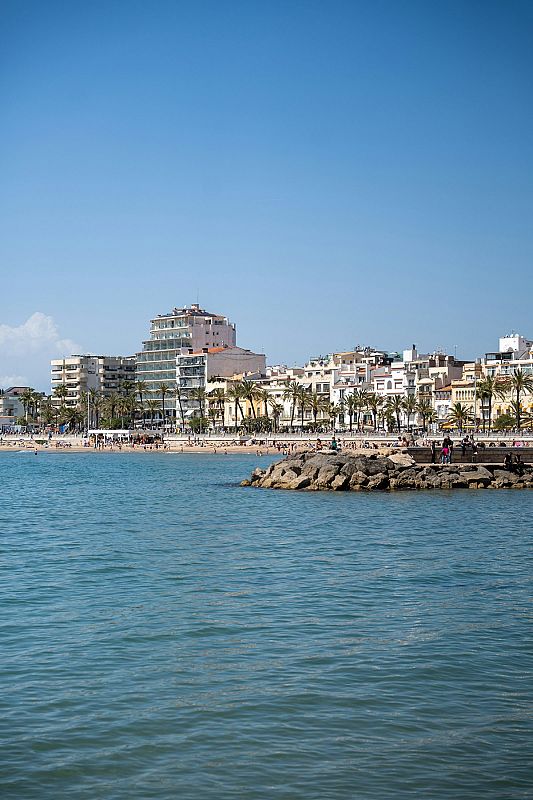
- Beautiful Mediterranean coastal setting
Sitges Carnival is unlike any other in Spain. While Cádiz has humour and Tenerife has scale, Sitges has attitude, creativity, and an anything-goes spirit that has made it the most beloved carnival in the LGBTQ+ community and beyond.
The week-long celebration features two major parades: the Rua de la Disbauxa (Tuesday night's "debauchery parade") with outrageous costumes and floats, and the Sunday Rua de l'Extermini, a family-friendlier procession. The elaborate costumes are the highlight — groups spend months preparing spectacular themed ensembles.
Beyond the parades, the narrow streets of Sitges's old town become an open-air party, with bars and clubs hosting themed nights, drag shows, and live music. The combination of a beautiful Mediterranean setting, warm community spirit, and creative energy makes Sitges Carnival unique in Spain.
Gallery

History & Origins
Sitges Carnival was largely suppressed during the Franco era but exploded back to life in the late 1970s with the return of democracy. The town's established LGBTQ+ community gave the revived carnival its distinctive character — flamboyant, inclusive, and proudly unconventional. It has since grown into one of Spain's most internationally recognized carnivals.
What to Expect
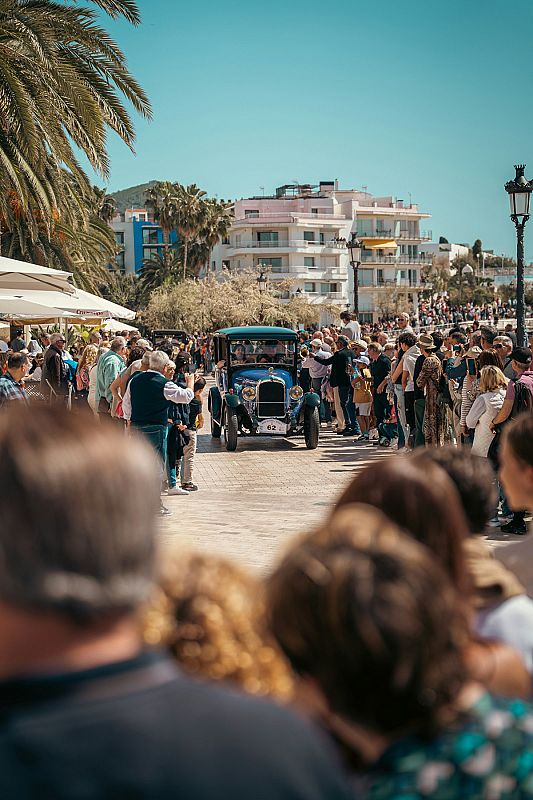
Expect crowds, colour, and creativity on a massive scale. The main parades wind through the seafront streets, with floats blasting music and dancers in incredible costumes. The atmosphere is electric — everyone participates, whether in elaborate costumes or just celebrating in the streets.
Nightlife is intense — bars and clubs stay open until dawn throughout the week. The beach offers a daytime recovery zone before the next night's festivities.
How to Get There
By Train: RENFE Rodalies (R2 Sud) from Barcelona Passeig de Gràcia every 20 min (35 min journey). By Car: C-32 motorway from Barcelona (40 km). Parking is very limited. By Air: Barcelona El Prat Airport (BCN) is 30 km away.
Tips & Advice
- Book accommodation months ahead — Sitges is small and fills up fast
- The Rua de la Disbauxa (Tuesday night) is the wildest parade
- Trains from Barcelona Passeig de Gràcia run every 20 minutes
- Bring a costume — you'll feel underdressed without one
- The Sunday parade is more family-friendly
- Wear comfortable shoes — you'll be dancing in the streets
Plan Your Trip
Book accommodation and transport for this festival. Get the best deals on hotels and train tickets.
This page contains affiliate links. We may earn a commission at no extra cost to you.
Fires de Sant Narcís
Ten days honouring Girona's patron saint with castells competitions, correfoc fireworks, sardana dancing, fairground rides, and concerts.
Medieval Market of Vic
The Mercat Medieval de Vic is Catalonia's premier medieval event and one of the largest medieval markets in southern Europe. Every December, the elegant market town of Vic transforms its historic centre into a medieval world with over 500 stalls, theatrical performances, workshops and tens of thousands of visitors. Combined with the atmospheric winter setting and Vic's rich architectural heritage, it's a unique pre-Christmas medieval experience.
 September
Diada de Catalunya
Catalonia's National Day on September 11th commemorates the fall of Barcelona in 1714 with massive demonstrations, cultural events, castells (human towers) and sardana dancing.
 May
May
Aplec del Cargol
The Aplec del Cargol in Lleida is the world's largest snail-eating festival and a Fiesta of National Tourist Interest. Over three days, 200,000+ visitors consume around 12 tonnes of snails cooked in dozens of styles, while enjoying live music, competitions, and Catalan traditions.