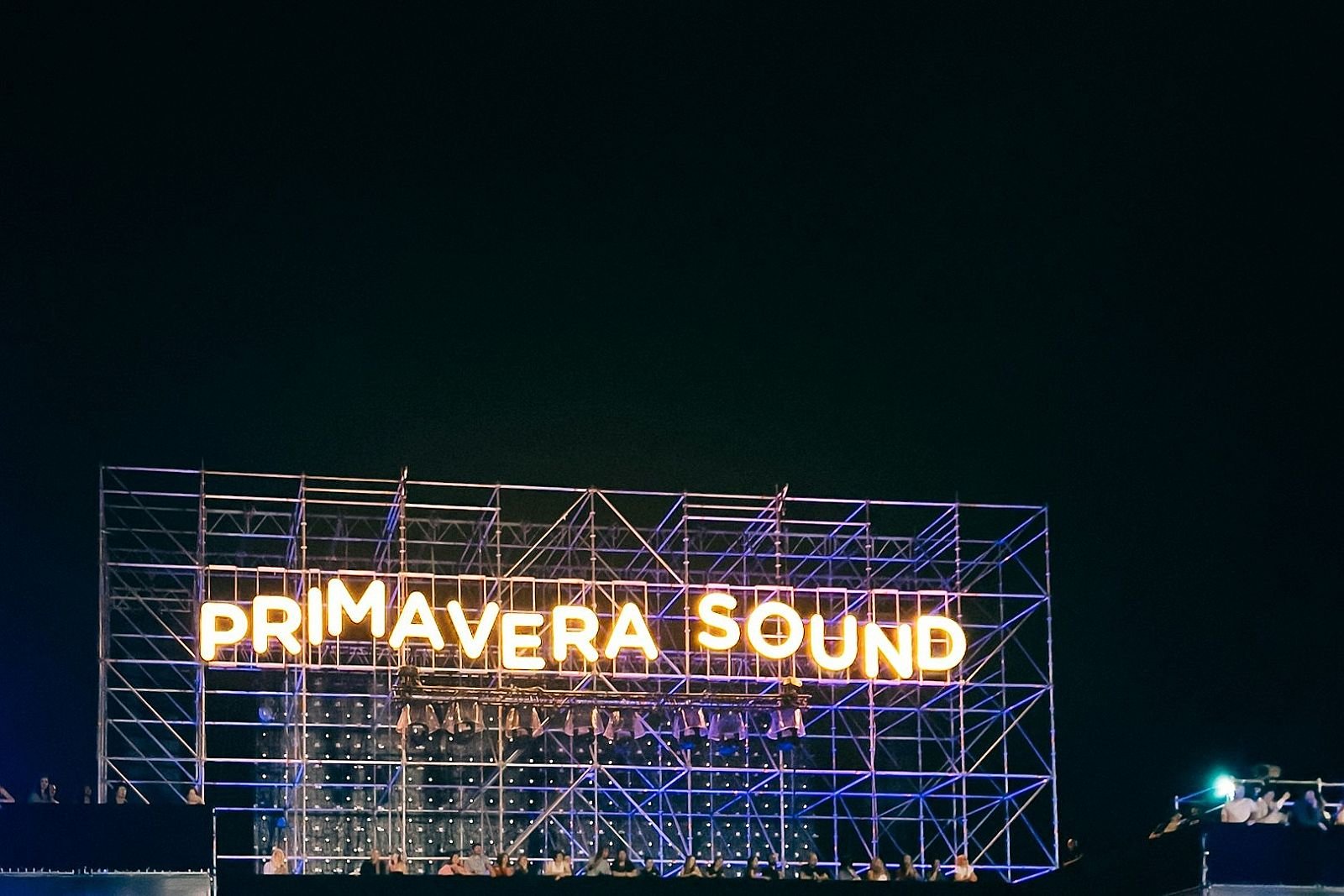
Primavera Sound
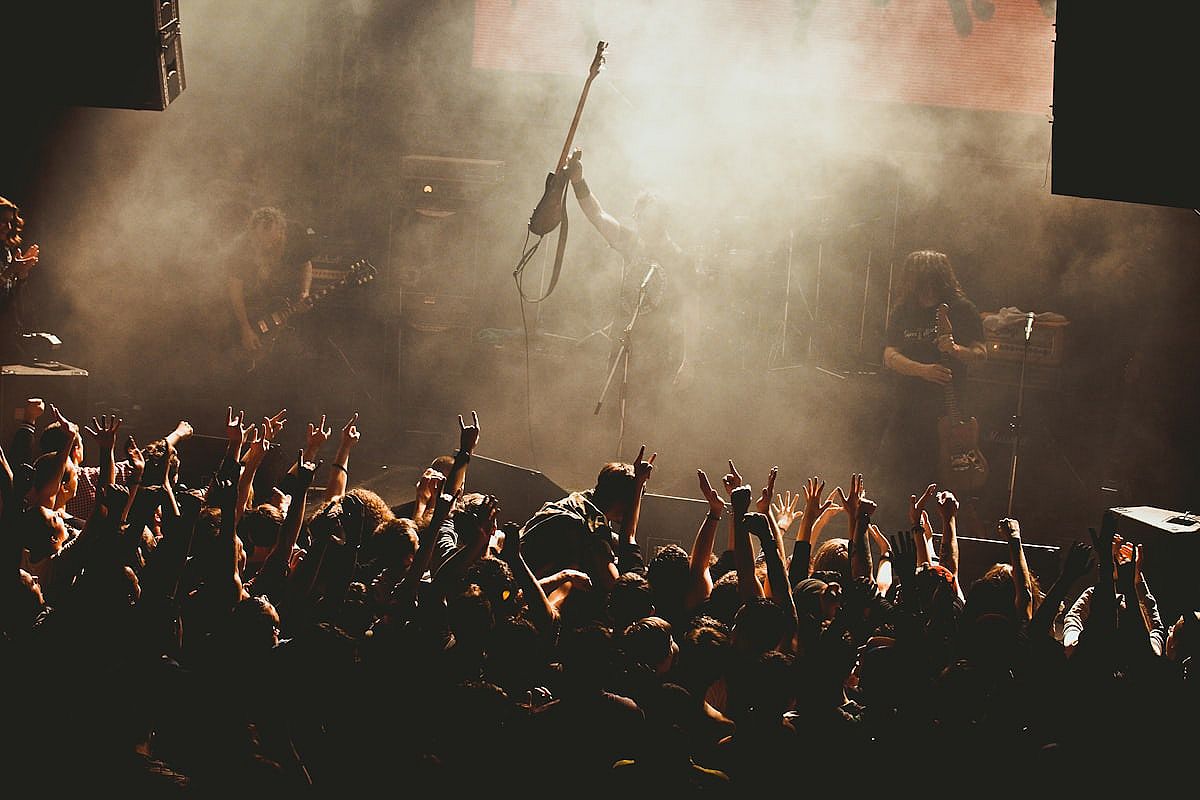
Primavera Sound is one of Europe's most acclaimed music festivals, held annually at Parc del Fòrum in Barcelona. Known for its cutting-edge lineup spanning indie, electronic, hip-hop, pop, and experimental music, it attracts over 200,000 visitors from around the world.
Highlights
Primavera Sound combines world-class music with one of the world's great cities. Where else can you watch a headliner with the Mediterranean sunset behind the stage, then head to the Raval for late-night tapas? It's the perfect festival for music lovers who also want a great trip.
Date & Schedule
| Detail | Info |
|---|---|
| Dates 2027 | 3–5 June 2027 (25th anniversary edition, officially confirmed) |
| Duration | 4–5 days of concerts |
| Venue | Parc del Fòrum, Barcelona |
| Free programme | Primavera a la Ciutat — free gigs across Barcelona in the week before |
Location
Parc del Fòrum is a large open-air venue on Barcelona's northeastern waterfront. The setting is spectacular — stages face the Mediterranean, and sunset concerts are legendary. The venue is easily reached via Metro (El Maresme-Fòrum, Line 4) or Tram (T4).
Tickets & How to Buy
- Full festival pass: €200–€350 (varies by year)
- Day tickets: Available for individual days (usually €80–€120)
- Sold through: Official website primaverasound.com
- Sell-out warning: Passes sell out quickly, often before the lineup is announced
What to Bring
- Comfortable shoes — You'll walk 20,000+ steps per day
- Warm layers for night — Sea breeze can make evenings cool
- Sunscreen — Afternoon stages are exposed
- Portable charger — Essential for a long day/night
- Earplugs — Sound levels vary across stages
How to build a Primavera Sound plan
Primavera Sound is easier to enjoy when the schedule is treated as a set of choices, not a checklist. Start with a few must-see artists, mark their stages and add realistic walking time. Large festival sites create unavoidable clashes, and moving after every short set can mean hearing less music overall. Choose one area for each part of the day and keep alternative artists nearby in case capacity, delays or tiredness change the plan.
Use the current official app or timetable when it is released and take screenshots before entering the venue. Phone batteries and mobile data are least reliable when the site is busiest. Agree on a physical meeting point with friends rather than relying only on messaging. The Spain festival calendar can help coordinate Barcelona dates with the rest of a longer trip.
Tickets and entry checks
Buy only through the festival's official sales channel or an authorised resale route named by the organiser. Ticket types, included days, identity rules, wristband collection and re-entry conditions can change between editions. Read the terms attached to the exact product before paying, especially if the itinerary includes city events as well as the main site. Do not assume a previous edition's pass rules still apply.
Save the ticket in the requested format and keep a backup that does not depend on live data. Match the name and identification requirements before travel. Arrive with enough time for transport, security and any wristband procedure; the first desired performance is a poor moment to discover a ticket problem. If buying from another person, use only the approved transfer system and avoid screenshots that may have been copied.
Getting to and from the festival
Map the final journey using the transport information published for the current edition. Metro, tram, buses and special services may operate differently by day and finishing time. The trip out is usually more demanding than arrival because a large audience leaves at once. Note several nearby stops and be prepared to walk to a less crowded connection.
If staying outside Barcelona, verify the last regional train or coach rather than assuming city transport solves the entire return. A taxi or ride-hailing queue can add substantial time at peak exit. Keep the accommodation address saved offline and carry a charged power bank. Visitors with reduced mobility should read the edition-specific accessible transport and entrance guidance before choosing a hotel.
Where to stay in Barcelona
Poblenou and Sant Martí can reduce the journey to the main festival area, while central neighbourhoods provide more sightseeing and dining choices. The best option depends on whether the trip is built around concerts or Barcelona as a whole. Compare the door-to-door night route, not just the straight-line distance on a map. A hotel near a useful line may outperform a closer property with an awkward late walk.
Festival dates create strong accommodation demand. Reserve early when possible, but prioritise transparent cancellation and payment conditions. Check reception hours, breakfast timing, luggage storage and sound insulation. If sharing an apartment, confirm every guest and fee through the platform and do not transfer money outside its protected payment flow.
Food, clothing and physical pacing
A long day on hard surfaces requires supportive shoes, sun protection and layers for the waterfront after dark. Check the organiser's current list of permitted items before packing. Refill water where the venue allows, eat before energy drops and use quieter gaps for a proper break. Earplugs designed for concerts reduce exposure without removing the music and are valuable near powerful sound systems.
Set a spending limit for food, drinks, merchandise and transport before arrival. Cashless payment rules may vary, so verify accepted methods and keep a backup. Alcohol, heat, noise and lack of sleep compound quickly; alternate drinks with water and know where the medical and welfare points are. If the crowd pressure becomes uncomfortable, move sideways toward a less dense area instead of forcing forward.
Etiquette, accessibility and city events
Arrive before a set if a good position matters and avoid pushing through spectators once it begins. Keep conversation low during quieter performances and do not film continuously above other people's heads. Consent matters in crowd photography. Follow instructions when a stage reaches capacity and never enter a restricted production route.
Accessibility differs across stages and associated city venues. Review viewing platforms, companion policies, toilets, routes and assistance contacts for the specific edition, then ask the organiser about any gap. City concerts can have separate ticket or capacity arrangements from the main festival. Treat every listing as its own event rather than assuming the main wristband guarantees access.
Primavera Sound FAQ
Should I buy a full pass or a day ticket?
Compare the artists you genuinely want to see with the exact access included in each current ticket. A day ticket may suit a focused visit; a pass offers flexibility across several days.
Can I rely on public transport after the final set?
Use the official edition-specific transport plan. Normal service, special services and walking connections can differ by night, so save more than one return route.
What should I bring?
Prioritise comfortable shoes, sun protection, a light layer, earplugs and a charged phone. Check the current prohibited-items policy before choosing the bag or adding food and drink.
Before setting out, review the final programme and the organiser's latest access notice with everyone in your group. Save the essential addresses, transport alternatives and meeting point offline, and leave enough time for an unexpected closure or queue. A simple backup plan protects the day without reducing spontaneity: choose a nearby place to rest, agree how long to wait for one another and keep the return journey independent from a single station, entrance or mobile application.
Gallery
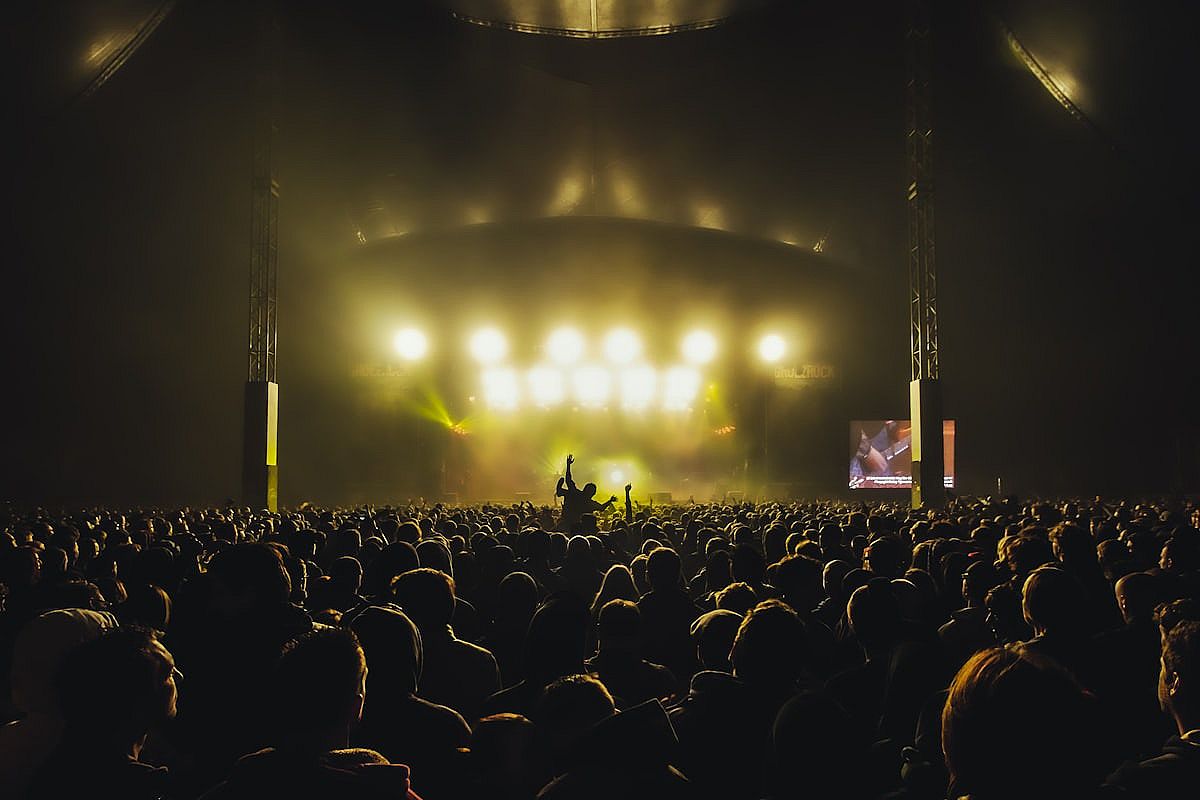
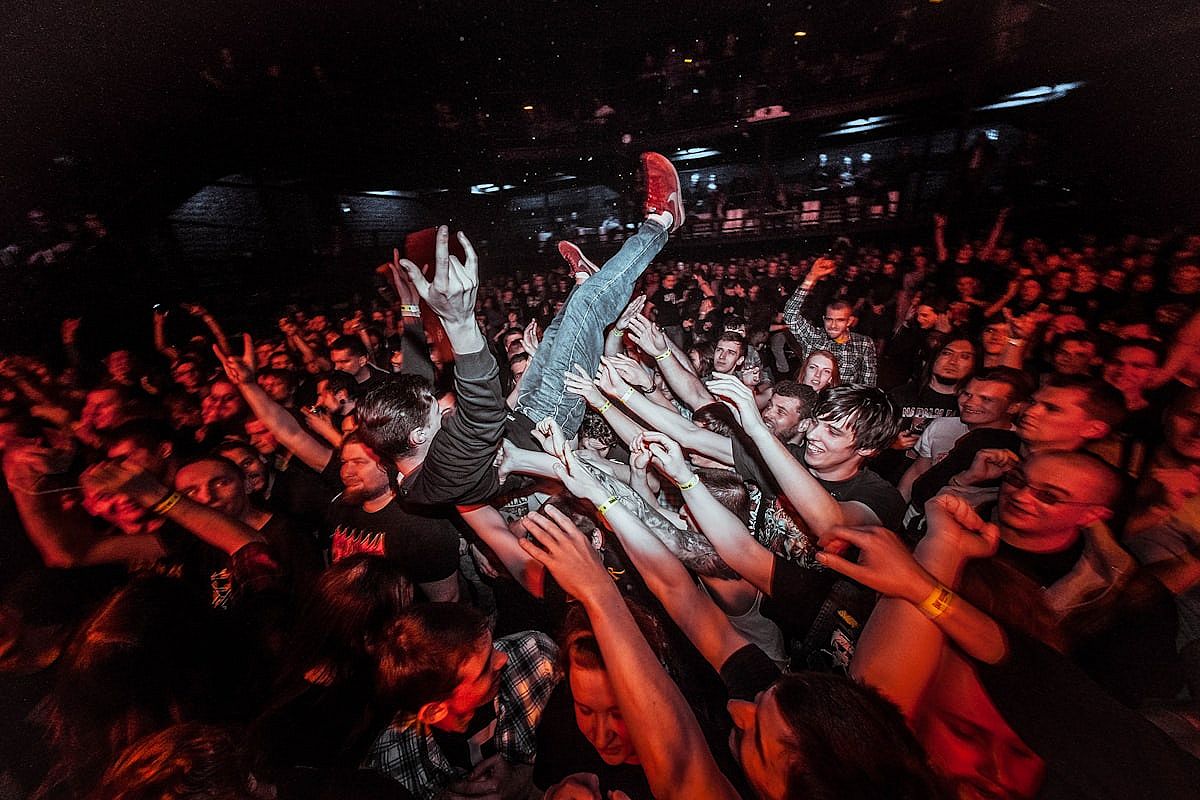
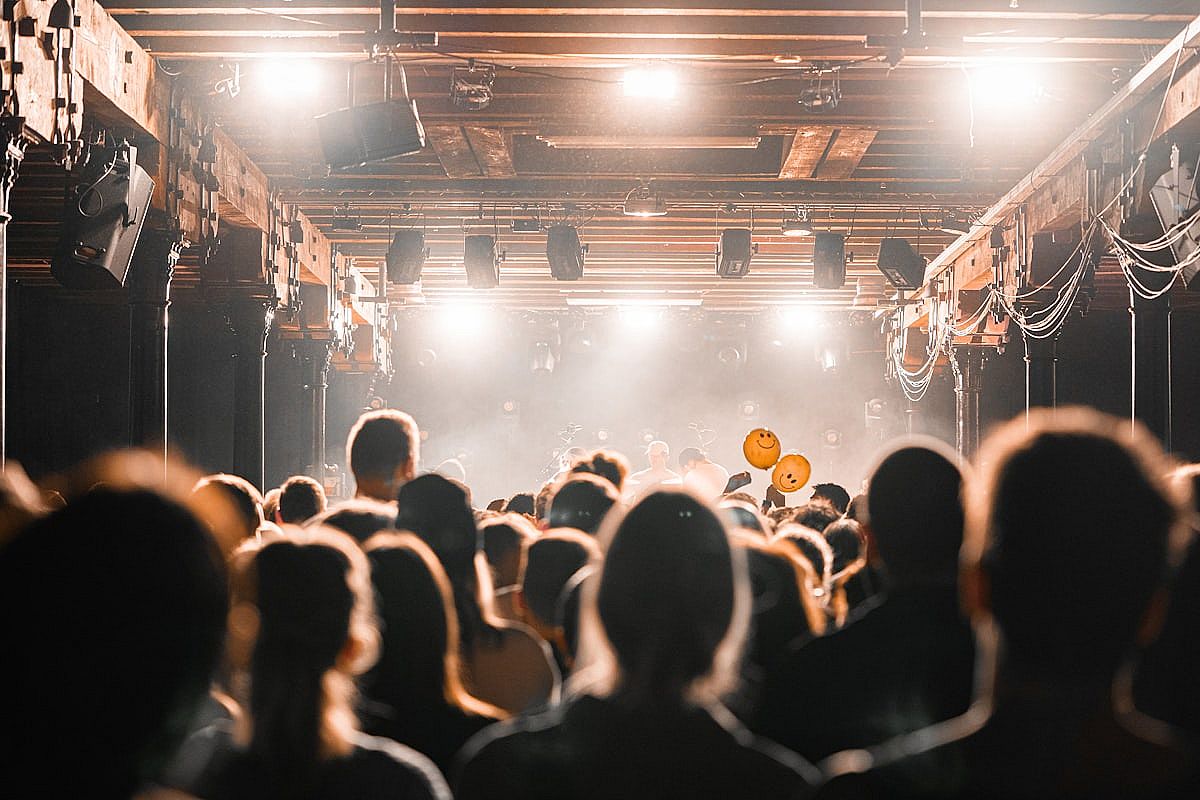
Video
History & Origins
Founded in 2001, Primavera Sound quickly grew from a small indie festival to an international powerhouse. Known for championing gender-balanced lineups (the first major festival to achieve 50/50) and booking eclectic acts from underground to mainstream. Past headliners include Radiohead, Björk, Massive Attack, Tame Impala, and Rosalía.
How to Get There
- Metro: El Maresme-Fòrum (Line 4) — 5-minute walk to gates
- Tram: T4 to Fòrum — even closer
- Bus: Night buses run late services back to the city centre
- Accommodation: Book in Barcelona's Poblenou or Sant Martí for walking distance
Tips & Advice
Is it just rock/indie? No — the lineup spans all genres: electronic, hip-hop, pop, experimental, flamenco, reggaeton, and more.
Can I leave and re-enter? Yes, with a wristband you can leave and return.
Is Barcelona itself part of the experience? Absolutely! The "Primavera a la Ciutat" programme brings free shows to venues across Barcelona the whole week.
Plan Your Trip
Book accommodation and transport for this festival. Get the best deals on hotels and train tickets.
This page contains affiliate links. We may earn a commission at no extra cost to you.
 February
Carnaval de Sitges
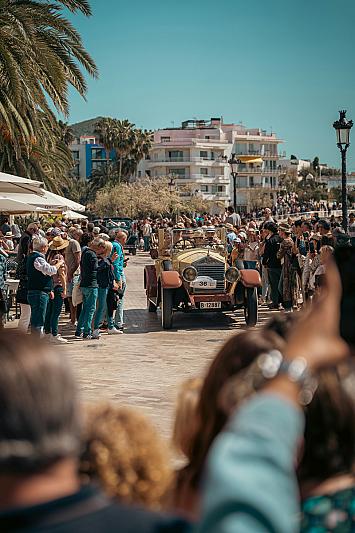
Sitges Carnival is Spain's most colourful and inclusive celebration. This charming coastal town near Barcelona transforms into a non-stop party with extravagant parades, drag competitions, and the legendary Rua de la Disbauxa (debauchery parade). Over 300,000 visitors join the fun.
Fires de Sant Narcís
Ten days honouring Girona's patron saint with castells competitions, correfoc fireworks, sardana dancing, fairground rides, and concerts.
 August
Festa Major de Gràcia
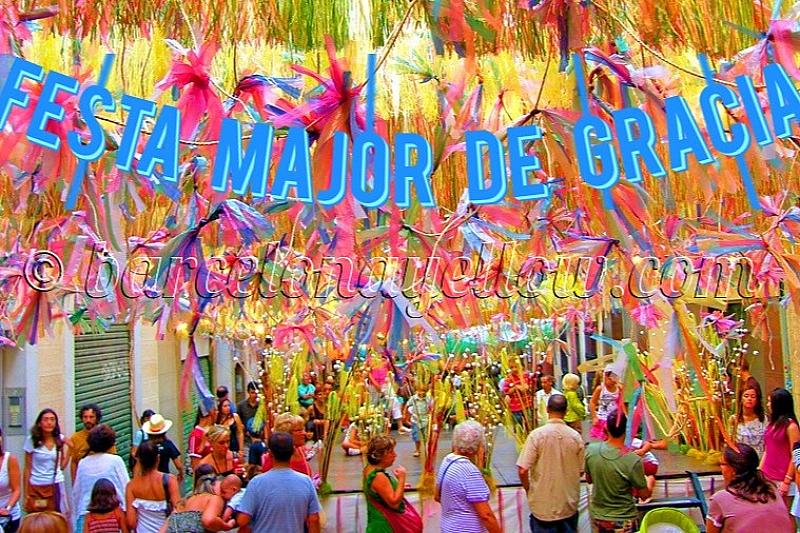
Each August, the Gràcia neighborhood erupts into a spectacular celebration where streets compete to create the most imaginative decorations from recycled materials, with live music and communal dinners.
 November
Todos los Santos & Castañada
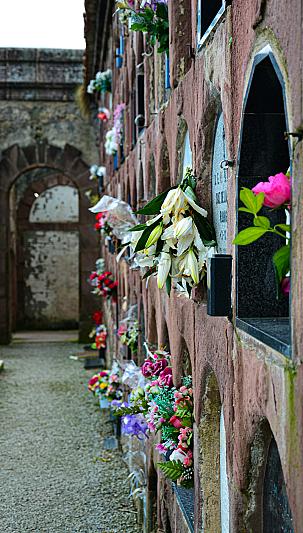
November 1st brings roasted chestnuts, sweet panellets, cemetery visits and autumnal traditions across Spain, with Catalonia's Castañada being the most distinctive regional celebration.