Aplec del Cargol
The Aplec del Cargol in Lleida is the world's largest snail-eating festival and a Fiesta of National Tourist Interest. Over three days, 200,000+ visitors consume around 12 tonnes of snails cooked in dozens of styles, while enjoying live music, competitions, and Catalan traditions.
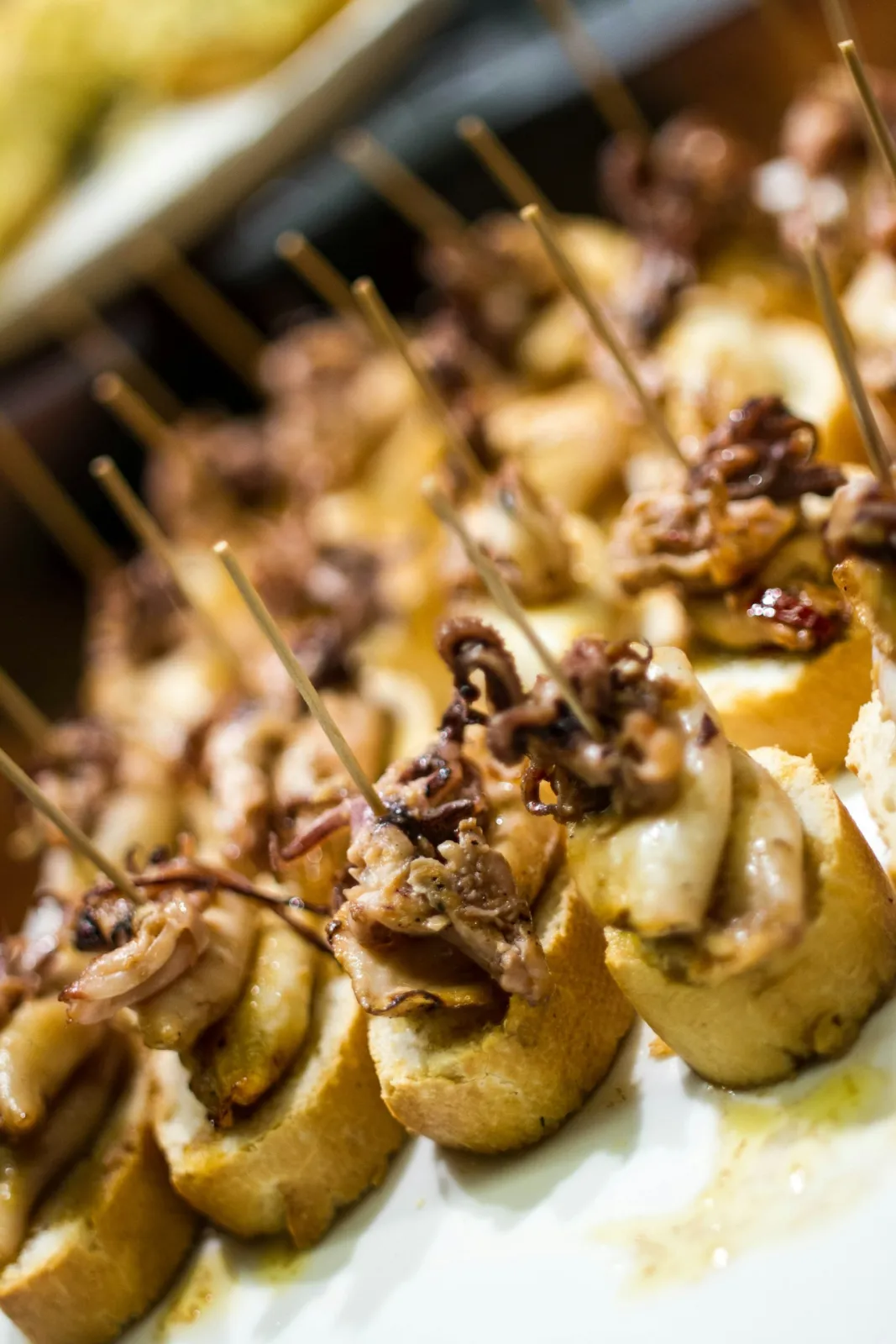
What Aplec del Cargol is like
- Food & drink
- Night
- Noise
- Concerts on several stages, all day and into the night.
- Fire
- Grill smoke for three days and one big fireworks display.
- Crowds
- Over 200,000 people in three days along the river.
- Mess
- You'll smell of garlic and grill smoke, little more.
- With kids
- Families cook in the collas too, but late May is hot.
Highlights
- World's largest snail festival — 12+ tonnes consumed
- 200,000+ visitors over 3 days
- Fiesta of National Tourist Interest
- Dozens of cooking styles and competitions
- Castells (human towers) and sardana dancing
- Open-air riverside setting on the Segre
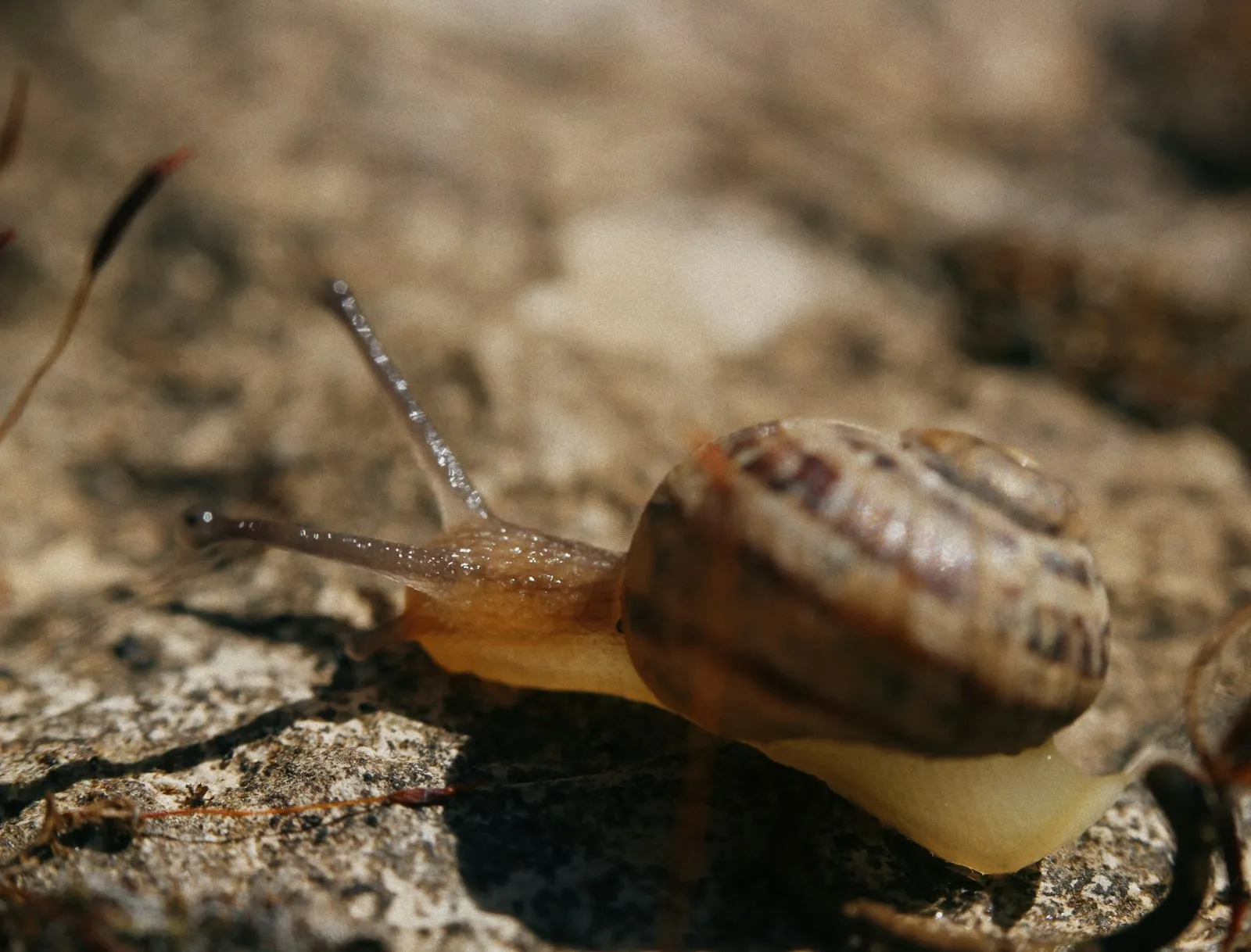
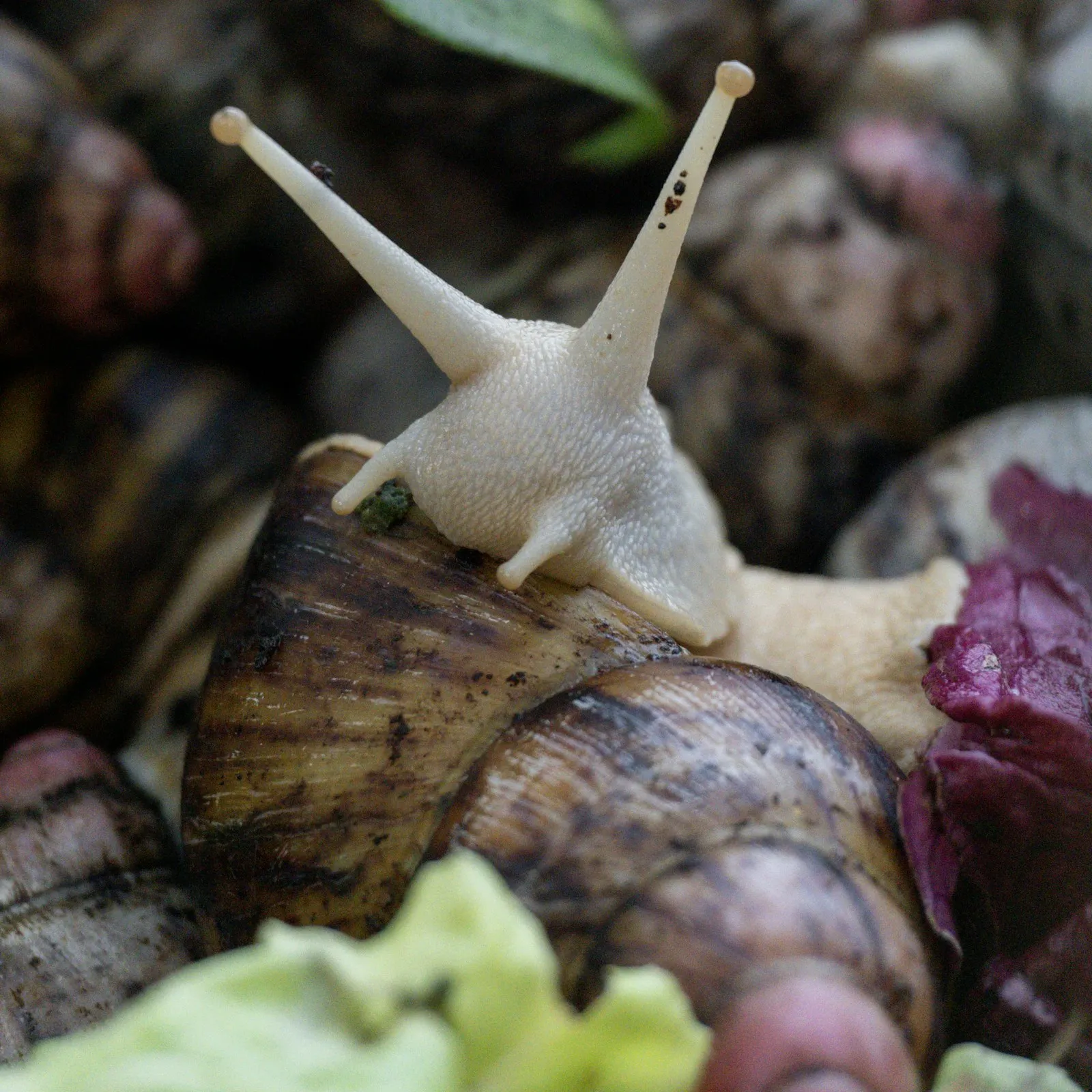
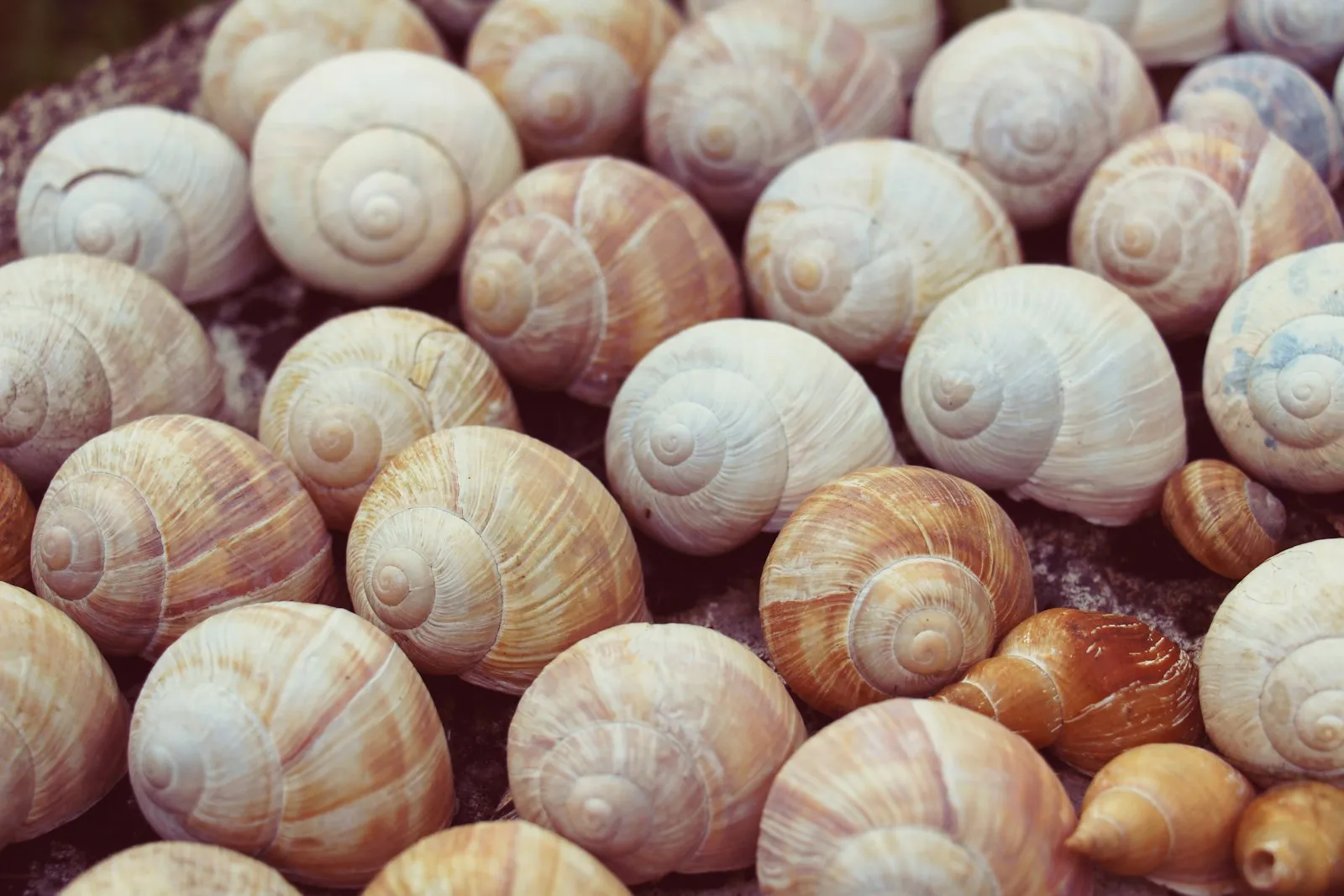
The Aplec del Cargol (Snail Gathering) is Lleida's most famous event and one of the world's most unusual food festivals. Held on the banks of the River Segre, groups of friends, families, and peñas (social clubs) set up outdoor cooking stations to prepare snails in every conceivable way.
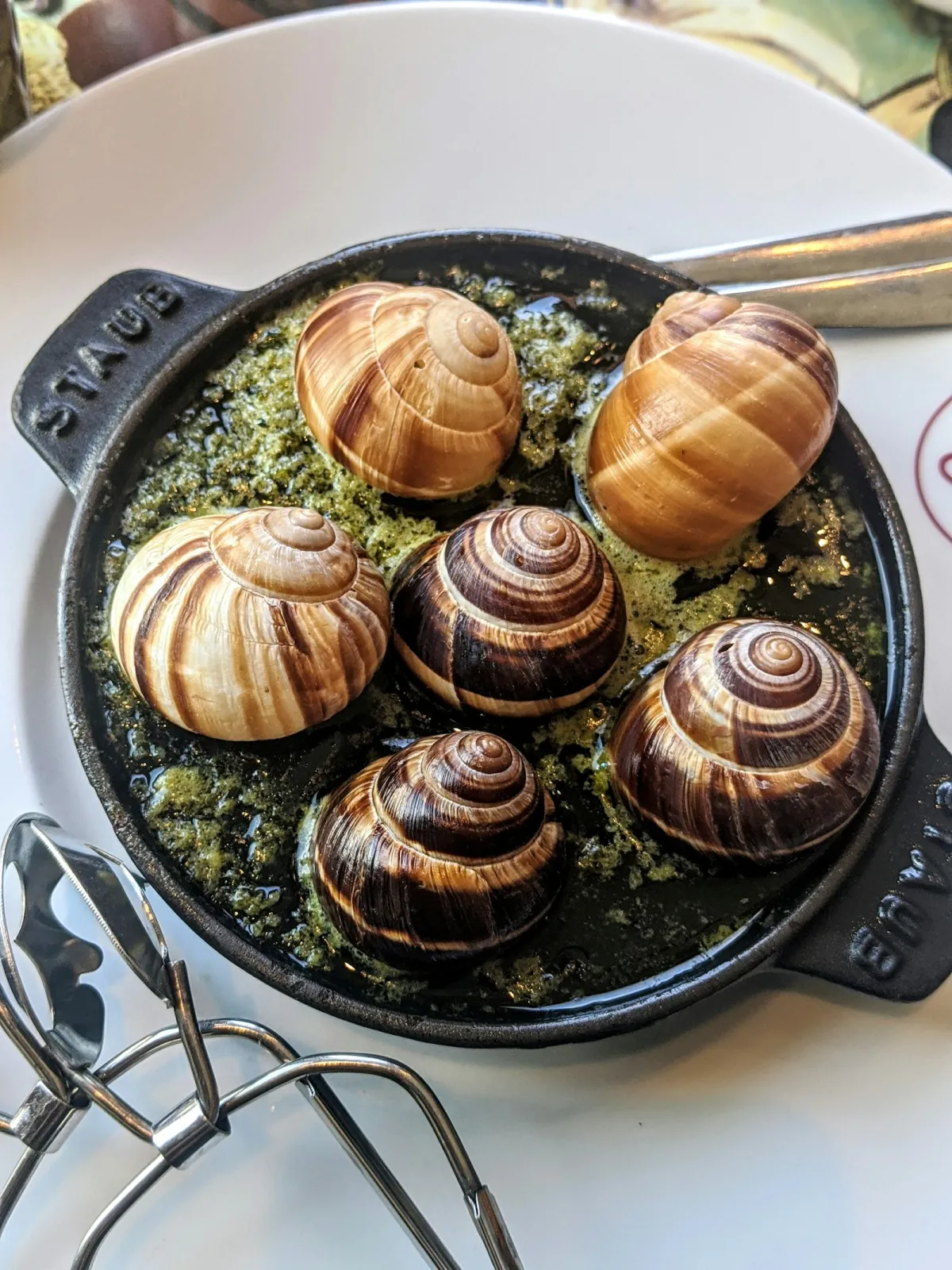
The festival is built around the colla (group) system: each group has its own plot, grill, and recipe. Styles range from the classic a la llauna (grilled on a metal plate with salt, oil, and garlic) to elaborate sauces and creative fusion dishes. A jury awards prizes for the best preparations.
But it's not just about eating: live concerts, traditional Catalan sardana dancing, human tower (castells) exhibitions, and a massive fireworks display fill the three-day programme.
Gallery
History & Origins
The first Aplec del Cargol was held in 1980, started by a group of friends who wanted to celebrate Lleida's deep culinary connection to snails. It grew rapidly and was declared a Fiesta of National Tourist Interest in 2002. Today it's Catalonia's largest food festival.
What to Expect
A massive outdoor cookout along the river. Groups gather around grills, the air thick with garlic and smoke. Wander between collas to taste different preparations. Concerts and activities run all day and night across multiple stages.
How to Get There
By Train: AVE from Madrid (2h) or Barcelona (1h) to Lleida-Pirineus station. By Car: On the AP-2 between Barcelona and Zaragoza. By Air: Nearest airports: Barcelona (BCN, 150 km) or Reus (REU, 100 km).
Tips & Advice
- Join a colla if you can — the social experience is the best part
- Try cargols a la llauna — the classic Lleida preparation
- Bring your own plate and cutlery for tastings between groups
- Saturday evening is the liveliest with the main concerts
- Lleida is hot in late May — bring sun protection
Gran Festa de la Calçotada (Valls)
Valls, CataloniaEvery last Sunday of January, Valls, the town where the calçotada was born, turns its old centre over to grilled spring onions, romesco-style sauce and a famously messy eating contest.
Temps de Flors (Girona Flower Festival)
Girona, CataloniaFor nine days every May, Girona fills its old quarter with flowers: more than a hundred patios, gardens, churches and monuments are dressed with floral installations, many of them usually closed to the public.
La Patum de Berga
Berga, CataloniaLa Patum is a medieval festival of fire, music and mythical beasts celebrated in the mountain town of Berga during Corpus Christi week. Recognised by UNESCO as a Masterpiece of the Oral and Intangible Heritage of Humanity in 2005, it features fire-breathing demons, battling angels, giants and a climactic inferno called the Salt de Plens where the entire plaza erupts in flames. It is one of the oldest and most intense festival traditions in Spain.
La Mercè
Barcelona, CataloniaLa Mercè (officially Festa Major de Barcelona) is Barcelona's largest annual festival, celebrating the city's patron saint, Our Lady of Mercy. Held every year around 24 September, it transforms the city into a four-day programme of over 600 free events — world-class concerts, traditional Catalan folk displays, fire runs, human towers, and open-air parties across every neighbourhood.