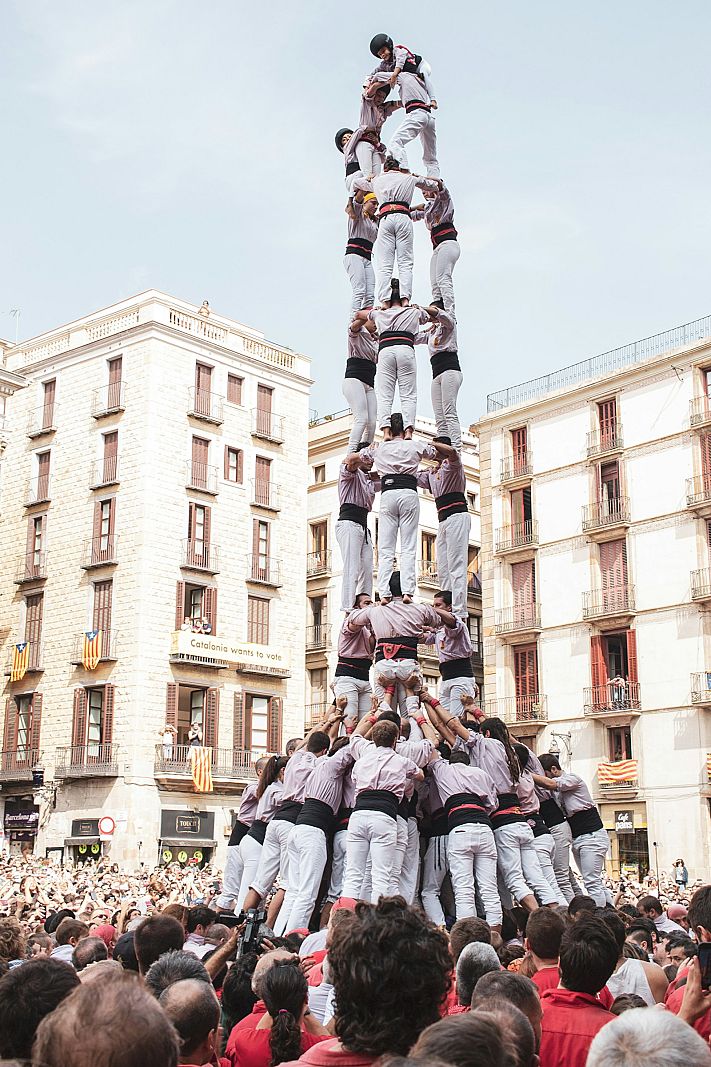
Castells Festival Season (Catalonia)
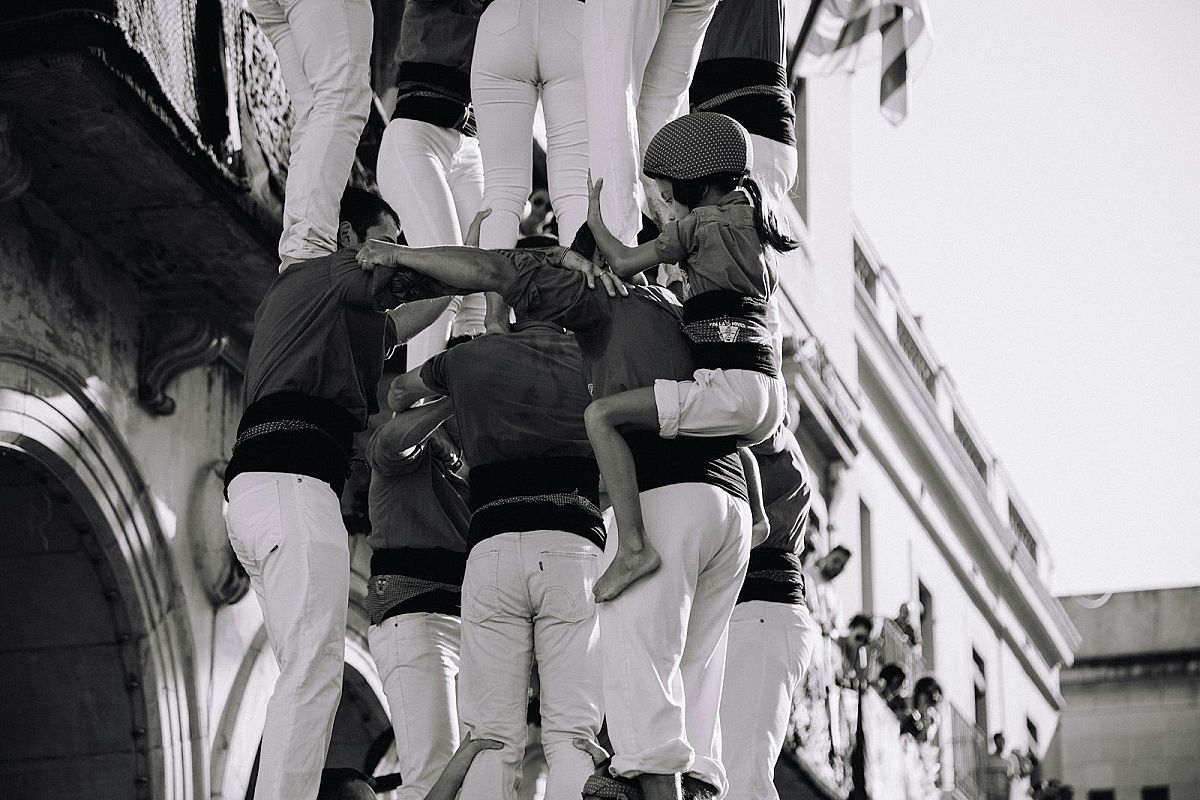
The castells season in Catalonia runs mainly from spring to autumn, when local teams (colles castelleres) build human towers during festivals in towns across the region.
Highlights
Top highlights and practical advice are covered in the guide sections above.
Castells Season in Catalonia: How to Experience Human Towers
Quick answer
The castells season in Catalonia runs mainly from spring to autumn, when local teams (colles castelleres) build human towers during festivals in towns across the region.
Cultural importance
Castells are a major part of Catalan cultural identity and were inscribed by UNESCO as Intangible Cultural Heritage in 2010.
How the season works
- Peak activity often from **late spring to October**
- Performances happen in town squares during local festivals
- Not one single festival, but a season of events across many municipalities
Best places to watch castells
- Tarragona (including Santa Tecla cycle)
- Valls (historically central in castells tradition)
- Vilafranca del Penedès
- Barcelona events during major city festivals
Practical travel info
Getting there
- Barcelona is the easiest international base
- Regional trains and buses connect major castells towns
- Day trips are feasible with early planning
What to know before attending
- Arrive early for central square viewing spots
- Respect the performers’ concentration during tower assembly
- Avoid blocking emergency and team circulation zones
Budget guide (typical)
- Most public performances are free
- Regional transport: low to moderate cost depending on distance
- Accommodation: varies strongly by city and festival weekend
Etiquette and safety
- Follow local steward/police instructions
- Do not enter the base circle (pinya) unless invited by organizers
- Keep noise low during high-difficulty tower attempts
FAQ (EN)
Are castells events ticketed?
Most street and square performances are free public events.
Is there one official “Castells Festival” date?
No single date. It is a distributed season with many local highlights.
Can children attend?
Yes, many events are family-friendly in public squares.
Where should first-timers start?
Tarragona, Valls, or Vilafranca are strong options due to tradition and event quality.
Gallery
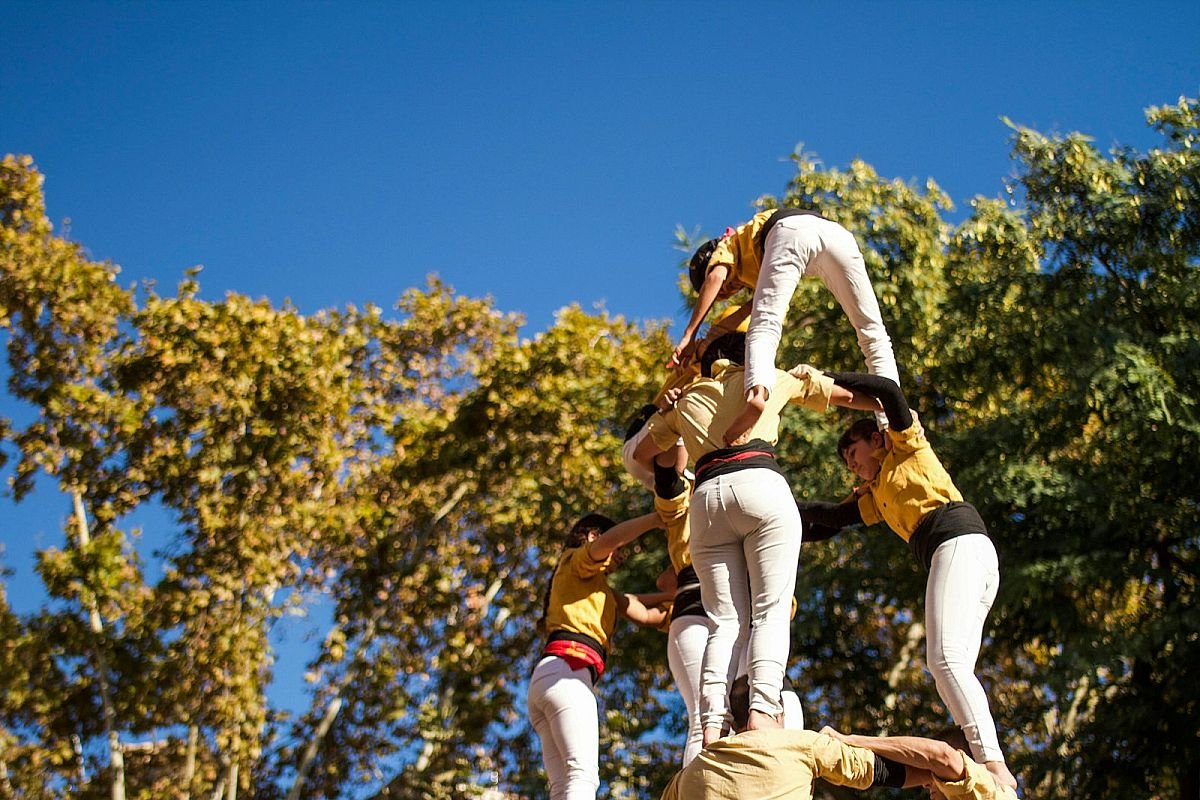
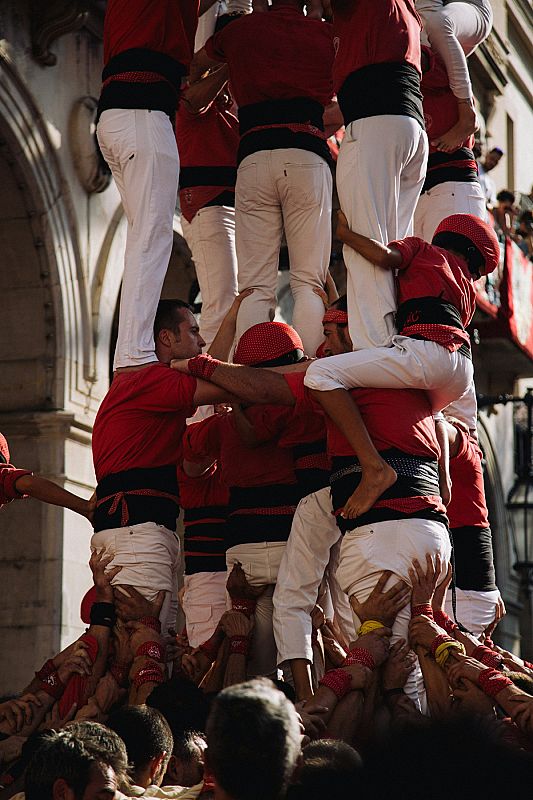
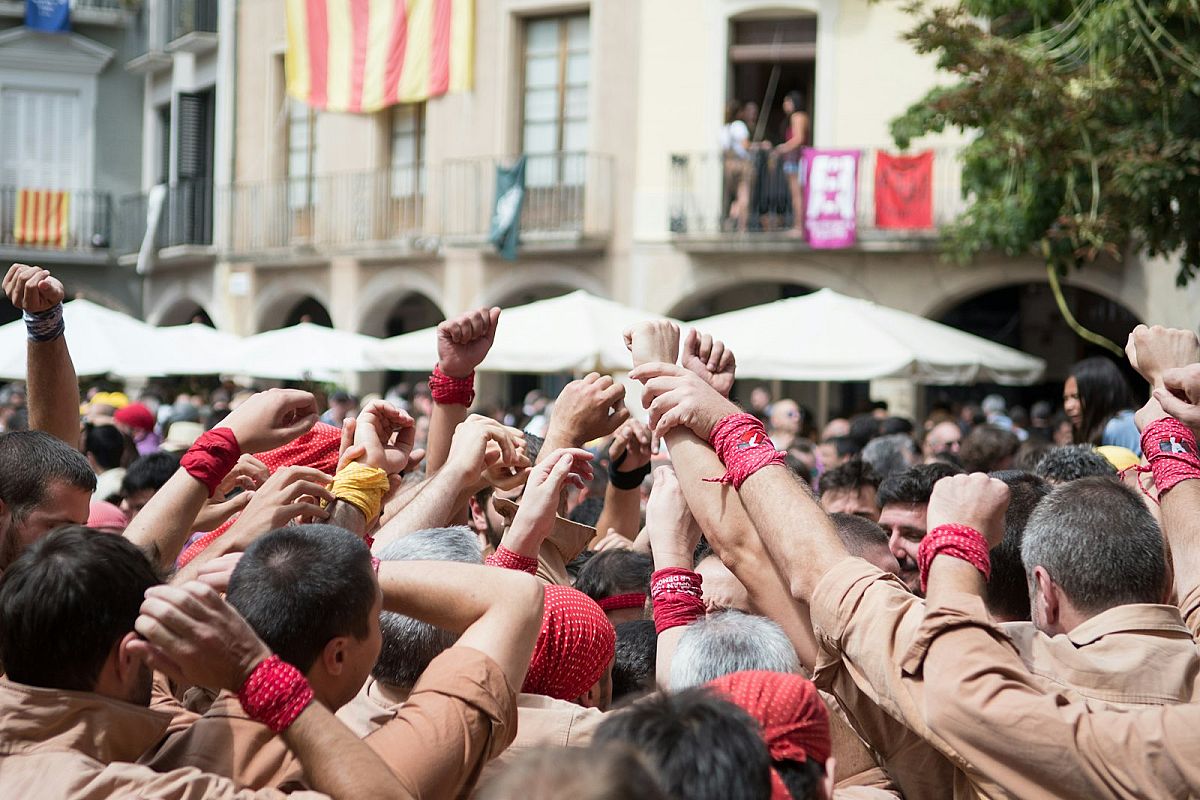
Video
History & Origins
See official sources listed below for historical context and annual updates.
What to Expect
Expect high demand around key dates. Plan transport and accommodation in advance.
How to Get There
Use nearest airport/train/bus options listed in this guide and check official updates before travel.
Tips & Advice
Follow local rules, safety guidance, and official schedules.
Plan Your Trip
Book accommodation and transport for this festival. Get the best deals on hotels and train tickets.
This page contains affiliate links. We may earn a commission at no extra cost to you.
Medieval Market of Vic
The Mercat Medieval de Vic is Catalonia's premier medieval event and one of the largest medieval markets in southern Europe. Every December, the elegant market town of Vic transforms its historic centre into a medieval world with over 500 stalls, theatrical performances, workshops and tens of thousands of visitors. Combined with the atmospheric winter setting and Vic's rich architectural heritage, it's a unique pre-Christmas medieval experience.
 February
Carnaval de Sitges
Sitges Carnival is Spain's most colourful and inclusive celebration. This charming coastal town near Barcelona transforms into a non-stop party with extravagant parades, drag competitions, and the legendary Rua de la Disbauxa (debauchery parade). Over 300,000 visitors join the fun.
 November
Todos los Santos & Castañada
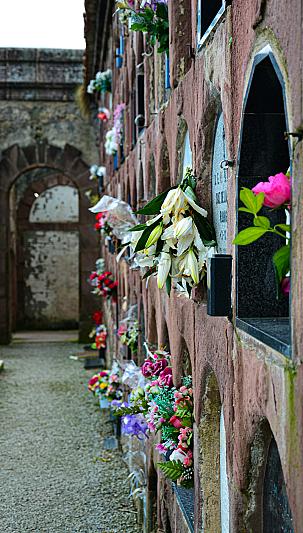
November 1st brings roasted chestnuts, sweet panellets, cemetery visits and autumnal traditions across Spain, with Catalonia's Castañada being the most distinctive regional celebration.
 June
June
Sónar Festival
The world's premier festival of advanced music and digital arts, Sónar splits between daytime cultural events in the city centre and all-night electronic music at the Fira Gran Via.