Todos los Santos & Castañada
November 1st brings roasted chestnuts, sweet panellets, cemetery visits and autumnal traditions across Spain, with Catalonia's Castañada being the most distinctive regional celebration.
Highlights
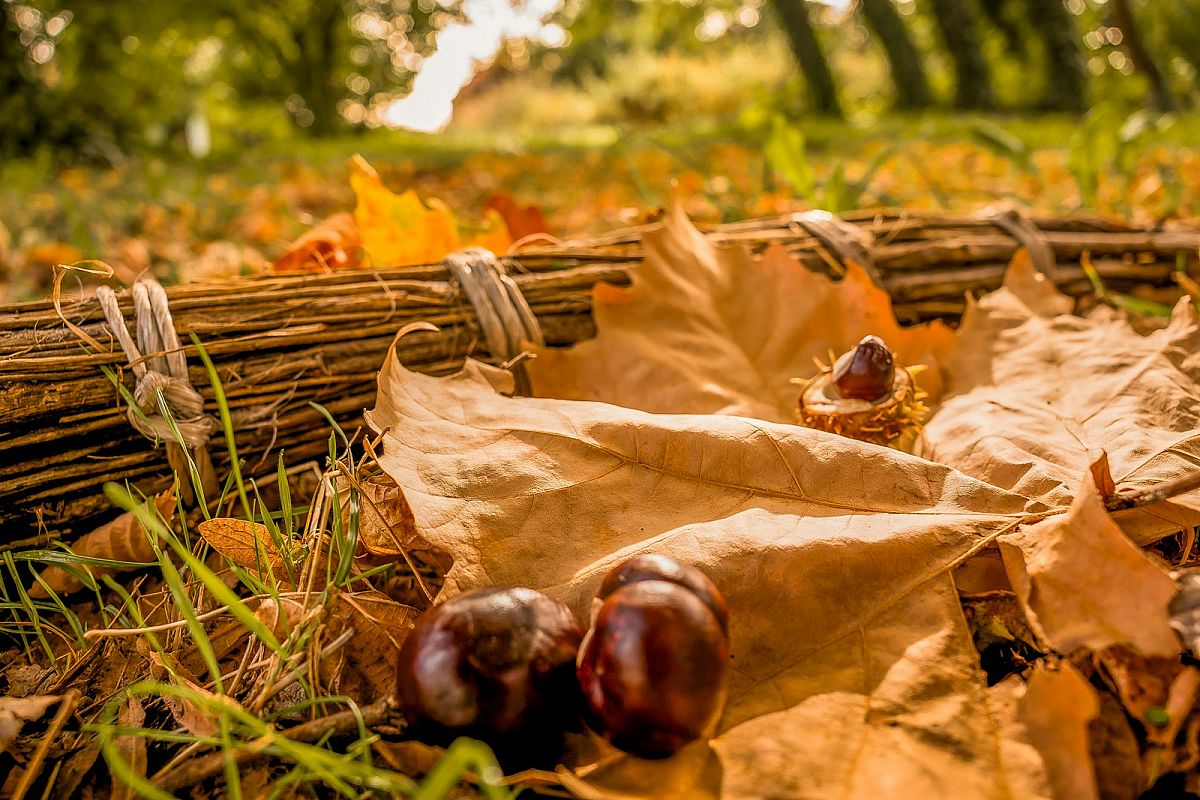
- Castañada — roasted chestnuts and panellets in Catalonia
- Cemetery visits with chrysanthemum flowers
- Street chestnut sellers across Spanish cities
- Traditional sweets: huesos de santo, buñuelos de viento
- Regional variations from Galicia to Andalusia
Todos los Santos (All Saints' Day) on November 1st is a national holiday across Spain, celebrated with a rich tapestry of regional traditions honouring the dead and welcoming autumn.
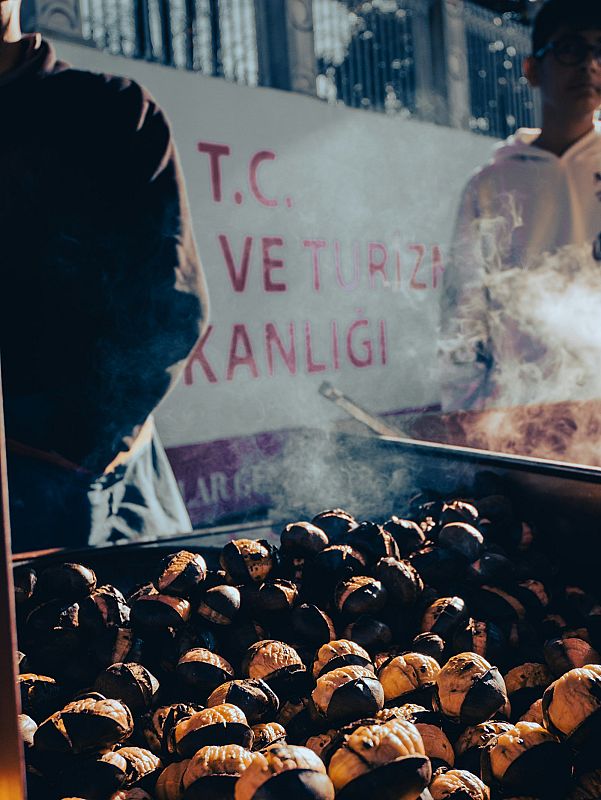
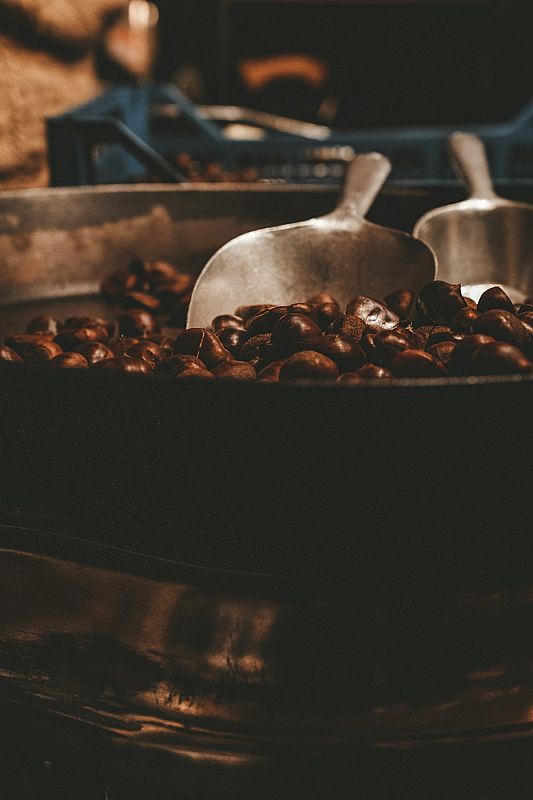
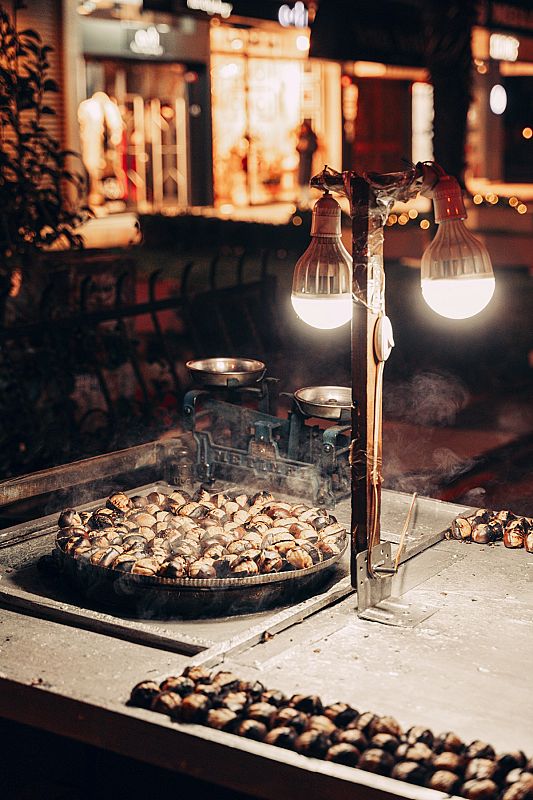
In Catalonia, the Castañada is the quintessential celebration — families gather to eat roasted chestnuts ('castanyes'), sweet potato ('moniato'), and panellets (small marzipan-based pastries) while drinking sweet muscatel wine. Chestnut sellers ('castanyeras') set up roasting stands on street corners.
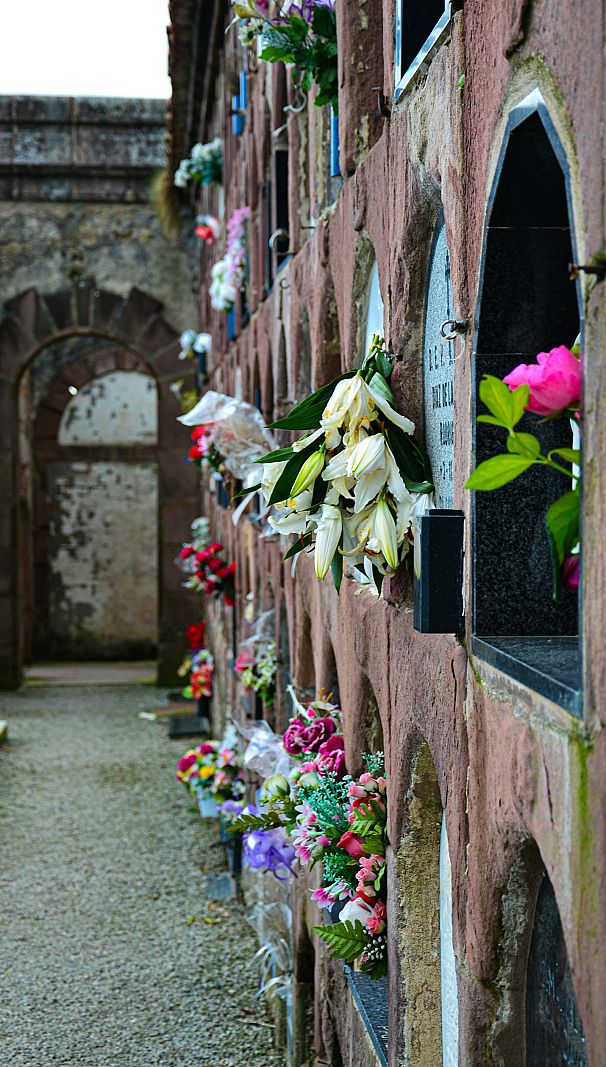
Across Spain, families visit cemeteries to clean graves and leave flowers (especially chrysanthemums). In Galicia, similar traditions blend with Celtic influences. In Cadiz, puppet shows honour the dead. Each region adds its own flavour to this reflective autumn celebration.
Gallery
What to Expect
A quiet, reflective national holiday. Most shops and businesses close. The mood is contemplative rather than festive, but the food traditions — especially roasted chestnuts and panellets in Catalonia — add warmth. November weather varies by region but is generally mild in southern Spain.
How to Get There
Todos los Santos is celebrated nationwide. Barcelona is the best place to experience the Castañada. All major Spanish cities are well-connected by air and rail. Note that public transport runs on a holiday schedule.
Tips & Advice
- November 1st is a public holiday — most shops and services close
- Buy panellets from local bakeries — much better than supermarket versions
- Try huesos de santo and buñuelos de viento — traditional All Saints' sweets
- Visit the Poblenou cemetery in Barcelona for architectural interest
Plan Your Trip
Book accommodation and transport for this festival. Get the best deals on hotels and train tickets.
This page contains affiliate links. We may earn a commission at no extra cost to you.
Diada de Sant Jordi
On April 23rd, Catalonia celebrates its most romantic tradition. Streets fill with stalls selling books and roses as couples exchange gifts: a rose for her, a book for him.
 December
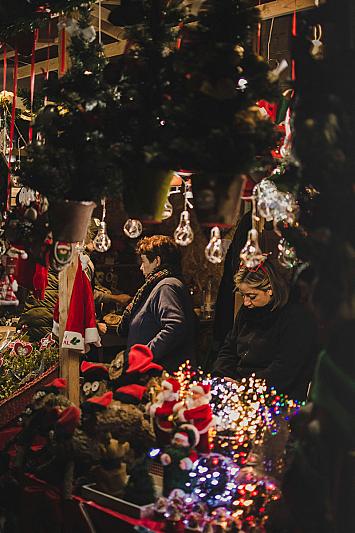
Fira de Santa Llúcia
Barcelona's oldest Christmas market (since 1786) fills the square in front of the Cathedral with nativity scene figures, caganers, Christmas trees and traditional Catalan holiday crafts.
 September
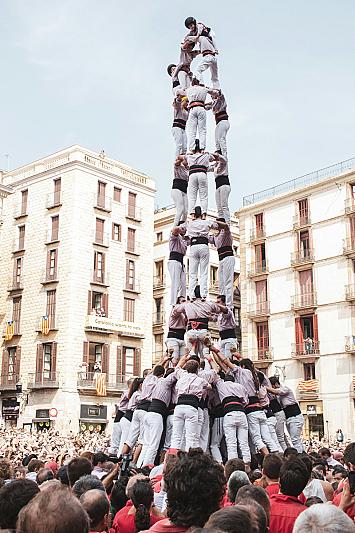
Castells Festival Season (Catalonia)
The castells season in Catalonia runs mainly from spring to autumn, when local teams (colles castelleres) build human towers during festivals in towns across the region.
 May
May
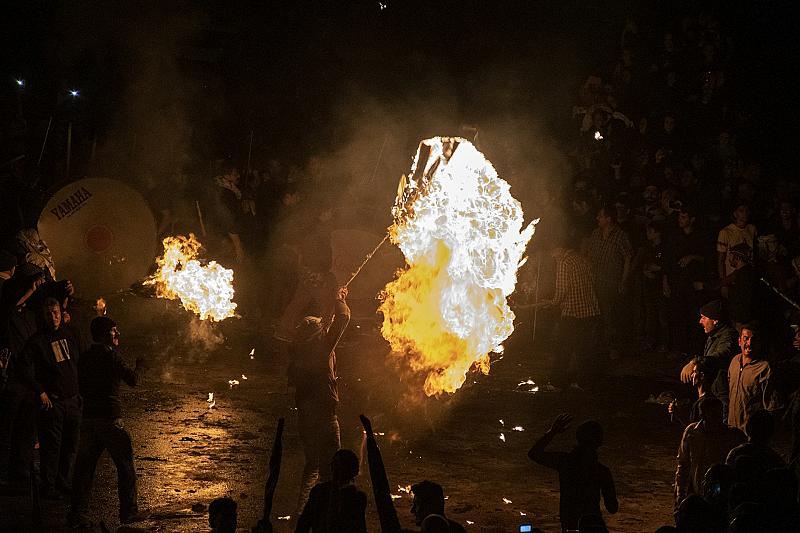
La Patum de Berga
La Patum is a medieval festival of fire, music and mythical beasts celebrated in the mountain town of Berga during Corpus Christi week. Recognised by UNESCO as a Masterpiece of the Oral and Intangible Heritage of Humanity in 2005, it features fire-breathing demons, battling angels, giants and a climactic inferno called the Salt de Plens where the entire plaza erupts in flames. It is one of the oldest and most intense festival traditions in Spain.