Valencia
Mediterranean coast known for Las Fallas and paella
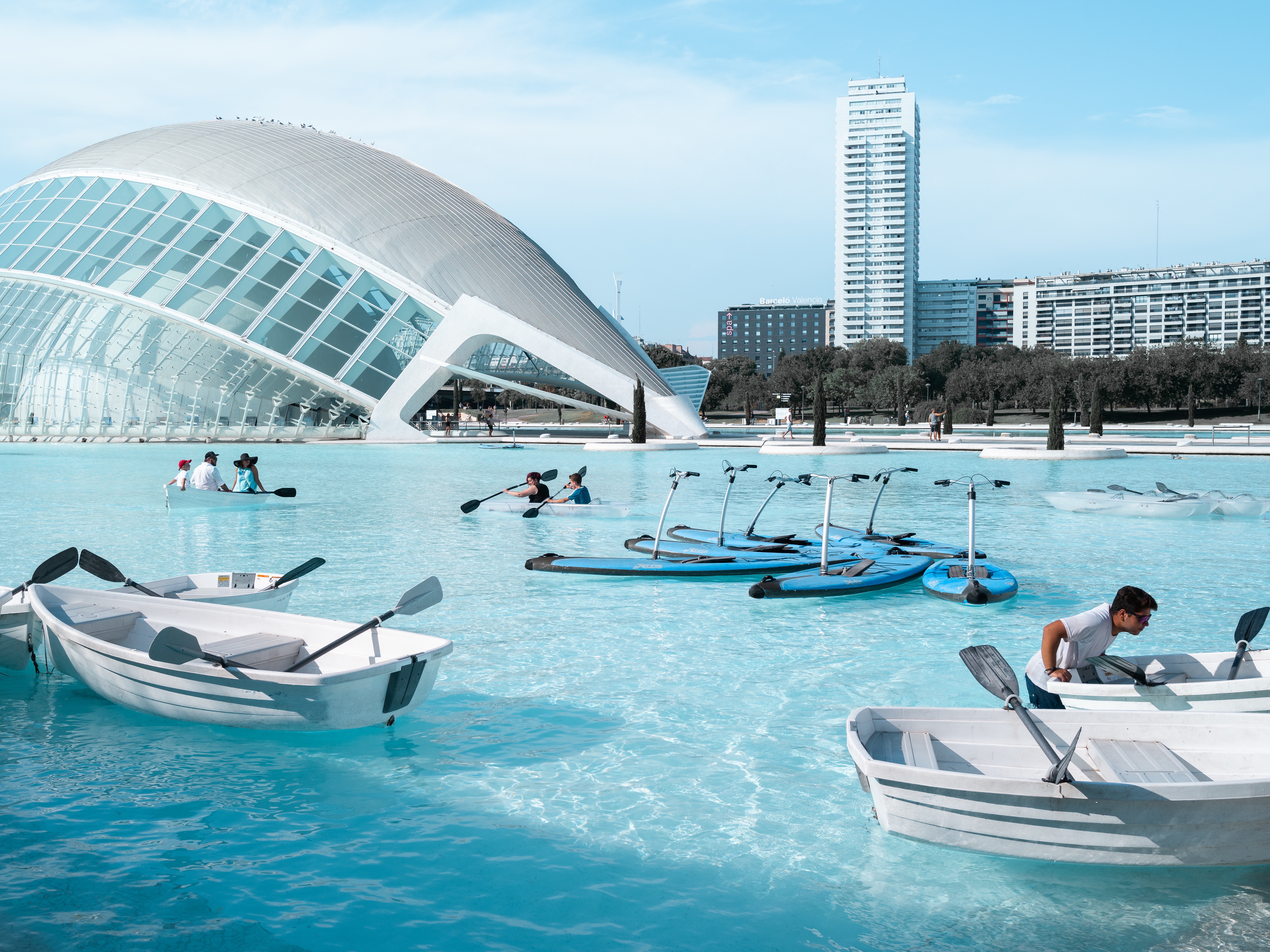
Valencia is best known internationally for Las Fallas, the fire-and-satire festival that burns hundreds of towering sculptures every March, but the region — which stretches along the Mediterranean from the Ebro delta down through Alicante's beaches — has a rhythm of its own beyond that one week. This is the birthplace of paella, cooked here in wide shallow pans over wood fire using rice grown in the wetlands of the Albufera just south of the capital, and it is orange country: groves surround the city and the region supplies much of Europe's citrus.
The Valencian language, closely related to Catalan, is spoken alongside Spanish across much of the region and shows up in festival names and local pride. Beyond Las Fallas, the region hosts some of Spain's best-known music festivals — Benicàssim's FIB has drawn international indie and rock lineups to the coast for decades — alongside older traditions like Alcoy's Moros y Cristianos, a mock battle re-enactment with roots in the centuries of contact and conflict between Christian and Muslim Spain.
Highlights
- Birthplace of paella — the original recipe comes from the rice fields around the Albufera lagoon
- Las Fallas — UNESCO-recognised fire festival, one of Spain's biggest cultural exports
- Citrus country — orange groves ring the city and much of the coast
- Music festival hub — FIB Benicàssim and Primavera Sound's coastal cousin events draw international crowds
Festivals in Valencia
 March
March
Las Fallas
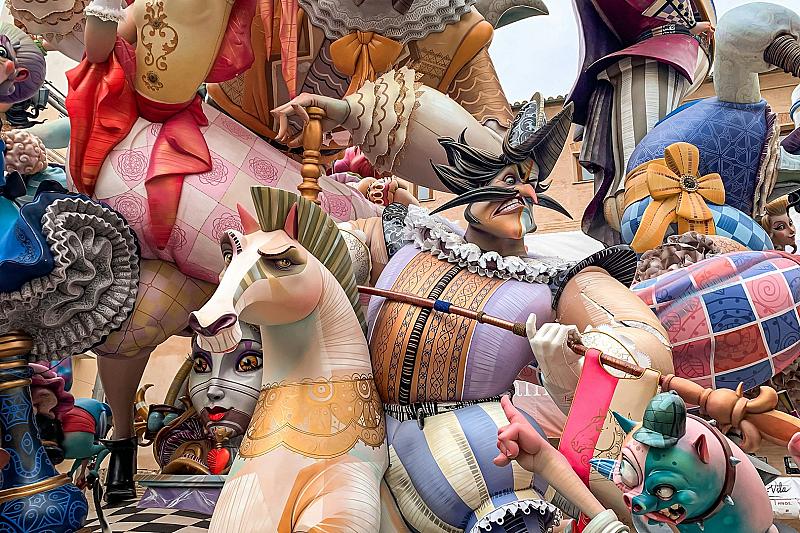
Las Fallas is one of Spain's most spectacular and UNESCO-recognised festivals — a stunning combination of art, fire, music, and Valencian pride. Every March, the city of Valencia fills its streets with hundreds of enormous satirical sculptures (fallas), only to burn them all to the ground in a magnificent midnight inferno on the final night.
 August
La Tomatina
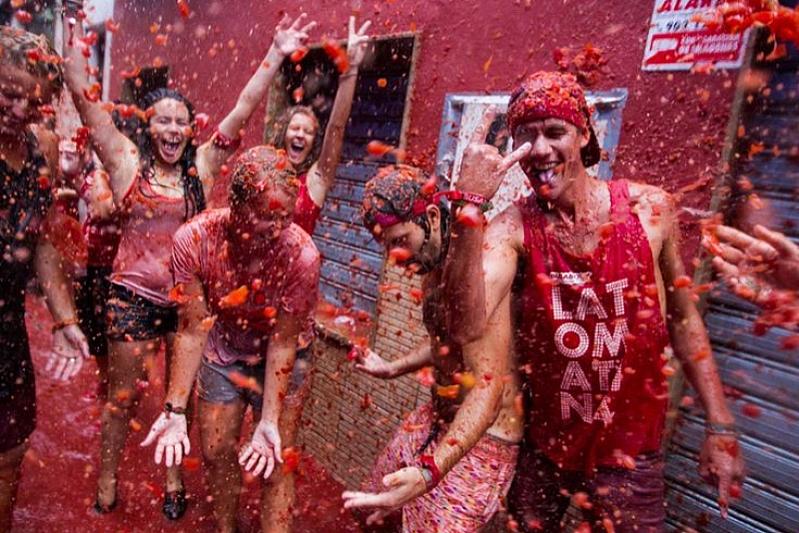
La Tomatina is one of the most unique and exhilarating festivals in the world. Every year, on the last Wednesday of August, the small town of Buñol, near Valencia, transforms into a battlefield of ripe tomatoes — and tens of thousands of visitors come from every corner of the globe to join the fun.
 June
June
Noche de San Juan
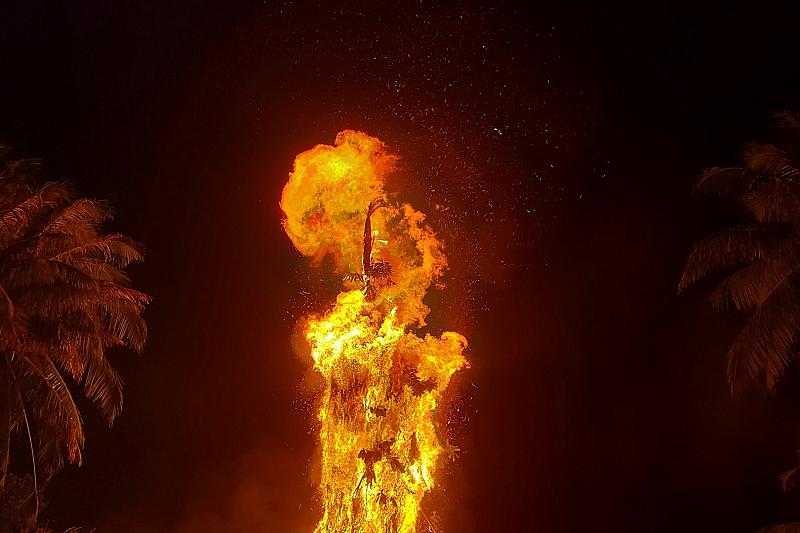
Noche de San Juan (St. John's Eve) is Spain's most magical night. On 23 June, beaches and towns across the country light up with bonfires as millions of Spaniards celebrate the summer solstice with fire, sea, and ancient rituals. It's one of those rare festivals that unites the entire country in celebration.
 April
April
Moros y Cristianos
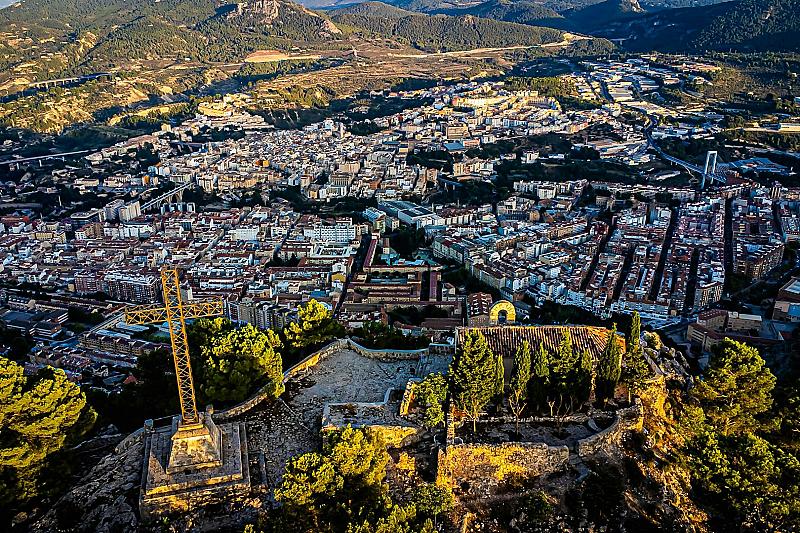
The Moros y Cristianos (Moors and Christians) festivals are among Spain's most visually spectacular celebrations — elaborate historical re-enactments of the medieval battles between Christian and Muslim forces, performed with extraordinary costumes, gunpowder, music, and drama across dozens of cities and towns, primarily in the Valencia region and Andalusia.
 July
July
Festival Internacional de Benicàssim (FIB)
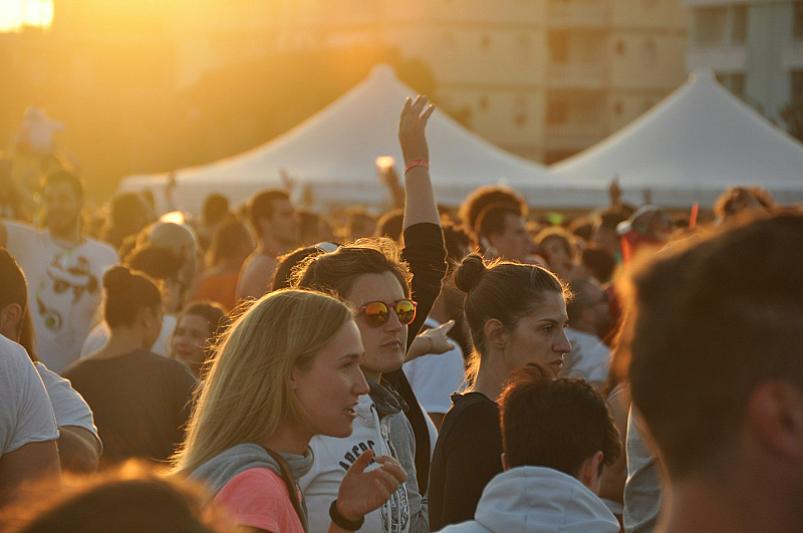
The Festival Internacional de Benicàssim (FIB) is one of Europe's most iconic music festivals. Set on the Mediterranean coast between Valencia and Barcelona, it combines four days of world-class indie, rock, and electronic music with sun, sea, and a legendary party atmosphere.
 August
Misteri d'Elx (Mystery of Elche)
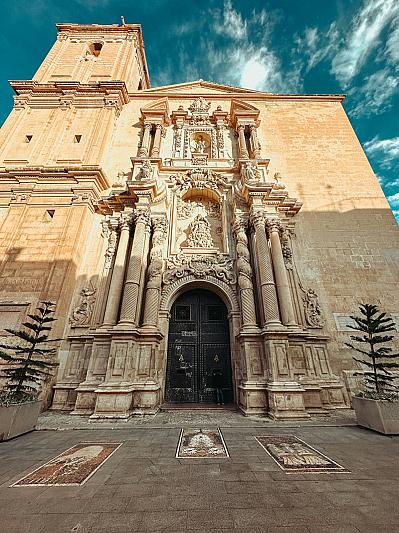
The Misteri d'Elx is a medieval liturgical drama depicting the Assumption of the Virgin Mary, performed entirely in verse and song inside the Basilica of Santa María. UNESCO declared it a Masterpiece of the Oral and Intangible Heritage of Humanity in 2001 — it has been performed uninterrupted since the 15th century.
 June
June
Hogueras de San Juan Alicante
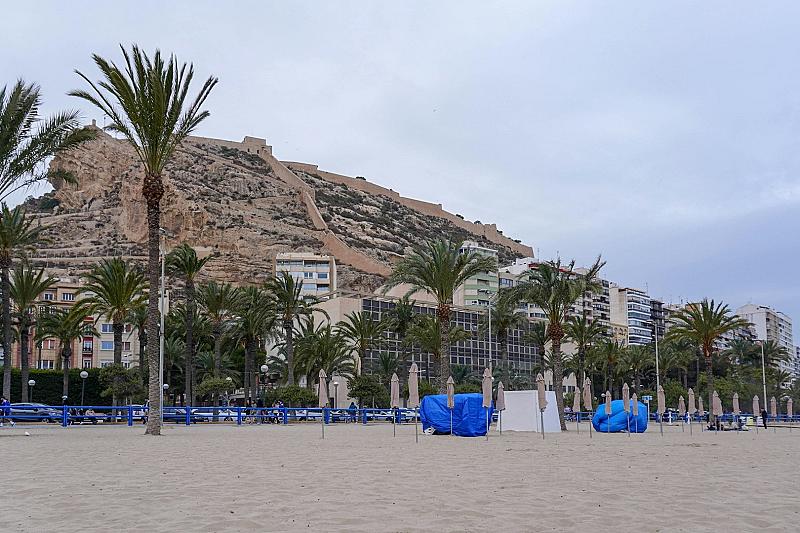
The Hogueras de San Juan (Fogueres de Sant Joan in Valencian) is Alicante's answer to Valencia's Fallas — and it's every bit as spectacular. Each June, the city fills with enormous artistic monuments (hogueras) that are paraded, admired and ultimately burned to ashes on the magical Noche de San Juan. With daily fireworks, parades, bonfires on the beach and the deafening mascletà at noon, it's a festival of fire, art and Mediterranean joy. Declared a Festival of International Tourist Interest.
 July
July
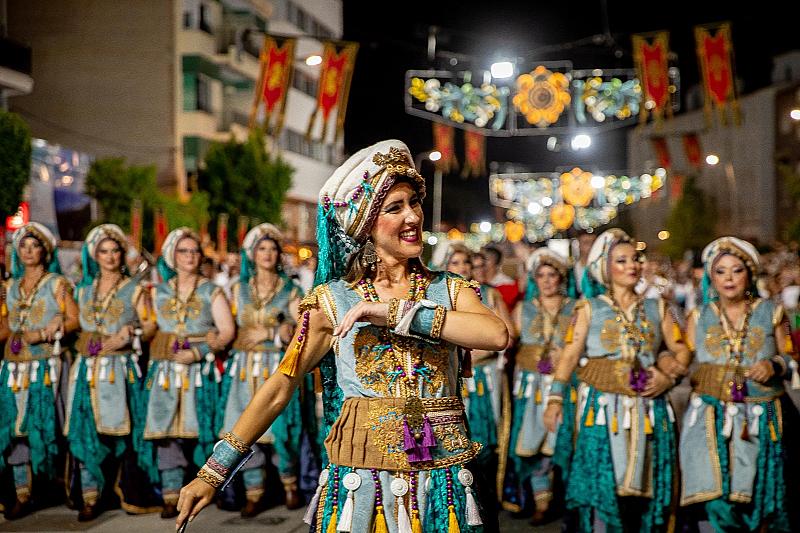
Moros y Cristianos de Villajoyosa
Villajoyosa's Moros y Cristianos features one of Spain's most spectacular beach landings — Moorish troops arrive by sea and storm the beach in a dramatic re-enactment of medieval battles.
 February
Fiestas de la Magdalena
Castellón's founding festival celebrates the city's move from the hilltop Magdalena hermitage to the plain in 1251 with 10 days of processions, fireworks and gaiatas (illuminated floats).
Els Enfarinats
Every December 28th (Holy Innocents' Day), the town of Ibi erupts into a massive flour, egg and firecracker battle as mock revolutionaries 'seize power' in this 200-year-old tradition.
 July
July
Benicàssim Festival (FIB)
FIB Benicàssim is one of Spain’s best-known summer music festivals, usually held in July in Benicàssim (Castellón), featuring international indie, pop, electronic, and alternative artists.
Feria de Todos los Santos
A 680-year-old agricultural and livestock fair in Cocentaina, Valencia, drawing hundreds of thousands of visitors around All Saints' Day.
How to Get There
Valencia Airport handles most international arrivals, with a growing budget-carrier network from across Europe; Alicante Airport covers the southern coast. High-speed AVE trains reach Valencia from Madrid in under two hours. The regional Cercanías and Renfe network connects coastal towns like Benicàssim and Alicante efficiently, making a car optional for most festival visits along the coast.
Tips & Advice
Book Las Fallas accommodation months ahead — Valencia effectively sells out every March, and prices climb well before the festival dates. The mascletà firecracker displays are genuinely loud; bring ear protection if you're sensitive to noise, especially with children. Outside festival weeks, the region's beaches and rice-paddy landscapes around the Albufera are worth a quieter visit.