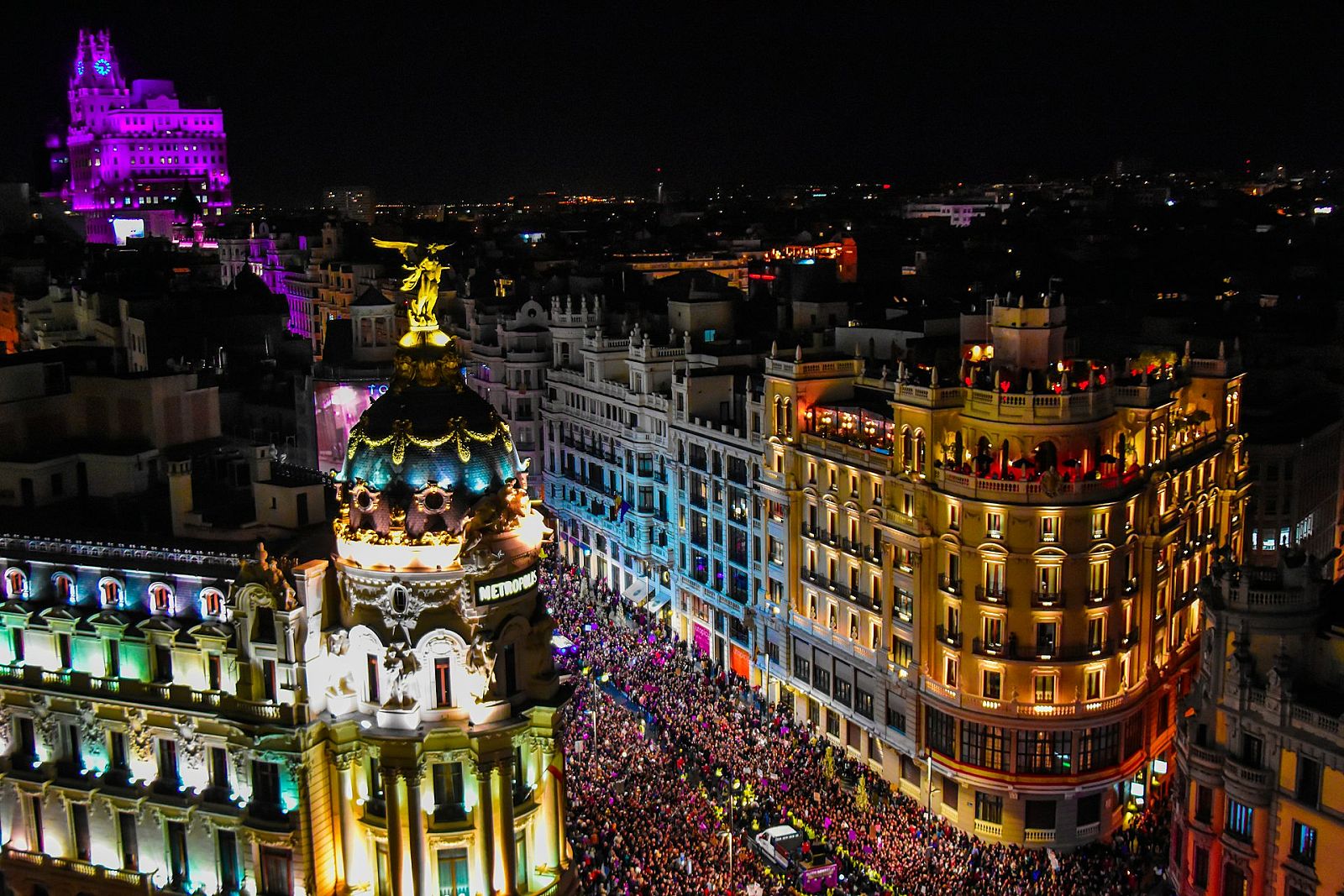
Benicàssim Festival (FIB)
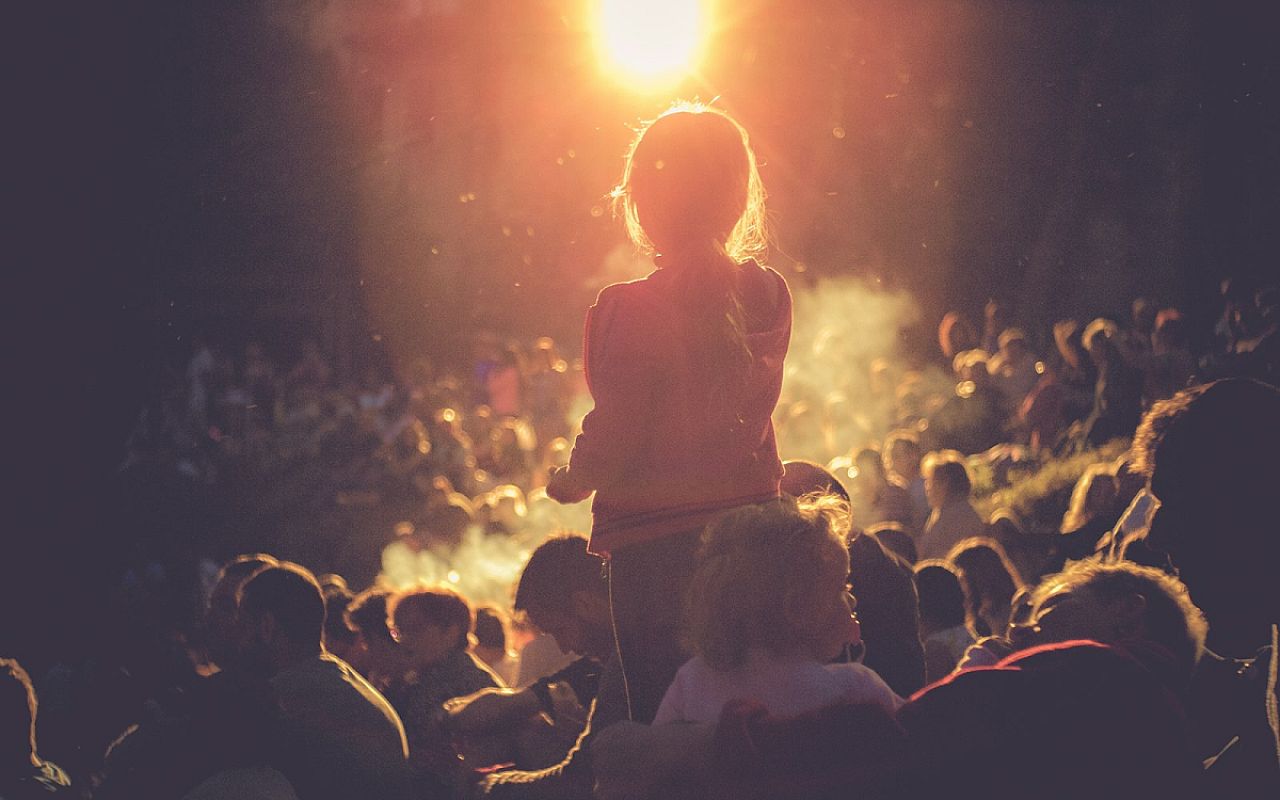
FIB Benicàssim is one of Spain’s best-known summer music festivals, usually held in July in Benicàssim (Castellón), featuring international indie, pop, electronic, and alternative artists.
Highlights
Top highlights and practical advice are covered in the guide sections above.
Benicàssim Festival (FIB): Complete Guide for First-Time Visitors
Quick answer
FIB Benicàssim is one of Spain’s best-known summer music festivals, usually held in July in Benicàssim (Castellón), featuring international indie, pop, electronic, and alternative artists.
What makes FIB unique
- Multi-day seaside festival environment
- Strong international audience
- Mix of headline acts, emerging artists, and late-night programming
Typical dates and format
- Usually **mid to late July**
- Multi-day passes + day tickets
- Camping and non-camping options
> Lineup and ticket phases typically roll out in waves; check official channels for final details.
Practical travel info
Getting there
- **Nearest airports:** Valencia (VLC) and Castellón (CDT)
- **Rail:** Connections to Benicàssim/Castellón from Valencia and major cities
- **Bus/Shuttle:** Festival-period services often increase frequency
Accommodation options
- Official camping (budget, social atmosphere)
- Hotels/apartments in Benicàssim or Castellón
- Book early for peak dates
Budget guide (typical)
- Festival pass: varies by tier and release phase
- Accommodation: €25–€180/night depending on camping vs hotel
- Meals/drinks on-site: higher than local-town pricing
What to pack
- Refillable water bottle (if venue rules allow)
- Sun protection + hat
- Earplugs
- Lightweight layers for late-night temperature drop
- Portable charger
Safety and comfort tips
- Hydrate throughout the day
- Arrive early for headline sets
- Save offline maps and return transport options
- Set meeting points with friends due to crowd density
FAQ (EN)
When do FIB tickets usually sell out?
Lower-priced tiers often sell first. Popular days and full passes can sell out weeks or months before the festival.
Is camping worth it?
Camping is the most immersive and budget-friendly option, but heat and noise can be challenging. Choose based on comfort level.
Can I go without a car?
Yes. Most visitors combine flights/trains with local shuttle, bus, taxi, or walking.
Is FIB family-friendly?
It is primarily an adult music festival experience; verify age policies on official terms each year.
Gallery
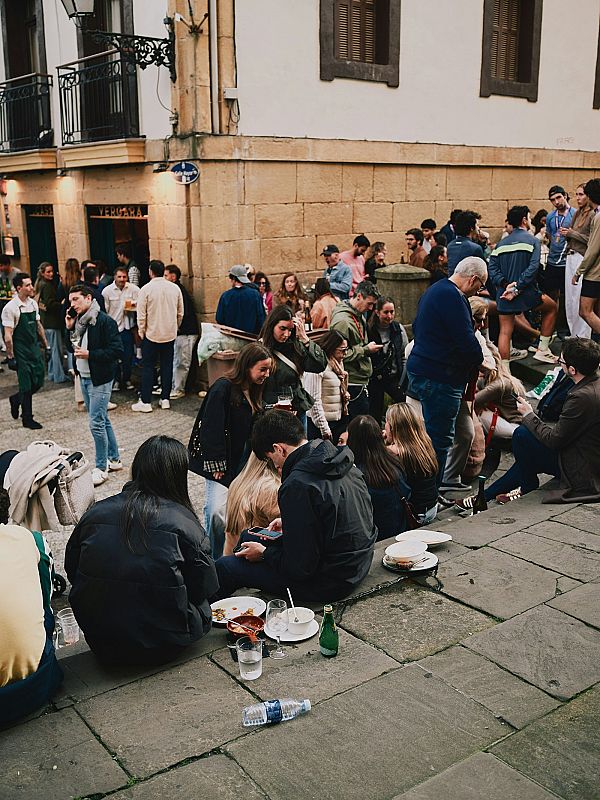
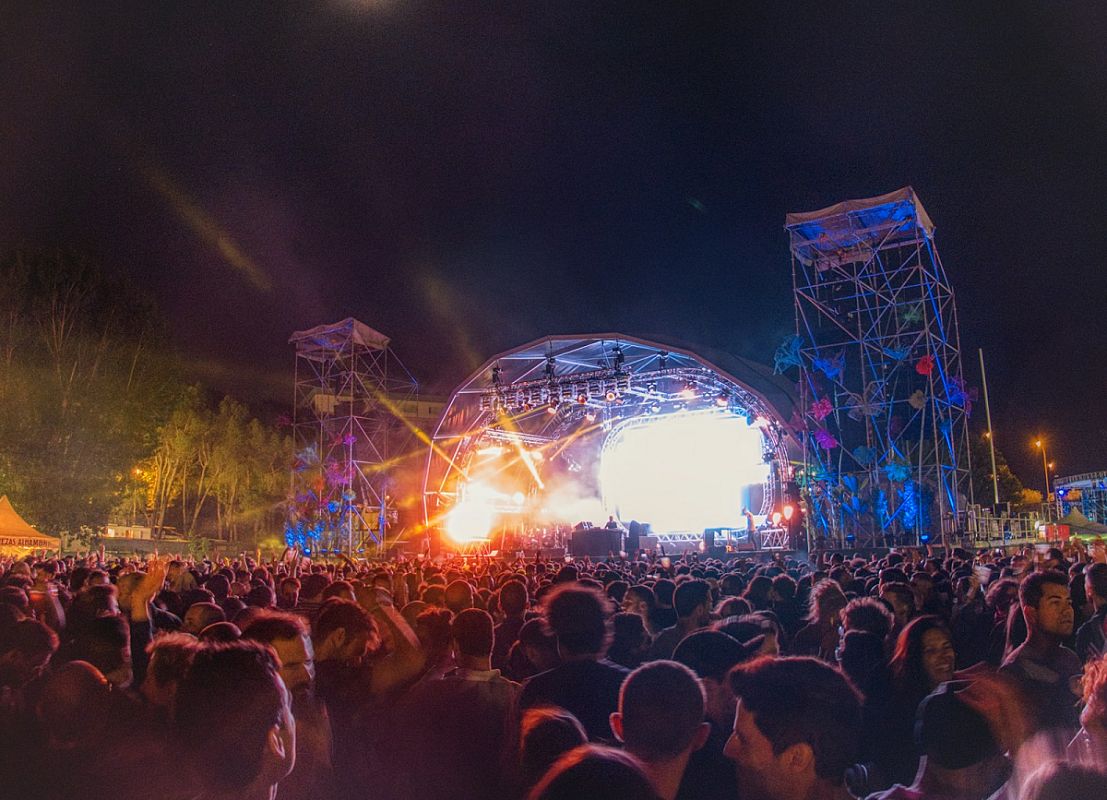
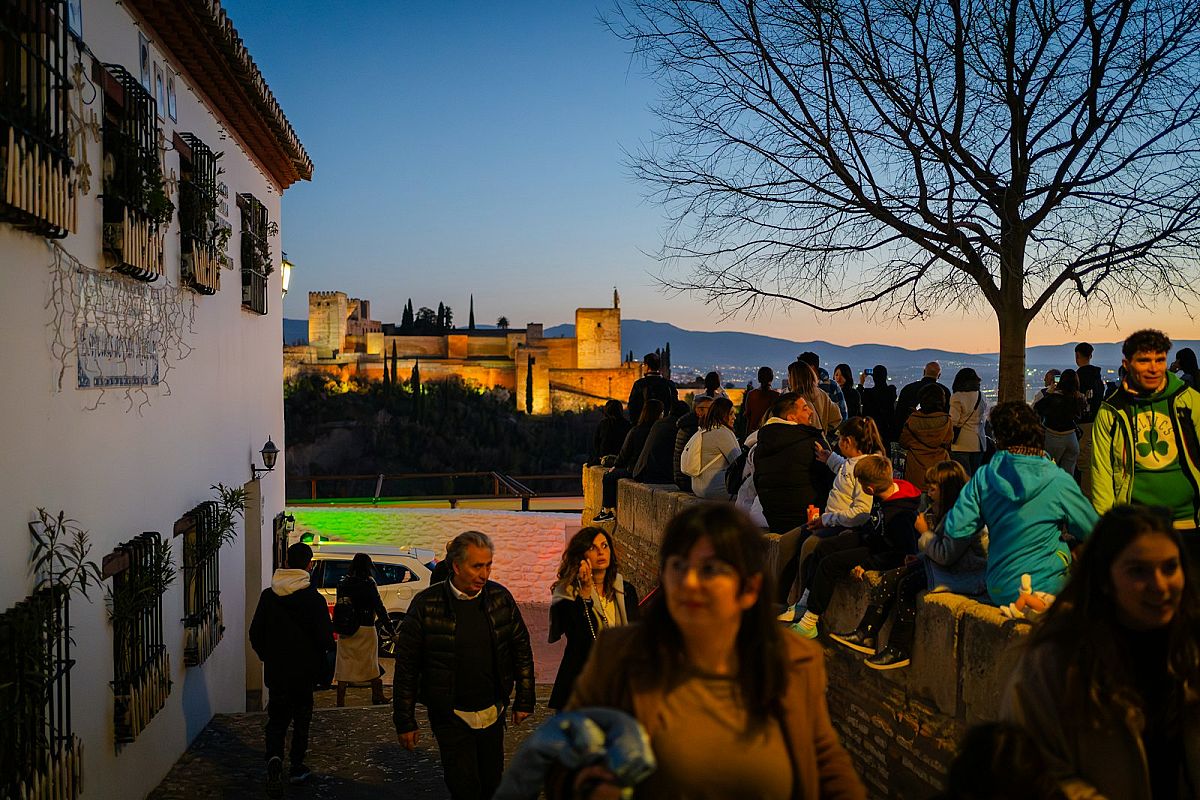
Video
History & Origins
See official sources listed below for historical context and annual updates.
What to Expect
Expect high demand around key dates. Plan transport and accommodation in advance.
How to Get There
Use nearest airport/train/bus options listed in this guide and check official updates before travel.
Tips & Advice
Follow local rules, safety guidance, and official schedules.
Plan Your Trip
Book accommodation and transport for this festival. Get the best deals on hotels and train tickets.
This page contains affiliate links. We may earn a commission at no extra cost to you.
 June
June
Hogueras de San Juan Alicante
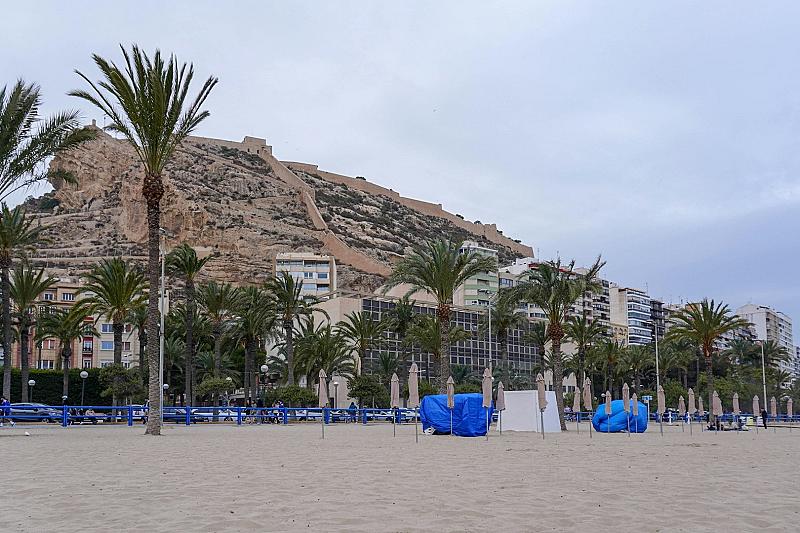
The Hogueras de San Juan (Fogueres de Sant Joan in Valencian) is Alicante's answer to Valencia's Fallas — and it's every bit as spectacular. Each June, the city fills with enormous artistic monuments (hogueras) that are paraded, admired and ultimately burned to ashes on the magical Noche de San Juan. With daily fireworks, parades, bonfires on the beach and the deafening mascletà at noon, it's a festival of fire, art and Mediterranean joy. Declared a Festival of International Tourist Interest.
 July
July
Moros y Cristianos de Villajoyosa
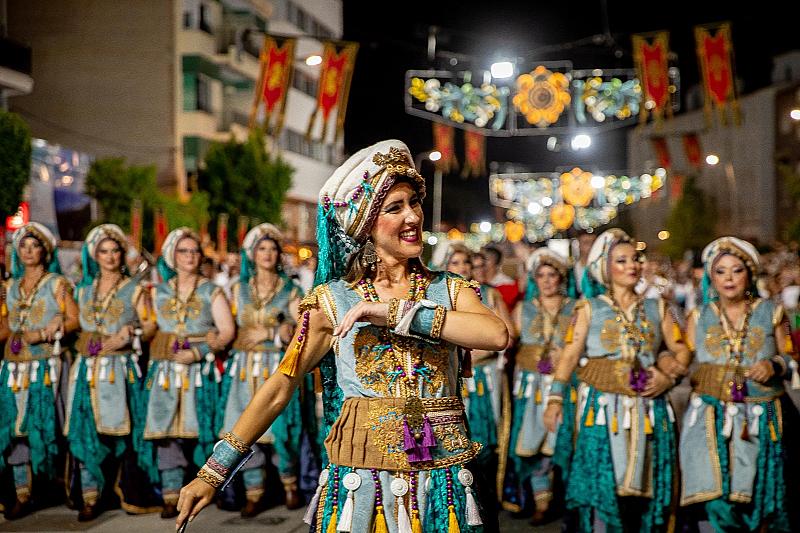
Villajoyosa's Moros y Cristianos features one of Spain's most spectacular beach landings — Moorish troops arrive by sea and storm the beach in a dramatic re-enactment of medieval battles.
 August
La Tomatina
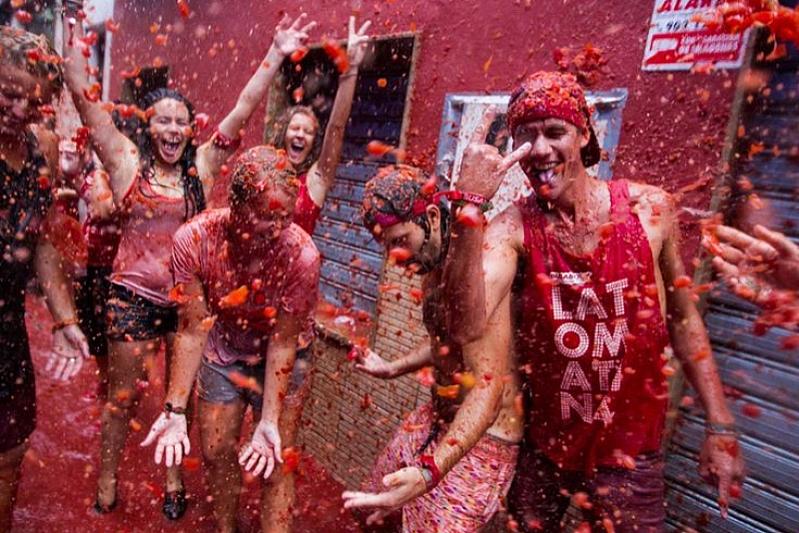
La Tomatina is one of the most unique and exhilarating festivals in the world. Every year, on the last Wednesday of August, the small town of Buñol, near Valencia, transforms into a battlefield of ripe tomatoes — and tens of thousands of visitors come from every corner of the globe to join the fun.
Feria de Todos los Santos
A 680-year-old agricultural and livestock fair in Cocentaina, Valencia, drawing hundreds of thousands of visitors around All Saints' Day.