Misteri d'Elx (Mystery of Elche)
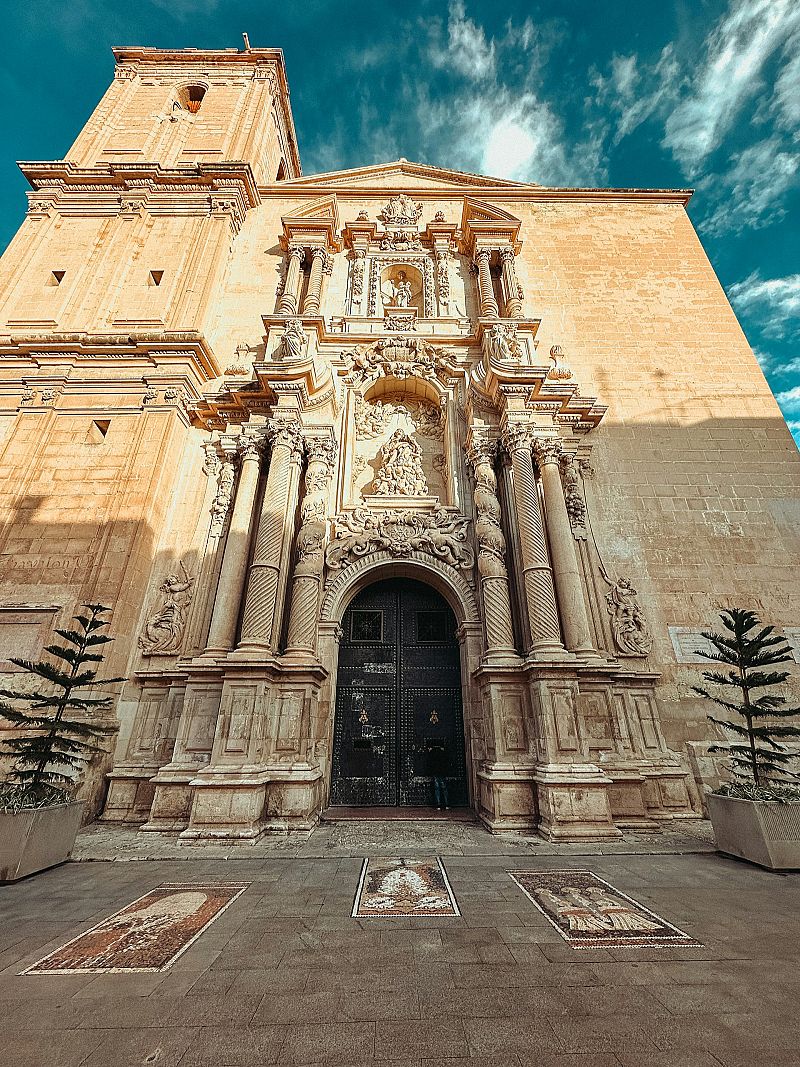
The Misteri d'Elx is a medieval liturgical drama depicting the Assumption of the Virgin Mary, performed entirely in verse and song inside the Basilica of Santa María. UNESCO declared it a Masterpiece of the Oral and Intangible Heritage of Humanity in 2001 — it has been performed uninterrupted since the 15th century.
Highlights
- UNESCO Masterpiece of Intangible Heritage (2001)
- Last medieval liturgical drama still performed in a church
- Entirely sung — no spoken dialogue
- 15th-century stage machinery still in use (the Mangrana)
- Cast of 300+ local volunteers
- Performed every August 14-15 without interruption for 600+ years
The Misteri d'Elx (Mystery Play of Elche) is Europe's last surviving medieval liturgical drama still performed in a church. Every August 14-15, the Basilica of Santa María in Elche transforms into a theatre for this extraordinary two-act play about the death, assumption, and coronation of the Virgin Mary.
The entire performance is sung — no spoken dialogue. The music blends medieval, Renaissance, and Baroque styles, performed by a cast of over 300 volunteers from the city, including the famous Cant d'Elx children's choir.
The most spectacular moment is the descent of the Mangrana (pomegranate) — a mechanical golden device that opens to reveal an angel, lowered from the dome 25 metres above. This 15th-century stage machinery still operates using the original design.
Gallery
History & Origins
The origins of the Misteri d'Elx date to the mid-15th century, though tradition attributes it to a miraculous discovery of a statue of the Virgin in 1370. Despite the Council of Trent's 1563 ban on theatrical performances in churches, Pope Urban VIII granted Elche a special exemption in 1632, allowing the tradition to continue unbroken.
What to Expect
The performance spans two days: the Vespra (August 14) covers Mary's death, and the Festa (August 15) depicts the burial, assumption, and coronation. Free tickets are distributed but go extremely fast. Dress rehearsals on August 11-13 are also open and less crowded.
Inside the basilica, the atmosphere is electric — incense, candlelight, and centuries-old music echoing off stone walls as aerial devices descend from the dome.
How to Get There
By Train: RENFE Cercanías from Alicante to Elche (20 min). By Air: Alicante-Elche Airport (ALC) is 15 km away. By Car: On the A-7 motorway, 20 km south of Alicante.
Tips & Advice
- Free tickets are distributed days before — queue early at the Casa de la Festa
- Dress rehearsals (Aug 11-13) are a great alternative with shorter queues
- The basilica gets very hot in August — bring water and a fan
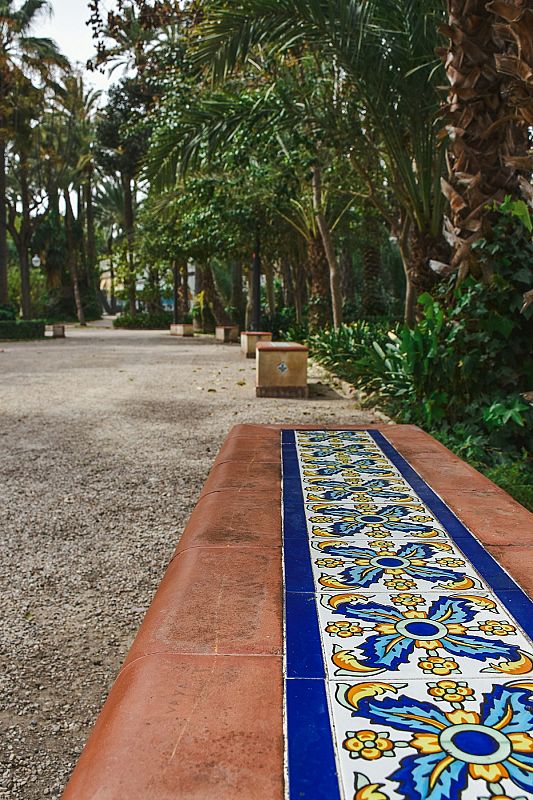
- Visit the Palmeral (UNESCO palm grove) while in Elche
- Alicante is just 20 km away for beach time and more accommodation
Plan Your Trip
Book accommodation and transport for this festival. Get the best deals on hotels and train tickets.
This page contains affiliate links. We may earn a commission at no extra cost to you.
 August
La Tomatina
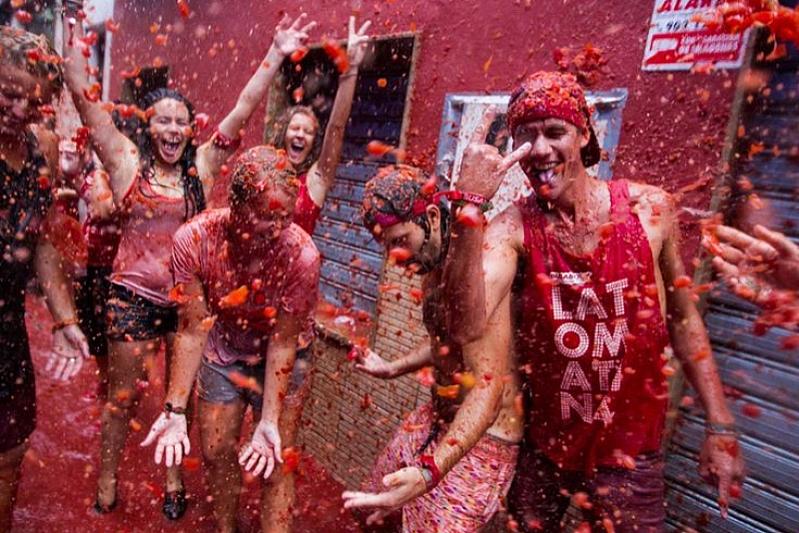
La Tomatina is one of the most unique and exhilarating festivals in the world. Every year, on the last Wednesday of August, the small town of Buñol, near Valencia, transforms into a battlefield of ripe tomatoes — and tens of thousands of visitors come from every corner of the globe to join the fun.
Els Enfarinats
Every December 28th (Holy Innocents' Day), the town of Ibi erupts into a massive flour, egg and firecracker battle as mock revolutionaries 'seize power' in this 200-year-old tradition.
 June
June
Noche de San Juan
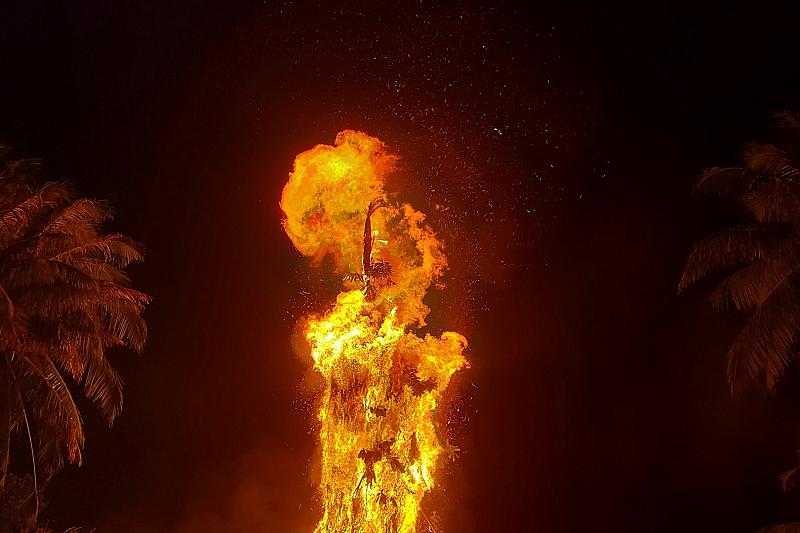
Noche de San Juan (St. John's Eve) is Spain's most magical night. On 23 June, beaches and towns across the country light up with bonfires as millions of Spaniards celebrate the summer solstice with fire, sea, and ancient rituals. It's one of those rare festivals that unites the entire country in celebration.
 June
June
Hogueras de San Juan Alicante
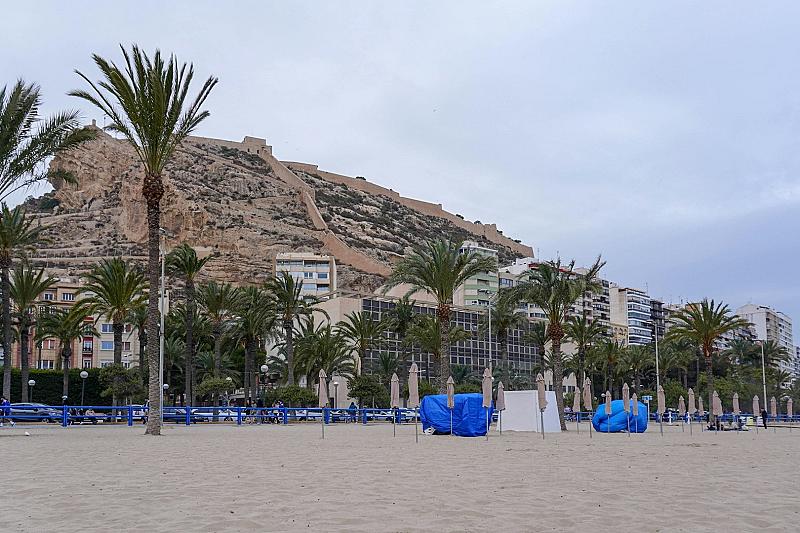
The Hogueras de San Juan (Fogueres de Sant Joan in Valencian) is Alicante's answer to Valencia's Fallas — and it's every bit as spectacular. Each June, the city fills with enormous artistic monuments (hogueras) that are paraded, admired and ultimately burned to ashes on the magical Noche de San Juan. With daily fireworks, parades, bonfires on the beach and the deafening mascletà at noon, it's a festival of fire, art and Mediterranean joy. Declared a Festival of International Tourist Interest.