Hogueras de San Juan Alicante
The Hogueras de San Juan (Fogueres de Sant Joan in Valencian) is Alicante's answer to Valencia's Fallas — and it's every bit as spectacular. Each June, the city fills with enormous artistic monuments (hogueras) that are paraded, admired and ultimately burned to ashes on the magical Noche de San Juan. With daily fireworks, parades, bonfires on the beach and the deafening mascletà at noon, it's a festival of fire, art and Mediterranean joy. Declared a Festival of International Tourist Interest.
Highlights
The Hogueras combine everything that makes Mediterranean festivals magical: fire, art, music, beach, and community. There's something primal about jumping over bonfires on the shortest night of the year, watching enormous works of art consumed by flames, and swimming in the warm sea under a sky full of fireworks. Alicante's festival is more accessible and less overwhelming than Valencia's Fallas, making it perfect for first-time visitors to Spain's fire festival tradition.
Date & Schedule
| Detail | Info |
|---|---|
| Dates 2027 | 20 – 24 June 2027 |
| Plantà | 20 June (monuments erected) |
| Mascletà | Daily at 14:00 at Plaza de los Luceros |
| Noche de San Juan | 23 June (bonfires on the beach) |
| Cremà | 24 June (burning of all monuments) |
| Location | Alicante, Valencian Community |
The festival follows a similar rhythm to Fallas: construction, exhibition, fireworks and destruction by fire.
Location
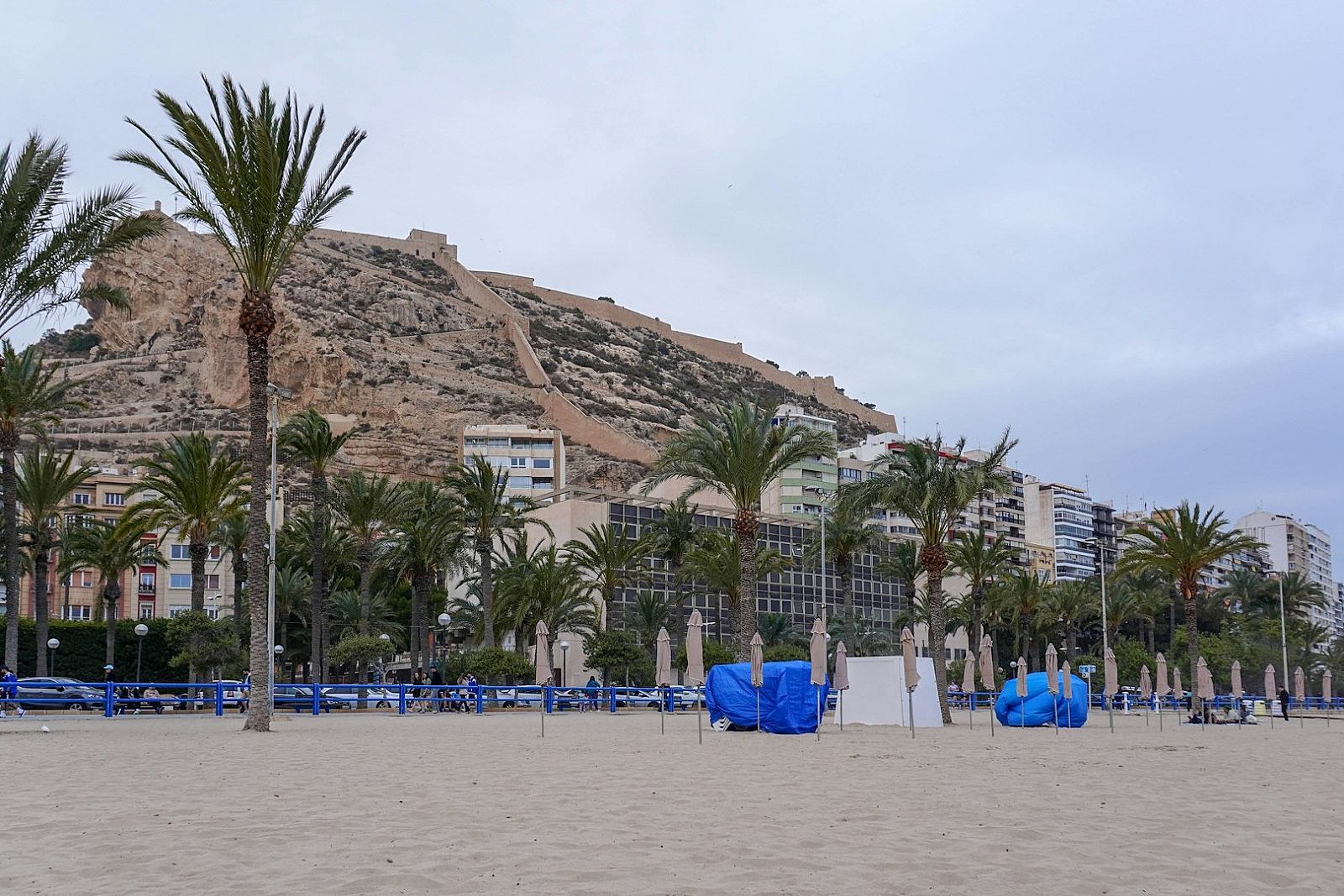
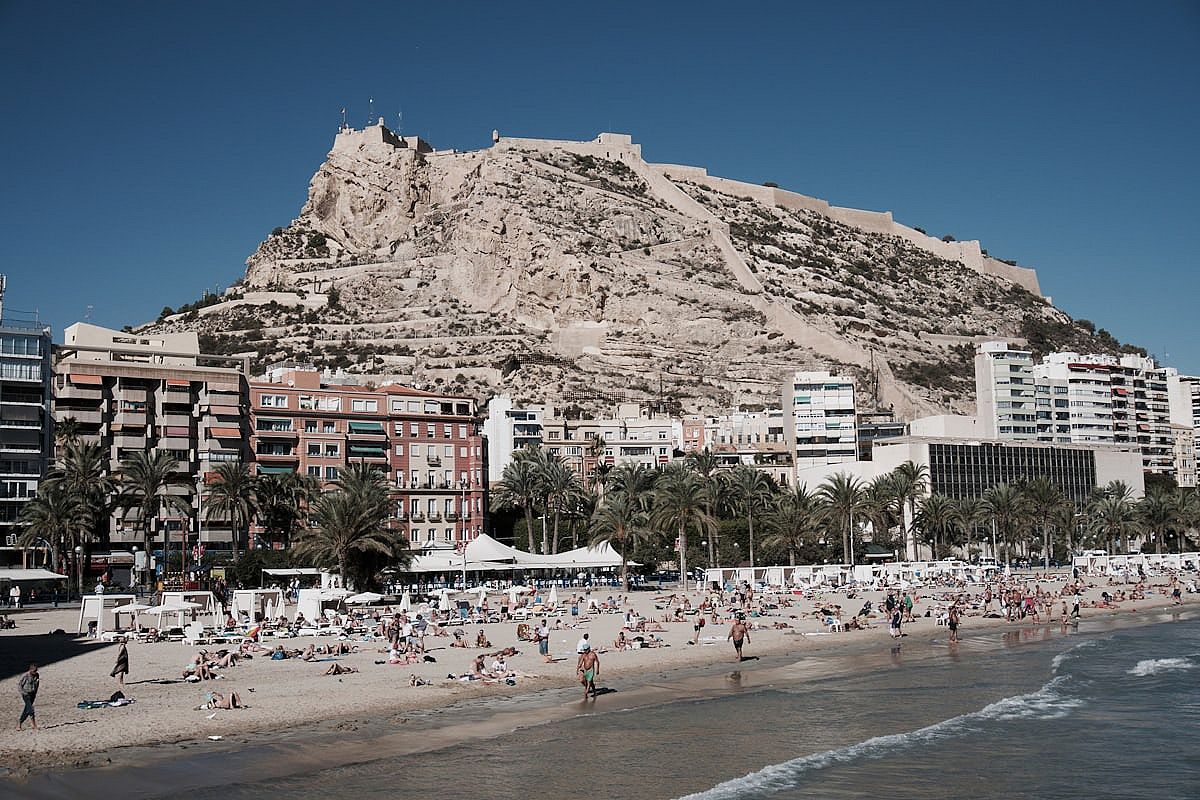
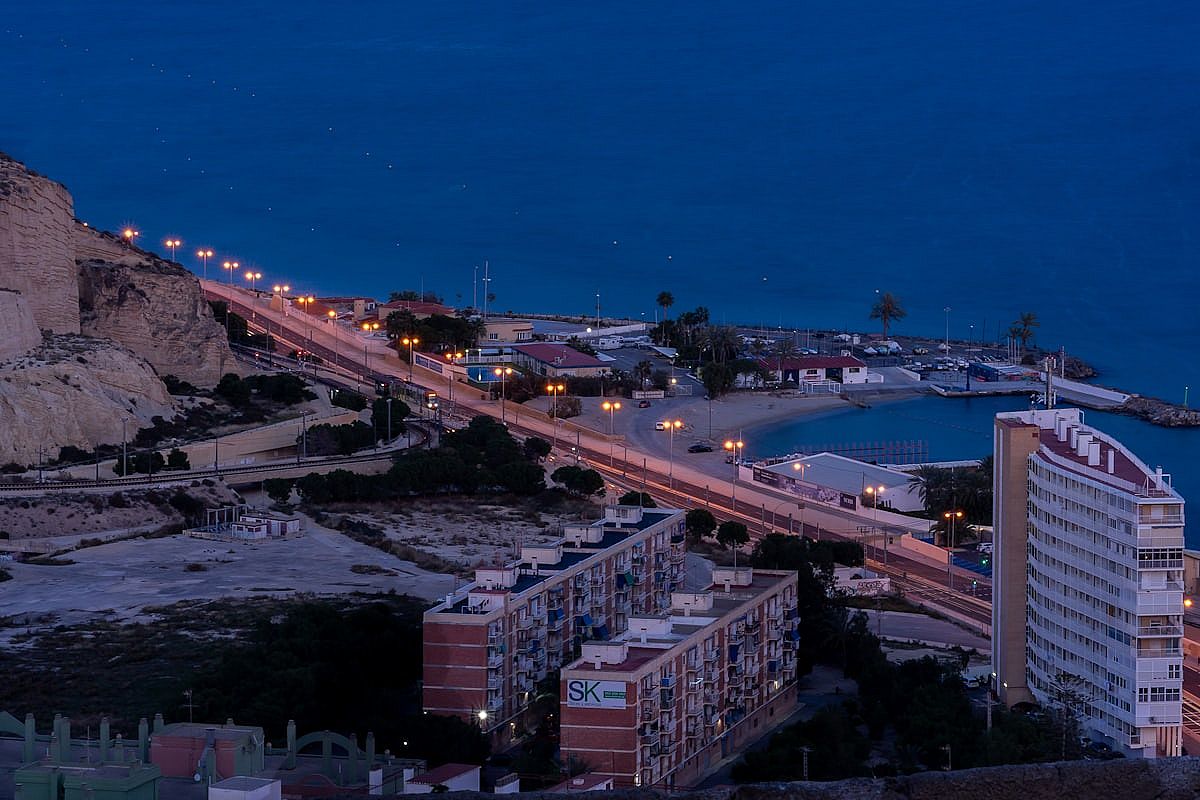
Alicante sits on the Mediterranean coast of southeastern Spain. Hoguera monuments are erected in neighbourhoods throughout the city, with the largest and most elaborate along the Explanada de España and near the Plaza del Ayuntamiento. Beach bonfires on the Noche de San Juan take place along the Playa del Postiguet, beneath the imposing Castillo de Santa Bárbara.
Key Events & Highlights
- Hoguera monuments — Enormous satirical sculptures made of wood, cardboard and papier-mâché, erected at intersections throughout the city. Like Fallas ninots, they mock politicians, celebrities and social trends
- Mascletà — Daily at 2 PM, a thunderous daytime firecracker display at Plaza de los Luceros. The ground shakes
- Desfile folklórico — Grand parade of neighbourhood queens (belleas) in elaborate traditional costume
- Ofrenda de flores — Flower offering procession to the Virgin del Remedio
- Noche de San Juan — The magical midsummer night: bonfires blaze on every beach, and tradition says jumping over the fire and bathing in the sea at midnight brings good luck
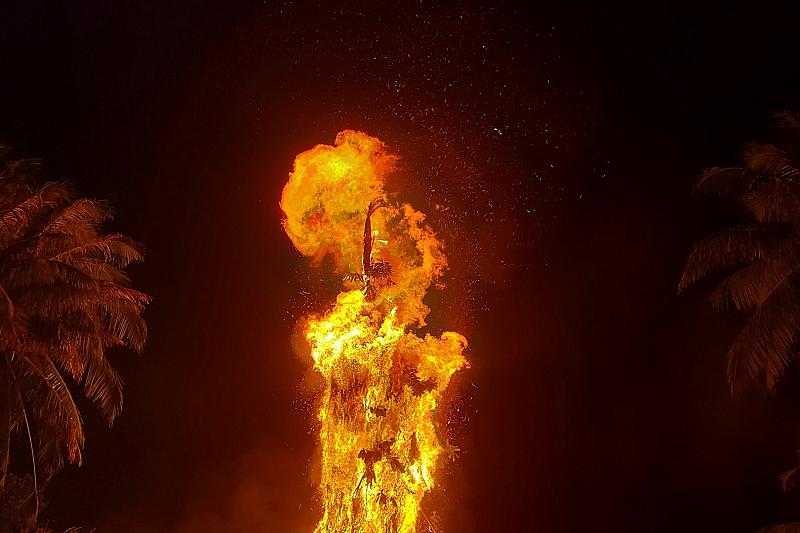
- La Cremà — At midnight on 24 June, every hoguera monument in the city is set ablaze. Firefighters spray water on spectators as buildings of fire light up the sky. The main hoguera burns last, around 1 AM
Gallery
Video
History & Origins
The Hogueras have roots in the ancient midsummer solstice bonfires that have been lit across the Mediterranean for millennia. Alicante formalised its festival in 1928, inspired by Valencia's Fallas. Local artist José María Py designed the first official hoguera monument. Over the decades, the festival has grown into Alicante's most important cultural event, with increasingly elaborate artistic monuments, formal competitions and a week of intense celebration. It was declared a Festival of International Tourist Interest in 1983.
What to Expect
Expect heat — June in Alicante means 30°C+ and intense sun. Wear light clothing, sunscreen and comfortable shoes for walking between hoguera sites. The Cremà is incredibly hot; stay back from the barriers. Earplugs are recommended for the mascletà (it's louder than you think). The Noche de San Juan on the beach is magical and family-friendly — bring a swimsuit for the midnight dip. Accommodation fills up quickly; book well in advance.
How to Get There
- By plane: Alicante-Elche Airport (ALC) is one of Spain's busiest, with flights from across Europe. Airport bus to city centre in 30 minutes
- By train: Renfe AVE connects Alicante to Madrid (2.5h). The TRAM light rail links the city and coast
- By car: A-7/AP-7 motorway along the coast. Parking is difficult during the festival — use public transport
- By bus: ALSA connects Alicante to Valencia (2.5h), Barcelona (6h) and other cities
Tips & Advice
- How is it different from Fallas? Very similar concept but smaller scale, on the beach, and in June instead of March. Some say Hogueras is more relaxed and less overwhelming than Fallas
- Is the Cremà safe? Yes — firefighters control each burn carefully. Follow barriers and staff instructions
- What's the best hoguera to see? The main hoguera at the Ayuntamiento is the most impressive, but wandering the neighbourhoods to discover smaller ones is part of the charm
- Is the beach bonfire just in Alicante? San Juan bonfires happen across Spain's coast, but Alicante's celebration is the largest and most organised
Plan Your Trip
Book accommodation and transport for this festival. Get the best deals on hotels and train tickets.
This page contains affiliate links. We may earn a commission at no extra cost to you.
 July
July
Festival Internacional de Benicàssim (FIB)
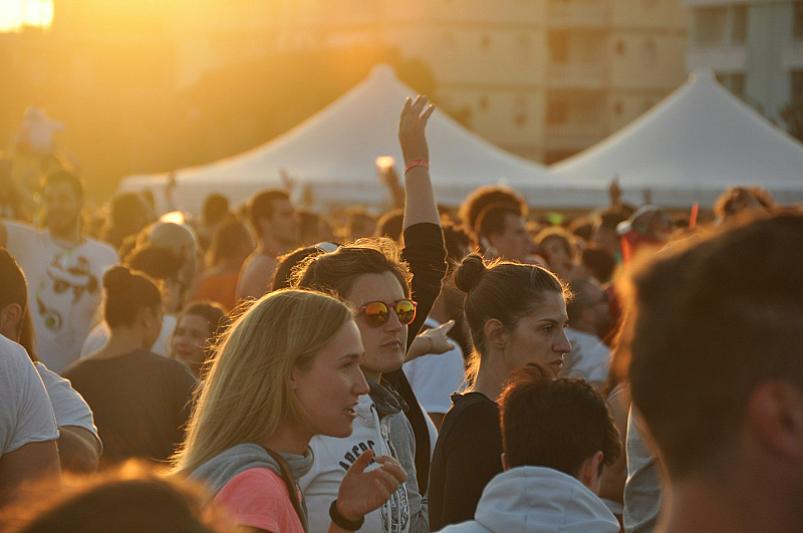
The Festival Internacional de Benicàssim (FIB) is one of Europe's most iconic music festivals. Set on the Mediterranean coast between Valencia and Barcelona, it combines four days of world-class indie, rock, and electronic music with sun, sea, and a legendary party atmosphere.
 August
La Tomatina
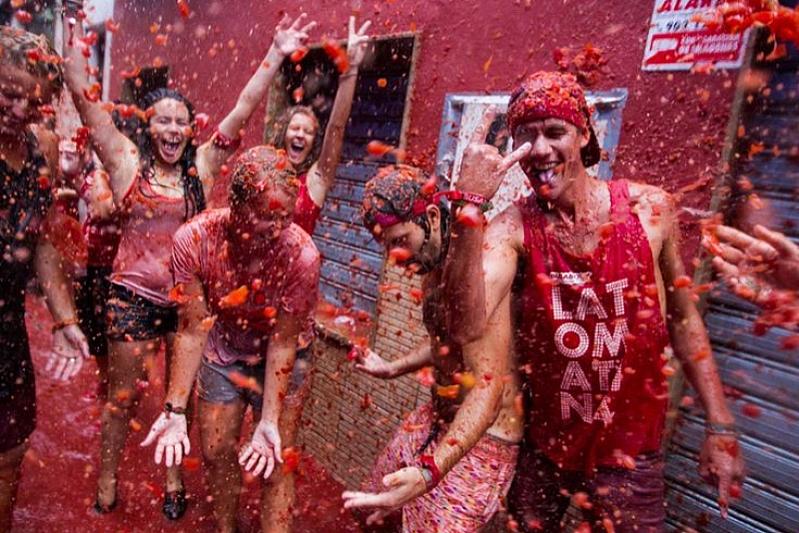
La Tomatina is one of the most unique and exhilarating festivals in the world. Every year, on the last Wednesday of August, the small town of Buñol, near Valencia, transforms into a battlefield of ripe tomatoes — and tens of thousands of visitors come from every corner of the globe to join the fun.
 March
March
Las Fallas
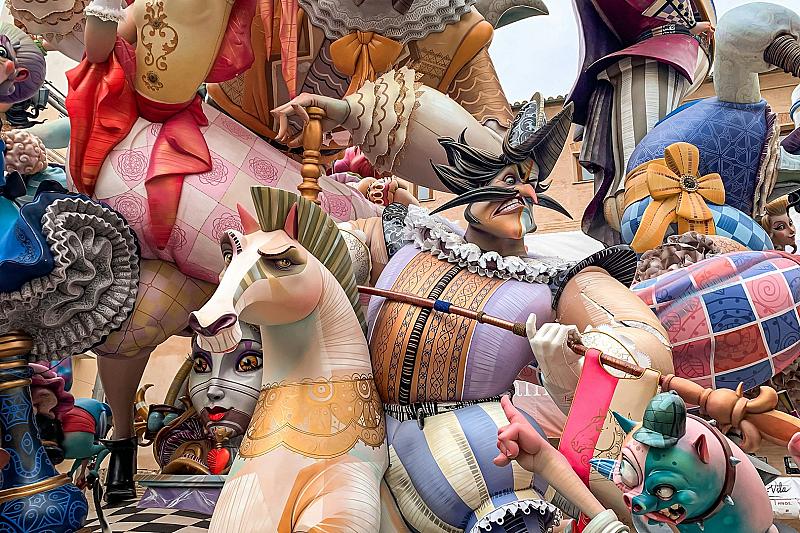
Las Fallas is one of Spain's most spectacular and UNESCO-recognised festivals — a stunning combination of art, fire, music, and Valencian pride. Every March, the city of Valencia fills its streets with hundreds of enormous satirical sculptures (fallas), only to burn them all to the ground in a magnificent midnight inferno on the final night.
 June
June
Noche de San Juan
Noche de San Juan (St. John's Eve) is Spain's most magical night. On 23 June, beaches and towns across the country light up with bonfires as millions of Spaniards celebrate the summer solstice with fire, sea, and ancient rituals. It's one of those rare festivals that unites the entire country in celebration.