Las Fallas
Las Fallas is one of Spain's most spectacular and UNESCO-recognised festivals — a stunning combination of art, fire, music, and Valencian pride. Every March, the city of Valencia fills its streets with hundreds of enormous satirical sculptures (fallas), only to burn them all to the ground in a magnificent midnight inferno on the final night.
Highlights
Few festivals on earth combine art, fire, sound, and emotion quite like Las Fallas. Walking through streets lined with towering satirical masterpieces — knowing they will all be ash by morning — is an experience that defies description. Come for the spectacle, stay for the warmth of Valencian culture.
Date & Schedule
| Detail | Info |
|---|---|
| Festival dates 2027 | 1–19 March 2027 |
| Peak days | 15–19 March 2027 |
| Mascletà (daily fireworks) | 14:00 every day from 1–19 March |
| La Ofrenda (flower offering) | 17–18 March |
| La Cremà (burning night) | Night of 19 March (from 22:00) |
| Location | Valencia, Spain |
What Are the Fallas?
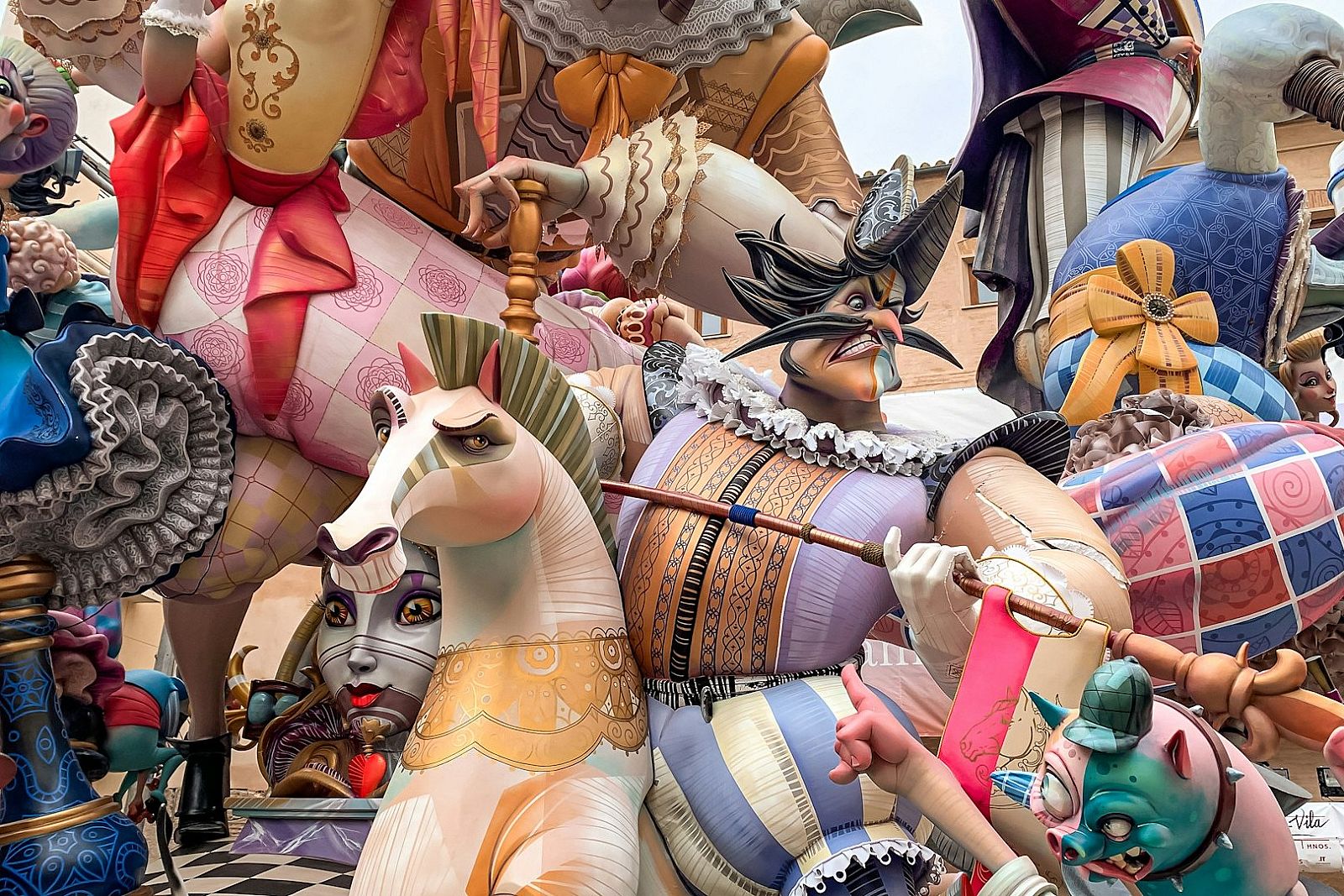
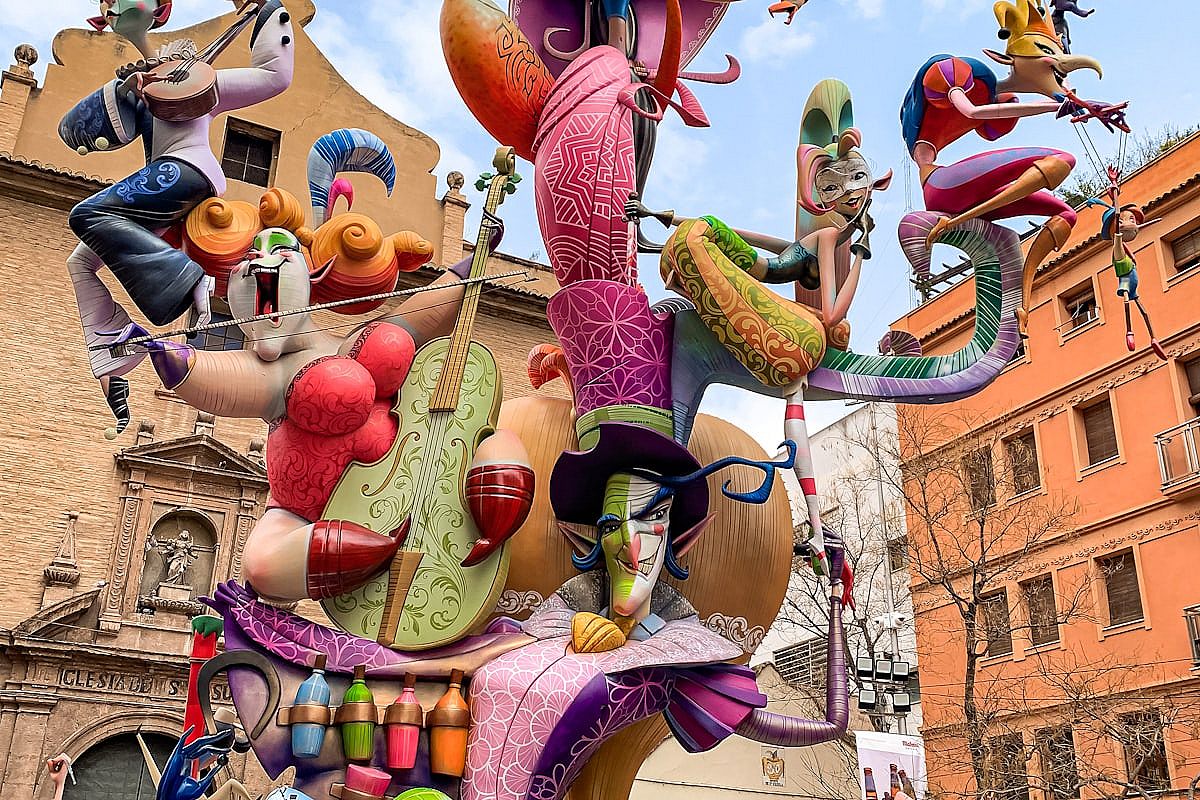
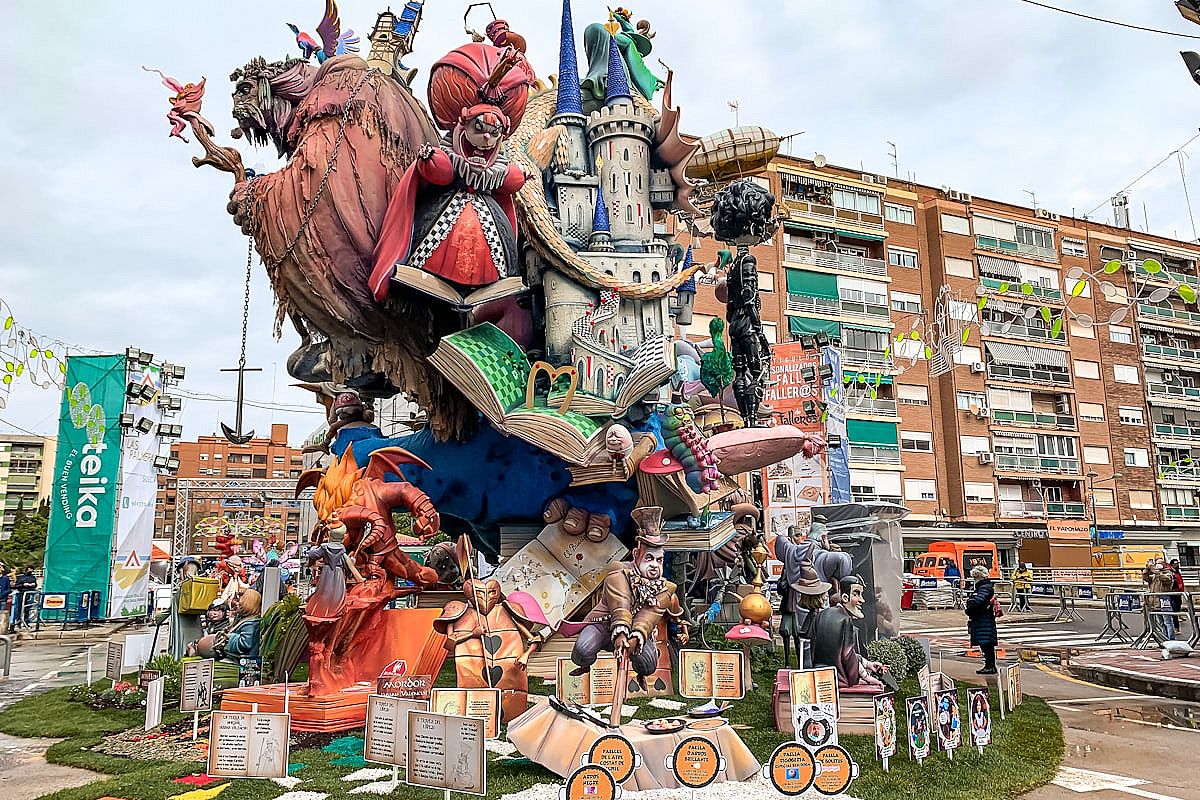
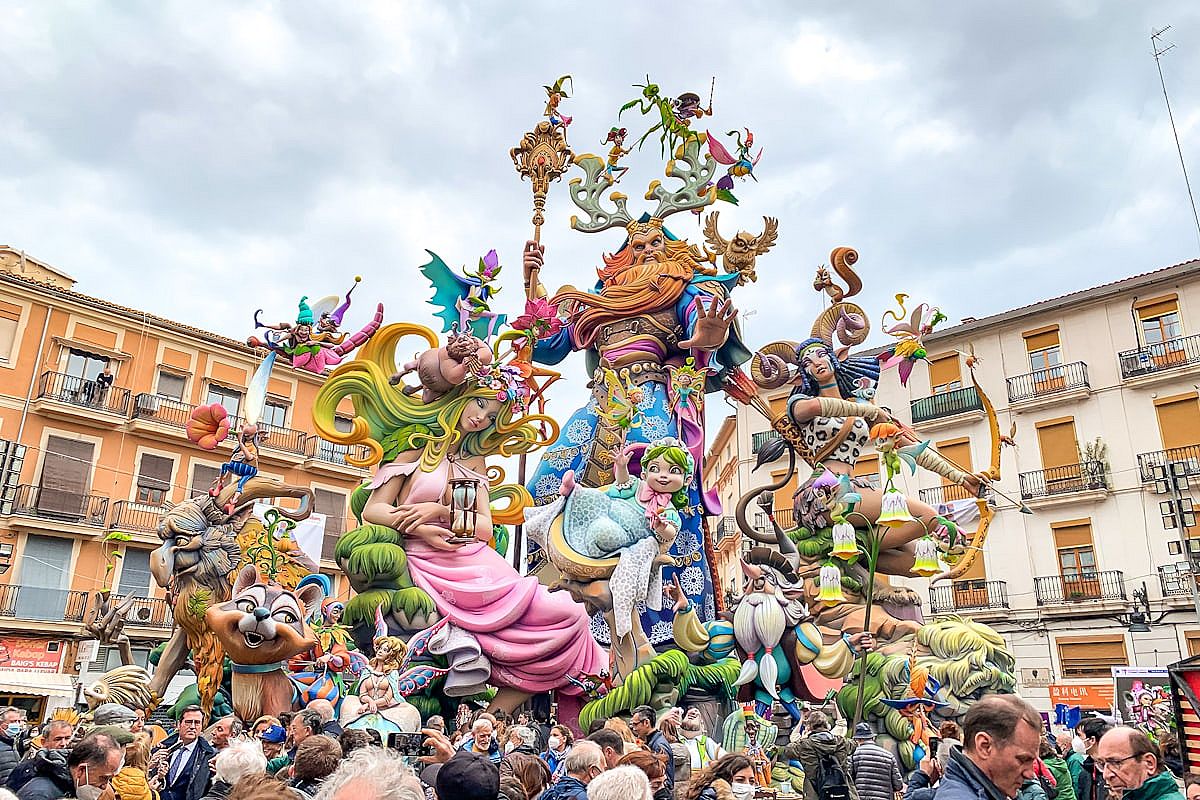
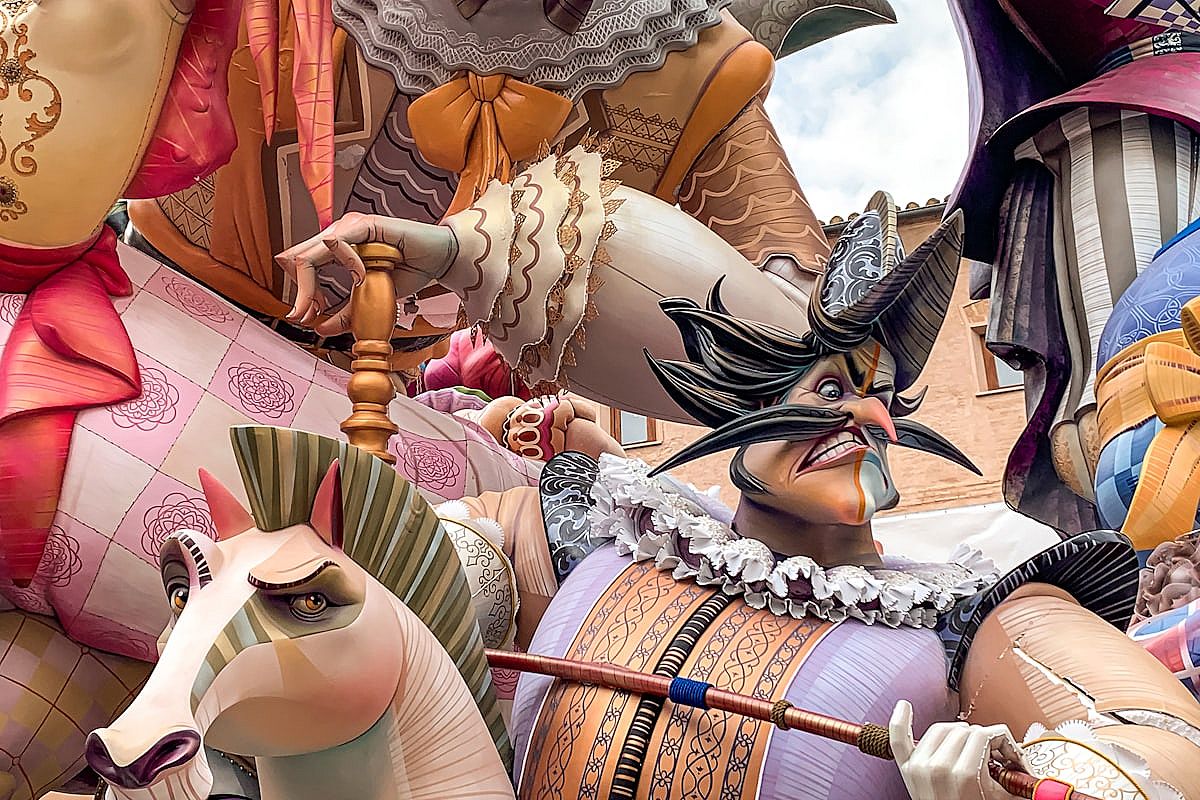
Fallas (singular: falla) are enormous papier-mâché and polystyrene sculptures — often multi-story tall — erected in neighbourhoods throughout Valencia. Each is created by a fallera commission (neighbourhood association) and typically depicts satirical scenes mocking politicians, celebrities, or social issues, often with black humour and sharp wit.
There are over 760 fallas installed across Valencia, ranging from neighbourhood monuments to the spectacular Falla Municipal in the city centre — the most prestigious and expensive, costing hundreds of thousands of euros.
All fallas are burned on the night of 19 March — the cremà — in one of the most dramatic acts of creative destruction in the world.
La Mascletà – Daily Firecracker Concert
Every day from 1–19 March, at exactly 14:00, the city holds a mascletà — an intense, choreographed firecracker display in the Plaza del Ayuntamiento (City Hall Square).
This is not a visual fireworks show — it is a sonic experience. The thunder of thousands of firecrackers creates a rhythmic, escalating wall of sound designed to be felt in your chest as much as heard. Locals consider it an art form.
- Duration: 5–8 minutes
- Best spot: Plaza del Ayuntamiento (arrive 30–45 min early for a good position)
- Entry: Free
La Ofrenda – Flower Offering to the Virgin
On 17 and 18 March, tens of thousands of falleros and falleras in traditional Valencian costume march through the city centre in a solemn procession, each carrying flowers to the basilica of the Virgen de los Desamparados in Plaza de la Reina.
The flowers are arranged by specialists into a giant floral tapestry covering the façade of the basilica — a breathtaking sight that is assembled live over 48 hours.
- When: 17 March from 17:00; 18 March from 09:00
- Duration: The procession runs all day and night
- Cost: Free to watch
La Cremà – The Burning Night (19 March)
The cremà is the festival's climactic finale. On the night of 19 March (St Joseph's Day), all fallas across the city are set ablaze simultaneously — starting with the smaller neighbourhood sculptures at 22:00, and culminating with the massive Falla Municipal at midnight.
What to expect:
- Intense heat and orange glow visible across the city
- Firefighters strategically positioned to protect nearby buildings
- Emotional scenes as falleros watch months of work burn away
- Spontaneous crowds cheering and clapping
The falla that received the highest marks from judges is exempted from burning — the ninot indultat — and displayed permanently in the Fallas Museum.
Traditional Costume & Culture
Falleras (women) wear elaborate 18th-century Valencian dress: silk brocade dresses, elaborate hair arrangements with combs and flowers, and traditional jewellery. Falleros (men) wear white shirts, sashes, and knee-length breeches. The costumes can cost €2,000–€10,000+ and are worn with great pride.
Key Events Calendar
| Date | Event |
|---|---|
| 1 March | Festival opens, first mascletà |
| 1–14 March | Daily mascletà at 14:00, fallas planted |
| 15 March | Falla plantà (installation) complete |
| 16 March | Special mascletà + night fireworks |
| 17–18 March | La Ofrenda – flower offering procession |
| 18 March | Nit del Foc – spectacular fireworks display |
| 19 March | La Cremà – all fallas burned at night |
Where to Stay
Valencia offers a wide range of accommodation:
- City centre / El Carmen neighbourhood – closest to the action
- Ruzafa – trendy neighbourhood, great restaurants and bars
- Near the beach (Malvarrosa) – quieter, 15 min by tram
Book at least 3–4 months ahead — Las Fallas is one of the busiest events in Spain.
Weather in Valencia in March
- Average temperature: 14–19°C
- Chance of rain: low to moderate
- Evenings can be cool — bring a jacket for night events
More to Do During Las Fallas
- Paella contests – Valencia's signature dish, cooked in massive communal pans
- Vermouth (vermut) – the classic pre-lunch drink in local bars
- Fallas Museum – year-round exhibit of past winning ninots (saved from burning)
- Bullfights – traditional corridas during festival week
- Street concerts and open-air stages – free music throughout the city
Gallery

Video
History & Origins
Las Fallas grew out of a much smaller, practical custom among Valencia's carpenters. Through the winter, workshops used wooden planks called parots to prop up their oil lamps for light while they worked; when spring arrived and the days grew longer, the parots were no longer needed. Carpenters piled them up in the street along with wood shavings and other rubbish accumulated over the season and burned them in a bonfire outside their workshops — a literal spring cleaning, timed to 19 March, the feast day of Saint Joseph, patron saint of carpenters.
Over the 18th and 19th centuries the custom picked up a satirical streak: neighbours began dressing the discarded planks in old clothes to resemble recognisable local figures — a nagging neighbour, an unpopular official — turning the bonfire into a piece of street theatre poking fun at the past year's gossip and grievances. By the early 20th century these figures, known as ninots, had grown from dressed-up junk into elaborate constructed scenes, built by professional artists and financed by neighbourhood associations (casals fallers) that competed for the sharpest joke and, eventually, cash prizes judged by the city.
The tradition kept its core structure through the 20th century even as the fallas themselves grew from single figures into towering, multi-storey sculptural scenes costing hundreds of thousands of euros, and the surrounding programme expanded to include the daily mascletà, the flower offering to the Virgen de los Desamparados, and city-wide fireworks. Valencia's Fallas were inscribed on UNESCO's Representative List of the Intangible Cultural Heritage of Humanity in 2016 — recognition of a custom that, at its heart, is still the same act practised by Valencia's carpenters: burning away the old to make room for the new.
What to Expect
Valencia in Fallas week runs on adrenaline and very little sleep. Expect the ground to shake — literally — at 14:00 every day as the mascletà detonates in Plaza del Ayuntamiento, and expect fireworks most nights, since the daytime mascletà is only the warm-up for the far larger night-time castillos and the spectacular Nit del Foc on 18 March. The city smells of gunpowder, frying churros and paella cooked outdoors in giant pans; brass bands and firecracker strings (trakas) go off in the streets at almost any hour, thrown by children as much as adults. Falleras in elaborate silk dresses and falleros in traditional breeches are a constant sight, not a special appearance — most neighbourhood associations parade in costume daily during the festival. Pack earplugs if loud, sudden noise bothers you: between the mascletà, the trakas and the nightly fireworks, Fallas is one of the loudest festivals in Spain, and the noise does not let up until the final fallas burn on the night of the 19th.
How to Get There
By air: Valencia Airport (VLC) is 8km from the city with flights from across Europe.
By train (AVE): High-speed trains from Madrid (1h 40min), Barcelona (3h), Seville (3.5h).
By bus: Regular connections from Madrid (4h), Barcelona (4h), and other Spanish cities.
Tips & Advice
Is Las Fallas dangerous? The burning events are managed by the fire department. The main risks are noise-related (hearing protection is recommended for children near the mascletà) and general crowd safety.
Why are the sculptures burned? Burning is a symbol of purification and renewal — the old makes way for the new. The tradition has roots in craftsmen burning their workshop scraps on St Joseph's Day (the patron saint of carpenters).
Is Las Fallas a UNESCO event? Yes. Las Fallas was inscribed on the UNESCO Intangible Cultural Heritage list in 2016.
Plan Your Trip
Book accommodation and transport for this festival. Get the best deals on hotels and train tickets.
This page contains affiliate links. We may earn a commission at no extra cost to you.
 June
June
Noche de San Juan
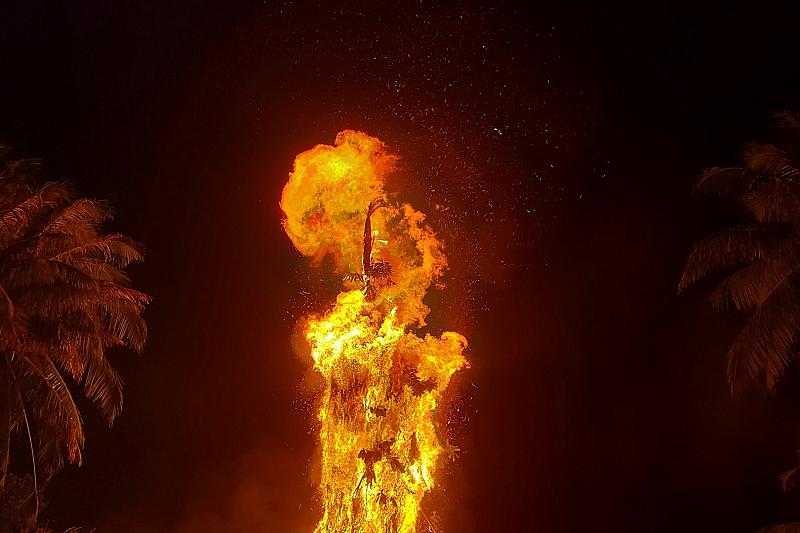
Noche de San Juan (St. John's Eve) is Spain's most magical night. On 23 June, beaches and towns across the country light up with bonfires as millions of Spaniards celebrate the summer solstice with fire, sea, and ancient rituals. It's one of those rare festivals that unites the entire country in celebration.
 July
July
Benicàssim Festival (FIB)
FIB Benicàssim is one of Spain’s best-known summer music festivals, usually held in July in Benicàssim (Castellón), featuring international indie, pop, electronic, and alternative artists.
 July
July
Festival Internacional de Benicàssim (FIB)
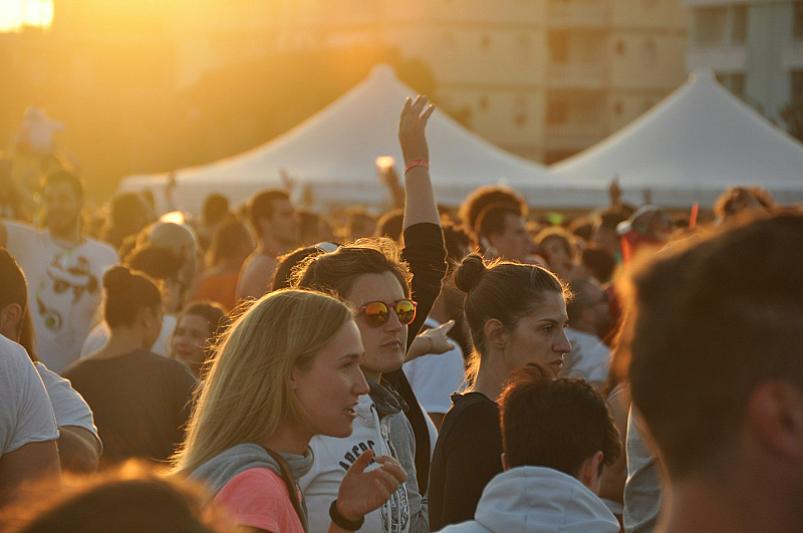
The Festival Internacional de Benicàssim (FIB) is one of Europe's most iconic music festivals. Set on the Mediterranean coast between Valencia and Barcelona, it combines four days of world-class indie, rock, and electronic music with sun, sea, and a legendary party atmosphere.
 July
July
Moros y Cristianos de Villajoyosa
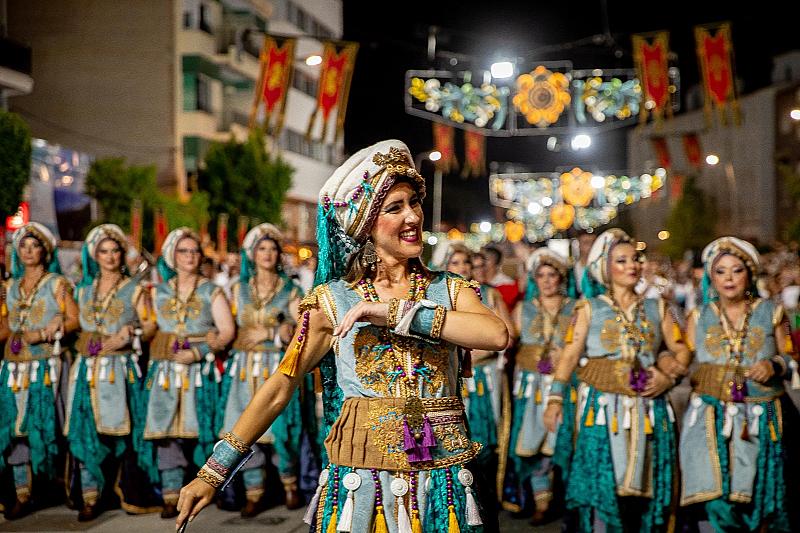
Villajoyosa's Moros y Cristianos features one of Spain's most spectacular beach landings — Moorish troops arrive by sea and storm the beach in a dramatic re-enactment of medieval battles.