Moros y Cristianos
The Moros y Cristianos (Moors and Christians) festivals are among Spain's most visually spectacular celebrations — elaborate historical re-enactments of the medieval battles between Christian and Muslim forces, performed with extraordinary costumes, gunpowder, music, and drama across dozens of cities and towns, primarily in the Valencia region and Andalusia.
Highlights
Spain's Reconquista lasted nearly 800 years and shaped the entire Iberian Peninsula. The Moros y Cristianos festivals are the most theatrical, colourful, and sonically overwhelming way to experience that history. To stand on the street in Alcoy as hundreds of arquebusiers fire simultaneously and costumed warriors parade past in impossible splendour is to feel history — loudly, vividly, unforgettably.
Key Festivals & Dates 2027
| City | Festival Dates | Region |
|---|---|---|
| Alcoy (Alcoi) | 22–24 April 2027 | Valencia |
| Villena | 5–9 September 2027 | Alicante |
| Denia | 14–18 August 2027 | Alicante |
| Ontinyent | 27 Aug – 1 Sept 2027 | Valencia |
| Bocairent | 1–6 February 2027 | Valencia |
| Elche (Elx) | 27–31 October 2027 | Alicante |
| Benidorm | October 2027 | Alicante |
Each town has its own unique version — check local town hall websites for exact dates.
Alcoy – The Most Famous Moros y Cristianos
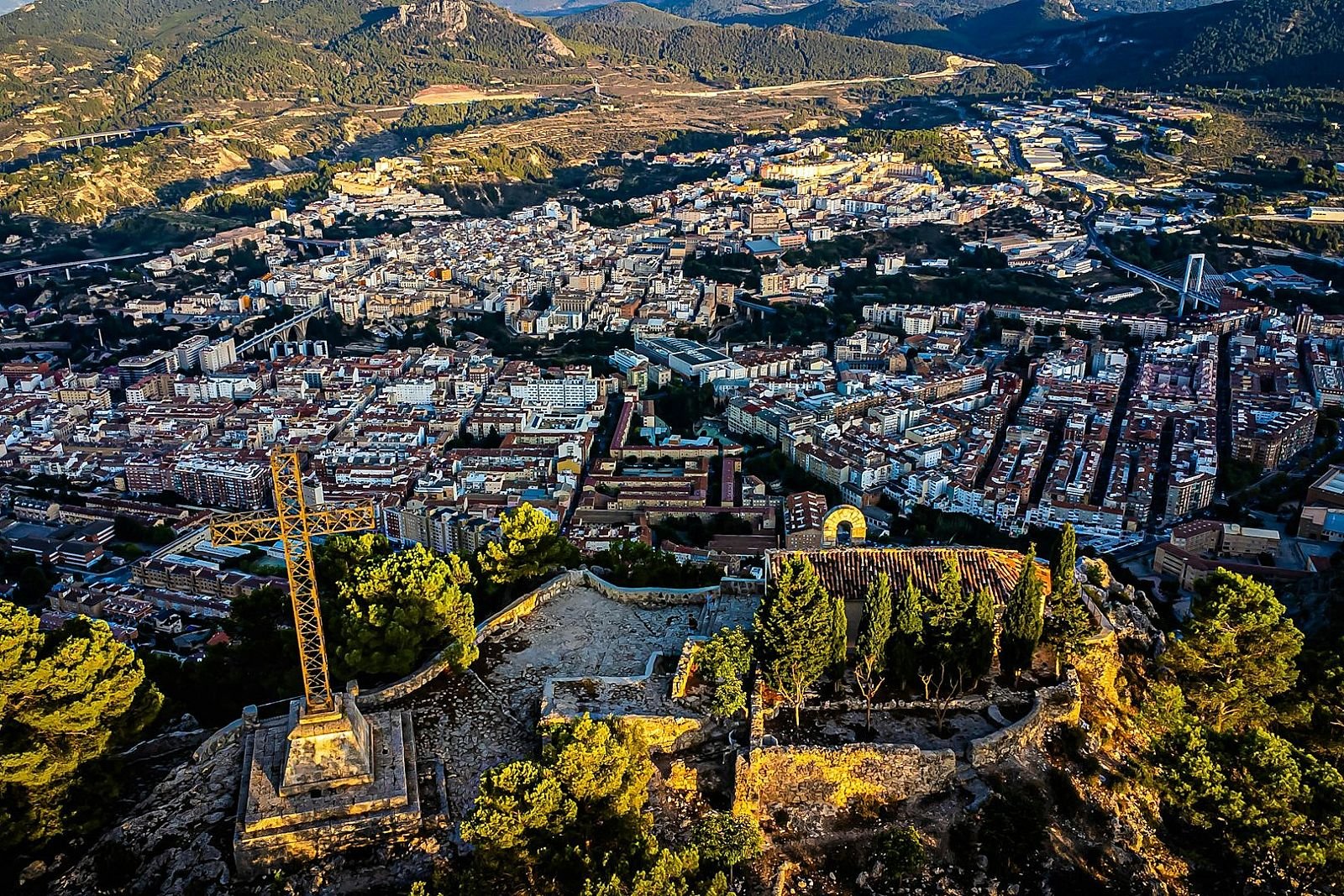
Alcoy (Alcoi) is home to the world's most famous Moros y Cristianos festival — also the oldest, dating back to 1276, just 28 years after the Christian reconquest of the city. It is designated a Festival of International Tourist Interest.
Alcoy Programme 2027
| Event | Date | Time |
|---|---|---|
| Entry of the Christian troops | 22 April (Wednesday) | 11:00 |
| Entry of the Moorish troops | 23 April (Thursday) | 11:00 |
| Battles in the castle square | 24 April (Friday) | Morning |
| Appearance of St George (Sant Jordi) | 24 April | Afternoon |
| Final Christian victory | 24 April | Afternoon |
The centrepiece of Alcoy's festival is the dramatic appearance of Sant Jordi (St George) — the city's patron — riding a white horse to secure Christian victory. This miraculous apparition is greeted with deafening gunfire salutes.
The Gunpowder – Arcabucería
One of the most distinctive features of Moros y Cristianos is the arcabucería — the firing of antique replica muskets and cannons by costumed participants throughout the parades. The thunder of hundreds of simultaneous shots, clouds of black powder smoke, and the smell of gunpowder transform the festival into a full sensory assault.
Ear protection is strongly recommended for sensitive visitors and children.
The Music
Each filaeta marches to its own musical ensemble. The soundtrack of Moros y Cristianos is a unique genre: march music composed specifically for the festivals, featuring brass bands, drums, and the characteristic Marcha Mora (Moorish March) — a distinctive musical style created for these celebrations.
The Castle
At the centre of the festival grounds stands a temporary castle — constructed for the occasion — which changes hands between Moors and Christians during the staged battles. The castle represents both the historical forts fought over during the Reconquista and the symbolic heart of the community's identity.
Where to Stay
Alcoy has limited hotel options. Many visitors stay in:
- Alicante city (60km) — excellent hotel selection, easy bus connection
- Valencia (110km) — train/bus and good connections
- Alcoy itself — book months in advance for festival dates
Weather in Alcoy in April
- Average temperature: 14–20°C
- Some chance of rain in April
- Bring layers — the mountain location can be cool
Other Notable Moros y Cristianos Festivals
Villena (September): One of the largest and most lavish, with over 10,000 participants and internationally acclaimed costumes.
Denia (August): Famous for the dramatic coastal parade and the Desembarco — a spectacular re-enactment of the Moorish landing from the sea.
Bocairent (February): The most winter festival, known for its spectacular gunpowder displays in the ancient village streets.
Gallery
Video
What to Expect
The costumes at Moros y Cristianos festivals are extraordinary works of art — elaborate, richly embroidered garments representing idealised versions of medieval Moorish and Christian warriors, nobles, and attendants.
Each filaeta (local brigade) has its own distinctive colour scheme, design, and budget (some costumes cost thousands of euros). Both the Moorish and Christian sides wear equally spectacular — and competitive — outfits.
How to Get There
By bus: The most practical option. Regular buses from Valencia (1.5h), Alicante (1h).
By car: A-7 motorway from Valencia or Alicante.
By train: The nearest main train stations are Valencia and Alicante; local bus connections to Alcoy from both.
Tips & Advice
How many Moros y Cristianos festivals are there in Spain? Over 200 municipalities hold Moros y Cristianos festivals, primarily in the Valencia region and Murcia, with some in Andalusia and other regions.
Which side wins — Moors or Christians? By historical script, the Christians always win — reflecting the outcome of the Reconquista. However, both sides are celebrated equally in terms of costume quality, musical performance, and civic pride.
Is the festival offensive to Muslims? This is debated. In modern Spain, the festivals are understood as historical theatre rather than religious provocation. Many Muslims participate in the Moorish side as a celebration of Iberian cultural heritage.
Plan Your Trip
Book accommodation and transport for this festival. Get the best deals on hotels and train tickets.
This page contains affiliate links. We may earn a commission at no extra cost to you.
 June
June
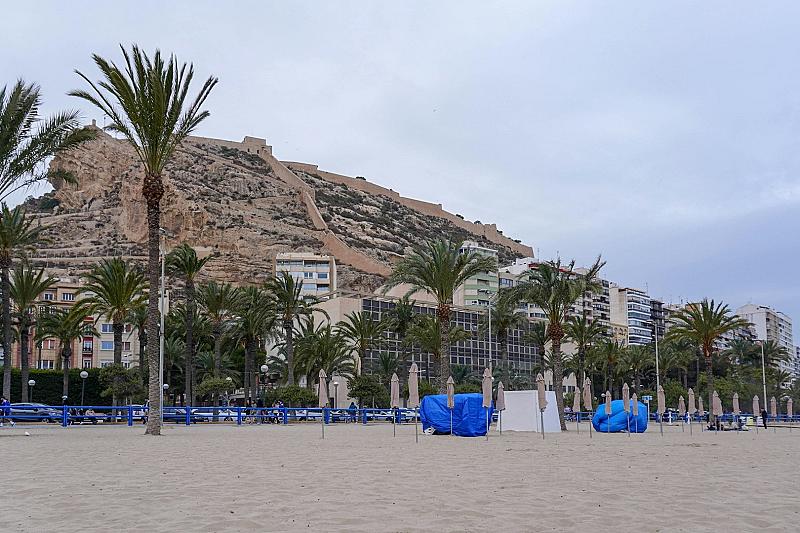
Hogueras de San Juan Alicante
The Hogueras de San Juan (Fogueres de Sant Joan in Valencian) is Alicante's answer to Valencia's Fallas — and it's every bit as spectacular. Each June, the city fills with enormous artistic monuments (hogueras) that are paraded, admired and ultimately burned to ashes on the magical Noche de San Juan. With daily fireworks, parades, bonfires on the beach and the deafening mascletà at noon, it's a festival of fire, art and Mediterranean joy. Declared a Festival of International Tourist Interest.
 June
June
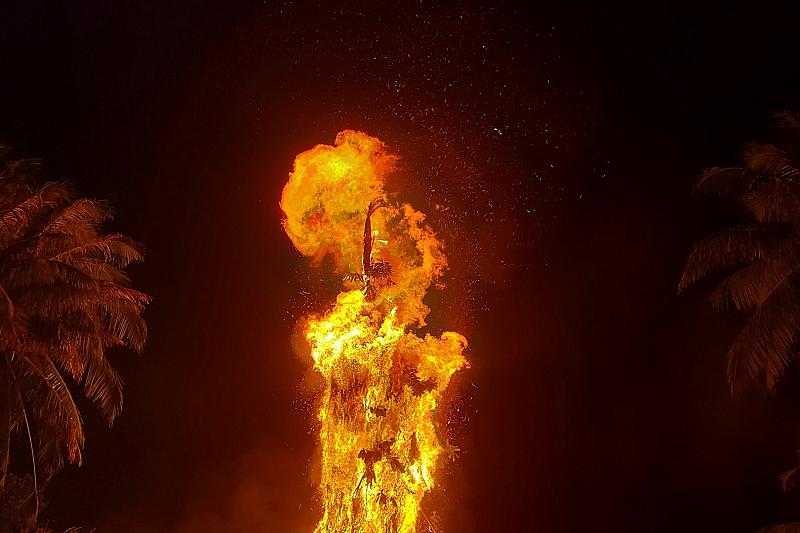
Noche de San Juan
Noche de San Juan (St. John's Eve) is Spain's most magical night. On 23 June, beaches and towns across the country light up with bonfires as millions of Spaniards celebrate the summer solstice with fire, sea, and ancient rituals. It's one of those rare festivals that unites the entire country in celebration.
 July
July
Festival Internacional de Benicàssim (FIB)
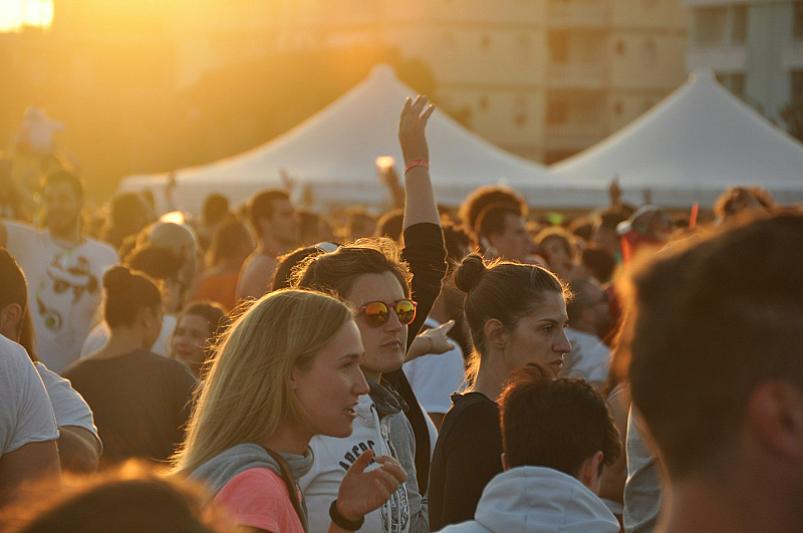
The Festival Internacional de Benicàssim (FIB) is one of Europe's most iconic music festivals. Set on the Mediterranean coast between Valencia and Barcelona, it combines four days of world-class indie, rock, and electronic music with sun, sea, and a legendary party atmosphere.
 March
March
Las Fallas
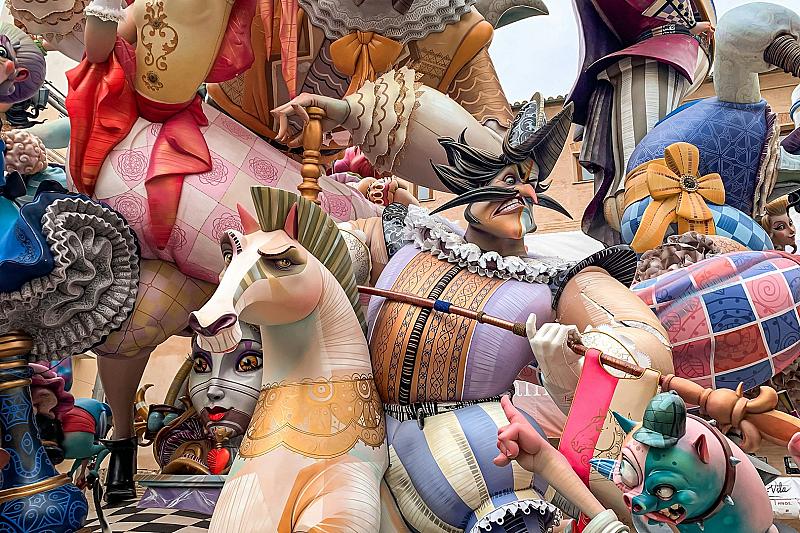
Las Fallas is one of Spain's most spectacular and UNESCO-recognised festivals — a stunning combination of art, fire, music, and Valencian pride. Every March, the city of Valencia fills its streets with hundreds of enormous satirical sculptures (fallas), only to burn them all to the ground in a magnificent midnight inferno on the final night.