Els Enfarinats
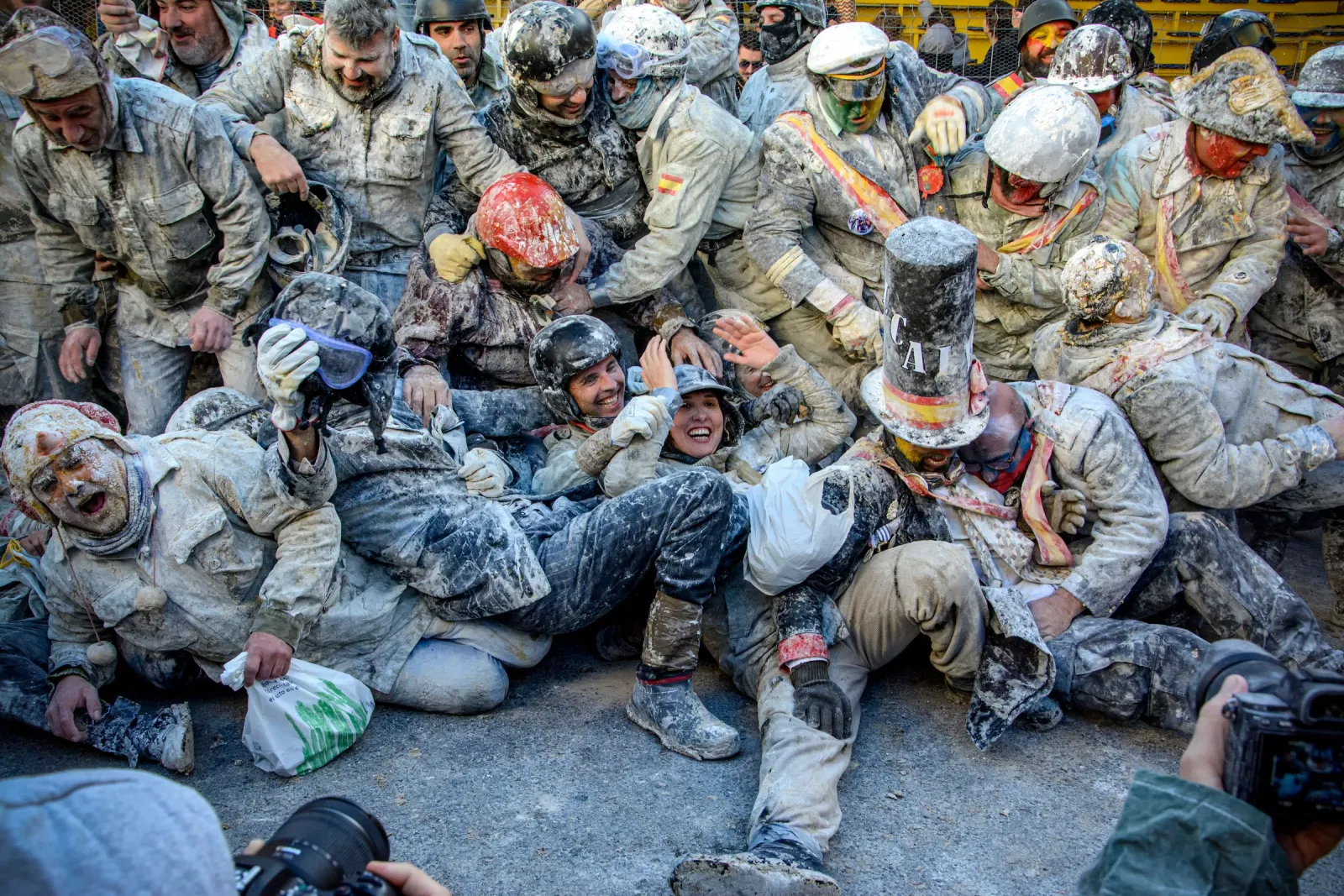
On Monday 28 December 2026, Ibi’s mock government of Els Enfarinats takes symbolic control for Holy Innocents’ Day. Expect flour, eggs and pyrotechnics around the church square, charitable fines in local businesses, and traditional dances; the detailed 2026 timetable is still pending.
The days that matter
-
28 Dec early
The takeover
The Enfarinats' mock government takes over from the town council and starts passing absurd laws and charity fines.
-
28 Dec
Flour battle
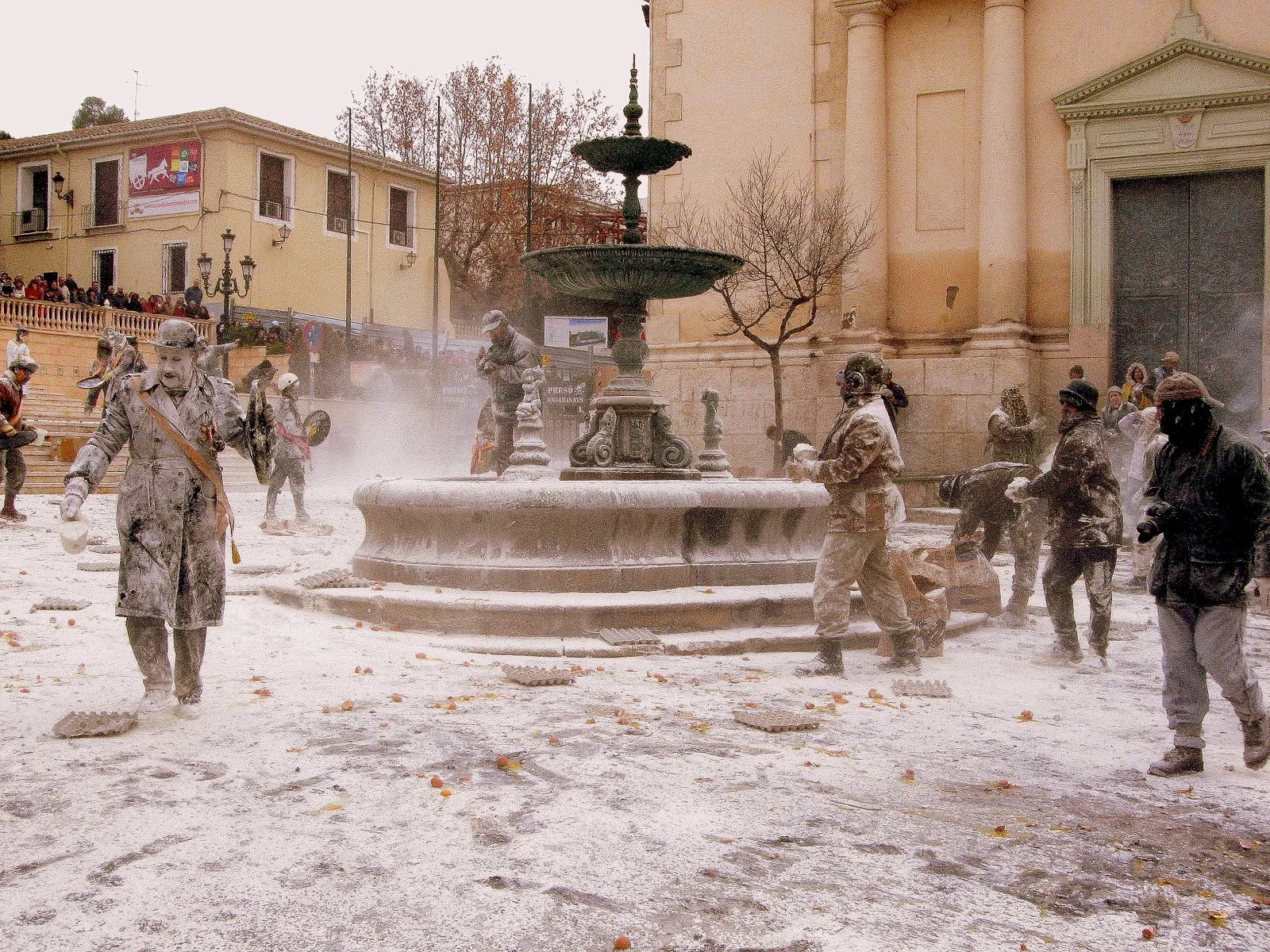
The Enfarinats and the Opposition clash with flour, eggs and pyrotechnics in central Ibi.
What Els Enfarinats is like
- Messy
- Loud
- Free
- Noise
- Firecrackers go off in the middle of the battle.
- Fire
- Pyrotechnics in the battle zone carry real burn risks.
- Crowds
- The action takes over central streets; watch from marked areas.
- Mess
- Flour and eggs fly; wear old clothes even at the edge.
- With kids
- Smoke, bangs and flying eggs; small ones are better at calmer events.
Highlights
Confirmed annual date: 28 December, Holy Innocents' Day
Symbolic takeover of Ibi by the mock government of Els Enfarinats
Flour, egg and pyrotechnic confrontation with the Opposition
Charitable collection and traditional dances within Ibi's wider winter festivities
Els Enfarinats 2026: confirmed calendar date
Ibi Town Council describes Els Enfarinats as the defining event of the town's winter festivities on 28 December, Holy Innocents' Day. In 2026 that falls on Monday 28 December. The council's official visitor page confirms the established date and format, but a separate detailed 2026 programme has not yet been verified. Check later municipal updates before travelling for exact times and any access restrictions.
What the tradition involves
The day stages a symbolic transfer of power from the real town council to the mock government of Els Enfarinats. The group and its opposition enact absurd laws, collect charitable fines and confront one another with flour, eggs and pyrotechnics around central Ibi. The official account also places traditional dances and masked Tapats within the wider winter celebration. These are established elements of the tradition; the exact 2026 sequence should come from the current municipal programme.
Gallery
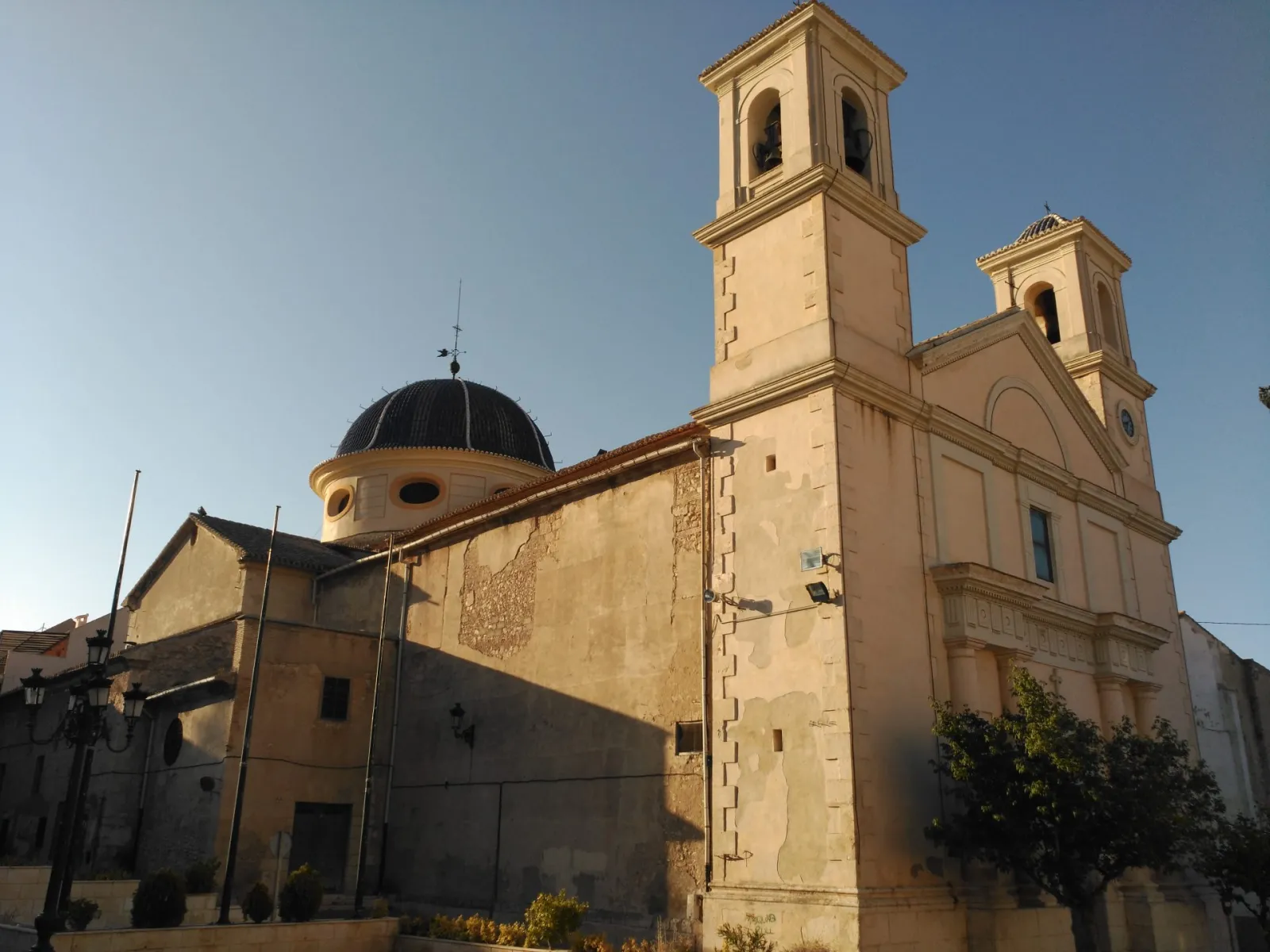
What to Expect
Treat 28 December as the confirmed date and wait for Ibi's current programme before fixing arrival times. The symbolic takeover begins early in the day and the best-known confrontation occupies central streets, but pyrotechnics, flour and eggs make the active zone unsuitable for casual participation. Watch from the areas indicated by organisers, obey barriers and do not assume that an earlier edition's route or timing will repeat unchanged.
How to Get There
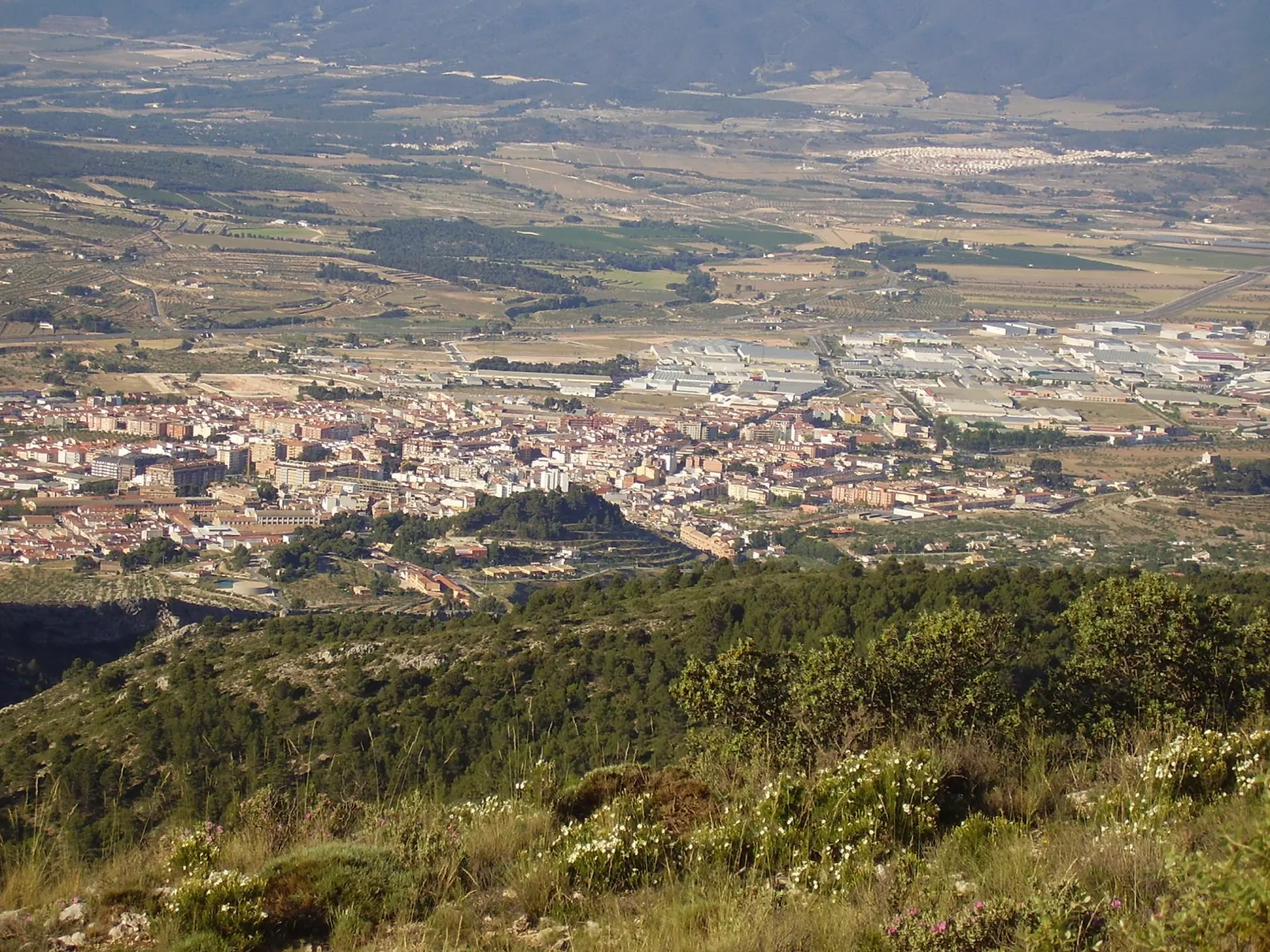
Ibi is 40km inland from Alicante. Best reached by car via the A-7 motorway. Limited bus services from Alicante and Alcoy. The nearest airport is Alicante-Elche (50km). Nearest train station is Alicante.
Tips & Advice
- Check the Ibi Town Council visitor page and later municipal announcements for the 2026 timetable.
- Stay outside the marked action area unless organisers explicitly allow access; flour, eggs and pyrotechnics create visibility, breathing and burn risks.
- Wear old, closed clothing and protect eyes, phone and camera even when watching from the edge.
- Follow police and steward instructions, especially around the church square and any pyrotechnic zone.
- Use the quieter parts of Ibi's winter festivities if travelling with small children or anyone sensitive to smoke and loud noise.
Photos: Ana Hidalgo Burgos / Pexels; Fotógrafo Ibi / CC BY-SA 4.0 / Wikimedia Commons; Javiertrad / CC BY-SA 3.0 / Wikimedia Commons; Javiertrad / CC BY-SA 4.0 / Wikimedia Commons; John Doe / CC BY-SA 4.0 / Wikimedia Commons
Las Fallas
Valencia, ValenciaLas Fallas is one of Spain's most spectacular and UNESCO-recognised festivals — a stunning combination of art, fire, music, and Valencian pride. Every March, the city of Valencia fills its streets with hundreds of enormous satirical sculptures (fallas), only to burn them all to the ground in a magnificent midnight inferno on the final night.
Noche de San Juan
Alicante, ValenciaNoche de San Juan (St. John's Eve) is Spain's most magical night. On 23 June, beaches and towns across the country light up with bonfires as millions of Spaniards celebrate the summer solstice with fire, sea, and ancient rituals. It's one of those rare festivals that unites the entire country in celebration.
Moros y Cristianos
Alcoy, ValenciaThe Moros y Cristianos (Moors and Christians) festivals are among Spain's most visually spectacular celebrations — elaborate historical re-enactments of the medieval battles between Christian and Muslim forces, performed with extraordinary costumes, gunpowder, music, and drama across dozens of cities and towns, primarily in the Valencia region and Andalusia.
Hogueras de San Juan Alicante
Alicante, ValenciaThe Hogueras de San Juan (Fogueres de Sant Joan in Valencian) is Alicante's answer to Valencia's Fallas — and it's every bit as spectacular. Each June, the city fills with enormous artistic monuments (hogueras) that are paraded, admired and ultimately burned to ashes on the magical Noche de San Juan. With daily fireworks, parades, bonfires on the beach and the deafening mascletà at noon, it's a festival of fire, art and Mediterranean joy. Declared a Festival of International Tourist Interest.