Fiestas de la Magdalena
Castellón's founding festival celebrates the city's move from the hilltop Magdalena hermitage to the plain in 1251 with 10 days of processions, fireworks and gaiatas (illuminated floats).
Highlights
- Gaiatas parade — illuminated floats competing for best design
- Romería de les Canyes — pilgrimage to the Magdalena hermitage
- Nightly fireworks from Ribalta Park
- La Tronà — massive daytime firecracker display
- Pregón opening ceremony with music and pyrotechnics
The Fiestas de la Magdalena are Castellón de la Plana's most important celebration, declared a Festival of International Tourist Interest. They commemorate the legendary descent of the city's inhabitants from the hilltop castle of Fadrell to the fertile plains in 1251, guided by a light at the Magdalena hermitage.
The festivities span 10 days beginning the third Saturday of Lent, featuring the spectacular Pregón (opening ceremony), nightly fireworks, and the iconic Gaiatas — enormous illuminated structures that parade through the streets, each representing one of the city's districts.
The emotional climax is the Romería de les Canyes, a mass pilgrimage to the Magdalena hermitage where thousands of Castellonenses walk carrying decorated canes, recreating the historic descent. The festival also includes bullfighting, concerts, and the traditional 'tronà' — a thunderous daytime firework display.
Gallery
History & Origins
The Fiestas de la Magdalena trace their origins to 1375, when the city began celebrating the founding of Castellón on the plain. According to legend, King James I of Aragon granted the people of the hilltop castle permission to move down to the more fertile lowlands in 1251. A mysterious light at the Magdalena hermitage guided their path.
The modern festival format with Gaiatas dates from the 1940s. In 2010, the festival was declared of International Tourist Interest, Spain's highest festival distinction.
What to Expect
Expect a lively, family-friendly atmosphere with constant activity from morning until late at night. The streets fill with decorated Gaiatas, music stages, and food stalls serving local specialities like 'tombet' and 'arnadí'.
The Romería is a deeply emotional event — wear comfortable walking shoes and join the crowds walking to the hermitage. Nights are dominated by spectacular fireworks displays.
How to Get There
Castellón de la Plana is well-connected by train and road. High-speed AVE trains run from Madrid (3.5h) and frequent Renfe services connect from Valencia (1h) and Barcelona (3h). The city has its own small airport with seasonal flights, though Valencia Airport (70km) offers more options.
Tips & Advice
- Book accommodation well in advance — hotels fill up fast during the festival
- Wear comfortable shoes for the Romería (several kilometres on foot)
- Bring earplugs for la Tronà — the noise is extreme
- Try the local gastronomy: 'arnadí', 'tombet' and 'fideuà'
- Arrive early for the Gaiatas parade to secure a good viewing spot
Plan Your Trip
Book accommodation and transport for this festival. Get the best deals on hotels and train tickets.
This page contains affiliate links. We may earn a commission at no extra cost to you.
Feria de Todos los Santos
A 680-year-old agricultural and livestock fair in Cocentaina, Valencia, drawing hundreds of thousands of visitors around All Saints' Day.
 July
July
Moros y Cristianos de Villajoyosa
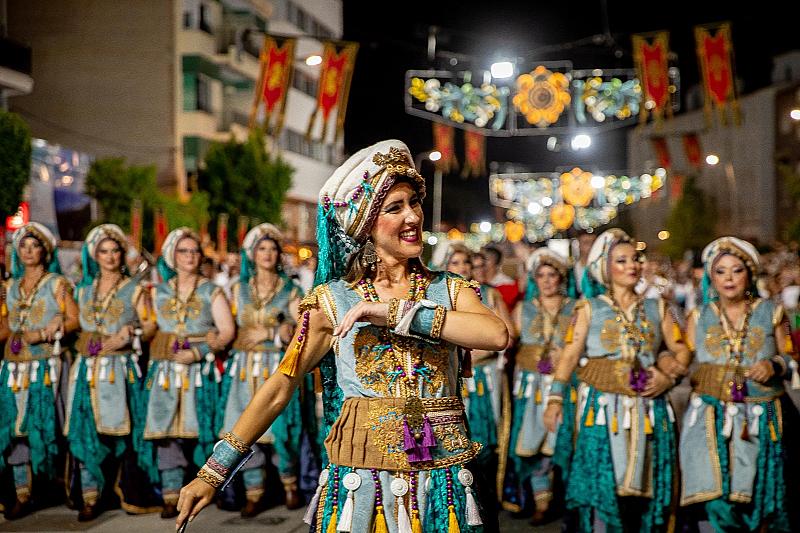
Villajoyosa's Moros y Cristianos features one of Spain's most spectacular beach landings — Moorish troops arrive by sea and storm the beach in a dramatic re-enactment of medieval battles.
 August
Misteri d'Elx (Mystery of Elche)
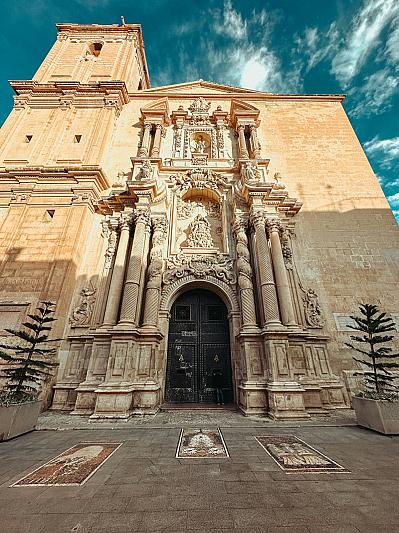
The Misteri d'Elx is a medieval liturgical drama depicting the Assumption of the Virgin Mary, performed entirely in verse and song inside the Basilica of Santa María. UNESCO declared it a Masterpiece of the Oral and Intangible Heritage of Humanity in 2001 — it has been performed uninterrupted since the 15th century.
Els Enfarinats
Every December 28th (Holy Innocents' Day), the town of Ibi erupts into a massive flour, egg and firecracker battle as mock revolutionaries 'seize power' in this 200-year-old tradition.