La Tomatina
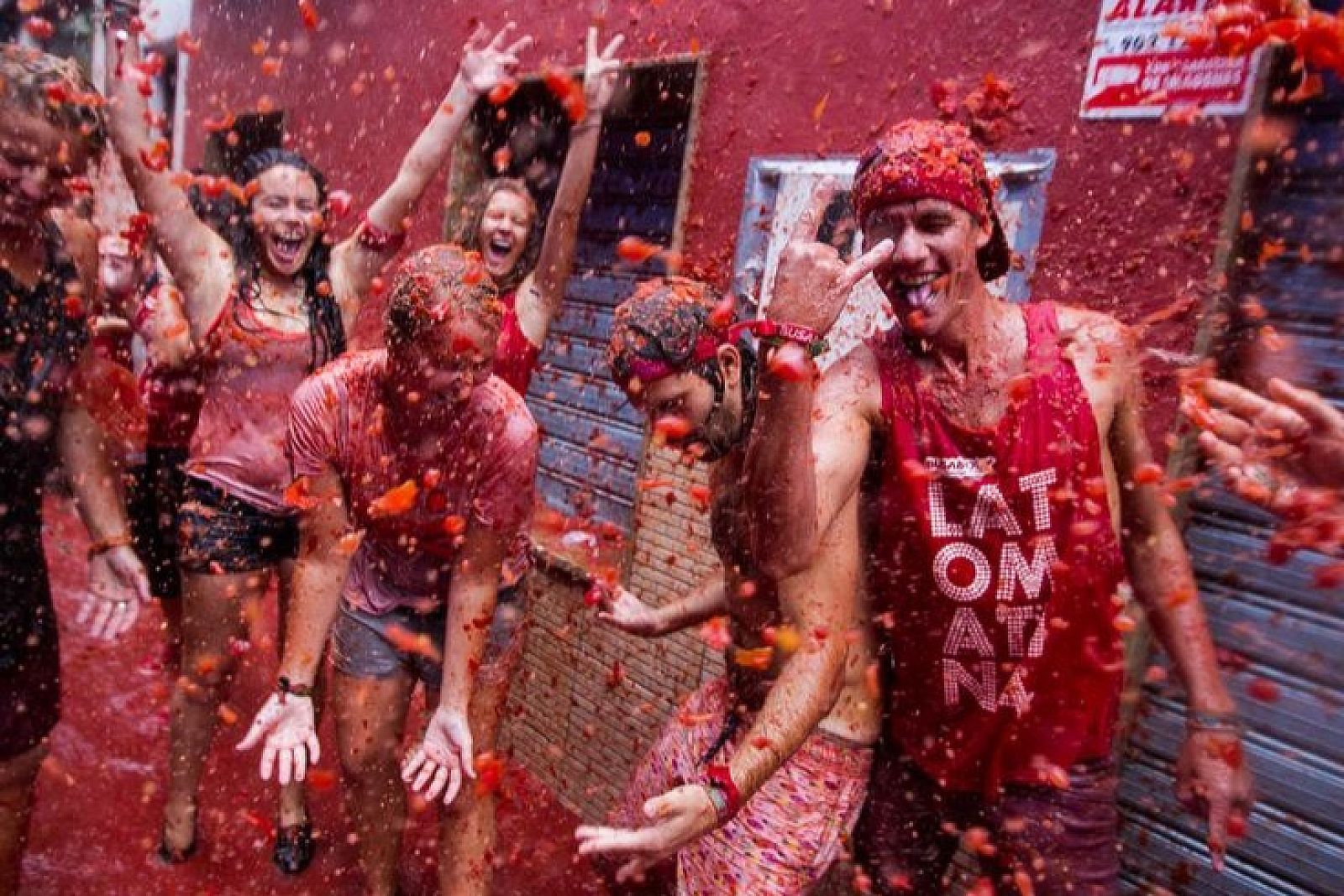
La Tomatina is one of the most unique and exhilarating festivals in the world. Every year, on the last Wednesday of August, the small town of Buñol, near Valencia, transforms into a battlefield of ripe tomatoes — and tens of thousands of visitors come from every corner of the globe to join the fun.
Highlights
La Tomatina is more than just a tomato fight — it's a celebration of joy, community, and the Spanish spirit of letting loose. Whether you're a solo traveller, a couple, or a group of friends, there is nothing quite like the moment the first cannon fires and 20,000 people explode into tomato-fuelled chaos. It is messy, joyful, and completely unforgettable.
Date & Schedule
| Detail | Info |
|---|---|
| Date 2026 | Wednesday, 27 August 2026 |
| Tomato fight | 11:00 – 13:00 (local time) |
| Gates open | From 09:00 |
| Duration of the fight | Approximately 1 hour |
| Location | Buñol, Valencia, Spain |
The official tomato fight lasts exactly one hour, signalled by water cannons fired at the start and end. As soon as the second cannon fires, throwing must stop immediately.
Location
Buñol is a small town of about 9,000 inhabitants located 38 km west of Valencia. During La Tomatina, the town's population swells to over 20,000 participants.
The battle takes place in the main street, Calle del Colegio, and the surrounding plaza. The streets are deliberately kept narrow to maximise the chaos and excitement.
Tickets & How to Buy
Since 2013, La Tomatina requires an official ticket. Only 20,000 tickets are sold per year to control crowd safety.
- Price: approx. €12–€18 per person (varies by seller)
- Buy tickets: Through official authorised resellers or the Buñol town council website
- Sell-out warning: Tickets typically sell out months in advance — buy early!
Some travel agencies offer all-inclusive packages from Valencia (transport + ticket + guided experience), which can be a convenient option for first-timers.
Festival Rules
- Squash tomatoes before throwing — whole hard tomatoes can hurt
- Do not tear other participants' clothes
- Stop immediately when the second cannon fires
- No bottles or hard objects allowed in the tomato zone
- Water pistols and other objects are prohibited
Weather in Buñol in August
August in Buñol is hot and sunny:
- Average temperature: 31–35°C
- Rain: Very unlikely
- Sunscreen is essential even with tomato coverage!
Where to Stay
There is limited accommodation in Buñol itself. Most visitors stay in Valencia city and travel on the day:
- Valencia – widest range of hotels and hostels (recommended)
- Chiva / Cheste – small towns near Buñol with some guesthouses
Book accommodation at least 3–4 months in advance — Valencia fills up around La Tomatina week.
Planning a La Tomatina visit
La Tomatina is a controlled, ticketed event rather than an informal street party. Confirm the current admission rules, collection procedure and access points through official channels before travelling to Buñol. Do not assume that arrangements from an earlier edition still apply. Build the trip around the festival record's confirmed date, then keep the morning flexible because security checks, crowd controls and temporary street closures affect movement through town.
Arrive with only what you can safely carry in a dense crowd. Wear old clothes, closed shoes with reliable grip and eye protection that will stay in place. A waterproof pouch is useful for a phone and essential documents, but valuable equipment is better left at the accommodation. Tomatoes, water and wet paving make the ground slippery; move steadily, avoid pushing and follow instructions from event staff.
Getting to Buñol and leaving afterwards
Buñol is connected with Valencia, but festival-day demand is very different from an ordinary weekday. Check the special transport plan close to the event and allow time for queues in both directions. Driving into the centre is rarely the simplest option because access and parking may be restricted. If travelling independently, decide in advance where your group will meet if mobile coverage becomes unreliable.
Accommodation in Buñol is limited, so many visitors stay in Valencia or another nearby town. Compare the first outbound connection and the return options before booking a room. A cheaper property is not a saving if it leaves you without practical transport at the required hour. Keep a dry change of clothes and a towel at your accommodation or in an approved storage location rather than carrying a large bag into the event.
Tickets, costs and practical expectations
Separate the official entry price from transport, accommodation, food, storage and any organised excursion. Package tours may simplify transfers and ticket collection, but read exactly what is included. Buy only through the official channel or a clearly authorised operator, and be cautious with resale offers. The event programme and access conditions can change, so recheck them shortly before departure.
The tomato fight is energetic and messy, but normal safety rules still apply. Do not bring glass or hard objects, do not tear other people's clothing and stop throwing when officials end the activity. If you need a quieter experience, enjoy the town atmosphere outside the most crowded zone. Browse the Spain festival calendar to combine the visit with other Valencia events without creating an overly tight itinerary.
La Tomatina FAQ
Can I enter without an official ticket?
Access rules are controlled and may change by edition. Assume that valid official admission is required and verify the current collection and identification requirements before travelling.
What should I take into the event?
Take the minimum: secure eye protection, suitable shoes and a protected phone if necessary. Leave passports, jewellery, cameras and bulky bags in a safe place.
Where should I stay?
Buñol offers the closest base but limited supply. Valencia provides far more accommodation and services, provided the festival-day transport schedule works for your arrival and return.
Before leaving, save the official access information offline and check the local weather. These small preparations make the day easier when transport is busy and mobile networks are under pressure.
Video
History & Origins
La Tomatina originated in 1945 during a parade in Buñol's town square. A group of young men started throwing tomatoes from a nearby vegetable stall at each other during a fight, and the tradition was born. Despite being banned during Franco's dictatorship, the festival was revived and officially recognised in 1980. In 2002, it was declared a Festival of International Tourist Interest by Spain's government.
What to Expect
- Old clothes you don't mind ruining (tomato stains are permanent)
- Goggles to protect your eyes from tomato juice
- Closed-toe shoes or flip-flops you're happy to throw away
- Waterproof bag for your phone and valuables
- Do NOT bring: cameras, bags with straps, watches, or anything valuable
Leave all valuables at your accommodation in Valencia — most hostels and hotels offer luggage storage on the day.
How to Get There
From Valencia:
- Train (Renfe): Direct trains from Valencia Estació del Nord to Buñol. Journey time ~1 hour. Extra trains run on the day of the festival.
- Bus: Organised shuttle buses from Valencia city centre
- Car: A-3 motorway, exit Buñol. Parking is available but limited.
From Madrid:
- High-speed AVE train to Valencia, then local train to Buñol (~3 hours total)
Tips & Advice
Is La Tomatina safe? Yes, when rules are followed. The event is well-organised with medical teams, water hoses for clean-up, and security staff.
Can children participate? Children under 18 are allowed but must be accompanied by a responsible adult. The event can be overwhelming for young children.
What happens after the fight? Fire trucks hose down the streets and participants. Locals open hoses so people can rinse off. Streets are clean within 30 minutes.
Are there other events around La Tomatina? Yes! The week leading up to the fight includes paella cooking contests, concerts, fireworks, and street parties in Buñol.
Plan Your Trip
Book accommodation and transport for this festival. Get the best deals on hotels and train tickets.
This page contains affiliate links. We may earn a commission at no extra cost to you.
 July
July
Moros y Cristianos de Villajoyosa
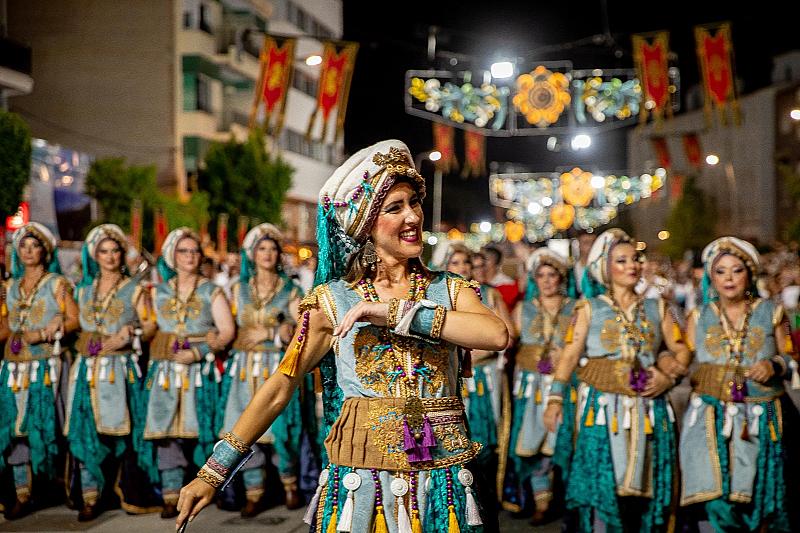
Villajoyosa's Moros y Cristianos features one of Spain's most spectacular beach landings — Moorish troops arrive by sea and storm the beach in a dramatic re-enactment of medieval battles.
Els Enfarinats
Every December 28th (Holy Innocents' Day), the town of Ibi erupts into a massive flour, egg and firecracker battle as mock revolutionaries 'seize power' in this 200-year-old tradition.
 June
June
Hogueras de San Juan Alicante
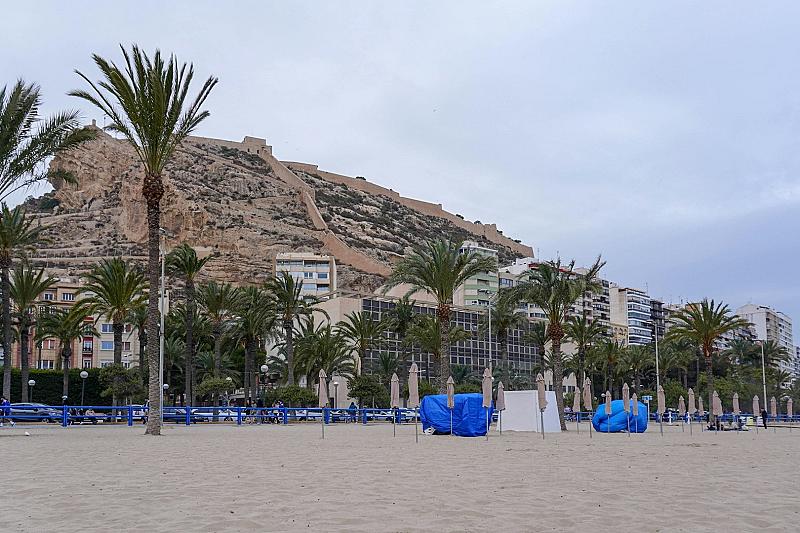
The Hogueras de San Juan (Fogueres de Sant Joan in Valencian) is Alicante's answer to Valencia's Fallas — and it's every bit as spectacular. Each June, the city fills with enormous artistic monuments (hogueras) that are paraded, admired and ultimately burned to ashes on the magical Noche de San Juan. With daily fireworks, parades, bonfires on the beach and the deafening mascletà at noon, it's a festival of fire, art and Mediterranean joy. Declared a Festival of International Tourist Interest.
 July
July
Benicàssim Festival (FIB)
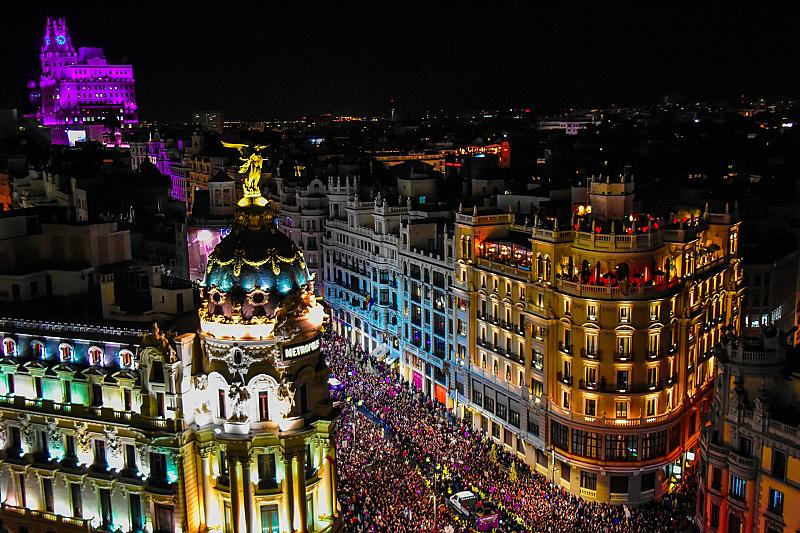
FIB Benicàssim is one of Spain’s best-known summer music festivals, usually held in July in Benicàssim (Castellón), featuring international indie, pop, electronic, and alternative artists.