Where to Stay for Las Fallas Valencia — Neighborhood Guide
Every March, Valencia transforms into a city on fire — literally. Las Fallas (March 15–19) is Spain's most explosive festival, a UNESCO Intangible Cultural Heritage celebration where towering satirical sculptures line every street before being consumed by flames on the final night. Over a million...
Where to Stay for Las Fallas Valencia — Neighborhood Guide
Every March, Valencia transforms into a city on fire — literally. Las Fallas (March 15–19) is Spain's most explosive festival, a UNESCO Intangible Cultural Heritage celebration where towering satirical sculptures line every street before being consumed by flames on the final night. Over a million visitors flood the city for a week of earth-shaking mascletà firecracker displays, all-night street parties, flower offerings, and the legendary cremà — the night the entire city burns.
Choosing where to stay during Las Fallas isn't just about finding a bed. It's a strategic decision that shapes your entire festival experience. Stay too close to the action and you won't sleep for five days. Stay too far and you'll spend half the festival on public transport. This guide breaks down Valencia's best neighborhoods for Las Fallas visitors, so you can find the perfect balance between fiesta and rest.
Valencia: The Stage for Spain's Biggest Fire Festival
Valencia is Spain's third-largest city, but during Fallas it punches well above its weight. The city is compact enough to explore on foot, with a modern metro and bus network connecting its distinct neighborhoods. Over 400 falla monuments are erected across the city — from the grand installations at Plaza del Ayuntamiento to charming smaller pieces tucked into residential squares.
The key events happen in and around the historic center: the daily mascletà at 2:00 PM in Plaza del Ayuntamiento, the Flower Offering (Ofrenda de Flores) procession on March 17–18, and the Nit del Foc midnight fireworks on March 18. The cremà on March 19 is staggered across the city, with neighborhood monuments burning first and the main Plaza del Ayuntamiento sculpture going up last around midnight.
Your proximity to this epicenter — and your tolerance for noise — should guide where you book.
Best Neighborhoods to Stay for Las Fallas
Ciutat Vella (Old Town) — Ground Zero for Las Fallas
Vibe: Historic, grand, and absolutely chaotic during Fallas. This is Valencia's medieval heart, a labyrinth of narrow streets opening onto magnificent plazas, anchored by the Cathedral, the Silk Exchange, and the Central Market.
Distance to key events: You're already there. Plaza del Ayuntamiento — home of the daily mascletà — is the neighborhood's beating heart. The largest and most impressive falla monuments are installed in and around the old town. The Flower Offering procession passes through its streets.
Price range: €150–300+ per night during Fallas week (compared to €60–80 off-season). Expect prices 4–6x higher than normal.
Pros:
Walking distance to every major Fallas event. You'll stumble out of your door into a living festival — monuments on every corner, the smell of gunpowder in the air, impromptu brass bands, and churrerías serving fresh churros at 3 AM. This is the immersive experience.
Cons:
Sleep becomes optional. Ciutat Vella during Fallas is loud around the clock — firecrackers at all hours, music from street parties, crowds that don't thin out until dawn. Streets are packed and navigation is slow. It's the most expensive area to stay, and availability disappears months in advance.
Best for: Festival die-hards who want to live and breathe Las Fallas from start to finish.
El Carmen — The Bohemian Quarter
Vibe: Artsy, edgy, and unapologetically cool. El Carmen sits in the northwestern corner of Ciutat Vella, bounded by the old city walls and the Torres de Serranos. Medieval stone palaces share walls with street-art-covered facades. By day it's a maze of vintage shops and gallery cafés; by night, it's Valencia's nightlife capital.
Distance to key events: A 10–15 minute walk to Plaza del Ayuntamiento. El Carmen has its own impressive neighborhood fallas and a thriving street-party scene. La Crida, the festival's opening ceremony, takes place at the Torres de Serranos — right on your doorstep.
Price range: €150–300 per night. Slightly more variation than central Ciutat Vella, with some smaller apartments offering better value.
Pros:
The best neighborhood for nightlife during Fallas — bars around Plaza del Negrito and Calle Caballeros keep the party going until sunrise. You get the old-town location with a more alternative, creative atmosphere. The street art and independent shops add character that the more touristy parts of Ciutat Vella lack.
Cons:
Still very loud — arguably louder at night than other parts of the old town because of the concentrated nightlife scene. Streets are narrow and can feel claustrophobic when packed with festival crowds.
Best for: Night owls, creatives, and anyone who wants their Fallas experience served with a side of counterculture.
Ruzafa — The Trendy Sweet Spot
Vibe: Ruzafa is Valencia's "it" neighborhood — a formerly working-class barrio that has blossomed into the city's creative and culinary hub. Think specialty coffee roasters, natural wine bars, contemporary galleries, and some of Valencia's best restaurants tucked into colorful streets.
Distance to key events: About a 15-minute walk south to Plaza del Ayuntamiento. Ruzafa has its own well-regarded neighborhood fallas, and the walk to the center takes you past several other installations. Close enough to pop back for a rest, far enough to breathe.
Price range: €100–200 per night — noticeably more affordable than Ciutat Vella while still offering excellent access.
Pros:
The best balance of location, atmosphere, and value. Ruzafa's restaurant scene means you'll eat incredibly well without hunting for options. The neighborhood has a genuine, local-feeling Fallas celebration with its own monuments, street parties, and community pride. It's walkable to the center but calmer when you want to retreat.
Cons:
While quieter than the old town, Ruzafa has its own festival energy (and noise) — don't expect silence. The neighborhood's popularity means accommodation here also books up fast. Evening crowds around its restaurant strips can rival the center.
Best for: Foodies, couples, and anyone who wants easy access to the action without sacrificing quality of life.
Eixample — Comfort and Wide Avenues
Vibe: Valencia's elegant expansion district, with a grid of broad, tree-lined boulevards, handsome modernist buildings, and an air of unhurried sophistication. This is where Valencians go for upscale shopping along Calle Colón and refined dining.
Distance to key events: A 15–20 minute walk to Plaza del Ayuntamiento, or a quick metro ride (Colón station sits right in the neighborhood). Well-connected by Lines 3, 5, and 9.
Price range: €100–200 per night. Good hotel availability with reliable mid-range chains alongside boutique options.
Pros:
Wide avenues mean Eixample never feels as claustrophobic as the old town during Fallas. The noise level drops significantly — you can actually sleep here. Strong hotel infrastructure with consistent quality. Excellent metro connections make reaching the center quick and easy.
Cons:
The festival atmosphere is more muted. You'll see neighborhood fallas, but the density of installations and the sheer buzz of the old town are absent. It can feel like staying adjacent to the party rather than inside it.
Best for: Visitors who want reliable comfort, good sleep, and easy access — especially first-timers or those who prefer a calmer base.
El Cabanyal & La Malvarrosa — Beach and Quiet Nights
Vibe: Valencia's maritime neighborhoods, stretching along the Mediterranean coast. El Cabanyal retains the character of its fishing-village roots — colorful tiled facades, family-run seafood restaurants, and a pace of life that feels worlds away from the festival frenzy. La Malvarrosa offers a classic beach promenade with sandy shores and paella restaurants.
Distance to key events: About 5–6 km from Plaza del Ayuntamiento. You'll need public transport — the tram or bus lines run along the coast and connect to the center in roughly 20–30 minutes. During Fallas, expect delays due to street closures.
Price range: Budget-friendly, often under €100 per night. The best value in Valencia during the festival.
Pros:
Peace and quiet when you need it. After a day of mascletà shockwaves and wall-to-wall crowds, coming home to the sound of waves is restorative. Excellent for families with young children who need regular nap and bedtimes. The beach is a genuine bonus. Most affordable accommodation during Fallas.
Cons:
Distance is real. Getting to and from the center for the mascletà, the cremà, and late-night events requires planning — and the last bus home may not align with your schedule. You'll miss the ambient festival atmosphere of just stepping out your door into a street party. Transport disruptions during Fallas can add frustration.
Best for: Families, light sleepers, budget travelers, and anyone who wants a beach holiday with festival excursions.
Near the City of Arts and Sciences — Modern and Good Value
Vibe: The futuristic architectural complex designed by Santiago Calatrava sits about 3 km south of the old town, along the dry Turia riverbed gardens. The surrounding area is modern, spacious, and residential — a contrast to the medieval density of the center.
Distance to key events: About 30 minutes to Plaza del Ayuntamiento by bus or a pleasant walk through the Turia Gardens. No direct metro connection to this area, so you're reliant on buses, taxis, or a bike ride along the riverbed.
Price range: Moderate — similar to Eixample, with good-value modern hotels catering to the arts-and-sciences tourist crowd.
Pros:
Quiet nights, modern facilities, and the bonus of having Calatrava's stunning architecture on your doorstep. The Turia Gardens offer a beautiful, car-free route toward the center. Good option if you want to combine Fallas with a broader Valencia visit.
Cons:
Limited public transport — no metro nearby, and bus routes get disrupted during the festival. You'll feel removed from the Fallas energy. Getting home late from the cremà or night events requires a taxi or a long walk.
Best for: Architecture enthusiasts, value seekers, and visitors splitting their trip between Fallas and other Valencia attractions.
Accommodation Types: Why Apartments Win for Las Fallas
Hotels are fine, but seasoned Fallas visitors will tell you the same thing: rent an apartment.
Here's why apartments are the smartest choice for Las Fallas:
Groups travel together. Fallas is a social festival — people come in groups of friends or extended families. An apartment sleeping 4–6 costs far less per person than individual hotel rooms, and gives everyone a shared base to gather between events.
You need a kitchen. Valencia runs on festival time during Fallas. Dinner might not happen until 11 PM, the mascletà is at 2 PM (right when you'd normally eat lunch), and the cremà keeps you out past midnight. Having a kitchen means you can eat on your own schedule — a quick bocadillo before heading out, coffee at 4 AM when you finally get home.
Noise insulation varies wildly. This is the big one. Fallas is, without exaggeration, the loudest festival in Spain. Firecrackers go off at all hours. Music pumps from street stages. Crowds cheer and sing through the night. A well-chosen apartment on a quieter side street, with double-glazed windows, can mean the difference between functional sleep and none at all. When booking, specifically ask about soundproofing and window quality — it matters more during Fallas than at any other time of year.
Flexibility is everything. No hotel breakfast schedule, no checkout pressure, no shared walls with strangers at 5 AM. An apartment is your private retreat from the beautiful chaos outside.
Search apartments and hotels for Las Fallas: |
Book Your Stay for Las Fallas
Las Fallas accommodation in central Valencia sells out 3–6 months in advance. If you're reading this and the festival is less than two months away, book now — don't wait for a better deal, because prices only go up and options only disappear.
Here's what to prioritize when booking:
Start with your noise tolerance. If you can sleep through anything, go central. If you need quiet, look at Eixample or the beach. Then check the walking distance to Plaza del Ayuntamiento — during Fallas, streets close to traffic and public transport gets rerouted, so being within walking distance of the main events saves real headaches.
Look for apartments with explicit mentions of double glazing or soundproofing. Read recent reviews from March visitors — they'll tell you honestly how the noise was. And if you're in a group of three or more, an apartment almost always beats a hotel on both value and comfort.
Ready to book?
Practical Tips for Your Las Fallas Stay
Book months ahead. Three to six months before the festival is ideal. The best apartments and centrally located hotels fill up by December for the following March. Last-minute availability is limited to expensive leftovers or inconvenient locations.
Bring earplugs — seriously. Even if you're staying outside the center, the city gets loud. Pack quality foam or silicone earplugs. Some visitors bring noise-canceling headphones for sleeping. This is not optional advice.
Understand the transport situation. Valencia's metro (Lines 3, 5, and 9 serve the center) and bus network are solid — but during Fallas, many streets close and bus routes get diverted. The metro is your most reliable option. Trams connect the beach areas to the center. Download the Valencia transit app and check for Fallas-specific route changes.
Expect to walk — a lot. The best way to experience Fallas is on foot, wandering from monument to monument. Wear comfortable shoes every day. You'll easily cover 15,000–20,000 steps.
Embrace the schedule. Valencia runs late during Fallas — even by Spanish standards. The mascletà is at 2 PM, dinner is at 10 PM, the cremà starts at 8 PM and the main burning isn't until midnight. Plan your sleep around the events you care about most.
Know the neighborhood burning schedule. On March 19, smaller neighborhood fallas burn first (from 8 PM), with the main Plaza del Ayuntamiento monument going last around midnight. If your accommodation is near a neighborhood falla, expect road closures, crowds, and heat — it's spectacular to witness from your window, but know what you're signing up for.
Las Fallas is unlike anything else in Europe — a week where an entire city commits to art, noise, fire, and community with an intensity that's hard to describe until you've lived it. Where you stay shapes that experience more than almost any other decision you'll make. Choose wisely, book early, and bring earplugs.
Start planning your Las Fallas trip:
Related Articles

San Andrés in Tenerife: Tablas de Icod & New Wine
A practical guide to the San Andrés traditions of north Tenerife: the Tablas de Icod, new wine, chestnuts and Puerto de la Cruz cacharros. The traditional dates are 29–30 November; exact 2026 routes and times were still awaiting municipal publication on 22 October.
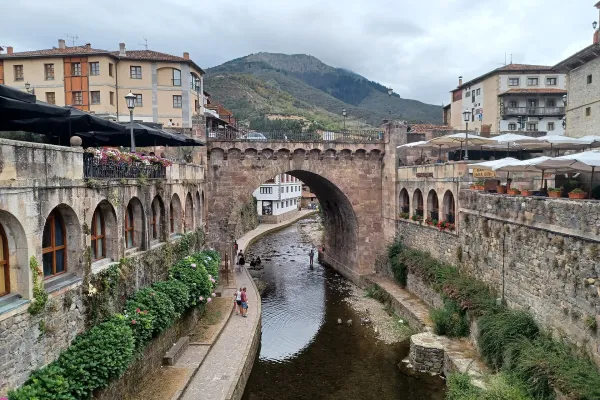
Fiesta del Orujo in Potes 2026: What to Do in the Picos
Potes celebrates the Fiesta del Orujo on 13–15 November 2026, dates confirmed by the town council. This visitor guide covers Potes, Liébana and the recurring festival traditions; the detailed 2026 timetable was still pending on 22 October.
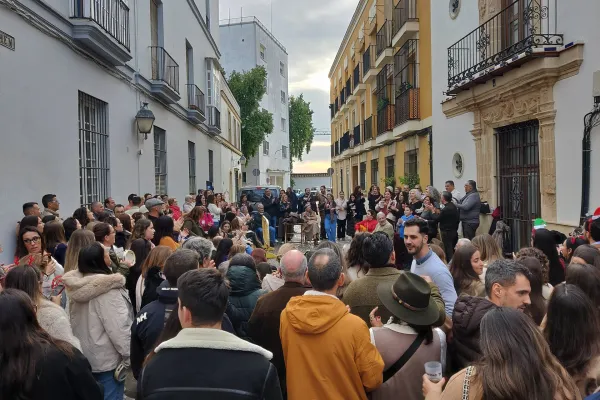
Zambombas de Jerez 2026: Flamenco Christmas Guide
A practical guide to the Zambombas de Jerez: what the flamenco Christmas gatherings are, the neighbourhoods to explore and how to use the municipal calendar. The exact 2026 programme and authorised dates were not yet published as of 22 October; confirm them on the official Jerez Christmas site before booking.