Castilla y León
Historic heartland with stunning cathedrals and medieval festivals
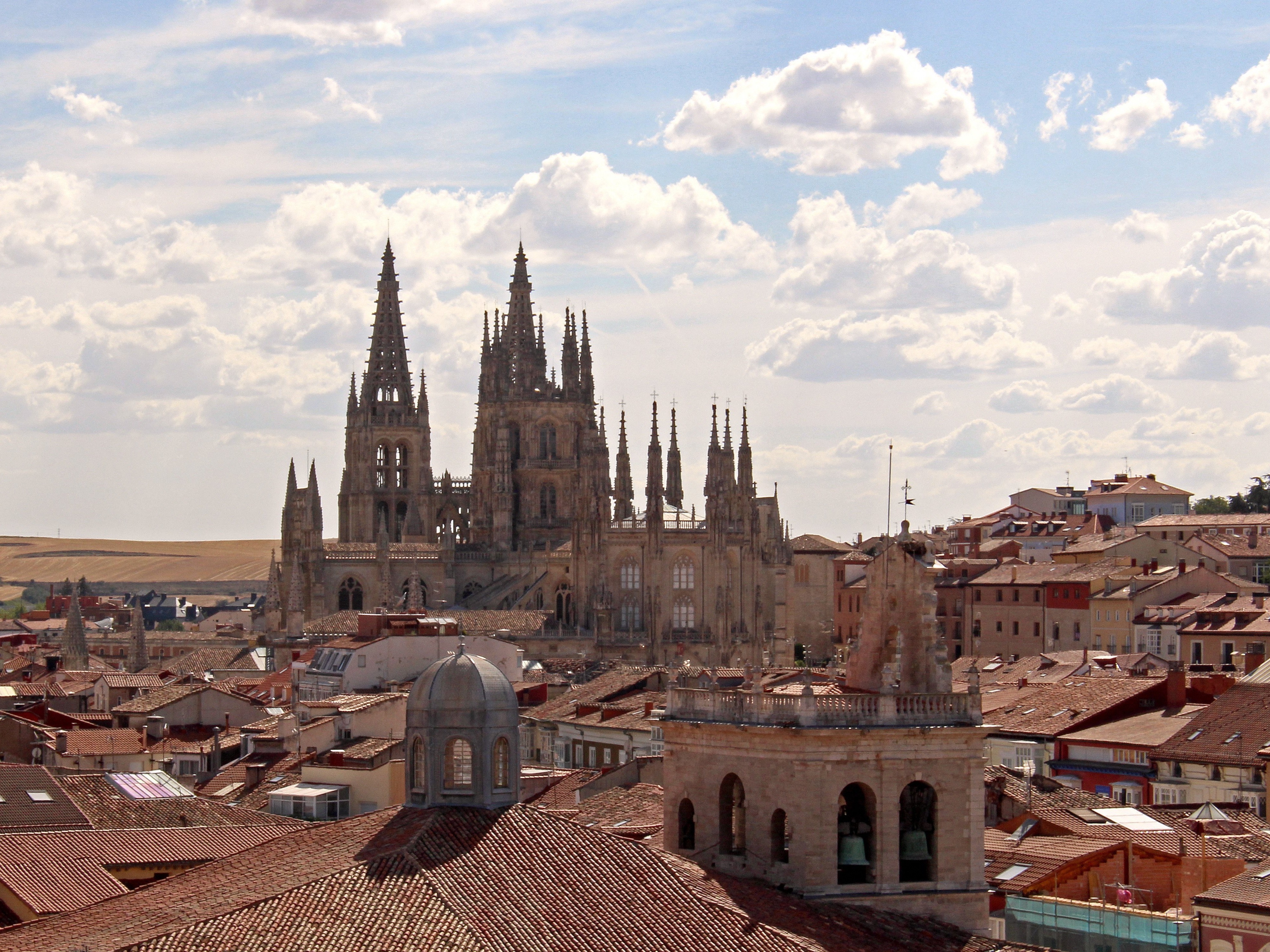
Castilla y León is Spain's largest region by area, a vast high plateau dotted with walled medieval cities — Ávila, Salamanca, Burgos, León, Segovia — each carrying UNESCO World Heritage status for cathedrals, universities or Roman engineering. The region's festival identity leans heavily religious and historical: Semana Santa processions here, particularly in Valladolid and Zamora, rank among Spain's most solemn and elaborate, distinct from Andalusia's more theatrical southern version.
This is also the heart of old Castile, the historic core from which the Spanish crown expanded and from which Castilian Spanish takes its name. Winters are genuinely cold and summers hot and dry on the high plateau (meseta), a continental climate very different from coastal Spain. Salamanca's university, founded in 1218 and one of the oldest in the world, still shapes the city's character, while wine regions like Ribera del Duero have built an international reputation to rival Rioja.
Highlights
- Spain's largest region — a vast high plateau (meseta) dotted with medieval walled cities
- UNESCO heritage — Ávila's walls, Salamanca's old town and Burgos's cathedral all carry World Heritage status
- Solemn Semana Santa — Valladolid and Zamora hold some of Spain's most elaborate Holy Week processions
- Ribera del Duero wine country — an internationally recognised red-wine region
Festivals in Castilla y León
 March
March
Semana Santa de Valladolid
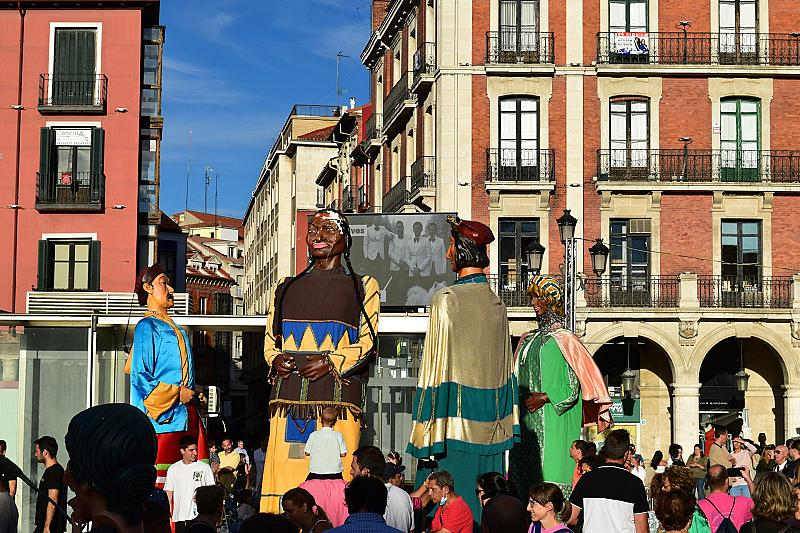
Valladolid's Semana Santa is the antithesis of Andalusia's exuberant celebrations. Here, silence and sobriety reign. The star of the show is the extraordinary collection of polychrome sculptures by Gregorio Fernández, 17th-century masterpieces of such realism they seem to breathe.
 September
Medieval Market of Ávila
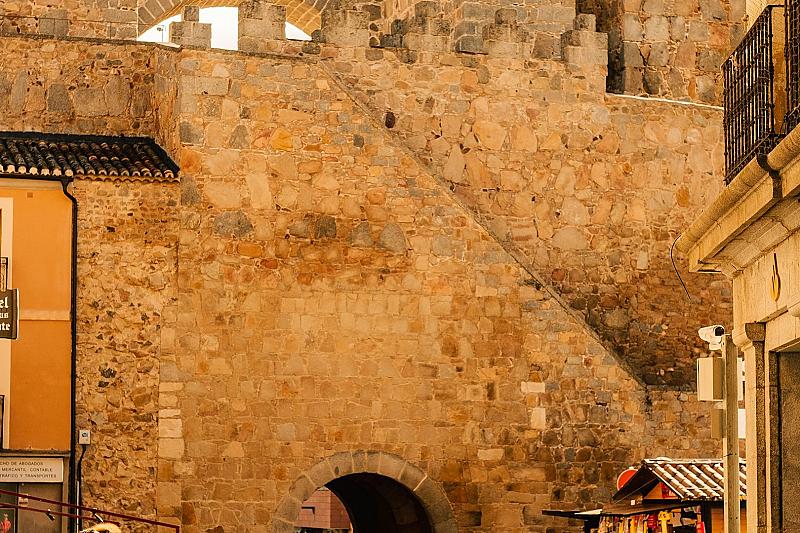
The Mercado Medieval de Ávila is one of the largest and most spectacular medieval markets in Europe. Every September, the stunning UNESCO World Heritage walled city of Ávila transforms into a living medieval town with over 200 stalls, jousting tournaments, troubadours, falconry displays and theatrical performances. Set against the backdrop of Ávila's perfectly preserved 11th-century walls — the finest in Spain — it's a magical step back in time.
How to Get There
Most visitors arrive via Madrid, connected by high-speed AVE rail to Valladolid (under an hour) and Segovia (30 minutes), with regional trains reaching Salamanca, León and Burgos. Valladolid has a small regional airport with limited routes. The region's size makes a car genuinely useful for reaching more than one or two cities on a single trip.
Tips & Advice
Winters here are cold — genuinely cold, with frost and occasional snow, unlike much of Spain — so pack accordingly for anything outside high summer. Semana Santa accommodation in Valladolid and Zamora books up well ahead. The region rewards slow travel between its historic cities more than a single-city trip.