Medieval Market of Ávila
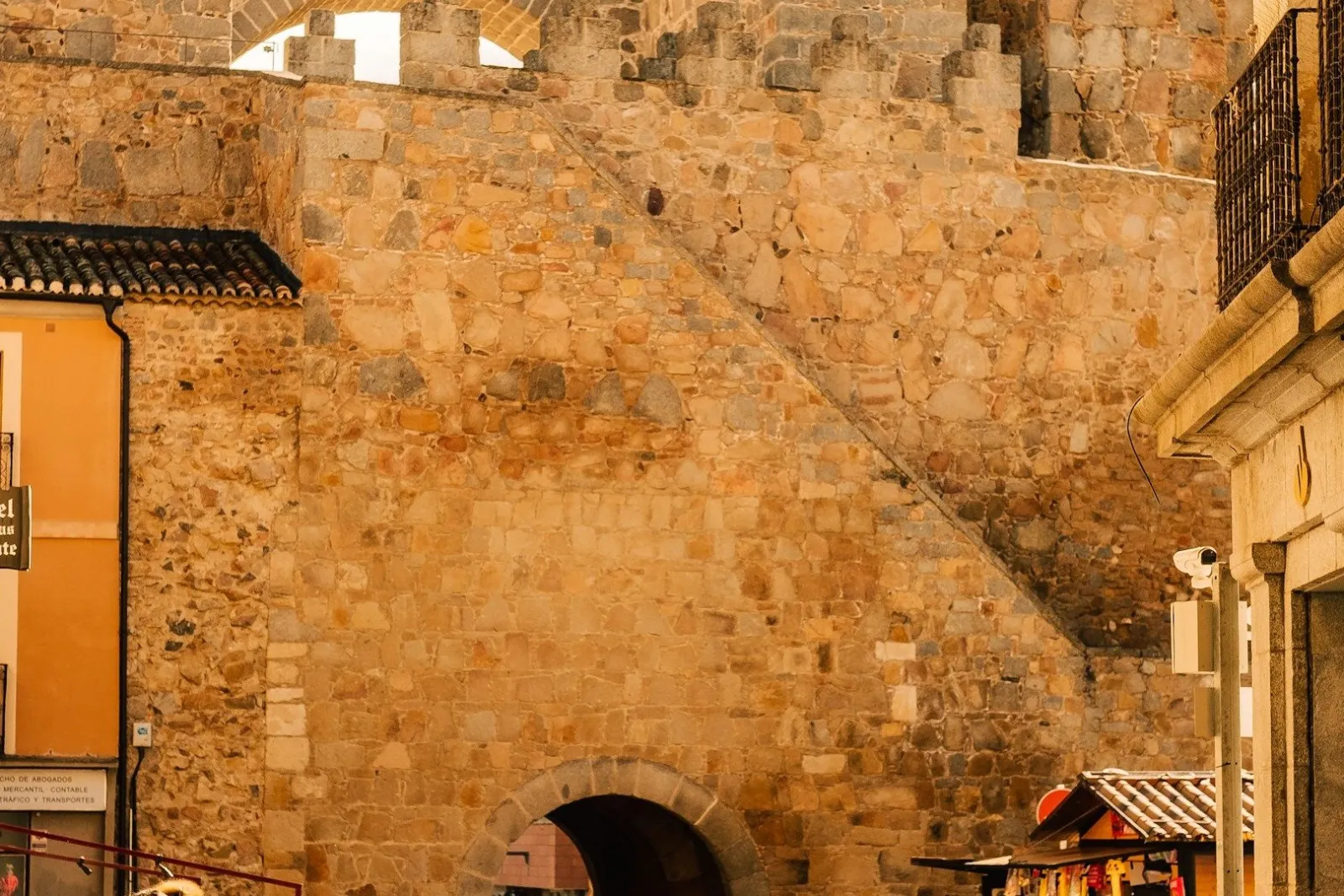
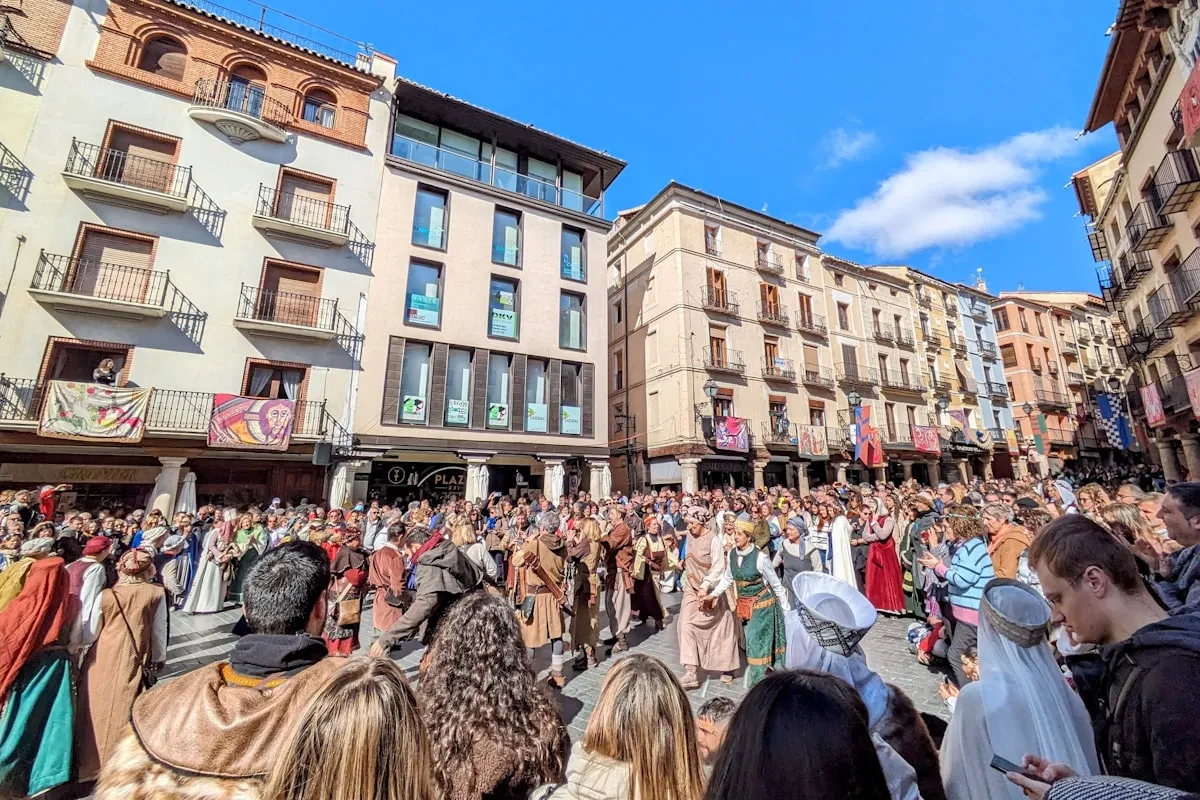
The Mercado Medieval de Ávila is one of the largest and most spectacular medieval markets in Europe. Every September, the stunning UNESCO World Heritage walled city of Ávila transforms into a living medieval town with over 200 stalls, jousting tournaments, troubadours, falconry displays and theatrical performances. Set against the backdrop of Ávila's perfectly preserved 11th-century walls — the finest in Spain — it's a magical step back in time.
The days that matter
-
Fri–Sun 11:00–23:00
Mercado Medieval
Over 200 artisan stalls fill the walled old town over the first weekend of September.
-
Fri–Sat until midnight
Night market
On Friday and Saturday nights the stalls stay open until midnight.
-
Sat–Sun afternoon
Jousting tournaments
Knights on horseback compete with lances in the shadow of the city walls.
What Medieval Market of Ávila is like
- Free
- Family
- Food & drink
- Noise
- Troubadours by day, drummers and flag-throwers in the evening parades
- Fire
- Fire-eaters and torchlit parades add a little flame
- Crowds
- 300,000 visitors over three days; Saturday afternoon is the peak
- Mess
- You stay clean; just bring a jacket for the cool nights
- With kids
- Puppet shows, pony rides, workshops and jousting all suit children
Highlights
No other medieval market in Spain has a setting this spectacular. Walking through 11th-century gates into a walled city transformed into a medieval bazaar — with jousting knights, the smell of roasting meat and the sound of troubadours echoing off ancient stone — is genuinely transporting. Ávila is already one of Spain's most beautiful and underrated cities; during the Mercado Medieval, it becomes unmissable.
Date & Schedule
| Detail | Info |
|---|---|
| Dates 2027 | First weekend of September (expected Thursday 2 to Sunday 5 September 2027; the 2026 edition ran 3–6 September) |
| Hours | 11:00 – 23:00 (Friday–Sunday) |
| Jousting | Saturday and Sunday afternoons |
| Night market | Friday and Saturday until midnight |
| Location | Ávila, Castilla y León |
The market typically runs over the first weekend of September, from Thursday or Friday to Sunday. (Santa Teresa's own fiestas are in mid-October.)
Location
Ávila sits on a granite plateau at 1,131 metres altitude in central Spain, about 110 km northwest of Madrid. The medieval market fills the streets inside the famous walled enclosure — 2.5 km of 12th-century walls with 88 towers and 9 gates. The main activity concentrates around the Plaza del Mercado Grande, Plaza del Mercado Chico and the streets connecting them.
Key Events & Highlights
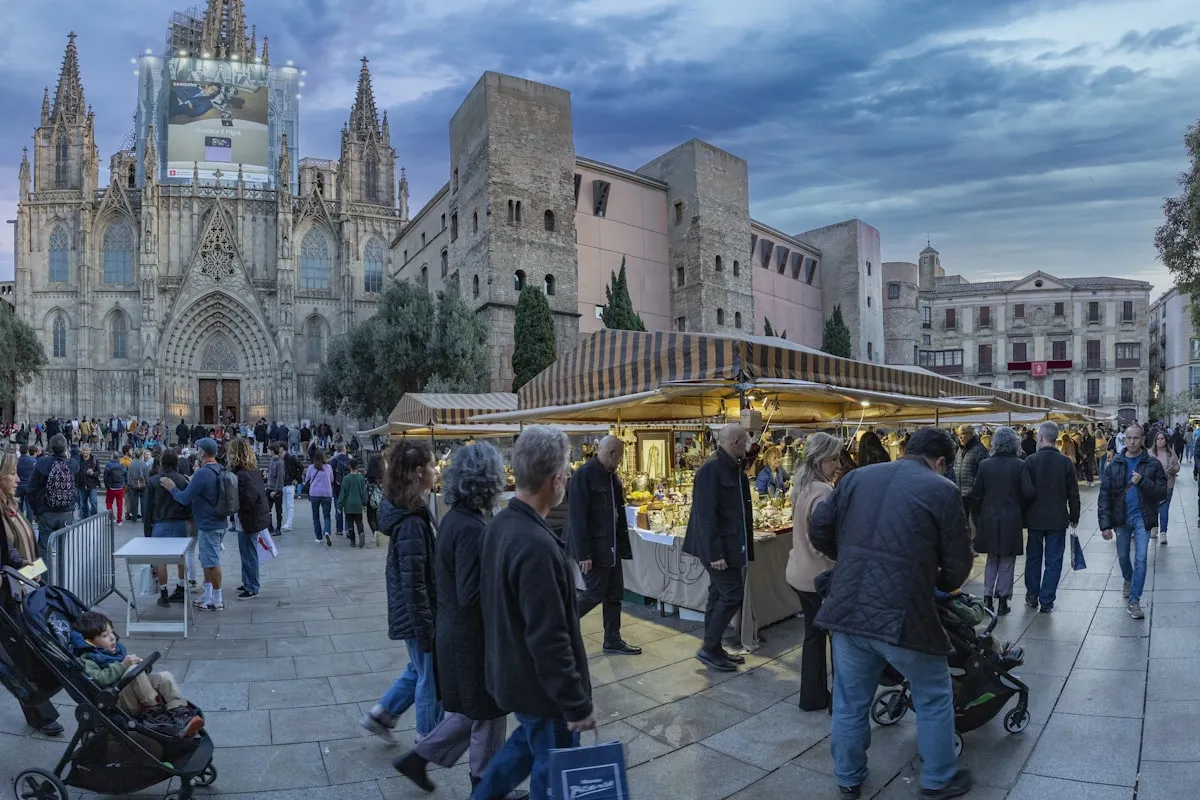
- Medieval market stalls — Over 200 artisan stalls selling handcrafted goods: leather, pottery, jewellery, weapons, candles, soaps and medieval foods
- Jousting tournaments — Knights on horseback compete with lances in the shadow of the city walls
- Falconry displays — Eagles, hawks and falcons demonstrate ancient hunting techniques
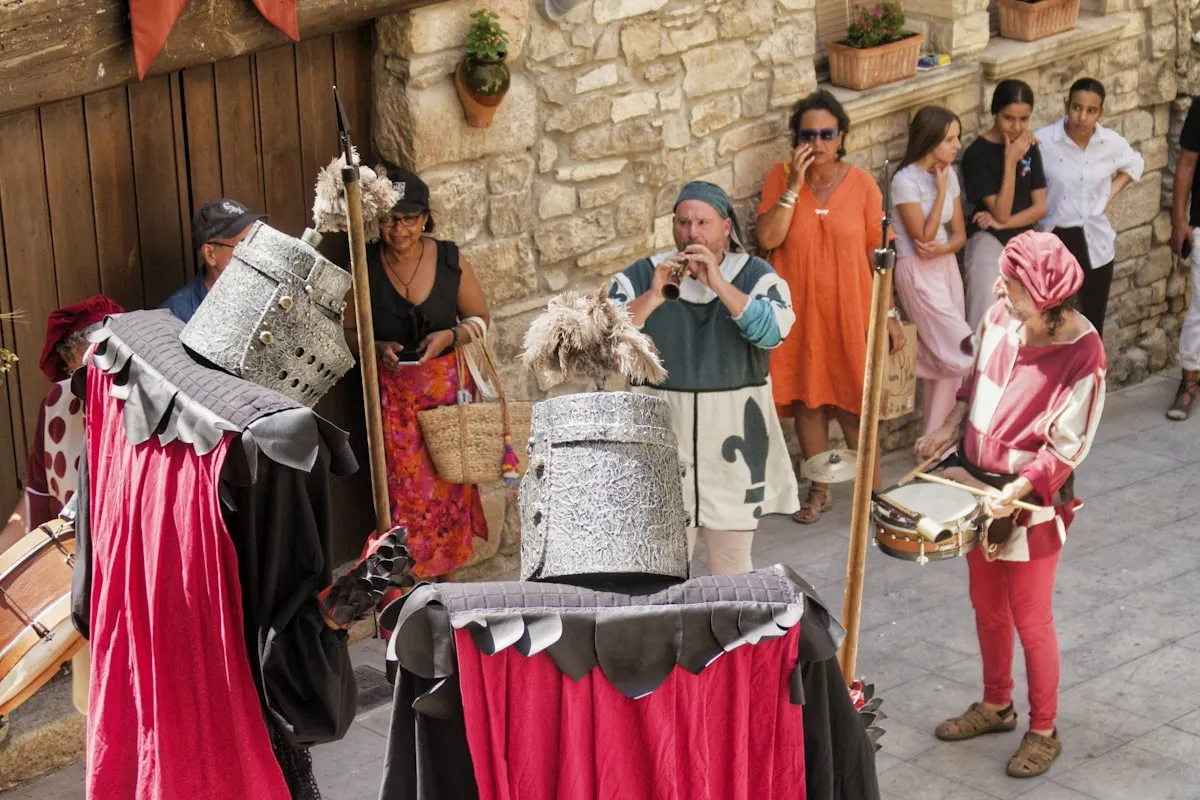
- Street theatre — Jugglers, fire-eaters, musicians, storytellers and wandering characters bring the streets to life
- Medieval gastronomy — Roast suckling pig, lamb, medieval stews, mead, spiced wine and traditional Ávila sweets (yemas de Santa Teresa)
- Torchlit processions — Evening parades with drummers, flag-throwers and fire performers
- Crafts workshops — Blacksmithing, calligraphy, pottery and weaving demonstrations
Gallery
Video
History & Origins
Ávila's medieval heritage is written in stone: the city walls were built between the 11th and 14th centuries during the Reconquista to defend against Moorish attacks. The Mercado Medieval began in the early 2000s and has grown into one of Spain's premier historical recreation events, drawing over 300,000 visitors across three days. The market celebrates Ávila's Golden Age, when the city was a major centre of Castilian power, and the birthplace of Saint Teresa of Jesus.
What to Expect
Ávila's medieval market is family-friendly and atmospheric. The city walls provide a spectacular backdrop and the compact old town makes everything walkable. September weather is pleasant (20-25°C during the day, cool at night — bring a jacket, Ávila is high altitude). Many visitors and stallholders dress in medieval costume. The market gets very crowded on Saturday afternoon — visit Friday evening or Sunday morning for a more relaxed experience.
How to Get There
- By train: Renfe connects Ávila to Madrid Chamartín (1.5h, frequent service) and Salamanca (1h)
- By car: A-6 and AP-6 motorway from Madrid (1.5h). Free parking outside the walls
- By bus: Avanza runs regular buses from Madrid's Estación del Sur (1.5h)
- Day trip: Very feasible as a day trip from Madrid — one of the easiest medieval festivals to reach
Tips & Advice
- Is it free? Yes — entry to the market is completely free
- Do I need to dress up? No, but many people do and it adds to the experience. Costume stalls inside the market sell accessories
- Is it good for children? Excellent — puppet shows, workshops, pony rides and the jousting tournaments are all child-friendly
- Can I walk on the walls? Yes — the wall walk (€5) offers stunning views over the market and surrounding countryside
Semana Santa de Valladolid
Valladolid, Castilla y LeónValladolid's Semana Santa is the antithesis of Andalusia's exuberant celebrations. Here, silence and sobriety reign. The star of the show is the extraordinary collection of polychrome sculptures by Gregorio Fernández, 17th-century masterpieces of such realism they seem to breathe.
Semana Santa de Salamanca
Salamanca, Castilla y LeónHooded brotherhoods carry their pasos past golden sandstone cathedrals, a Roman bridge and the oldest university in Spain in a Holy Week of International Tourist Interest.
Semana Santa de León
León, Castilla y LeónSixteen brotherhoods, thousands of papones and pasos danced to the music in the Plaza Mayor: León's Holy Week, of International Tourist Interest, is austere in the street and sociable in the bars.
Holy Week in Zamora
Zamora, Castilla y LeónZamora's austere Castilian Holy Week fills ten days with 17 brotherhoods, more than 40 pasos, barefoot penitents and Miserere chants sung in the small hours in a Romanesque old town.