Semana Santa de Valladolid
Valladolid's Semana Santa is the antithesis of Andalusia's exuberant celebrations. Here, silence and sobriety reign. The star of the show is the extraordinary collection of polychrome sculptures by Gregorio Fernández, 17th-century masterpieces of such realism they seem to breathe.
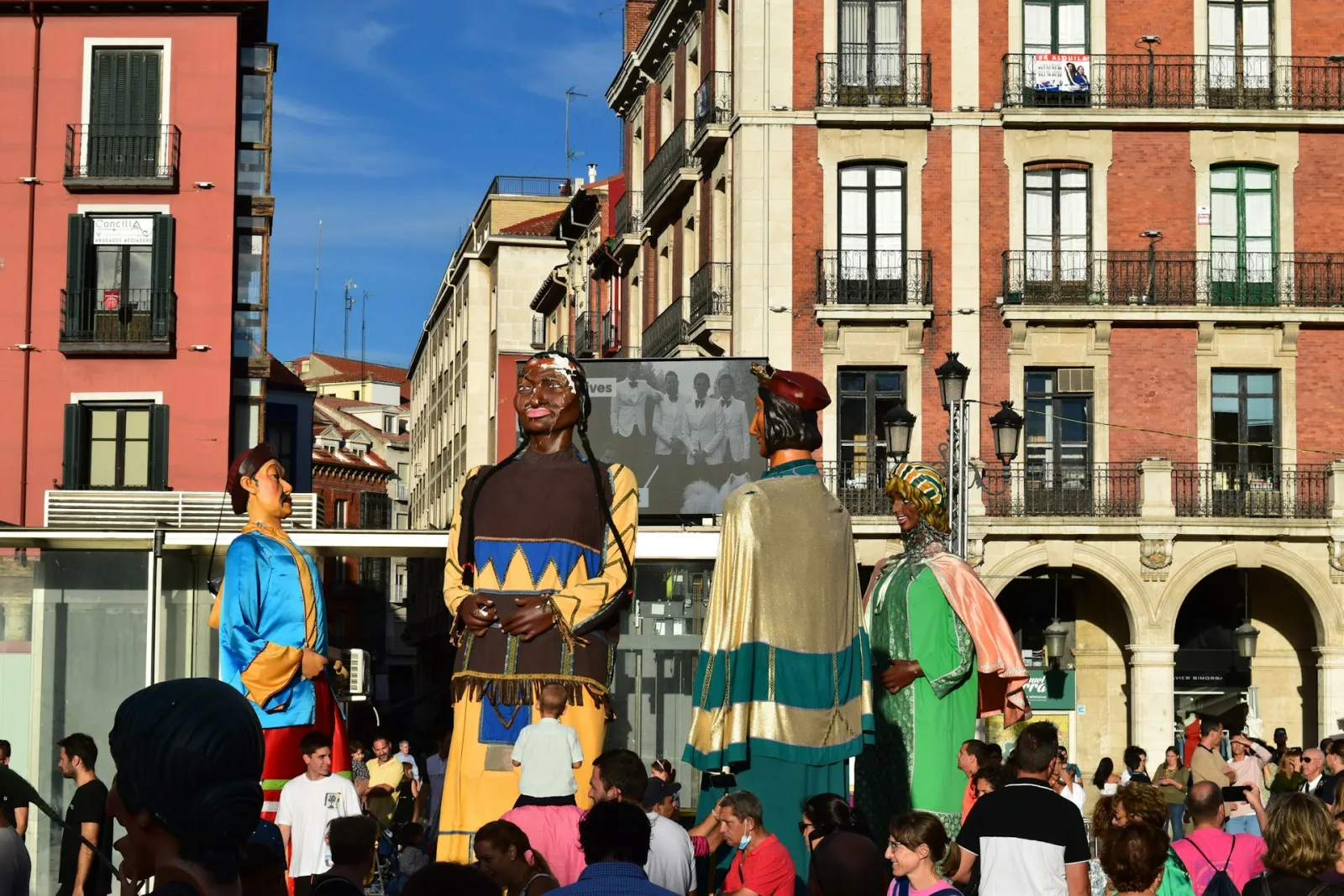
What Semana Santa de Valladolid is like
- Procession
- Night
- Noise
- Near-total silence: shuffling feet and a muffled drum
- Fire
- Only torches light the processions
- Crowds
- More intimate and contemplative than Andalusia's Holy Week
- Mess
- You stay clean; it's the cold that bites
- With kids
- Silent, cold night processions are hard for little ones
Highlights
- Spain's finest collection of Baroque processional sculpture
- Masterpieces by Gregorio Fernández (17th century)
- Processions in near-total silence through the Castilian night
- International Tourist Interest designation
- National Sculpture Museum houses the originals year-round
- A contemplative, intimate alternative to Andalusia's Semana Santa
Valladolid's Holy Week is Spain's most austere and artistically significant. While Seville and Málaga celebrate with music and colour, Valladolid's processions move through the cold Castilian night in near-total silence, with only the shuffle of feet and the occasional muffled drum.
The processions showcase an unrivalled collection of Baroque religious sculpture, led by the works of Gregorio Fernández (1576-1636), Spain's greatest polychrome sculptor. His Cristo Yacente, Piedad, and Flagellation scenes are considered among the finest examples of Spanish Baroque art.
The austere character reflects the Castilian temperament — deeply devout, restrained, and focused on the spiritual rather than the spectacular. This makes Valladolid's Semana Santa a more intimate and contemplative experience.
Gallery
History & Origins
Valladolid's Semana Santa tradition dates to the late 15th century. The city's importance as capital of the Spanish Empire under Philip III attracted the finest artists. Gregorio Fernández, who settled in Valladolid in 1601, created the processional masterpieces that still define the celebration today.
What to Expect
Expect cold — Valladolid's April nights can drop below 5°C. The silence of the processions is striking. No music, no cheering — just hundreds of penitents in purple and white moving through torch-lit streets.
The Sermón de las Siete Palabras (Sermon of the Seven Words) on Good Friday in the Plaza Mayor is the emotional climax. Visit the National Sculpture Museum to see Gregorio Fernández's works up close.
How to Get There
By Train: AVE from Madrid (1h), Barcelona (4.5h). By Car: On the A-62, 200 km north of Madrid. By Air: Valladolid Airport (VLL) has limited domestic flights; Madrid-Barajas (2h by road) is the main gateway.
Tips & Advice
- Bring warm clothes — April nights in Castile are cold
- The Good Friday Sermón de las Siete Palabras is the highlight
- Visit the National Sculpture Museum before the processions
- Book a hotel on Plaza Mayor for balcony views
- Pair with local Ribera del Duero wines and roast lamb
Semana Santa de Salamanca
Salamanca, Castilla y LeónHooded brotherhoods carry their pasos past golden sandstone cathedrals, a Roman bridge and the oldest university in Spain in a Holy Week of International Tourist Interest.
Semana Santa de León
León, Castilla y LeónSixteen brotherhoods, thousands of papones and pasos danced to the music in the Plaza Mayor: León's Holy Week, of International Tourist Interest, is austere in the street and sociable in the bars.
Holy Week in Zamora
Zamora, Castilla y LeónZamora's austere Castilian Holy Week fills ten days with 17 brotherhoods, more than 40 pasos, barefoot penitents and Miserere chants sung in the small hours in a Romanesque old town.
El Colacho (Baby-Jumping Festival)
Castrillo de Murcia, Castilla y LeónIn a small village near Burgos, a masked devil in yellow and red runs through the streets during Corpus week and, on the Sunday, leaps over rows of babies laid on mattresses before they are blessed.