Entierro de la Sardina de Murcia
Murcia's Entierro de la Sardina is one of Spain's most unique spring festivals. A surreal parade where thousands of toys are thrown from floats, giant sardine effigies are burned, and fireworks light up the night. Declared a Fiesta of International Tourist Interest.
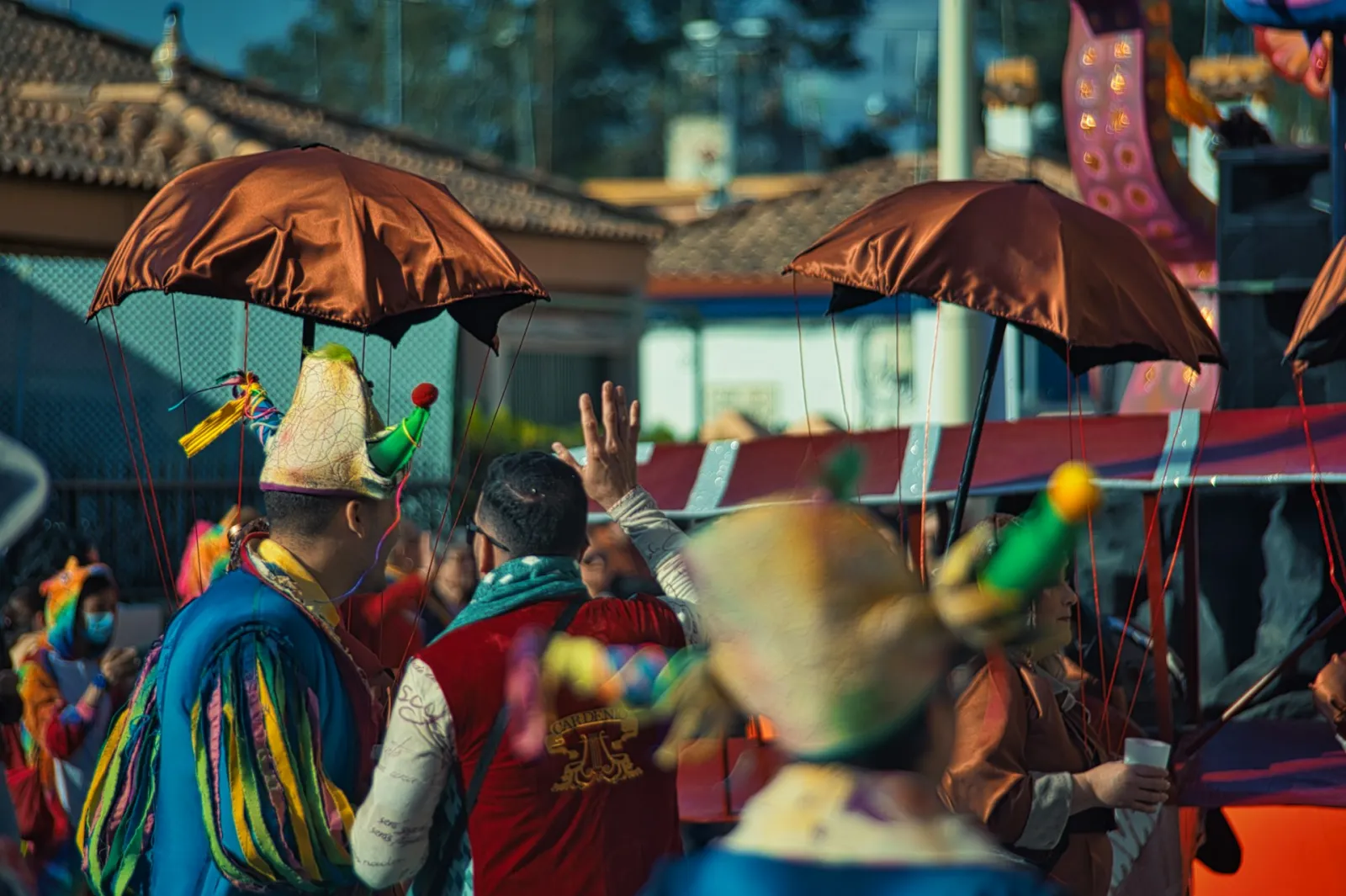
The days that matter
-
Saturday after Easter 21:00
Grand Parade
Over 100 floats pass through the centre for several hours, throwing more than 3 million toys to the crowds.
-
Saturday after Easter around midnight
Burning of the Sardine
The giant sardine effigy goes up in flames, followed by a fireworks display over the river.
What Entierro de la Sardina de Murcia is like
- Fire
- Family
- Night
- Free
- Noise
- Hours of parade music, then a big fireworks finale
- Fire
- A giant sardine burns around midnight, then fireworks over the river
- Crowds
- Thousands line the route, and Gran Vía spots go early
- Mess
- Toys fly, not tomatoes: you stay clean
- With kids
- Kids catch toys from the floats, though it runs late
Highlights
- 3+ million toys thrown from over 100 floats
- Burning of the giant sardine effigy and fireworks finale
- International Tourist Interest designation
- Week-long festivities surrounding the main parade
- Unique post-Easter timing (Saturday after Semana Santa)
The Entierro de la Sardina (Burial of the Sardine) is Murcia's signature festival, held the Saturday after Easter. What began as a simple post-Lenten celebration has evolved into one of Spain's most spectacular parades.
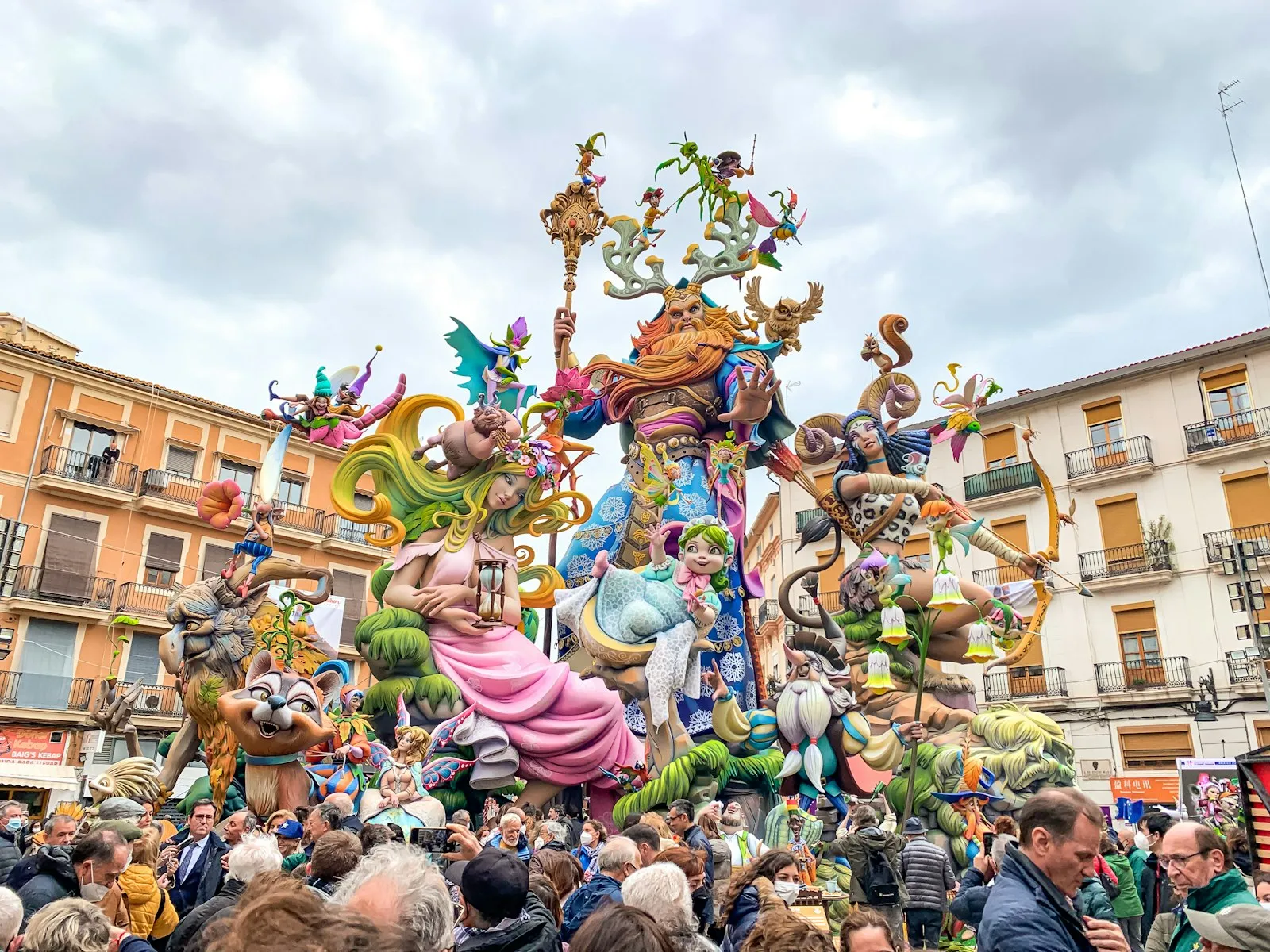
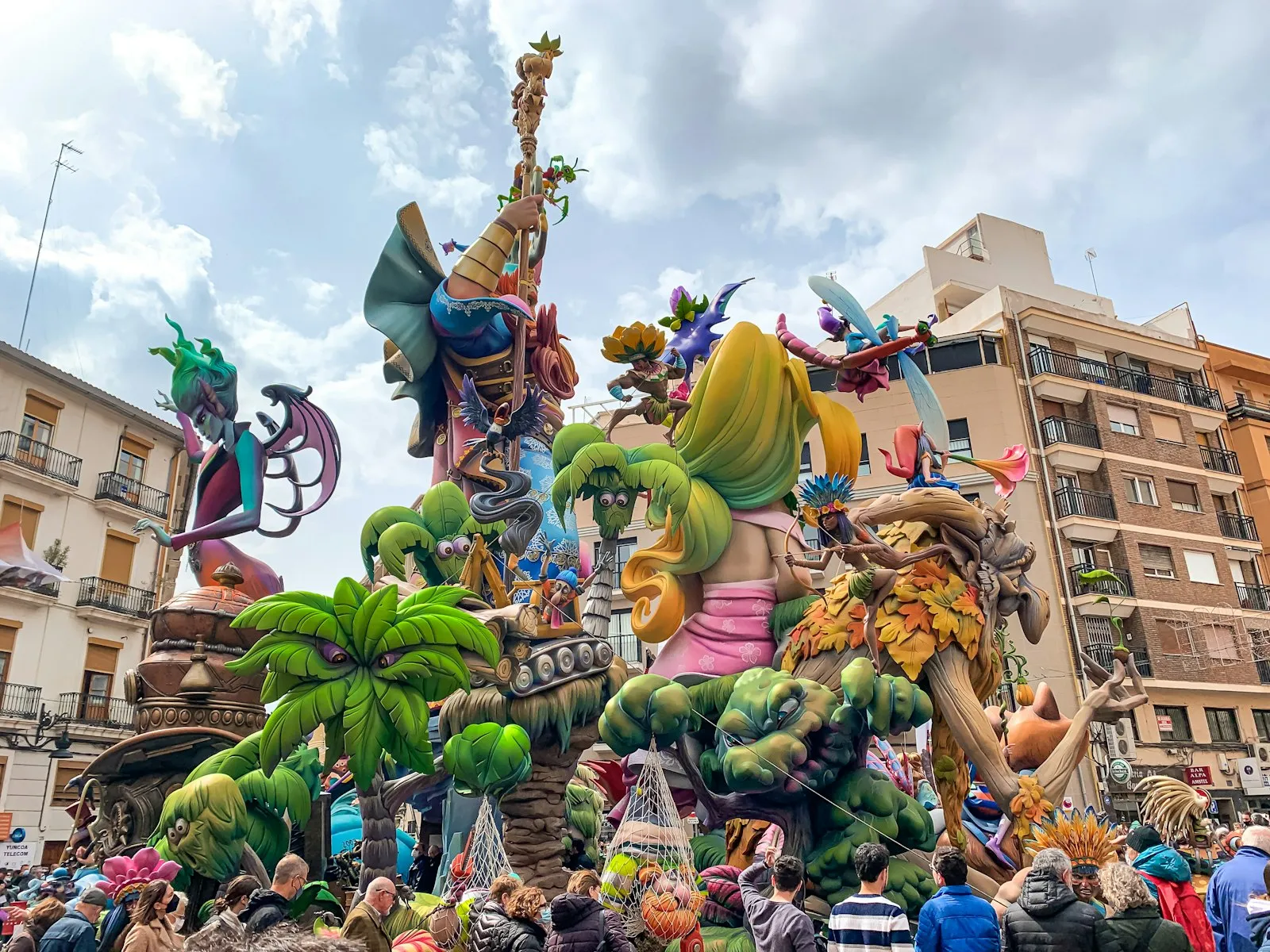
The centrepiece is the Grand Parade: over 100 elaborately decorated floats pass through the city centre, with participants throwing more than 3 million toys to the crowds. The event culminates with the burning of a giant sardine effigy and a massive fireworks display over the river.
The Sardineros (sardine brotherhood members) in their iconic costumes lead the festivities, which also include a week of concerts, food festivals, and the crowning of the Muse of the festival.
Gallery
History & Origins
The tradition originated in the 19th century as a way to mark the end of Lent. It was formalised in 1851 and has grown steadily since. In 2006, it was declared a Fiesta of International Tourist Interest. The toy-throwing tradition makes it uniquely popular with families.
What to Expect
The parade starts at 21:00 and lasts several hours. Position yourself along the main route early to catch the most toys. The burning of the sardine around midnight is the emotional climax, followed by spectacular fireworks. Bring bags for collecting toys!
How to Get There
By Air: Murcia-San Javier (RMU) or Alicante (ALC, 80 km). By Train: RENFE from Madrid (4h), Barcelona (7h), Valencia (3h). By Car: On the A-7 Mediterranean motorway.
Tips & Advice
- Bring bags for collecting toys — kids love this festival
- Arrive early for a spot on Gran Vía
- The burning of the sardine is around midnight — stay for the fireworks
- Try Murcia's famous tapas — the city is one of Spain's best for food
- Hotels are reasonably priced compared to bigger cities
Bando de la Huerta
Murcia, MurciaOn the Tuesday after Easter the whole of Murcia dresses as market gardeners for the Bando de la Huerta, the big day of the city's Spring Festival, with a flower offering, food stalls and a parade that throws snacks to the crowd.
Wine Horses of Caravaca (Fiestas de la Vera Cruz)
Caravaca de la Cruz, MurciaFrom 1 to 5 May, Caravaca de la Cruz honours its True Cross with Moors and Christians and the UNESCO-listed Wine Horses: some 60 horses in embroidered silk and gold, each racing up the castle slope with four runners clinging on.
Carthaginians and Romans Festival
Cartagena, MurciaTen days in which thousands of Cartagena residents become Carthaginian troops and Roman legions to replay the city's history from its founding as Qart Hadasht to Scipio's conquest in 209 BC.
Holy Week in Cartagena
Cartagena, MurciaTen days of processions famous for their discipline: penitents marching in step to the drum, thrones blazing with flowers and light, and the old rivalry between Californios and Marrajos.