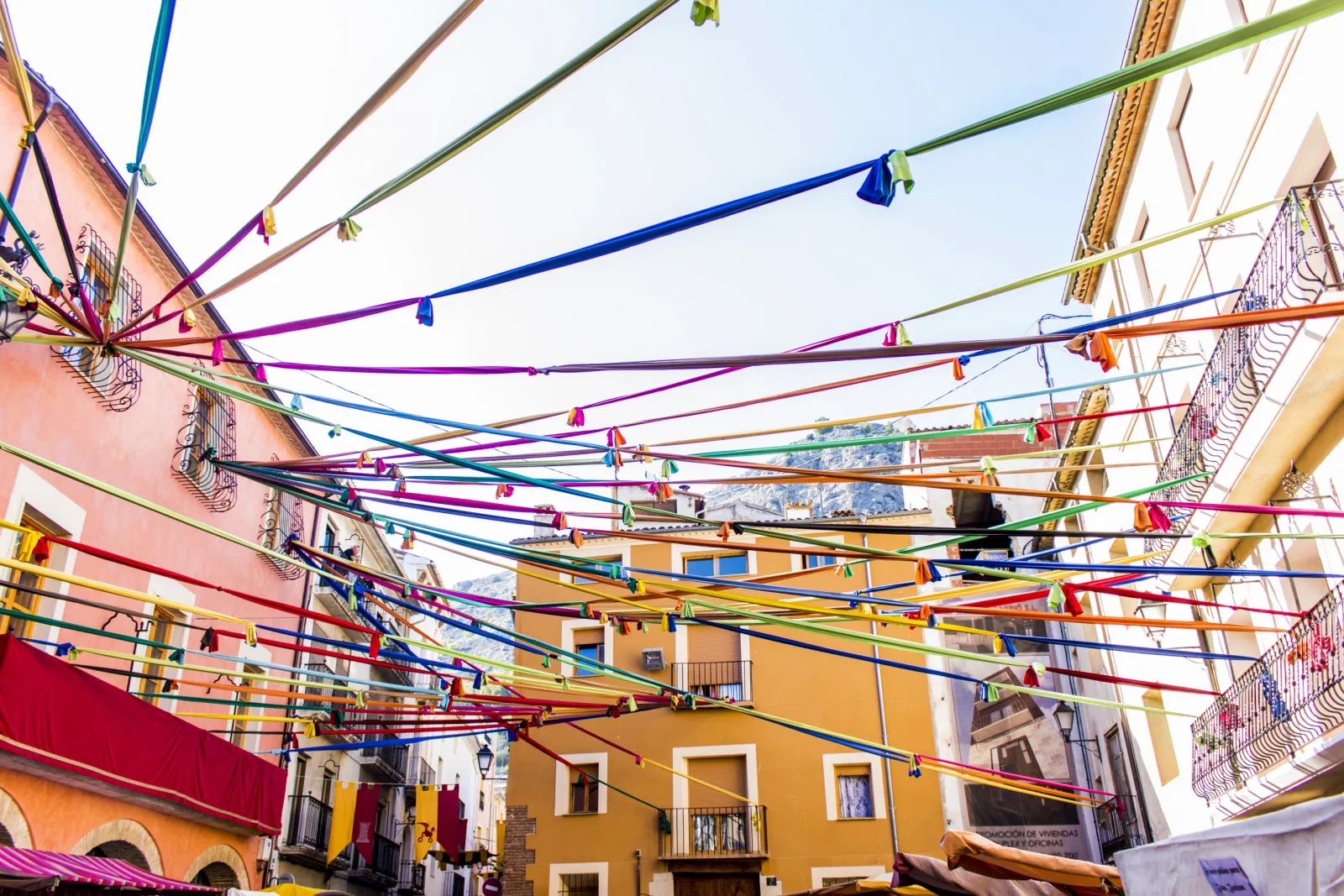
Feria de Todos los Santos
A 680-year-old agricultural and livestock fair in Cocentaina, Valencia, drawing hundreds of thousands of visitors around All Saints' Day.
Highlights
One of Spain's oldest continuously held fairs, dating to a royal charter of 1346
Declared a Festival of International Tourist Interest in 2019
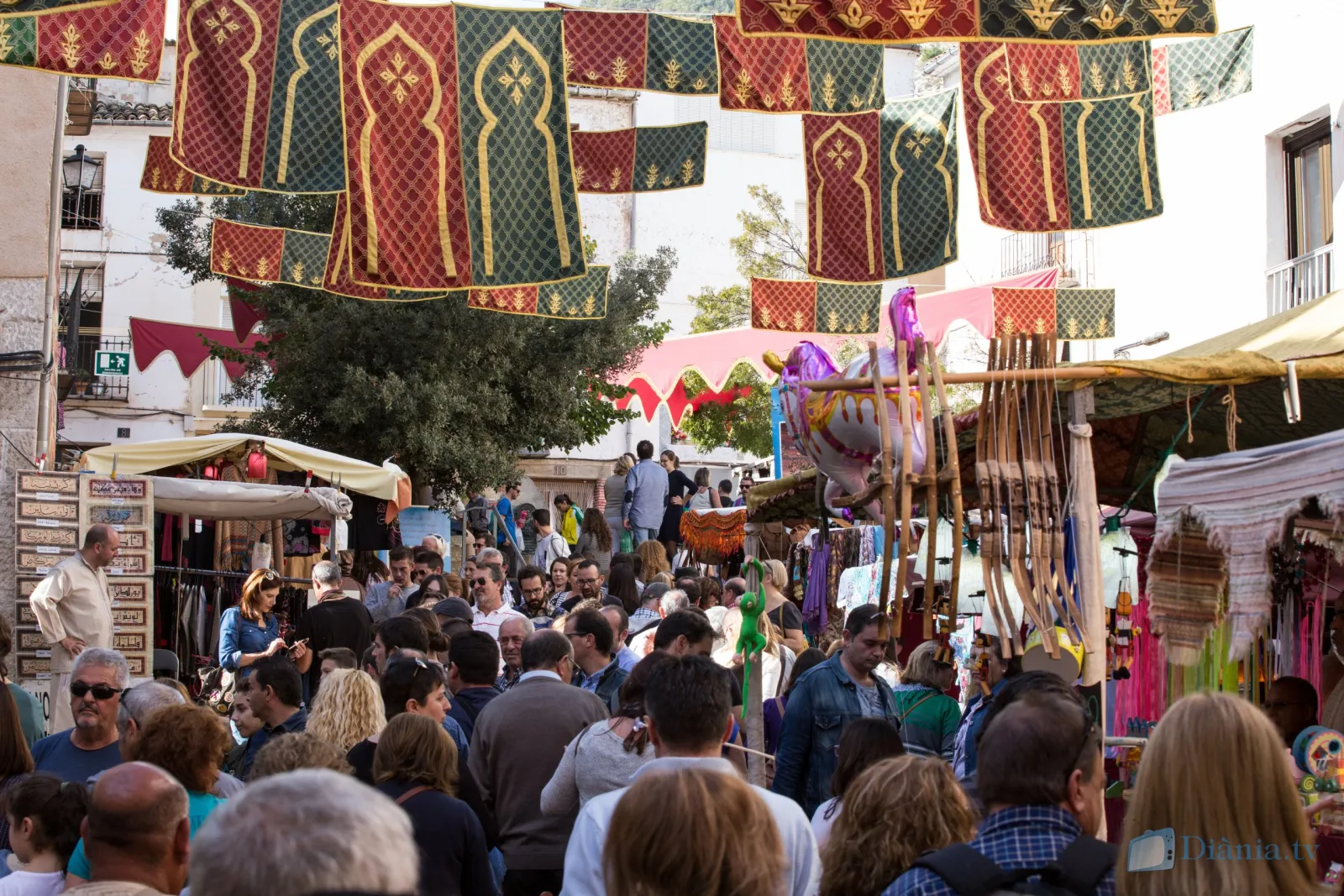
Draws over 350,000 visitors to a town of around 11,000 residents
Combines agricultural and livestock tradition with crafts, music and a book fair
Date & Schedule
| Detail | Info |
|---|---|
| Dates 2026 | 30 October – 1 November 2026 |
| Founded | 1346 — royal charter from King Pedro IV of Aragon |
| Recognition | Festival of International Tourist Interest (since 2019) |
| Visitors | Over 350,000 each year |
| Location | Cocentaina, Alicante, Valencia |
2026 planning note: The official programme lists the commercial opening on Thursday 29 October at 18:00, the official inauguration in Plaça del Pla on Friday 30 October at 11:00 and the closing circus show there on Sunday 1 November at 20:30. Children’s rides cost €2 on 29 October, with sensory-friendly periods without lights or noise from 12:00 to 13:00 and 18:00 to 19:00; a second €2 rides session follows on Monday 2 November at 17:00.
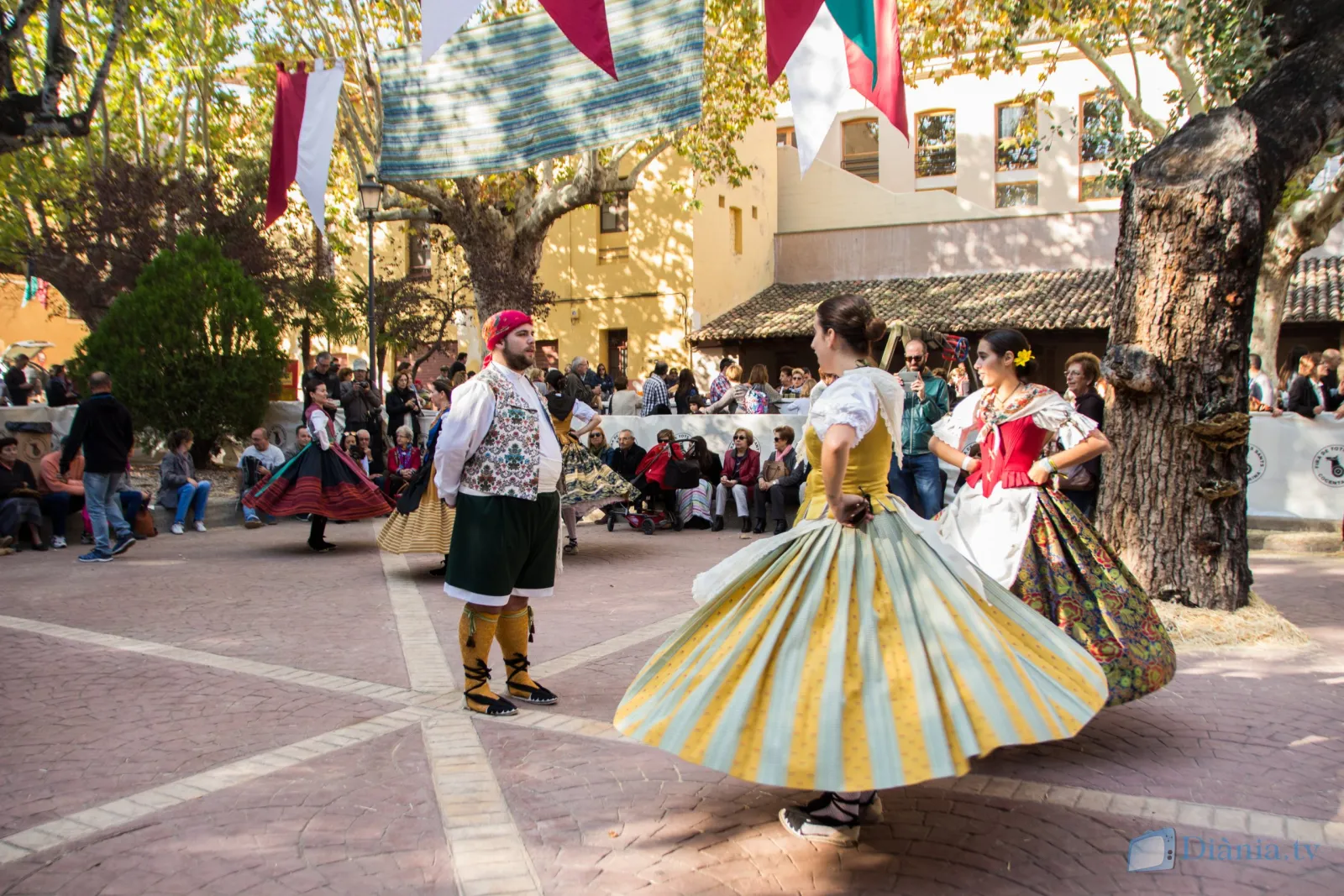
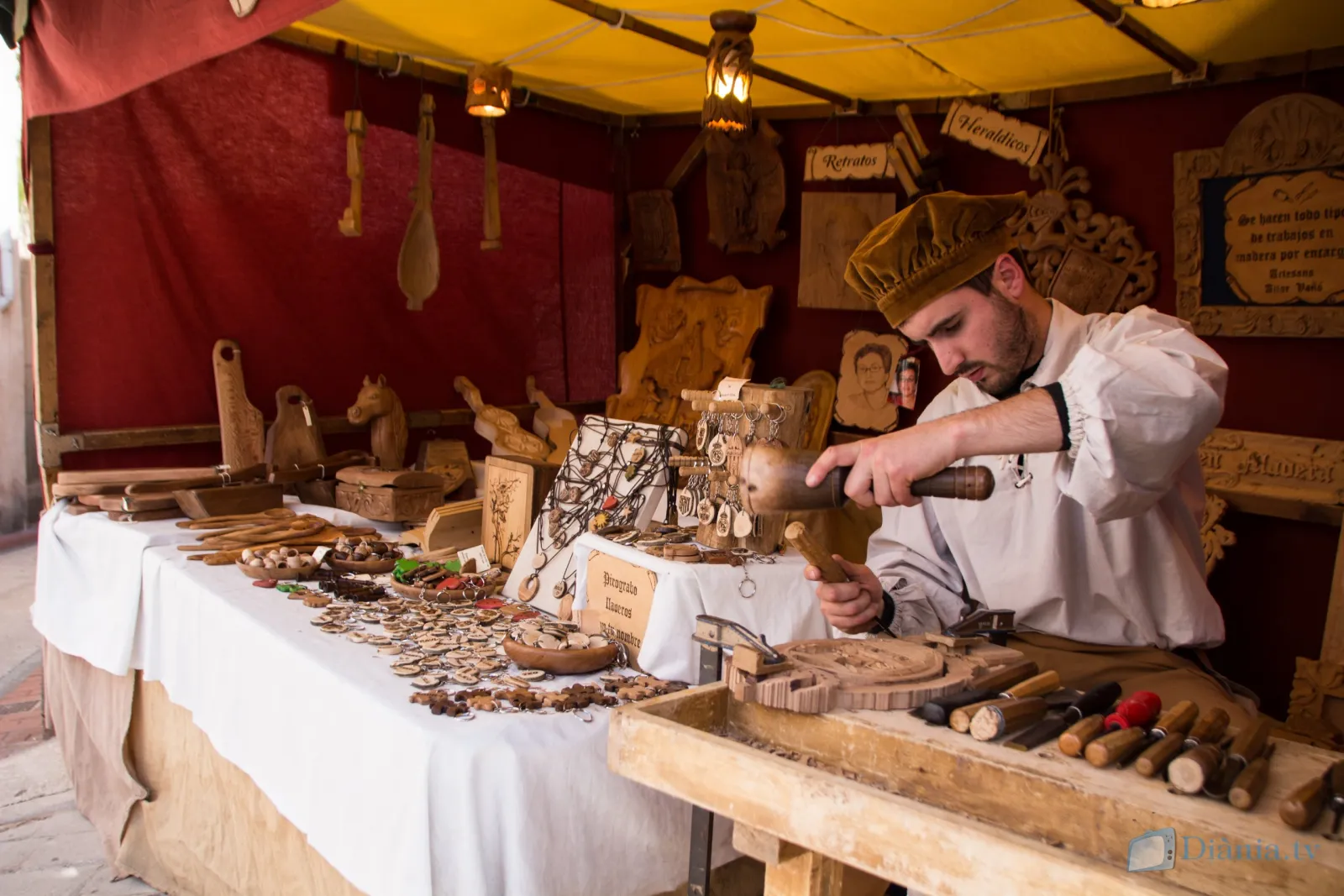
The Feria de Todos los Santos is one of the oldest continuously held fairs in Spain, granted by royal charter in 1346 and celebrated around All Saints' Day (1 November) since 1795. What began as an agricultural and livestock market has grown into a major showcase of farm machinery, crafts, food stalls and cultural events that fills the streets of this small Valencian town for three to five days each year, drawing visitors from across the region and beyond.
Gallery
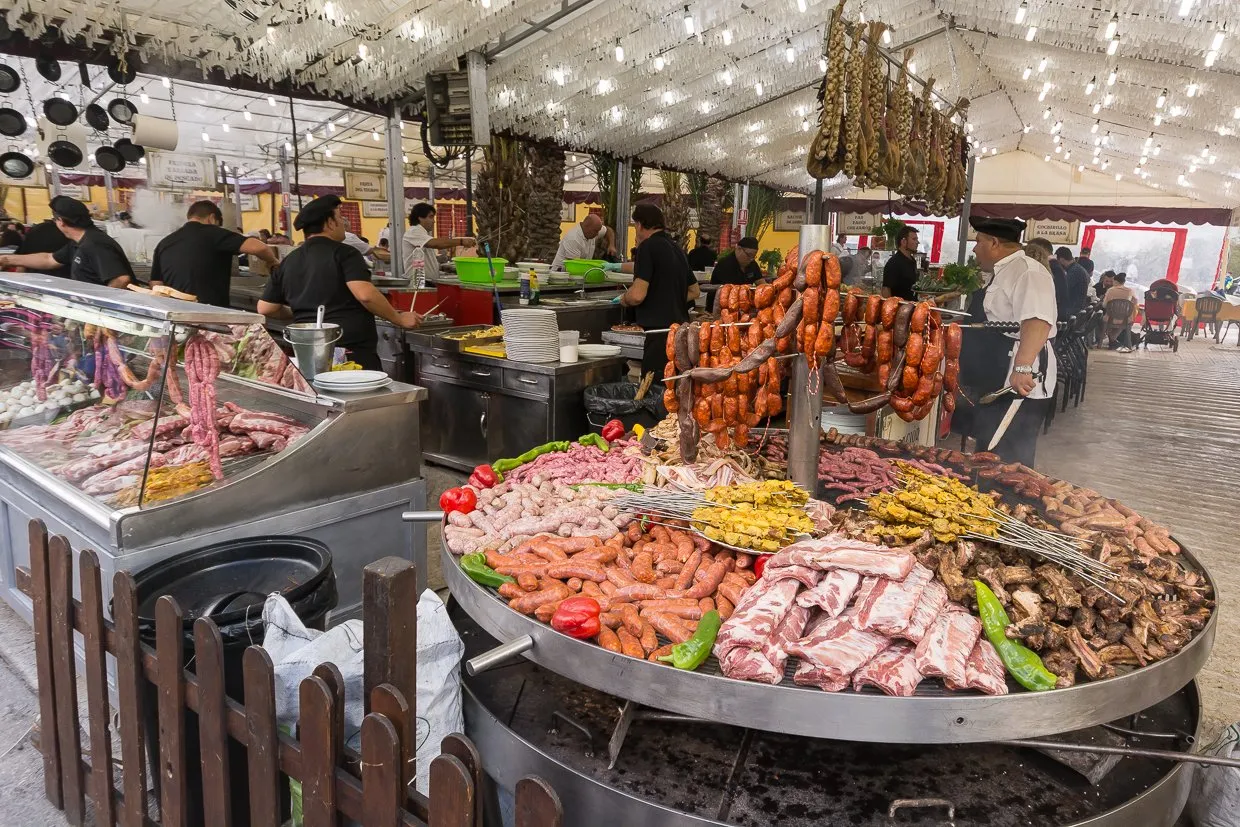
History & Origins
King Pedro IV of Aragon granted Cocentaina the privilege of holding an annual fair on 12 May 1346, at the request of his uncle Alfonso Roger de Loria, feudal lord of the town. The original fair began on the feast of St Michael and ran for fifteen days. Its dates shifted several times between 1671 and 1795, when it was permanently fixed around All Saints' Day, the form the fair has kept ever since. Nearly seven centuries later, the fair still draws its identity from that medieval agricultural and livestock trade, even as its scope has expanded far beyond it. In 2019, in recognition of its history and scale, it was declared a Festival of International Tourist Interest, one of the highest such designations in Spain.
What to Expect
The 2026 fair brings more than 800 exhibitors into Cocentaina for the commercial opening and main weekend. Alongside the agricultural, livestock, craft and food stands, the official programme includes guided oil-mill visits with tastings on Saturday 31 October at 09:30, 11:00 and 12:30, a traditional fair breakfast in Pla de la Font on Sunday 1 November at 09:00, and the large-format closing circus show in Plaça del Pla at 20:30.
How to Get There
Cocentaina sits inland in Alicante province, about 50 minutes from Alicante Airport and just over an hour from Valencia, both well connected by international flights. Regional trains and buses connect Cocentaina to Alicante and Valencia, though a car gives the most flexibility, particularly since the town's streets fill with fairgoers during the event.
Tips & Advice
- Use the official 2026 programme to confirm the event, venue and any booking requirement before travelling.
- The 1 November traditional breakfast costs €5; the official programme says tickets are sold online and in Pla de la Font from 08:00.
- For children who need a lower-sensory setting, use the no-light, no-noise rides periods on 29 October from 12:00 to 13:00 or 18:00 to 19:00.
- For more choices around the same weekend, see our 2026 Halloween and All Saints guide to Spain.
Plan Your Trip
Book accommodation and transport for this festival. Get the best deals on hotels and train tickets.
This page contains affiliate links. We may earn a commission at no extra cost to you.
Photos: Nicolás / CC BY 2.0 / Wikimedia Commons; Diània Televisió / CC BY-SA 2.0 / Wikimedia Commons; StellarD / CC BY-SA 4.0 / Wikimedia Commons
 March
March
Las Fallas
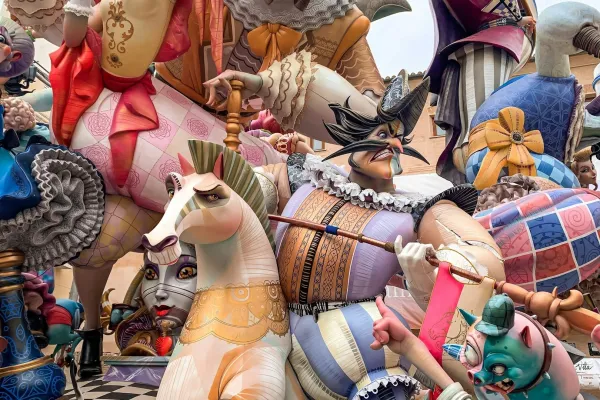
Las Fallas is one of Spain's most spectacular and UNESCO-recognised festivals — a stunning combination of art, fire, music, and Valencian pride. Every March, the city of Valencia fills its streets with hundreds of enormous satirical sculptures (fallas), only to burn them all to the ground in a magnificent midnight inferno on the final night.
 June
June
Noche de San Juan
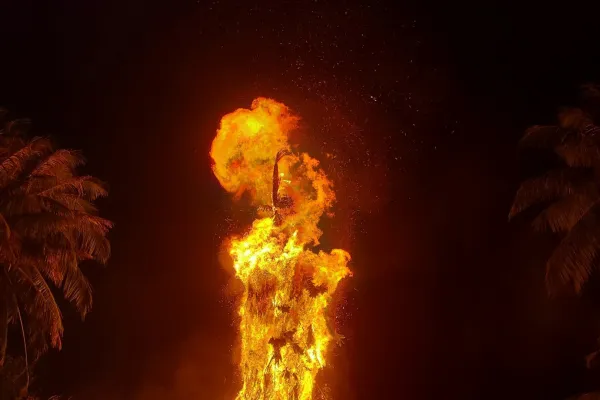
Noche de San Juan (St. John's Eve) is Spain's most magical night. On 23 June, beaches and towns across the country light up with bonfires as millions of Spaniards celebrate the summer solstice with fire, sea, and ancient rituals. It's one of those rare festivals that unites the entire country in celebration.
 April
April
Moros y Cristianos
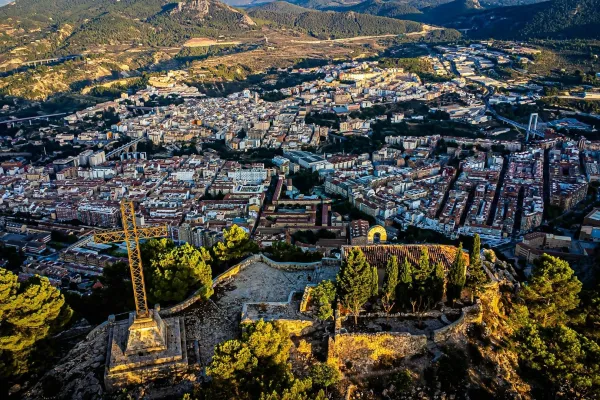
The Moros y Cristianos (Moors and Christians) festivals are among Spain's most visually spectacular celebrations — elaborate historical re-enactments of the medieval battles between Christian and Muslim forces, performed with extraordinary costumes, gunpowder, music, and drama across dozens of cities and towns, primarily in the Valencia region and Andalusia.
 June
June
Hogueras de San Juan Alicante
The Hogueras de San Juan (Fogueres de Sant Joan in Valencian) is Alicante's answer to Valencia's Fallas — and it's every bit as spectacular. Each June, the city fills with enormous artistic monuments (hogueras) that are paraded, admired and ultimately burned to ashes on the magical Noche de San Juan. With daily fireworks, parades, bonfires on the beach and the deafening mascletà at noon, it's a festival of fire, art and Mediterranean joy. Declared a Festival of International Tourist Interest.