Extremadura
Unspoiled western region with authentic traditional celebrations
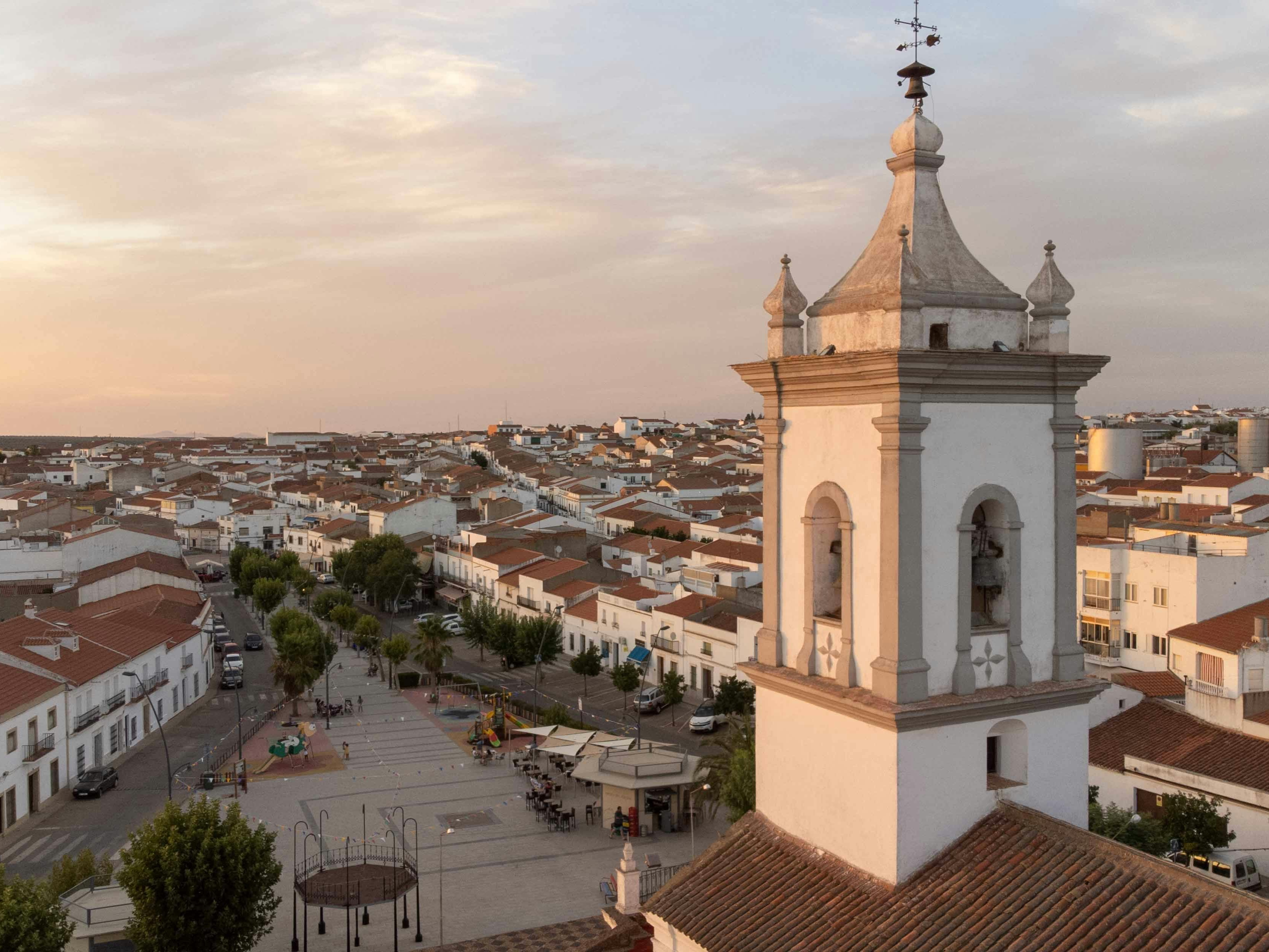
Extremadura is one of Spain's least-visited regions, a western borderland against Portugal that stayed largely unspoiled by mass tourism even as it produced some of the conquistadors who shaped the Americas — Hernán Cortés and Francisco Pizarro were both born here. That relative obscurity is part of the appeal: Cáceres and Mérida both carry serious historical weight, with Mérida holding one of the best-preserved collections of Roman ruins anywhere in Spain, including a theatre still used for performances, and Cáceres's walled old town earning UNESCO World Heritage status largely intact from the medieval and Renaissance periods.
Extremadura's four festivals here range from the civic Feria de San Juan in Badajoz to WOMAD Cáceres, the free world-music festival that fills the city's medieval squares each May. The region's dehesa landscape — oak woodland pasture where Iberian pigs roam freely to produce Spain's prized jamón ibérico — defines both the countryside and the local table. Summers here run hot and dry; the region shares a continental-Mediterranean climate with neighbouring Castile.
Highlights
- Roman heritage — Mérida holds one of Spain's best-preserved collections of Roman ruins, including a still-active theatre
- Conquistador birthplace — Cortés and Pizarro were both born in Extremadura
- WOMAD Cáceres — a free world-music festival in a UNESCO medieval old town
- Dehesa and jamón ibérico — oak pasture landscape produces Spain's finest cured ham
Festivals in Extremadura
 February
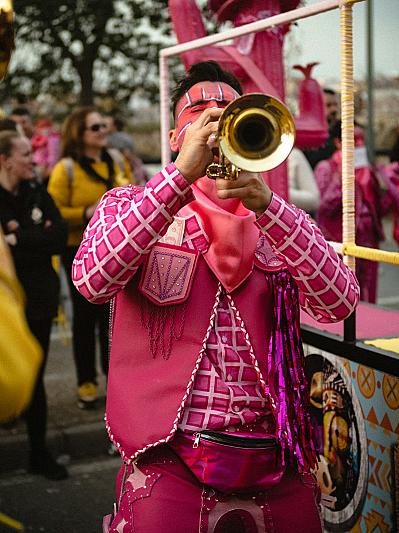
Carnaval de Badajoz
The Carnaval de Badajoz is mainland Spain's largest carnival celebration, with over 100,000 people parading through the streets in spectacular comparsas and murgas. Declared a Fiesta of International Tourist Interest, it rivals the Canary Islands carnivals in scale and creativity.
WOMAD Cáceres
World of Music, Arts and Dance transforms the UNESCO medieval old town into a global music stage. Free concerts and workshops by artists from Africa, Asia, and Latin America.
 January
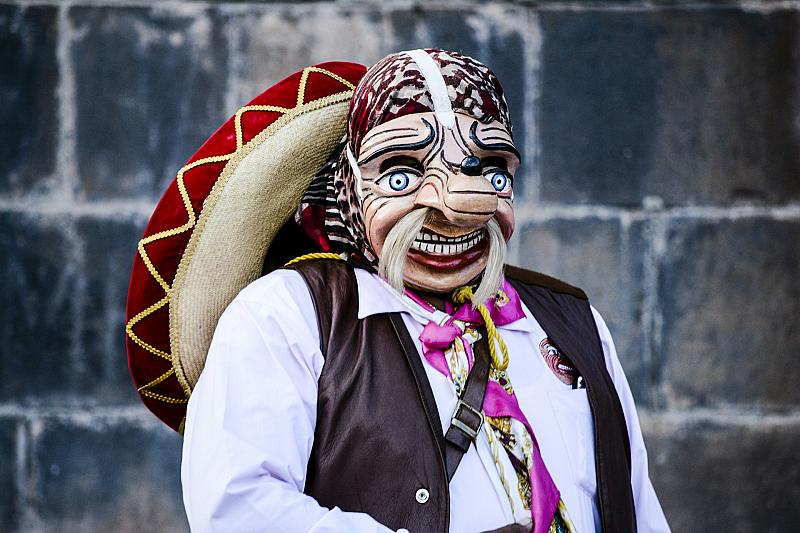
Jarramplas (Piornal)
Jarramplas is a traditional winter festival in Piornal (Extremadura), typically around 19–20 January, where a masked character is pelted with turnips in a ritual tied to local identity and devotion to San Sebastián.
 June
June
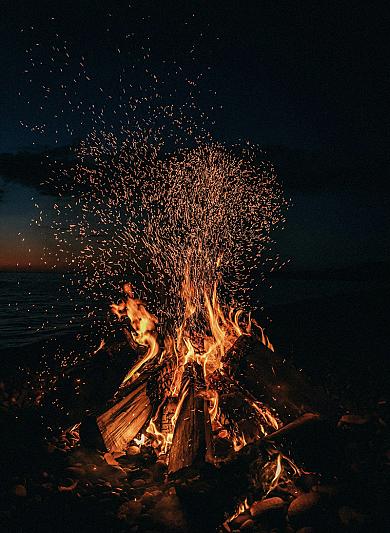
Feria de San Juan
Badajoz's biggest celebration brings a week of colourful casetas, flamenco, bullfighting and fireworks to the Extremaduran capital every June around St John's Day.
How to Get There
Extremadura has no major international airport; most visitors arrive via Madrid (around 3–4 hours by road or rail to Cáceres) or Seville. Renfe trains and regional buses connect Cáceres, Mérida and Badajoz reasonably well, but a car opens up the wider region's smaller towns and dehesa landscapes.
Tips & Advice
Extremadura sees a fraction of the tourism of comparable historic regions — a genuine draw if you want Roman ruins or medieval old towns without crowds. Summer heat is intense; spring and autumn are more comfortable. WOMAD Cáceres books accommodation up fast despite the region's usual quiet, so plan ahead for late May.