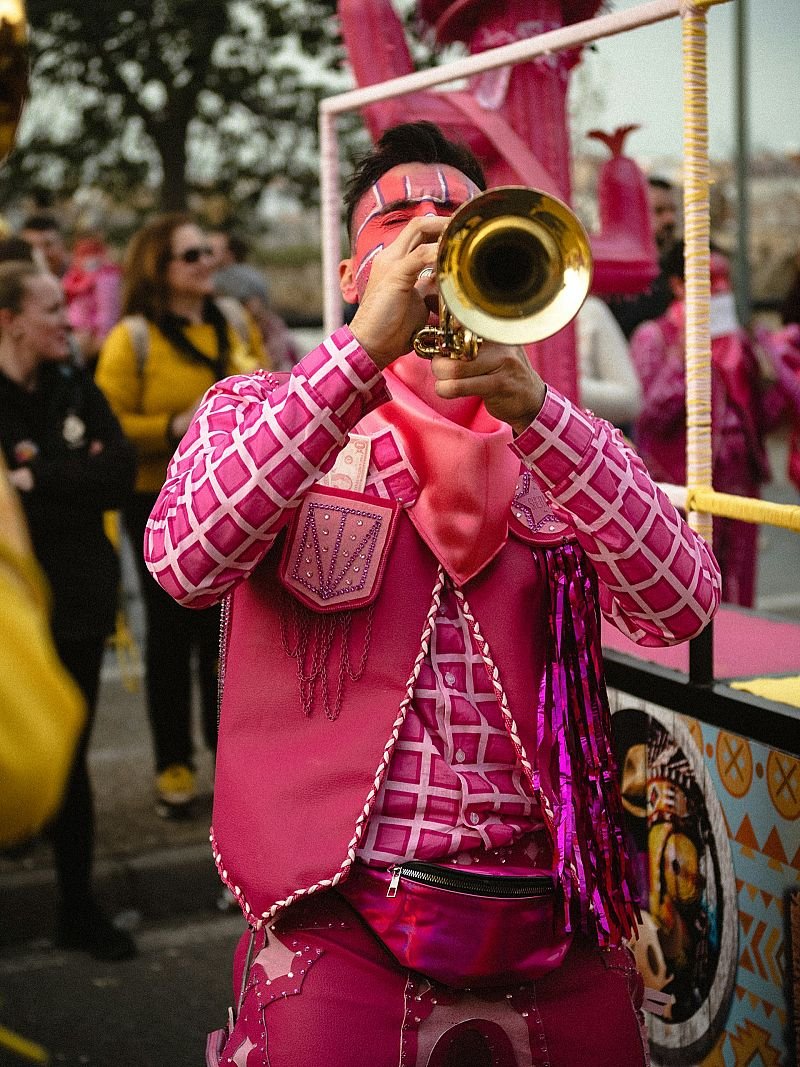
Carnaval de Badajoz
The Carnaval de Badajoz is mainland Spain's largest carnival celebration, with over 100,000 people parading through the streets in spectacular comparsas and murgas. Declared a Fiesta of International Tourist Interest, it rivals the Canary Islands carnivals in scale and creativity.
Highlights
- Mainland Spain's largest carnival — 100,000+ participants
- Grand Parade with groups of up to 500 costumed dancers
- International Tourist Interest designation
- Spectacular Entierro de la Sardina closing ceremony
- Comparsas spend months preparing handmade costumes
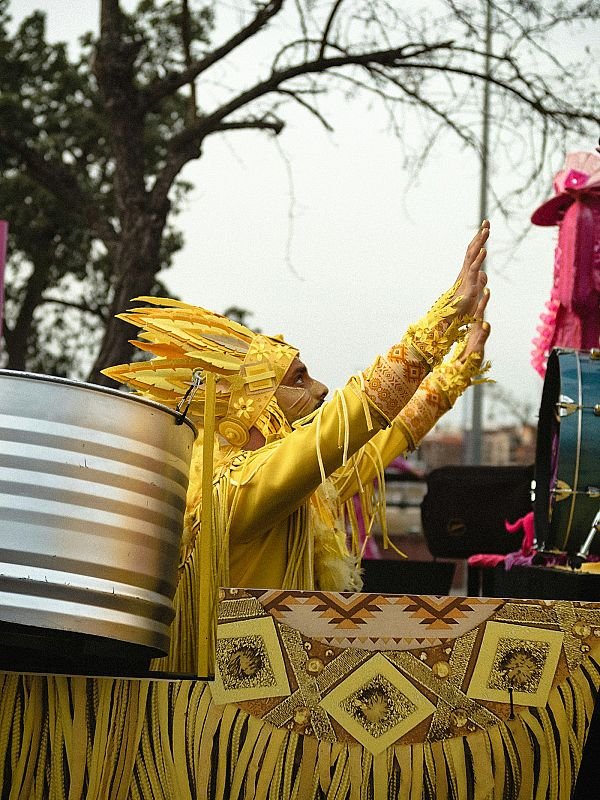
Badajoz's Carnival is the biggest on mainland Spain, surpassing even Cádiz in sheer participant numbers. Over 100,000 people take to the streets in elaborate costumes as part of comparsas (choreographed groups) and murgas (satirical musical groups).
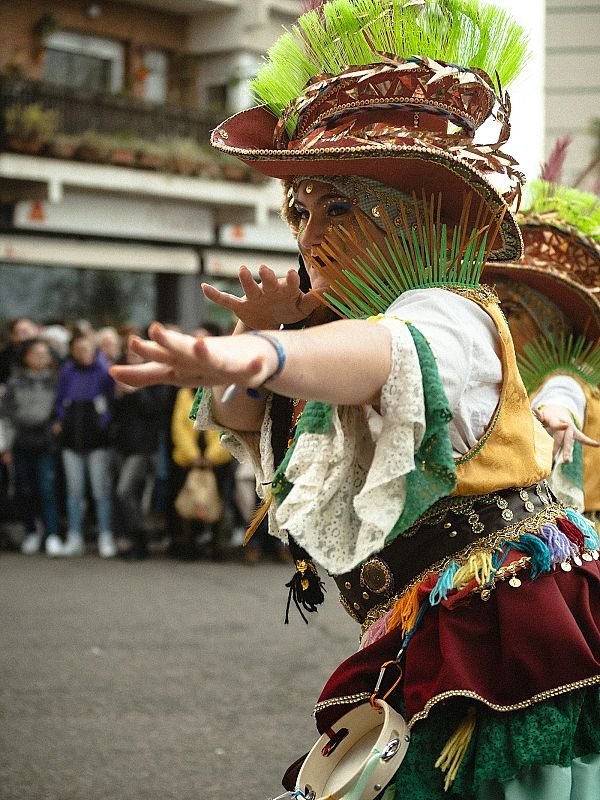
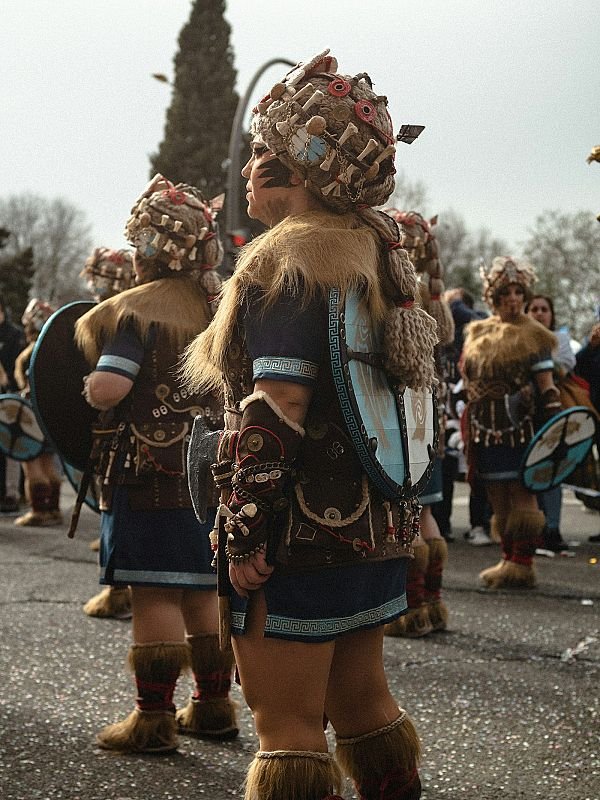
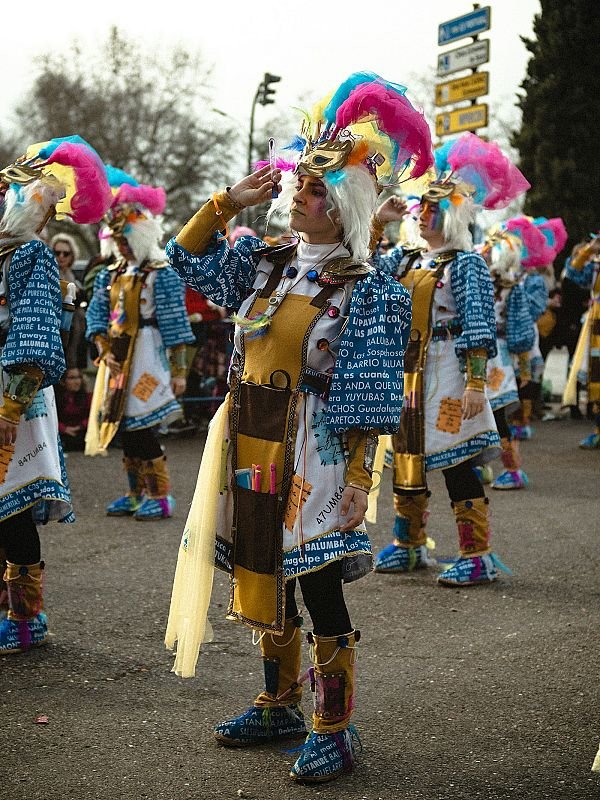
The highlight is the Grand Parade on Sunday, where groups of up to 500 people perform synchronised routines in handmade costumes that can cost thousands of euros per set. The creativity and production values rival professional shows.
Unlike Cádiz's humour-focused carnival, Badajoz emphasises spectacle, colour, and choreography. The Entierro de la Sardina (Burial of the Sardine) closes the festivities on Shrove Tuesday with a surreal parade and fireworks.
Gallery
History & Origins
Badajoz's carnival tradition dates to the 19th century but was banned under Franco. Revived in 1981, it has grown explosively to become the peninsula's largest. It was declared a Fiesta of International Tourist Interest in 2011.
What to Expect
The Grand Parade on Sunday is the main event — hours of non-stop comparsas and murgas. The atmosphere is family-friendly during the day and wilder at night. The Entierro de la Sardina on Tuesday is surreal and moving.
How to Get There
By Train: RENFE from Madrid (4.5h) or Seville (3h). By Car: On the A-5 from Madrid (400 km). By Air: Nearest airport: Seville (SVQ, 220 km) or Lisbon (LIS, 230 km).
Tips & Advice
- The Sunday Grand Parade is the must-see event
- Arrive early for a spot on Calle San Juan
- Hotels are affordable compared to other carnival cities
- Try the local migas extremeñas and jamón ibérico
- Badajoz is near the Portuguese border — combine with a visit to Elvas
Plan Your Trip
Book accommodation and transport for this festival. Get the best deals on hotels and train tickets.
This page contains affiliate links. We may earn a commission at no extra cost to you.
WOMAD Cáceres
World of Music, Arts and Dance transforms the UNESCO medieval old town into a global music stage. Free concerts and workshops by artists from Africa, Asia, and Latin America.
 June
June
Feria de San Juan
Badajoz's biggest celebration brings a week of colourful casetas, flamenco, bullfighting and fireworks to the Extremaduran capital every June around St John's Day.
 January
Jarramplas (Piornal)
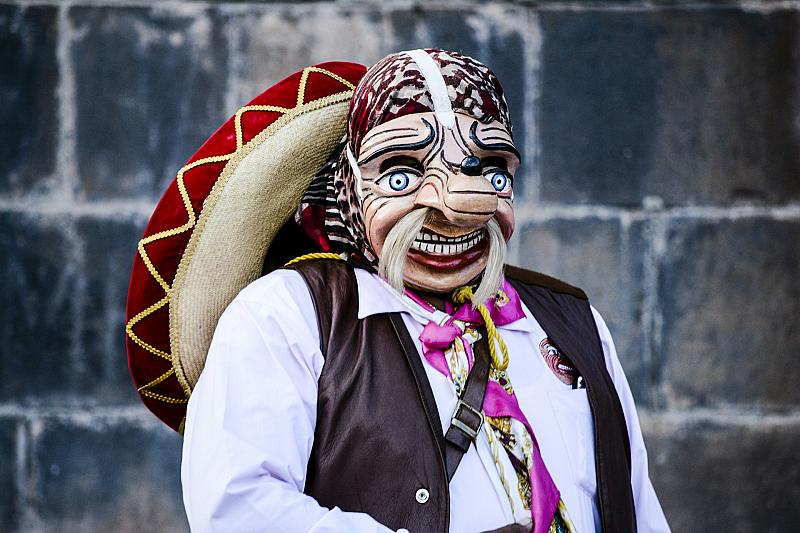
Jarramplas is a traditional winter festival in Piornal (Extremadura), typically around 19–20 January, where a masked character is pelted with turnips in a ritual tied to local identity and devotion to San Sebastián.