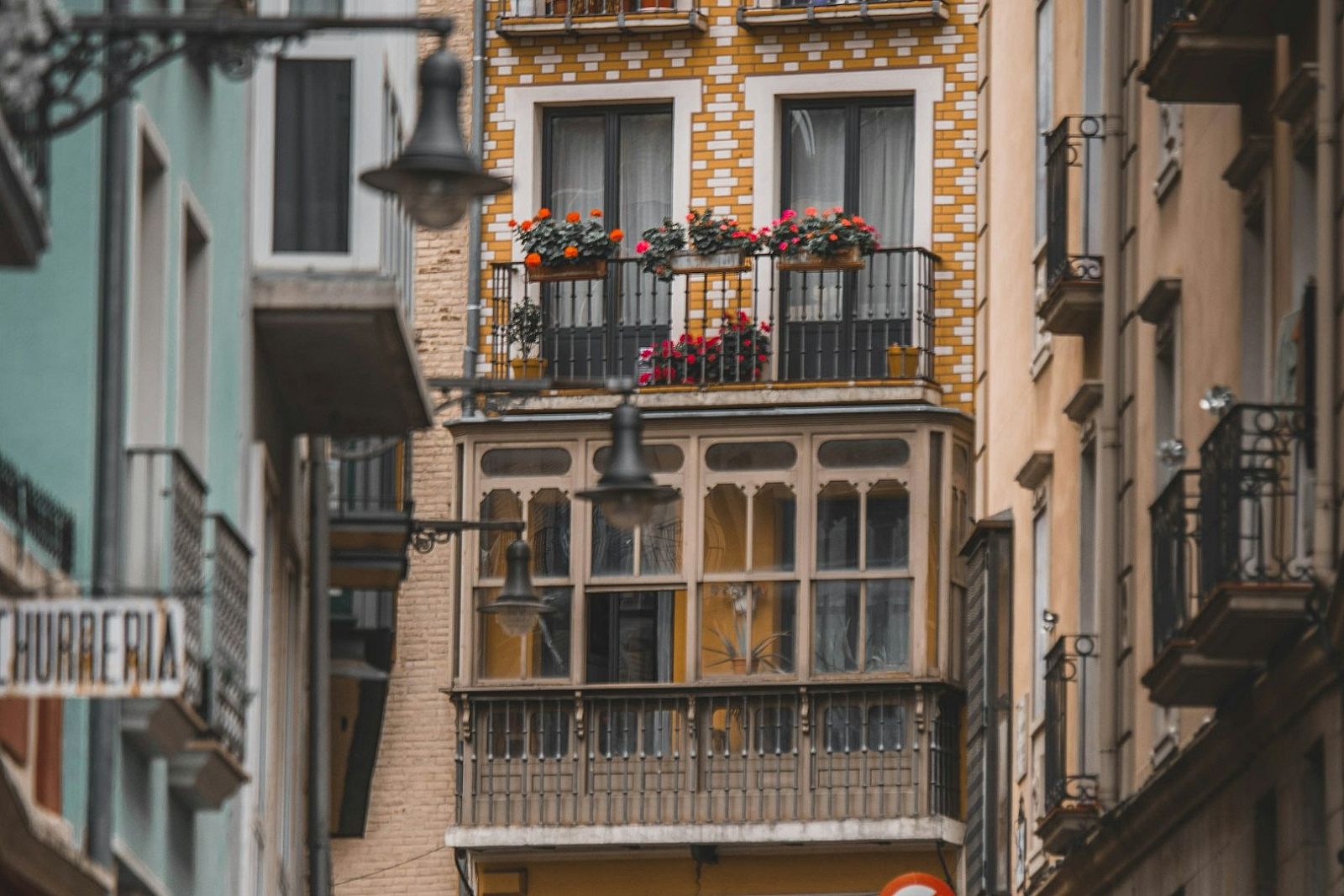
San Fermín
The Fiestas de San Fermín are among the most famous and adrenaline-charged festivals in the world. Held annually in Pamplona, the capital of Navarre, the festival draws over a million visitors every July for nine non-stop days of bullfighting, parades, music, and the legendary encierro — the Running of the Bulls.
Highlights
Ernest Hemingway immortalised San Fermín in his 1926 novel The Sun Also Rises, and the festival has only grown in global fame since. Whether you run, watch, dance, or simply absorb the electric atmosphere of nine straight days of celebration, San Fermín offers an experience that is raw, joyful, and unlike anything else on earth.
Date & Schedule
| Detail | Info |
|---|---|
| Festival dates 2027 | 6–14 July 2027 |
| Opening ceremony (Chupinazo) | 6 July at 12:00 noon |
| Running of the Bulls (Encierro) | Daily 7–14 July at 08:00 |
| Bullfights (corridas) | Daily at 18:30 |
| Closing ceremony (Pobre de Mí) | 14 July at midnight |
| Location | Pamplona, Navarre, Spain |
The Running of the Bulls – Encierro
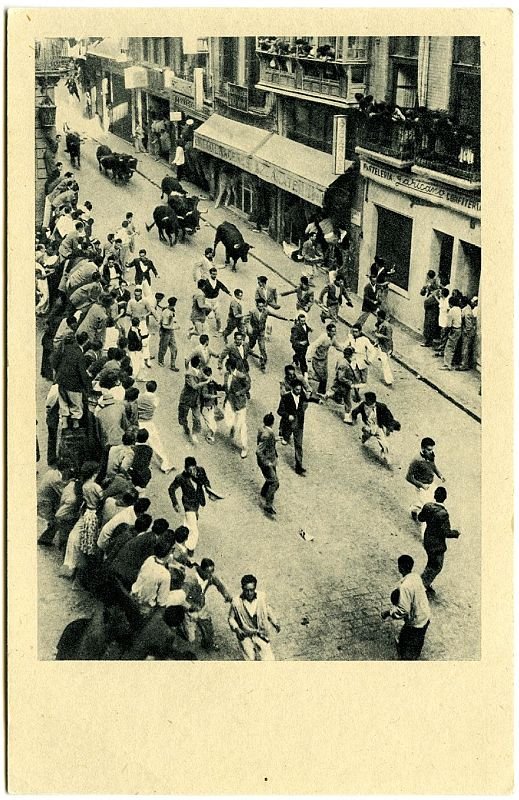
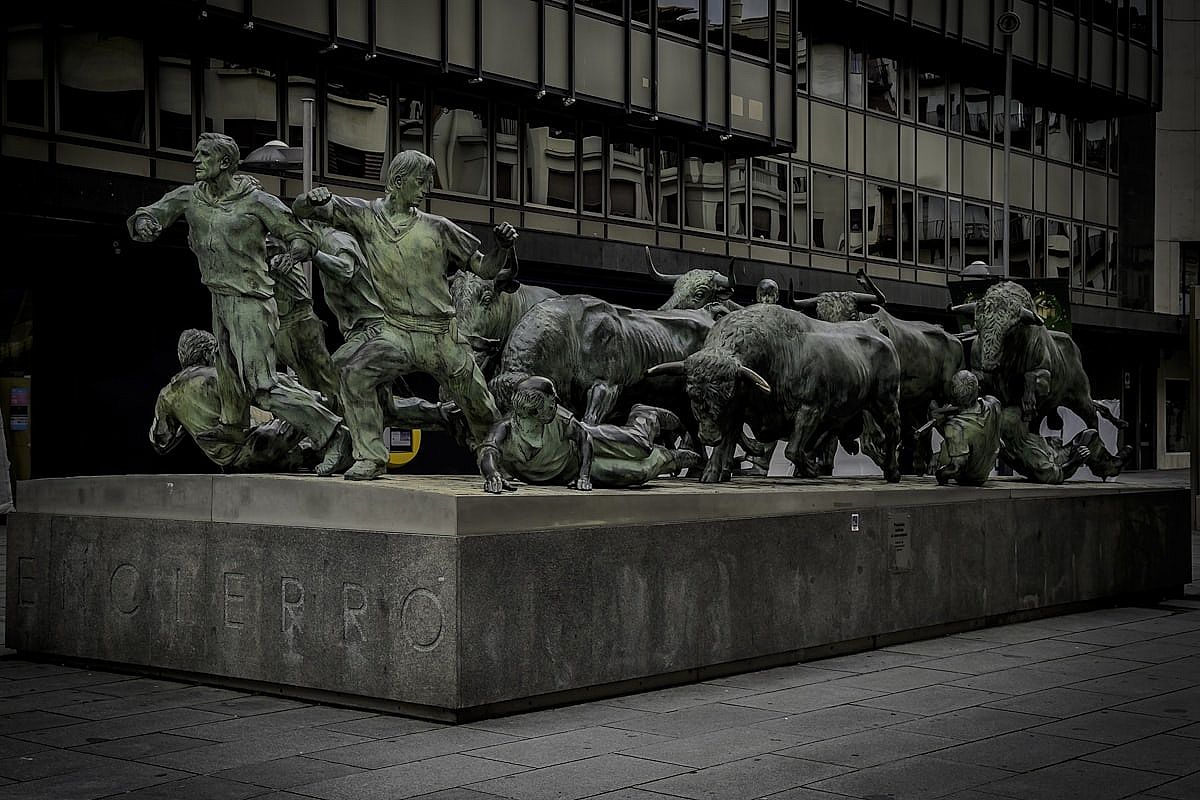
The encierro is the festival's defining event. Every morning at 8:00 am, six fighting bulls and six steers run a course of 848 metres through the narrow cobblestone streets of Pamplona's old town, chased by hundreds of runners.
The Encierro Route
The route begins at Santo Domingo street and ends at the Plaza de Toros (bullring), passing through:
- Calle Santo Domingo – steepest section, bulls accelerate fast
- Plaza Consistorial – the town hall square, first bottleneck
- Calle Mercaderes – long straight stretch
- Curva de Telefónica – the most dangerous bend, many falls happen here
- Calle Estafeta – the longest section, where most runners participate
- Callejón – narrow entrance into the bullring
Duration
The run typically lasts 3–4 minutes, though incidents can extend it. It's short, intense, and utterly unpredictable.
Daily Programme
| Time | Activity |
|---|---|
| 07:30 | Runners gather at Santo Domingo |
| 08:00 | First rocket fired — bulls released |
| 08:03–08:10 | Run ends at the bullring |
| Morning | Brass bands (txarangas) through the streets |
| Afternoon | Cultural events, folk dances, open-air concerts |
| 18:30 | Bullfight (corrida de toros) at Plaza de Toros |
| Night | Outdoor parties, fireworks, open-air concerts |
Tickets & Bullfights
- Encierro (running): Free to participate — no ticket needed
- Watching the encierro: Free from street barriers (arrive by 06:30 to get a spot) or ticketed grandstands
- Bullfights: Tickets from €6 (sun/sol) to €150+ (shade/sombra), sold via the official Plaza de Toros box office
- Encierro grandstand tickets: Very limited, book online months in advance
How to Run With the Bulls – Safety Tips
Running with the bulls is legal but dangerous. Several participants are injured each year, and there have been fatalities.
Rules for runners:
- Must be at least 18 years old
- Do not be under the influence of alcohol
- Run in the same direction as the bulls (never turn back)
- Fall and stay down if you fall — curl up and cover your head
- Do not try to grab or distract the bulls
- Wear proper closed-toe running shoes (not sandals or flip-flops)
- Do not carry bags, cameras, or phones during the run
If you prefer to watch: The best spots are along Calle Estafeta — arrive no later than 06:30.
Other Festival Events
San Fermín is far more than the bull run. The nine days are filled with:
- Chupinazo – the spectacular opening rocket ceremony at City Hall
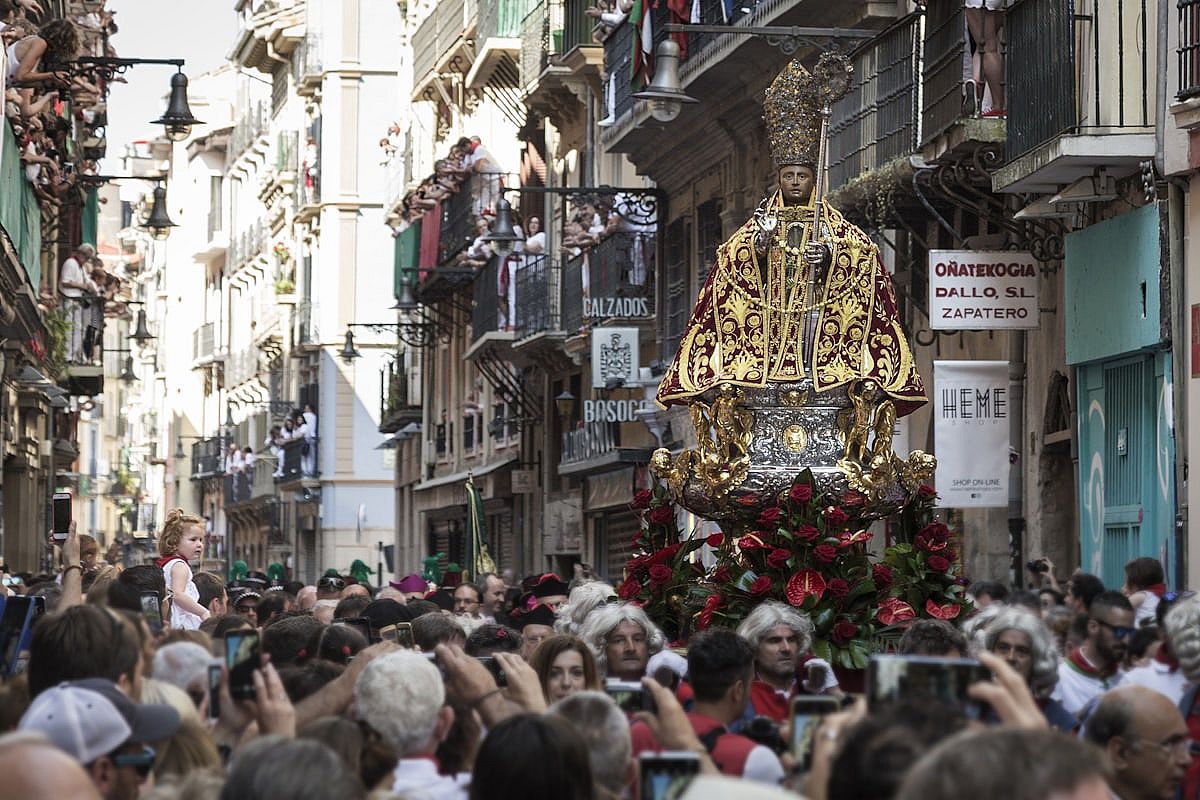
- Procession of San Fermín – religious parade on July 7
- Gigantes y Cabezudos – giant puppet parades
- Txaranga bands – brass bands parading through the city all day
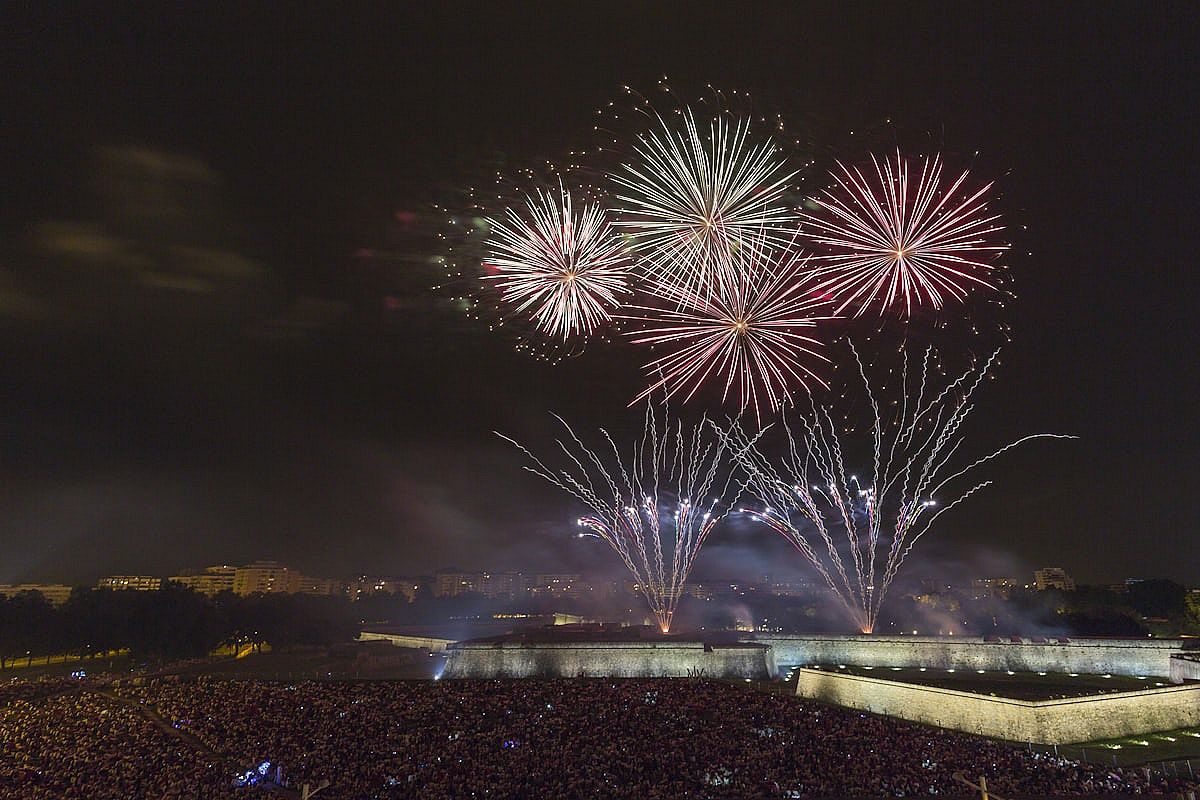
- Fireworks (Fuegos Artificiales) – nightly spectacular displays
- Riau-Riau – traditional political procession
- Pobre de Mí – emotional closing ceremony at midnight on July 14
Where to Stay
Accommodation in Pamplona during San Fermín is extremely limited and expensive. Book at least 6–8 months in advance.
- Pamplona hotels – most convenient but most expensive (×3–5 normal price)
- Nearby towns – Logroño (90km), Zaragoza (200km), San Sebastián (80km): many visitors commute daily
- Camping – Several organised campsites open specifically for the festival near Pamplona
- Peñas – Private festival clubs with accommodation packages for members
Weather in Pamplona in July
- Average temperature: 24–28°C
- Possibility of rain: moderate (Navarre is wetter than southern Spain)
- Pack a light rain jacket — afternoons can turn stormy
Gallery
Video
History & Origins
Devotion to Saint Fermín in Pamplona is documented from at least the 12th century. According to tradition he was the son of a Roman senator who converted to Christianity, became Pamplona's first bishop, and was martyred by beheading in Amiens, France — a story tied to July because it marks the transfer of his relics, even though the earliest festivities in his honour were held in October, closer to the anniversary of his death.
In 1591, the city council moved the religious feast to July and merged it with the Feria, a civic and commercial fair already held that month, when better weather brought more traders, cattle merchants and visitors to Pamplona. The encierro grew directly out of that cattle fair: drovers needed to move bulls quickly from pens outside the city walls to the bullring ahead of the afternoon's corridas, and young men began running alongside and ahead of the herd, first as a practical shortcut and increasingly as a show of nerve. What started as an informal, unregulated dash was gradually formalised over the 19th and early 20th centuries with fixed barriers, a set route and a fixed starting time as the crowds grew.
International fame came later and from an unlikely source: Ernest Hemingway's 1926 novel The Sun Also Rises, written after his own visits to the festival, turned San Fermín from a fiercely loved regional fiesta into a bucket-list event for travellers worldwide — Pamplona later placed a bust of the author near the bullring in recognition. The core of the festival has stayed remarkably constant since: the chupinazo rocket that opens nine days of celebration, the daily encierro, the religious procession, and the midnight Pobre de Mí that closes it, even as the crowds following Hemingway's readers have turned a local saint's day into one of the most recognised festivals on earth.
What to Expect
For nine days, Pamplona runs on almost no sleep. The rhythm repeats daily: the encierro at eight each morning, brass bands and street performers filling the old town through the day, a bullfight each evening, and open-air parties that run past dawn — many locals and regulars simply stay up all night rather than try to sleep between one day's close and the next day's run. Expect crowded streets, constant noise, the smell of sangria and grilled food, and an atmosphere that swings between reverent (during the religious procession) and completely uninhibited (everywhere else).
The iconic San Fermín outfit is mandatory for full immersion:
- White shirt and white trousers
- Red neckerchief (pañuelo rojo)
- Red sash (faja roja) around the waist
The red pañuelo is tied loosely around the neck on 6 July at noon during the Chupinazo opening ceremony and worn throughout the festival.
How to Get There
By bus: The easiest option. Regular coach services from Madrid (5h), Barcelona (4h), Bilbao (1.5h), and San Sebastián (1h). Bus station is a short walk from the old town.
By train (Renfe): From Madrid (3h via high-speed), Zaragoza (1.5h), and other cities. The train station is 15 minutes' walk from the centre.
By car: Pamplona is well connected by motorways. However, parking during the festival is extremely difficult — use park-and-ride facilities outside the city.
By air: Pamplona Airport (PNA) has limited routes. Bilbao Airport (BIO, 1.5h away) and Zaragoza Airport (ZAZ, 1.5h) are better-connected alternatives.
Tips & Advice
Is it free to attend San Fermín? Most events are free — the encierro, concerts, parades, and street parties. Only bullfight tickets are paid.
Is the Running of the Bulls cruel to animals? The encierro ends at the bullring, where the bulls later participate in the afternoon corrida. This is a highly debated ethical issue — animal rights groups protest the event annually.
Can women run? Yes. Women have participated in the encierro since 1974, though they were only officially permitted from 1978 onwards.
What language is spoken? Spanish (Castellano) and Basque (Euskara). Most locals and tourism staff also speak English.
Plan Your Trip
Book accommodation and transport for this festival. Get the best deals on hotels and train tickets.
This page contains affiliate links. We may earn a commission at no extra cost to you.