Feria de Ceuta & Virgen de África
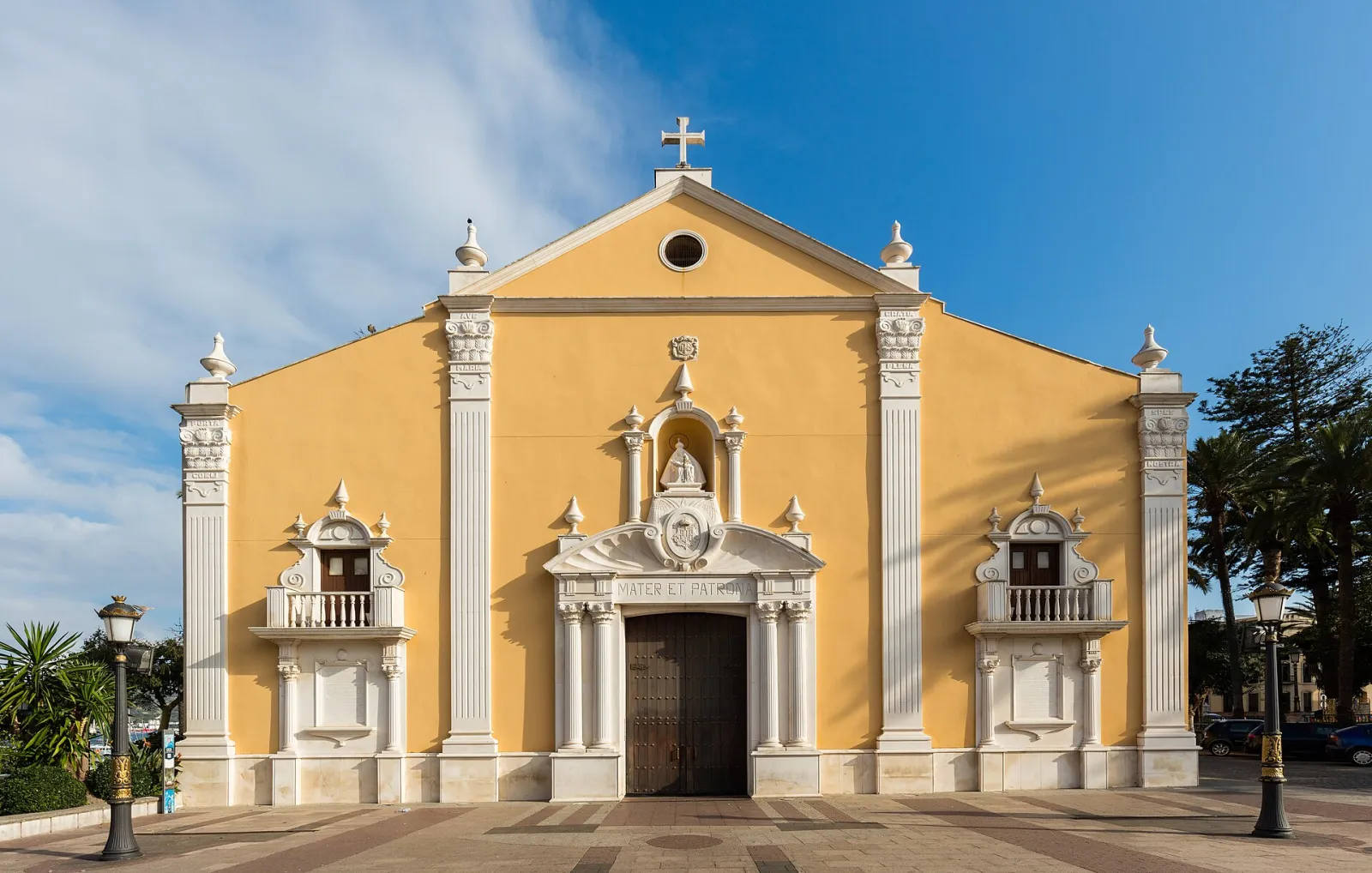
Every August Ceuta honours its patron saint, Santa María de África, with a flower offering on 4 August, a procession through the city on 5 August and about a week of feria with casetas, rides and concerts at La Marina, a few steps from the port.
The days that matter
-
Late Jul–4 Aug
Novena
Nine evenings of worship in the Church of Santa María de África before the feast day.
-
4 Aug
Ofrenda Floral
Families, brotherhoods and associations carry flowers to the Virgin on Plaza de África.
-
5 Aug evening
Procession of the Virgen de África
The patron saint's procession through the centre; the image is turned to face the Strait of Gibraltar.
-
Early Aug
Feria at La Marina
About a week of casetas, rides and concerts by the port; 2027 dates still to be announced.
What Feria de Ceuta & Virgen de África is like
- Procession
- Flowers
- Night
- Free
- Noise
- Quiet devotion at the plaza, loud music at the fairground
- Fire
- No bonfires; the 2026 plan swapped fireworks for drones
- Crowds
- Busiest at the flower offering and the procession
- Mess
- Nothing thrown, nothing spilled on purpose
- With kids
- Rides and a children's area at the fair
Highlights
Ofrenda Floral to the Virgen de África on 4 August
Procession on 5 August, with the image turned to face the Strait of Gibraltar
A Virgin who holds the aleo, the staff of Ceuta's first governor
Feria with casetas and concerts at La Marina, by the port
Date & Schedule
| Detail | Info |
|---|---|
| Ofrenda Floral | 4 August 2027 (Wednesday) |
| Feast day and procession | 5 August 2027 (Thursday), local holiday in Ceuta |
| Novena | The nine days before 5 August, at the Church of Santa María de África |
| Feria | Usually about eight days around the start of August; the 2027 dates are not announced yet |
| Where | Plaza de África (church and procession); fairground at La Marina, by the port |
| Cost | Religious events, fairground and casetas are free; some big concerts are ticketed |
The religious days are fixed: the flower offering is always on 4 August and the procession on 5 August. The city agrees the dates of the feria each year with the showmen's association, and in 2026 it announced them the December before, so check again in winter.
The Virgin with the governor's staff
Santa María de África is Ceuta's patron saint and its Alcaldesa Perpetua (perpetual mayor). Her sanctuary on Plaza de África goes back to the Portuguese city of the 15th century. The image holds the aleo, the staff that, according to the legend, the first Portuguese governor Pedro de Meneses carried when he told King John I in 1415 that he needed nothing more to defend Ceuta. The staff is still the symbol of command in the city, which is why the Virgin's days feel civic as much as religious.
Ofrenda Floral (4 August)
The flower offering is the day with the most people on the street. Families, brotherhoods, schools and associations walk to Plaza de África with bouquets for the Virgin, and the flowers pile up in front of her image through the evening.
The procession (5 August)
On the feast day there is a solemn mass and, in the evening, the procession of the Virgin through the centre. The best-known moment is when the bearers turn the image to face the Strait of Gibraltar, towards the mainland. The procession often ends late: in 2019 the closing fireworks were delayed because the Virgin had not yet returned to her church at midnight.
The feria at La Marina
The feria fills the fairground at La Marina with casetas (food and drink marquees run by associations and bars), rides and a stage at the Auditorio de la Marina. The 2026 programme, for example, planned 38 casetas, tribute concerts, a flamenco night, a carnival night with local chirigotas and a drone show instead of fireworks. Around the fiestas the city also holds the Trofeo de Feria football match at the Estadio Alfonso Murube, the open-water Travesía a nado al Puerto (2,500 metres, in its 82nd edition in 2026) and a dinner for the city's older residents.
The 2026 edition
On 31 July 2026 the city government suspended the feria, which was due to open the next day, because of the situation created by the arrival of thousands of people from Morocco. The novena, the flower offering on 4 August and the procession on 5 August went ahead with special security arrangements. The city said the feria would return when conditions allow.
Weather in Ceuta in August
- Warm and humid, usually in the high 20s °C by day
- The levante wind from the east can be strong and sometimes delays ferries
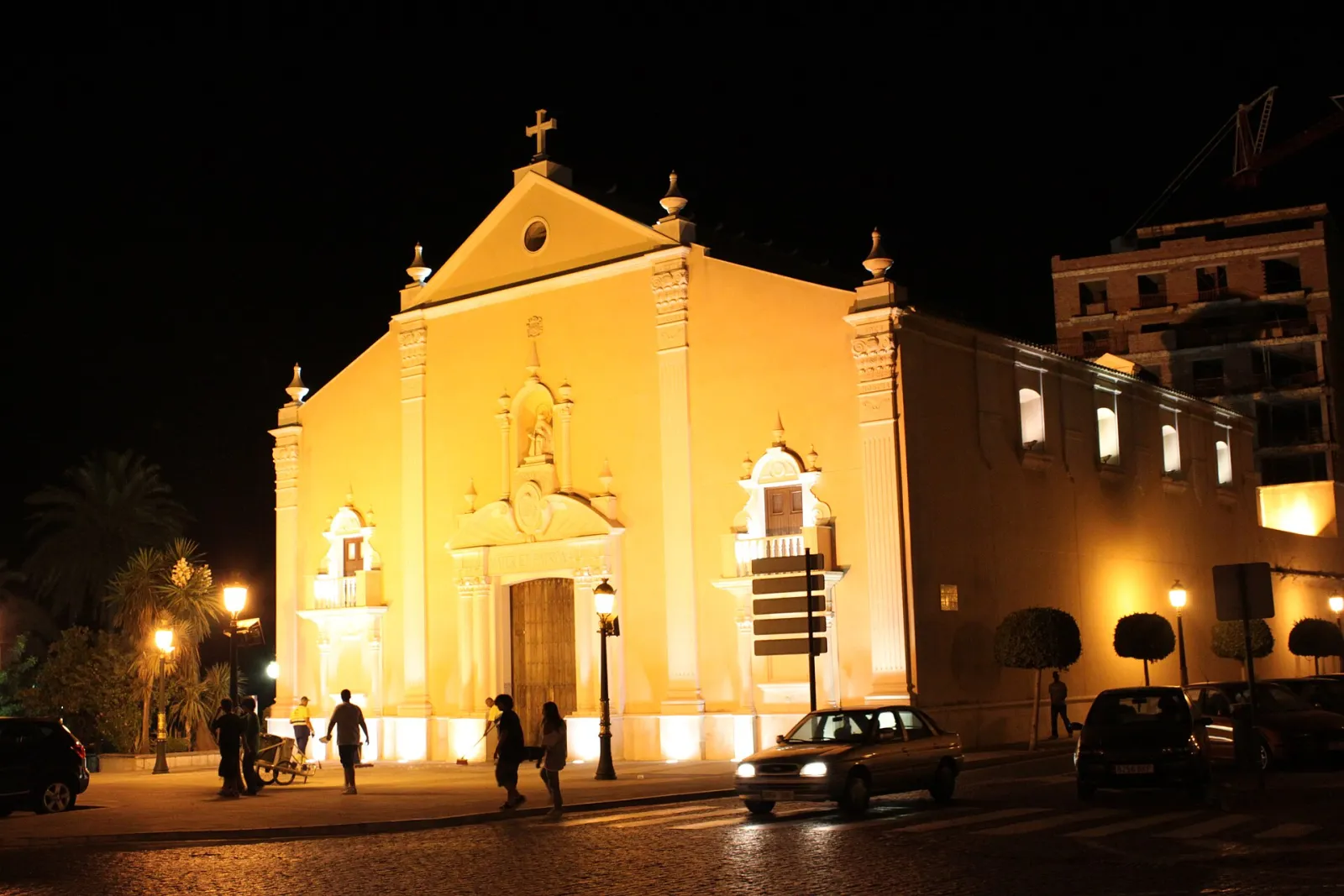
- Evenings by the sea are pleasant: most of the feria happens after dark
Sources
Gallery
History & Origins
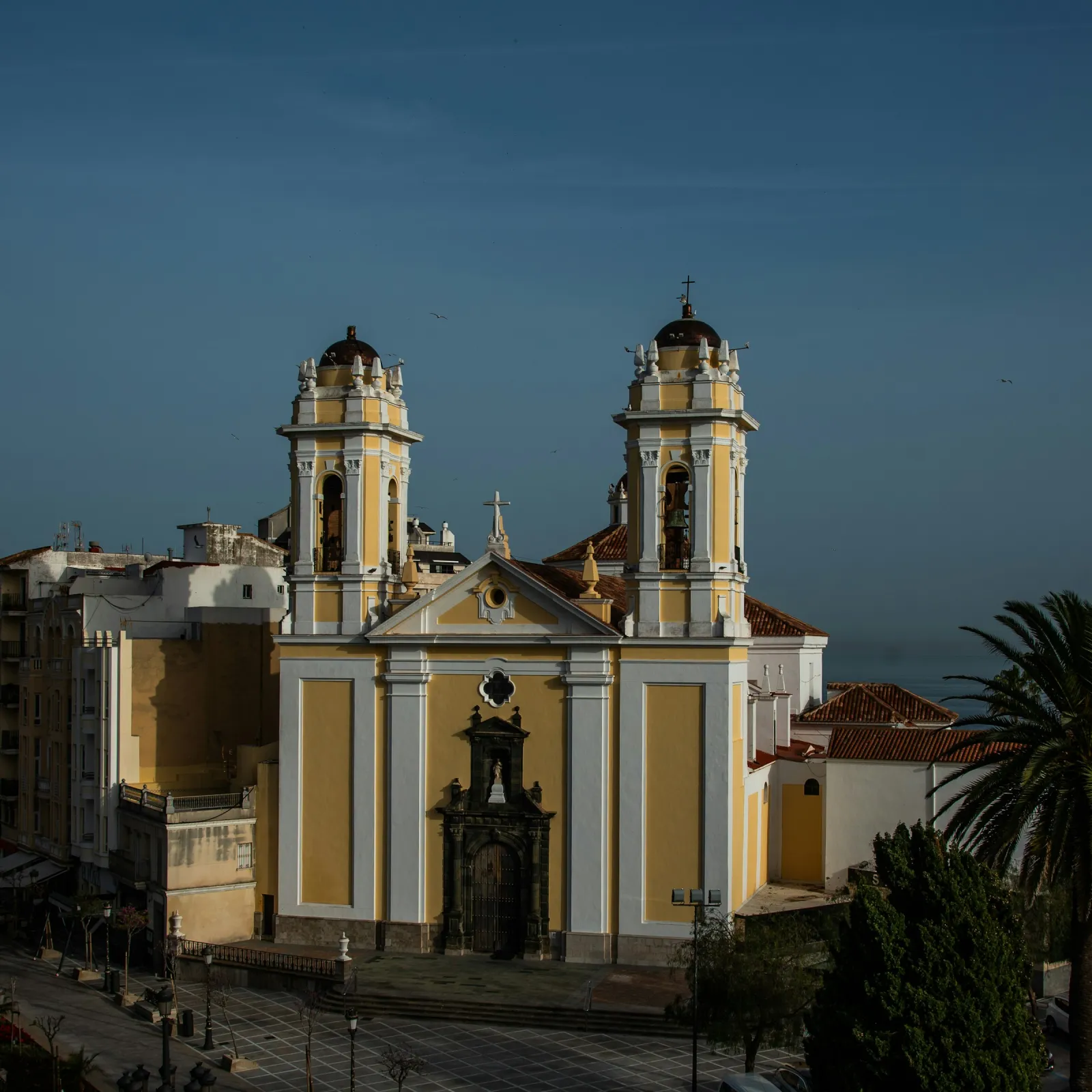
Portugal took Ceuta in 1415, and the sanctuary of Santa María de África dates from that Portuguese city. When Portugal broke away from the Spanish crown in 1640, Ceuta chose to stay with Spain. The Virgin of Africa, today the city's patron saint and perpetual mayor, holds the aleo associated with Pedro de Meneses, the first governor. The August fiestas join that devotion with a summer feria that is now, with the carnival, the city's biggest popular celebration.
What to Expect
Two moods side by side. Around Plaza de África it is a devotional fiesta: the novena in the evenings, the queue of the flower offering on the 4th and the slow procession on the 5th, with a lot of emotion when the Virgin turns towards the Strait. Down at La Marina it is an Andalusian-style feria: casetas with food and drink, music and dancing, rides for children and concerts that start late. Many locals do both on the same night.
How to Get There
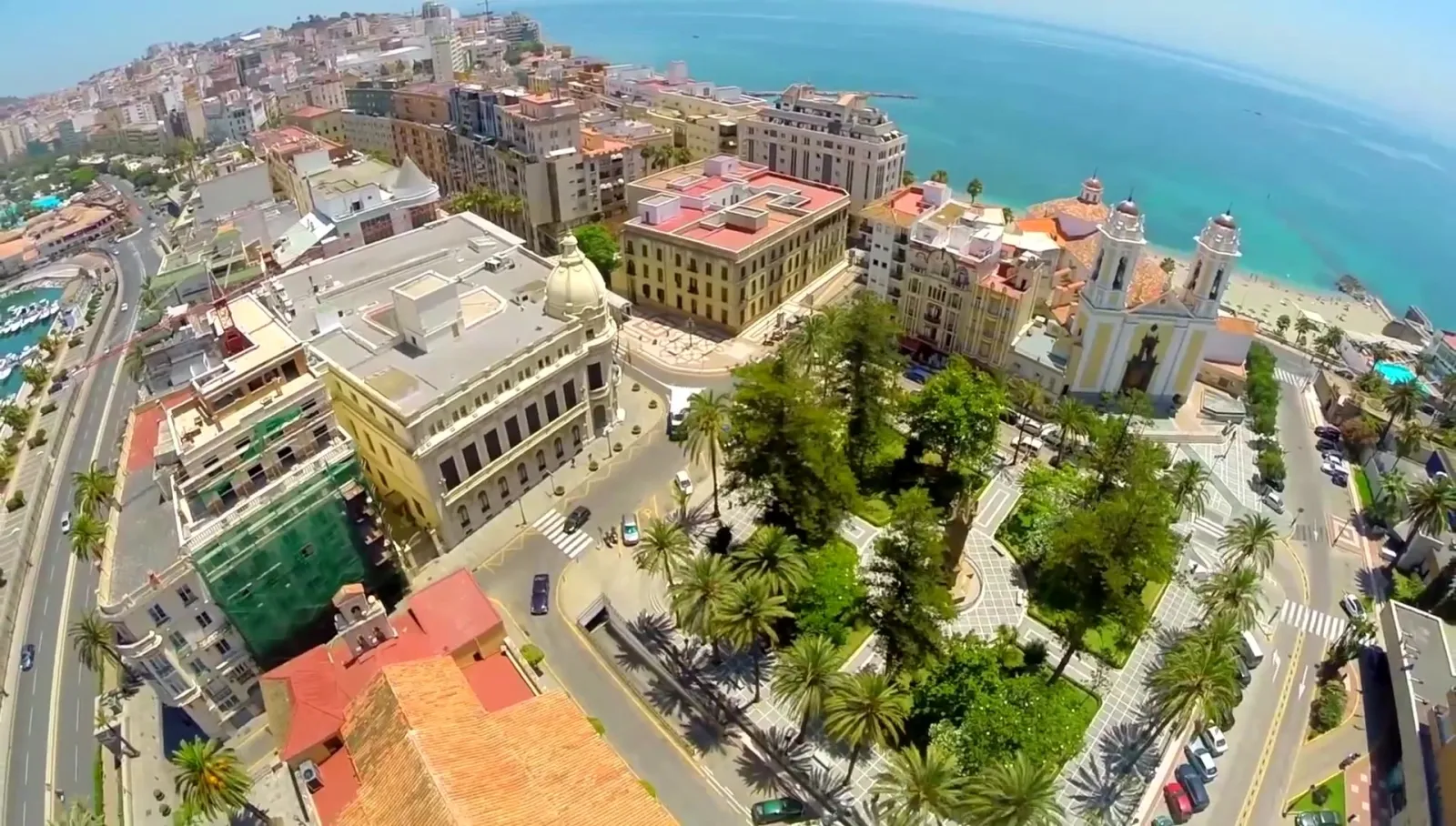
By ferry: from Algeciras, about an hour; book early for the first week of August, the busiest of the summer. By helicopter: scheduled flights link Ceuta with Algeciras and Málaga. By train: Renfe runs to Algeciras, from where the ferry terminal is a short walk. In Ceuta, Plaza de África and La Marina are both in the centre, ten minutes on foot from the port.
Tips & Advice
- Book the ferry and your room as soon as the feria dates are out: early August is peak season on the Strait.
- For the procession, find a spot near Plaza de África early in the evening; the turn towards the Strait is the moment everyone waits for.
- Visitors can join the flower offering on the 4th: bring a bouquet and follow the queue to the plaza.
- Carry ID: you need it on the ferry, and Ceuta is outside the EU customs union.
- Check the city's announcements before travelling: in 2026 the feria was suspended at the last minute while the religious events went ahead.
- More festivals and places to stay: our Ceuta guide.
Photos: Diego Delso / CC BY-SA 4.0 / Wikimedia Commons; carlos corzo / CC BY-SA 3.0 / Wikimedia Commons; JJ Producciones / CC BY 3.0 / Wikimedia Commons; Gunnar Ridderström / Unsplash
Carnaval de Ceuta
Ceuta, CeutaCeuta's carnival is a little sister of Cádiz across the Strait: weeks of comparsas and chirigotas singing satirical coplas at the Teatro Auditorio del Revellín, a costume parade through the centre and, to close, the Entierro de la Caballa, the burial of a mackerel, the fish that gives Ceutans their nickname.
Día de la Mochila
Ceuta, CeutaOn 1 November, All Saints' Day, Ceuta does something no other Spanish city does: families and friends fill a mochila (bag) with chestnuts, walnuts, hazelnuts and seasonal fruit and spend the day in the hills, the picnic areas and on the beaches, singing a song every Ceutí child knows.
Misteri d'Elx (Mystery of Elche)
Elche, ValenciaThe Misteri d'Elx is a medieval liturgical drama depicting the Assumption of the Virgin Mary, performed entirely in verse and song inside the Basilica of Santa María. UNESCO declared it a Masterpiece of the Oral and Intangible Heritage of Humanity in 2001 — it has been performed uninterrupted since the 15th century.
Semana Santa
Seville, AndalusiaSemana Santa (Holy Week) is arguably Spain's most emotionally powerful and visually stunning festival. In the week leading up to Easter Sunday, cities and towns across the country fill with solemn religious processions, haunting music, clouds of incense, and enormous ornate floats (pasos) carried by hundreds of robed nazarenos.