Día de la Mochila
On 1 November, All Saints' Day, Ceuta does something no other Spanish city does: families and friends fill a mochila (bag) with chestnuts, walnuts, hazelnuts and seasonal fruit and spend the day in the hills, the picnic areas and on the beaches, singing a song every Ceutí child knows.
The days that matter
-
Late Oct
Mochila at school
Schools hold their own Mochila and teach the song and the story of the custom.
-
1 Nov
All Saints' Day
Many families visit the Santa Catalina cemetery with flowers.
-
1 Nov all day
Día de la Mochila
Families and friends share their mochila of nuts and fruit in the hills, picnic areas and on the beaches.
What Día de la Mochila is like
- Family
- Food & drink
- Free
- Noise
- Chatter and the odd chorus of the Mochila song
- Crowds
- Popular picnic areas fill up; the hills are big enough
- Mess
- Nutshells at most, and you take them home
- With kids
- A children's tradition at heart
Highlights
A tradition from the 19th century found only in Ceuta (and among Ceutís elsewhere)
A bag of chestnuts, walnuts, hazelnuts and fruit shared outdoors
The whole city in the hills, the picnic areas and on the beaches
The traditional song “Mi mochila, no se la come el gallo ni la gallina”
Date & Schedule
| Detail | Info |
|---|---|
| Date | 1 November 2027 (Monday), All Saints' Day, a national holiday |
| When | All day; most groups head out from mid-morning and stay until the afternoon |
| Where | The hills and picnic areas of Ceuta, Monte Hacho, and the beaches |
| Cost | Free; you bring your own mochila |
What is a mochila?
In Ceuta, preparar la mochila means packing a bag with the produce of the season: chestnuts, walnuts, hazelnuts and other nuts, oranges and seasonal sweets, plus home-made sandwiches for lunch. Each generation teaches the next what goes in it. On 1 November families and groups of friends take their mochila to the hills, the merenderos (picnic areas) and the beaches, and share it over a long day outdoors.
The day also has its song. In the hills you may hear groups of children, and not only children, singing the traditional rhyme “Mi mochila, no se la come el gallo ni la gallina” (my mochila won't be eaten by the rooster or the hen).
All Saints' Day too
The Mochila falls on Todos los Santos, and the two traditions live side by side. Many Ceutís visit the Santa Catalina cemetery, where flower stalls set up at the gate, and go to the hills afterwards. The local press sums it up as the Christian and the home-grown sharing one date.
Where to go
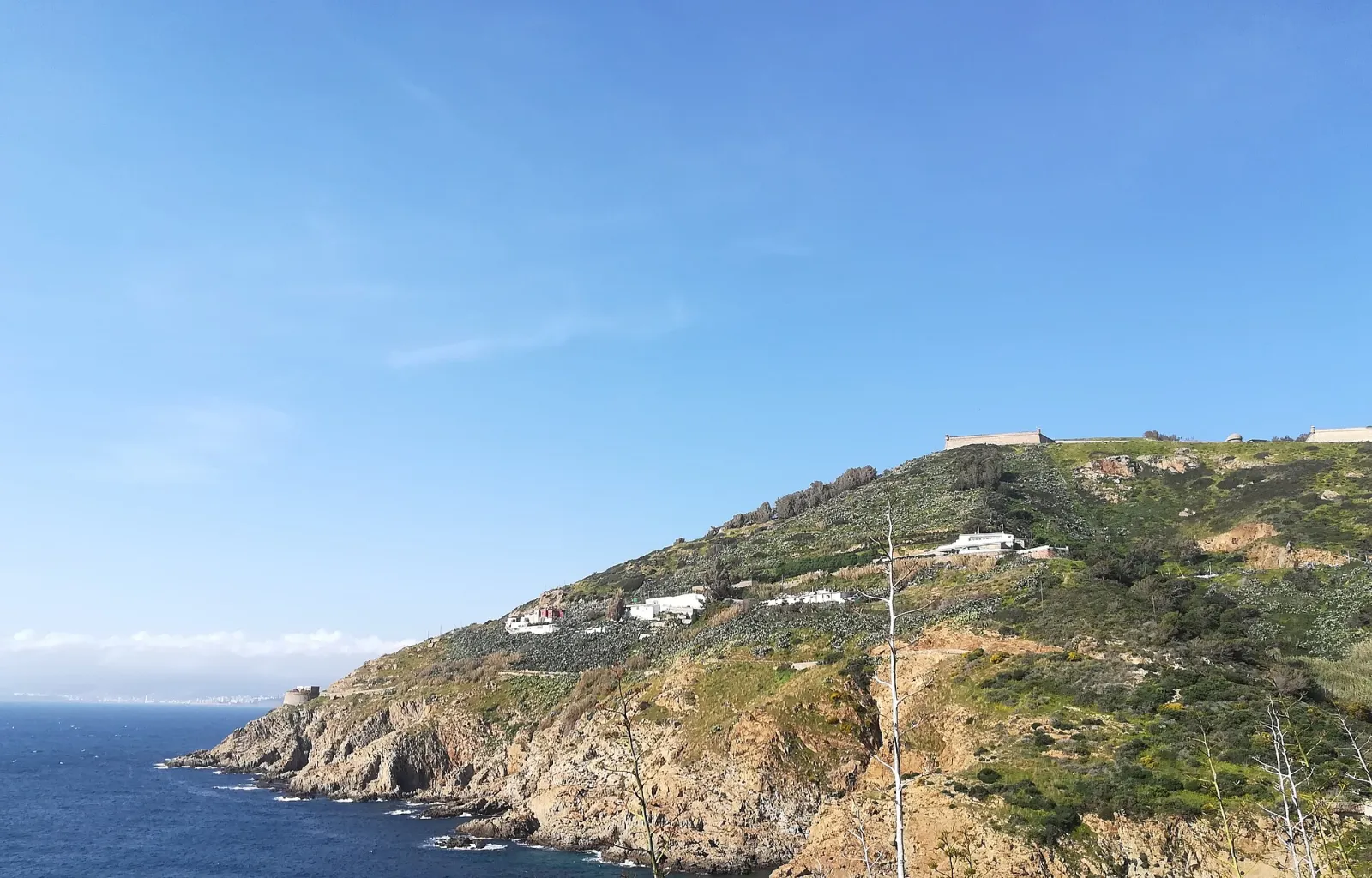
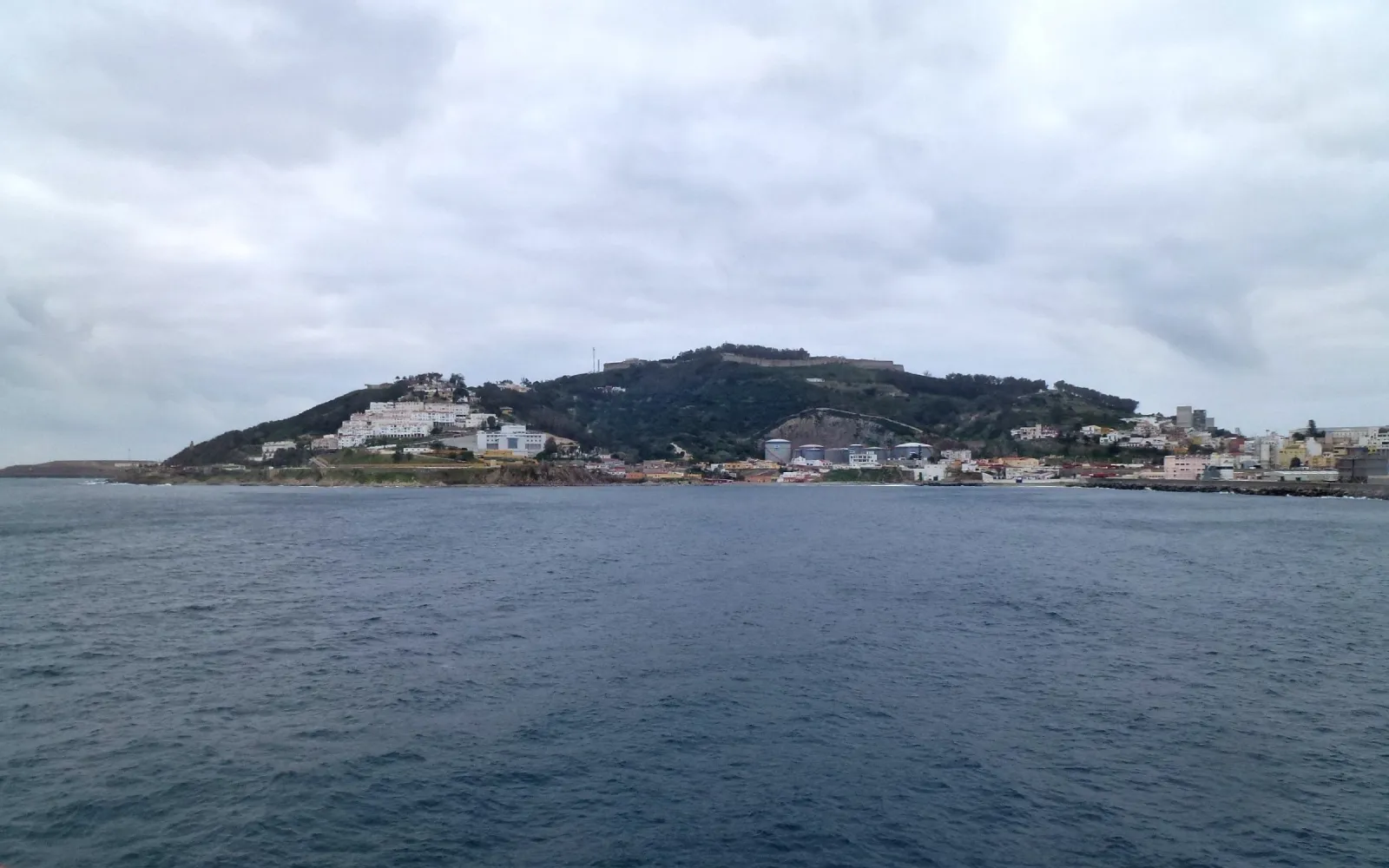
- Monte Hacho: the hill on the peninsula east of the centre, with woods, viewpoints over the Strait and the old fortress on top.
- The hills inland: the wooded slopes and picnic areas towards the border, where the bigger family groups set up for the day.
- Beaches: on a warm 1 November, the beaches fill with groups who prefer sand to pine needles.
Wherever you go, take your rubbish back with you: local associations use the day to remind people to respect nature and the hills.
In schools and beyond Ceuta
Schools celebrate their own Mochila in the days before, with teachers explaining the origin of the custom and teaching the song. The tradition has travelled with Ceutís: it is also kept in Algeciras, and the Casa Regional de Ceuta in Melilla holds its own Mochila every year.
Weather in Ceuta in early November
- Mild, often around 20 °C by day
- Autumn rain is the main risk; a dry 1 November fills the hills, a wet one empties them
Sources
Gallery
History & Origins
Local chroniclers agree the Mochila goes back to the 19th century but not on how it started. One version ties it to the custom of taking flowers to the cemetery for the Day of the Dead on 2 November; another to the arrival of the season's nuts and chestnuts by boat from Málaga. A 1967 article in El Faro de Ceuta describes children hanging up their mochila on the night of 1 November so that the finaos (the dead) could come and taste a little of everything, then eating from it the next morning. Over time the bag of nuts became a day out in the hills for the whole city.
What to Expect
No stage, no programme, no tickets: the Mochila is a day out. Expect busy roads to the hills from mid-morning, picnic areas full of families and groups of friends sharing nuts and fruit, and children with their own little bags. It is a local, family tradition; a visitor who brings a mochila will fit right in.
How to Get There
By ferry: from Algeciras, about an hour; the 1 November holiday weekend is busy, so book ahead. By helicopter: scheduled flights from Algeciras and Málaga. In Ceuta: Monte Hacho is a walk or a short taxi ride from the centre; for the inland hills a car or taxi is easiest.
Tips & Advice
- Pack your own mochila: chestnuts, walnuts, hazelnuts, an orange or two and a sandwich are the classic mix.
- Go early to get a table at the popular picnic areas.
- Check the forecast: rain keeps people at home, and the city suspended the day in 2020 because of COVID.
- Take your rubbish home.
- If you are interested in All Saints' traditions, combine it with a quiet visit to the Santa Catalina cemetery.
- More festivals and places to stay: our Ceuta guide.
Photos: CarlosVdeHabsburgo / CC BY-SA 4.0 / Wikimedia Commons; Sergei Gussev / CC BY 2.0 / Flickr; Xemenendura / CC BY 4.0 / Wikimedia Commons; Hiroki Ogawa / CC BY 3.0 / Wikimedia Commons
Feria de Ceuta & Virgen de África
Ceuta, CeutaEvery August Ceuta honours its patron saint, Santa María de África, with a flower offering on 4 August, a procession through the city on 5 August and about a week of feria with casetas, rides and concerts at La Marina, a few steps from the port.
Carnaval de Ceuta
Ceuta, CeutaCeuta's carnival is a little sister of Cádiz across the Strait: weeks of comparsas and chirigotas singing satirical coplas at the Teatro Auditorio del Revellín, a costume parade through the centre and, to close, the Entierro de la Caballa, the burial of a mackerel, the fish that gives Ceutans their nickname.
Humanitarios de San Martín
Moreda (Aller), AsturiasMoreda de Aller spends every 11 November on its Humanitarios fiesta: pipe bands, cow-drawn carts and cider in the streets, then fabada and panchón at lunch.
Feria de Todos los Santos
Cocentaina, ValenciaA 680-year-old agricultural and livestock fair in Cocentaina, Valencia, drawing hundreds of thousands of visitors around All Saints' Day.