Humanitarios de San Martín
Moreda de Aller spends every 11 November on its Humanitarios fiesta: pipe bands, cow-drawn carts and cider in the streets, then fabada and panchón at lunch.
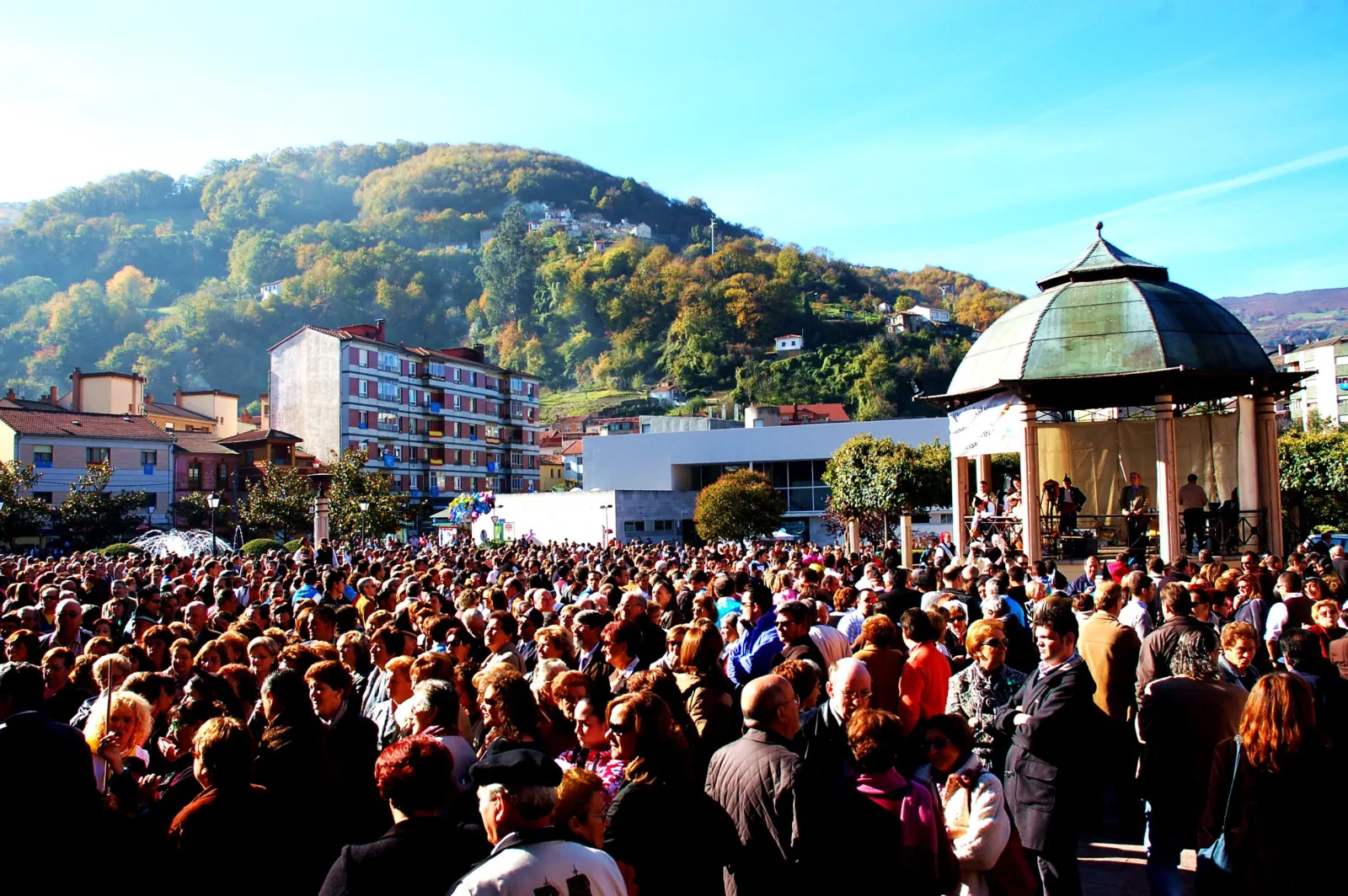
The days that matter
-
Wed 11 Nov around 09:30
Alborada
Pipe bands and dance groups wake the town, playing through the streets of Moreda.
-
Wed 11 Nov around 10:45
Xanas, sung mass and Puya'l Ramu
A pipe band collects the xanas and leads them to a mass sung with bagpipe and drum. Afterwards, local produce on the ramu is auctioned.
-
Wed 11 Nov 13:00
Grand parade
Cow-drawn carts with the xana and xaninos, pipe bands, dance groups and the xandas, who sing, dance and pour cider.
-
Wed 11 Nov around 15:00
Communal lunch
Fabada, casadielles and panchón, at the communal meal and in Moreda's restaurants.
-
Wed 11 Nov from 18:00
Children's afternoon
Hot chocolate for children, with traditional games, a dance workshop and performances.
-
Wed 11 Nov from 19:30
Verbena, fireworks and final dance
A traditional bandina plays the verbena, then come fireworks and a circle dance with sung verses.
What Humanitarios de San Martín is like
- Loud
- Family
- Food & drink
- Procession
- Noise
- Pipe bands all day, a verbena and fireworks at night.
- Fire
- Only the closing fireworks.
- Crowds
- The 13:00 parade packs the streets of a small town.
- Mess
- Nothing messier than spilled cider.
- With kids
- Carts and animals, plus hot chocolate and games at 18:00.
Highlights
- The 13:00 parade of cow-drawn carts, pipe bands, dance groups and cider-pouring xandas
- A mass sung to bagpipe and drum, followed by the Puya'l Ramu auction of local produce
- Fabada, casadielles and panchón, the Aller dessert, at the communal lunch
- A verbena with a traditional bandina, fireworks and a final circle dance with sung verses
- Organised since 1905 by a charitable society named Exemplary Town of Asturias in 2007
Humanitarios de San Martín 2026: Wednesday 11 November
Every 11 November, the feast of Saint Martin of Tours, the mining town of Moreda in the Aller valley gives the whole day over to the Fiesta de los Humanitarios. In 2026 the date falls on a Wednesday. It is organised by the Sociedad Humanitarios de San Martín, a charitable and cultural society founded in 1905, and it is one of the best-known celebrations of the Asturian autumn: a day of bagpipes, folk dress, decorated carts, cider and a very large lunch of fabada. The official organizer’s fiesta page identifies it as a Festival of National Tourist Interest and publishes the recurring daily sequence below.
Recurring official timetable
The organisers publish the programme each year, but the shape of the day is set by tradition. At around 09:30 the alborada begins, with pipe bands and dance groups walking the streets of Moreda. Around 10:45 a pipe band goes to collect the xanas, and a procession heads to the church for a sung mass in honour of the saint, accompanied by bagpipe and drum. After mass comes the Puya'l Ramu: a wooden frame loaded with local produce, such as spelt-bread rolls, black pudding and chorizo, is auctioned off to shouts of "who'll give more?"
At 13:00 the big parade sets off, led by the society's officers. Carts carrying the xana and the little xaninos are drawn by cows, followed by dance groups, pipe bands and the xandas: groups who sing and dance along the route and pour cider for the crowd. Their handmade carts recreate moments of Asturian history and old country customs.
Fabada, casadielles and panchón
Food matters as much as the parade. At around 15:00 there is a communal lunch whose classic menu is fabada, casadielles and panchón. Panchón is the Aller dessert, made with spelt bread, lard and sugar. The organisers say that thousands of kilos of fabada are served in Moreda's restaurants on the day.
Children, verbena and the final dance
At 18:00 there is hot chocolate for children, with games, a dance workshop and performances. At 19:30 a bandina of traditional musicians plays a verbena in the style of the early twentieth century. Fireworks follow, and the night ends with a circle dance in which singers trade verses while the dancers turn and answer in chorus.
Check the official programme for 2026 before you go, since times can shift slightly from year to year.
Gallery
History & Origins
The Sociedad Humanitarios de San Martín was founded in 1905 in the parish of Moreda. Its purpose was to end the disputes between cattle farmers from Aller and neighbouring Lena over the use of pastures along the boundary between the two councils, and to help any neighbour in need. The members took the name of the parish's patron saint and agreed to meet every 11 November. Their feast had the same core it keeps today: a mass sung to the bagpipe, the Puya'l Ramu auction, dancing to bagpipe and drum, and a communal meal. At first only men could join. Its first president was Ramiro Fernández-Campomanes y Sánchez.
The Civil War of 1936 nearly ended the society, although some former members still met around Saint Martin's Day. In 1966 the children and grandchildren of the founders revived it. The cattle dispute was long settled, so they turned to helping people in need and to keeping alive the Asturian popular culture that industrialisation had pushed aside. Today the society has more than 1,200 members. It gives financial aid, school supplies, food and practical help, keeps ties with emigrants, and promotes Asturian culture. In 2007 the Princess of Asturias Foundation named the society and the people of Moreda its Exemplary Town of Asturias (Pueblo Ejemplar).
What to Expect
Expect a full day on your feet in a small mountain town that fills up early. The morning is all music: pipe bands and dance groups play through the streets from about 09:30. Mass is sung in the traditional style with bagpipe and drum, and the Puya'l Ramu auction of sausages, black pudding and spelt bread follows. Its bidding is a show in itself.
The 13:00 parade is the moment most visitors come for. Cow-drawn carts carry the xana and xaninos, and pipe bands and dance groups in traditional dress pass by. The xandas walk alongside their handmade carts, which show scenes from Asturian history and rural life, and they pour cider for the people watching. Lunch is the other big event: fabada, casadielles and panchón, served at the communal meal and in restaurants across Moreda. In the evening the mood turns to families and dancing, with hot chocolate and games for children, a verbena with a small traditional band, fireworks, and a final circle dance with sung verses.
How to Get There
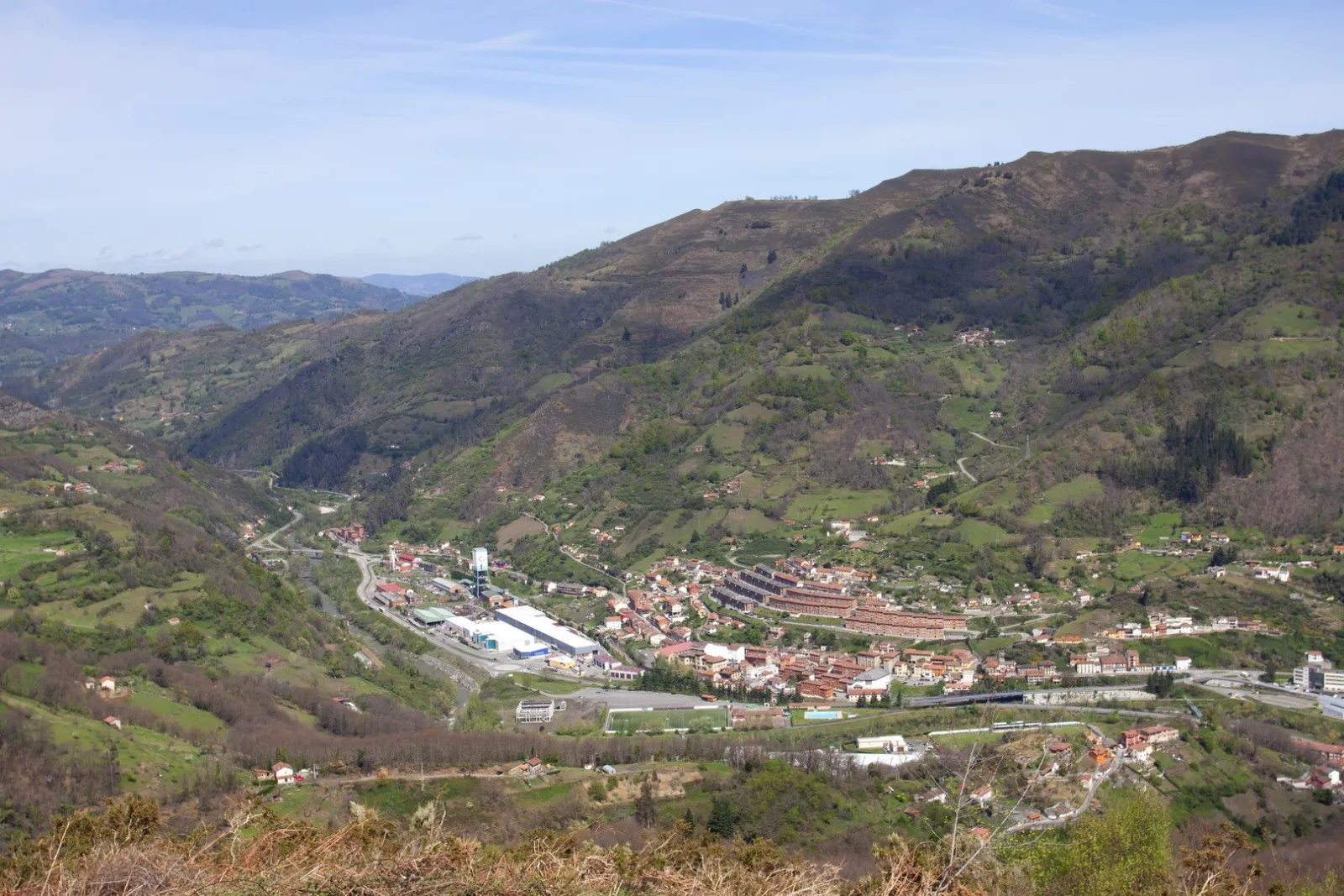
Moreda (Morea in Asturian) is the largest town in the council of Aller, in the central coalfield of Asturias. It lies about 27 km from Oviedo and 12 km from Cabañaquinta, the council capital. Oviedo is the most practical base, with the most hotels and the main rail and bus connections. From there Moreda is a short drive up the Caudal and Aller valleys. On festival day the parade takes over the town's streets, so arrive early, expect parking to fill up, and follow the local access notices. If you go by public transport, check the Consorcio de Transportes de Asturias journey planner for 11 November, which is a working day in 2026.
Tips & Advice
- Arrive before 09:30 if you want to follow the alborada from the start. The pipe bands begin early and the town fills up quickly.
- Pick your spot for the 13:00 parade in good time. The xandas pour cider as they pass, so stand where you can reach them.
- Book lunch ahead. Restaurants in Moreda serve fabada all day, but tables go fast on 11 November.
- Try panchón, the Aller dessert of spelt bread, lard and sugar. You will rarely find it outside the valley.
- In 2026 the fiesta falls on a Wednesday. Plan a day off and a return trip, especially if you are drinking cider.
- Bring warm, waterproof layers: it is November in the mountains and much of the day is outdoors.
Photos: Jorge Díaz / CC BY-SA 2.0 / Wikimedia Commons; Carmenmoran / CC BY 4.0 / Wikimedia Commons
Descenso Internacional del Sella
Arriondas, AsturiasEvery first Saturday of August, over 1,000 canoeists race 20 km down the River Sella from Arriondas to Ribadesella, cheered on by 200,000+ spectators lining the riverbanks. Declared a Fiesta of International Tourist Interest, it's Spain's most famous sporting festival.
Gijón International Film Festival (FICX)
Gijón, AsturiasNine days of independent cinema in Gijón: competitive sections, Spanish premieres, films for young audiences and honours for Peter Mullan and Carlos Reygadas.
Les Cebolles Rellenes Gastronomic Festival
El Entrego (San Martín del Rey Aurelio), AsturiasAround Saint Andrew's Day, El Entrego's bars and cider houses serve onions stuffed with bonito, with callos and casadielles, while the town throws two nights of verbenas.
Sotrondio Turnip Gastronomic Festival
Sotrondio, AsturiasSlow-cooked pote de nabos with compango, callos and casadielles across Sotrondio's cider houses, ending with San Martín's feast day on 11 November.